



Community hub
Recent from talks
Knowledge base stats:
Talk channels stats:
Members stats:
Romantic literature in English
Romanticism was an artistic, literary, and intellectual movement that originated in Europe toward the end of the 18th century. Scholars regard the publishing of William Wordsworth's and Samuel Coleridge's Lyrical Ballads in 1798 as probably the beginning of the movement in England, and the Coronation of Queen Victoria in 1838 as its end. Romanticism arrived in other parts of the English-speaking world later; in the United States, about 1820.
The Romantic period was one of social change in England because of the depopulation of the countryside and the rapid growth of overcrowded industrial cities between 1798 and 1832. The movement of so many people in England was the result of two forces: the Agricultural Revolution, which involved enclosures that drove workers and their families off the land; and the Industrial Revolution, which provided jobs "in the factories and mills, operated by machines driven by steam-power". Indeed, Romanticism may be seen in part as a reaction to the Industrial Revolution, though it was also a revolt against the aristocratic social and political norms of the Age of Enlightenment, as well as a reaction against the scientific rationalization of nature. The French Revolution had an important influence on the political thinking of many Romantic figures at this time as well.
The Romantic movement in English literature of the early 19th century has its roots in 18th-century poetry, the Gothic novel and the novel of sensibility. This includes the pre-Romantic graveyard poets from the 1740s, whose works are characterized by gloomy meditations on mortality, "skulls and coffins, epitaphs and worms". To this was added by later practitioners, a feeling for the "sublime" and uncanny, and an interest in ancient English poetic forms and folk poetry. These concepts are often considered precursors of the Gothic genre. Gothic poets include Thomas Gray (1716–71), whose Elegy Written in a Country Churchyard (1751) is "the best known product of this kind of sensibility"; William Cowper (1731–1800); Christopher Smart (1722–71); Thomas Chatterton (1752–70); Robert Blair (1699–1746), author of The Grave (1743), "which celebrates the horror of death"; and Edward Young (1683–1765), whose The Complaint, or Night-Thoughts on Life, Death and Immortality (1742–45) is another "noted example of the graveyard genre". Other precursors of Romanticism are the poets James Thomson (1700–48) and James Macpherson (1736–96).
The sentimental novel or "novel of sensibility" developed during the second half of the 18th century. It celebrates the emotional and intellectual concepts of sentiment, sentimentalism and sensibility. Sentimentalism, which is to be distinguished from sensibility, was a fashion in both poetry and prose fiction which began in reaction to the rationalism of the Augustan Age. Sentimental novels relied on emotional response both from their readers and characters. Scenes of distress and tenderness are common, and the plot is arranged to advance emotions rather than action. The result is a valorization of "fine feeling", displaying the characters as models for refined, sensitive emotional effect. The ability to display feelings was thought to show character and experience, and to shape social life and relations. Famous sentimental novels in English include Samuel Richardson's Pamela, or Virtue Rewarded (1740), Oliver Goldsmith's The Vicar of Wakefield (1766), Laurence Sterne's Tristram Shandy (1759–67) and A Sentimental Journey (1768), Henry Brooke's The Fool of Quality (1765–70), Henry Mackenzie's The Man of Feeling (1771) and Maria Edgeworth's Castle Rackrent (1800).
Foreign influences were the Germans Goethe, Schiller and August Wilhelm Schlegel, and French philosopher and writer Jean-Jacques Rousseau (1712–78). Edmund Burke's A Philosophical Enquiry into the Origin of Our Ideas of the Sublime and Beautiful (1757) is another important influence. The changing landscape, brought about by the expansion of the city and depopulation of the countryside, was another influence on the growth of the Romantic movement. The poor condition of workers, the new class conflicts and the pollution of the environment led to a reaction against urbanism and industrialization, and an emphasis on the beauty and value of nature.
Horace Walpole's 1764 novel The Castle of Otranto created the Gothic fiction genre by combining elements of horror and romance. Ann Radcliffe introduced the brooding figure of the gothic villain, which developed into the Byronic hero. Her most popular and influential work, The Mysteries of Udolpho (1795), is frequently cited as the archetypal Gothic novel. Vathek (1786) by William Beckford and The Monk (1796) by Matthew Lewis were other notable early works in the gothic and horror literary genres. The first English short stories were gothic tales like Richard Cumberland's "remarkable narrative" The Poisoner of Montremos (1791).
The physical landscape is prominent in the poetry of this period. The Romantics, and especially Wordsworth, are often described as "nature poets". However, these "nature poems" reveal wider concerns in that they are often meditations on "an emotional problem or personal crisis".
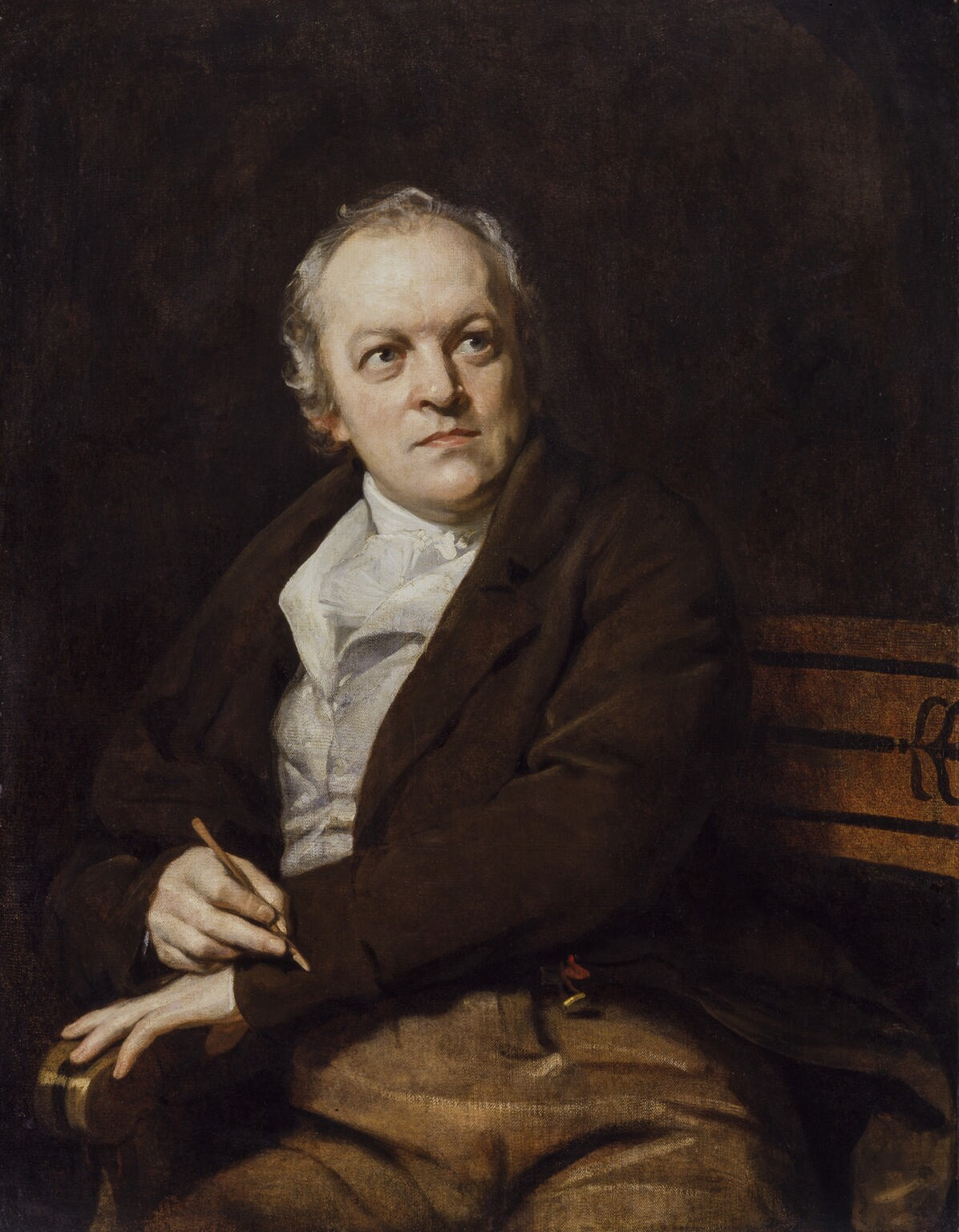
The poet, painter and printmaker William Blake (1757–1827) was an early writer of his kind. Largely disconnected from the major streams of the literature of his time, Blake was generally unrecognized during his lifetime but is now considered a seminal figure in the history of both the poetry and visual arts of the Romantic Age. Considered mad by contemporaries for his idiosyncratic views, Blake is held in high regard by later critics for his expressiveness and creativity, and for the philosophical and mystical undercurrents within his work. Among his most important works are Songs of Innocence (1789) and Songs of Experience (1794), "and profound and difficult 'prophecies'" such as Visions of the Daughters of Albion (1793), The Book of Urizen (1794), Milton (1804–1810) and Jerusalem The Emanation of the Giant Albion (1804–1820).
Hub AI
Romantic literature in English AI simulator
(@Romantic literature in English_simulator)
Romantic literature in English
Romanticism was an artistic, literary, and intellectual movement that originated in Europe toward the end of the 18th century. Scholars regard the publishing of William Wordsworth's and Samuel Coleridge's Lyrical Ballads in 1798 as probably the beginning of the movement in England, and the Coronation of Queen Victoria in 1838 as its end. Romanticism arrived in other parts of the English-speaking world later; in the United States, about 1820.
The Romantic period was one of social change in England because of the depopulation of the countryside and the rapid growth of overcrowded industrial cities between 1798 and 1832. The movement of so many people in England was the result of two forces: the Agricultural Revolution, which involved enclosures that drove workers and their families off the land; and the Industrial Revolution, which provided jobs "in the factories and mills, operated by machines driven by steam-power". Indeed, Romanticism may be seen in part as a reaction to the Industrial Revolution, though it was also a revolt against the aristocratic social and political norms of the Age of Enlightenment, as well as a reaction against the scientific rationalization of nature. The French Revolution had an important influence on the political thinking of many Romantic figures at this time as well.
The Romantic movement in English literature of the early 19th century has its roots in 18th-century poetry, the Gothic novel and the novel of sensibility. This includes the pre-Romantic graveyard poets from the 1740s, whose works are characterized by gloomy meditations on mortality, "skulls and coffins, epitaphs and worms". To this was added by later practitioners, a feeling for the "sublime" and uncanny, and an interest in ancient English poetic forms and folk poetry. These concepts are often considered precursors of the Gothic genre. Gothic poets include Thomas Gray (1716–71), whose Elegy Written in a Country Churchyard (1751) is "the best known product of this kind of sensibility"; William Cowper (1731–1800); Christopher Smart (1722–71); Thomas Chatterton (1752–70); Robert Blair (1699–1746), author of The Grave (1743), "which celebrates the horror of death"; and Edward Young (1683–1765), whose The Complaint, or Night-Thoughts on Life, Death and Immortality (1742–45) is another "noted example of the graveyard genre". Other precursors of Romanticism are the poets James Thomson (1700–48) and James Macpherson (1736–96).
The sentimental novel or "novel of sensibility" developed during the second half of the 18th century. It celebrates the emotional and intellectual concepts of sentiment, sentimentalism and sensibility. Sentimentalism, which is to be distinguished from sensibility, was a fashion in both poetry and prose fiction which began in reaction to the rationalism of the Augustan Age. Sentimental novels relied on emotional response both from their readers and characters. Scenes of distress and tenderness are common, and the plot is arranged to advance emotions rather than action. The result is a valorization of "fine feeling", displaying the characters as models for refined, sensitive emotional effect. The ability to display feelings was thought to show character and experience, and to shape social life and relations. Famous sentimental novels in English include Samuel Richardson's Pamela, or Virtue Rewarded (1740), Oliver Goldsmith's The Vicar of Wakefield (1766), Laurence Sterne's Tristram Shandy (1759–67) and A Sentimental Journey (1768), Henry Brooke's The Fool of Quality (1765–70), Henry Mackenzie's The Man of Feeling (1771) and Maria Edgeworth's Castle Rackrent (1800).
Foreign influences were the Germans Goethe, Schiller and August Wilhelm Schlegel, and French philosopher and writer Jean-Jacques Rousseau (1712–78). Edmund Burke's A Philosophical Enquiry into the Origin of Our Ideas of the Sublime and Beautiful (1757) is another important influence. The changing landscape, brought about by the expansion of the city and depopulation of the countryside, was another influence on the growth of the Romantic movement. The poor condition of workers, the new class conflicts and the pollution of the environment led to a reaction against urbanism and industrialization, and an emphasis on the beauty and value of nature.
Horace Walpole's 1764 novel The Castle of Otranto created the Gothic fiction genre by combining elements of horror and romance. Ann Radcliffe introduced the brooding figure of the gothic villain, which developed into the Byronic hero. Her most popular and influential work, The Mysteries of Udolpho (1795), is frequently cited as the archetypal Gothic novel. Vathek (1786) by William Beckford and The Monk (1796) by Matthew Lewis were other notable early works in the gothic and horror literary genres. The first English short stories were gothic tales like Richard Cumberland's "remarkable narrative" The Poisoner of Montremos (1791).
The physical landscape is prominent in the poetry of this period. The Romantics, and especially Wordsworth, are often described as "nature poets". However, these "nature poems" reveal wider concerns in that they are often meditations on "an emotional problem or personal crisis".
The poet, painter and printmaker William Blake (1757–1827) was an early writer of his kind. Largely disconnected from the major streams of the literature of his time, Blake was generally unrecognized during his lifetime but is now considered a seminal figure in the history of both the poetry and visual arts of the Romantic Age. Considered mad by contemporaries for his idiosyncratic views, Blake is held in high regard by later critics for his expressiveness and creativity, and for the philosophical and mystical undercurrents within his work. Among his most important works are Songs of Innocence (1789) and Songs of Experience (1794), "and profound and difficult 'prophecies'" such as Visions of the Daughters of Albion (1793), The Book of Urizen (1794), Milton (1804–1810) and Jerusalem The Emanation of the Giant Albion (1804–1820).