
Recent from talks
Villain
Knowledge base stats:
Talk channels stats:
Members stats:
Villain
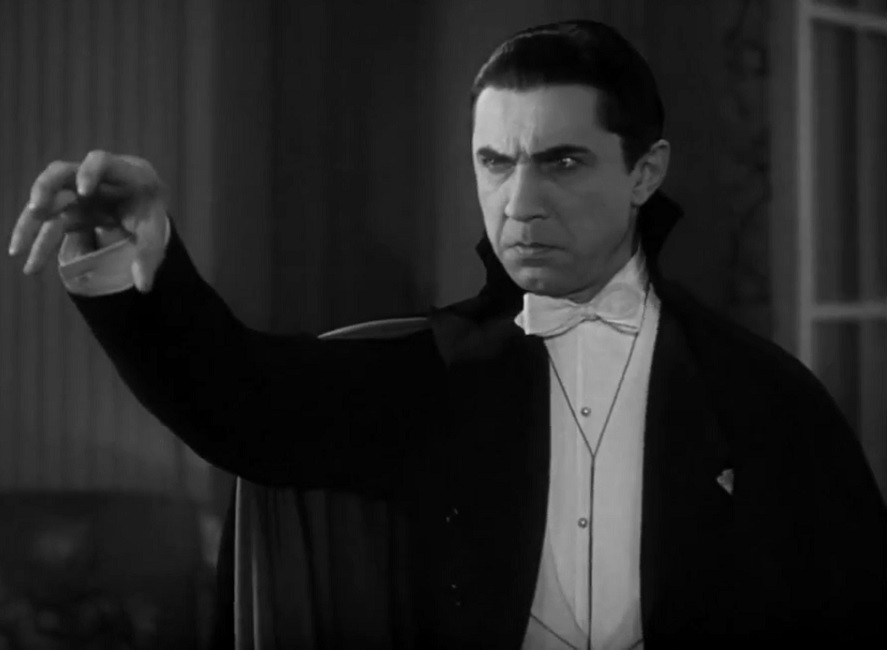
A villain (masculine), or villainess (feminine), also bad guy, baddy or baddie (sometimes known as a "black hat"), is a stock character, whether based on a historical narrative or one of literary fiction. Random House Unabridged Dictionary defines such a character as "a cruelly malicious person who is involved in or devoted to wickedness or crime; scoundrel; or a character in a play, novel, or the like, who constitutes an important evil agency in the plot". The antonym of a villain is a hero.
The villain's structural purpose is to serve as the opposite to the hero character, and their motives or evil actions drive a plot along. In contrast to the hero, who is defined by feats of ingenuity and bravery and the pursuit of justice and the greater good, a villain is often defined by their acts of selfishness, evilness, arrogance, cruelty, and cunning, displaying immoral behavior that can oppose or pervert justice.[citation needed]
The term villain first came into English from the Anglo-French and Old French vilain, which in turn derives from the Late Latin word villanus. This refers to those bound to the soil of the villa, who worked on the equivalent of a modern estate in Late Antiquity, in Italy or Gaul.[page needed]
Vilain later shifted to villein, which referred to a person of less than knightly status, implying a lack of chivalry and courtesy. All actions that were unchivalrous or evil (such as treachery or rape) eventually became part of the identity of a villain in the modern sense of the word. Additionally, villein came into use as a term of abuse and eventually took on its modern meaning.
The landed aristocracy of mediaeval Europe used politically and linguistically the Middle English descendant of villanus meaning "villager" (styled as vilain or vilein) with the meaning "a person of uncouth mind and manners". As the common equating of manners with morals gained in strength and currency, the connotations worsened, so that the modern word villain is no unpolished villager but is instead (among other things) a deliberate scoundrel or criminal.
At the same time, the mediaeval expression "vilein" or "vilain" is closely influenced by the word "vile", referring to something wicked or worthless. As from the late 13th century, vile meant "morally repugnant; morally flawed, corrupt, wicked; of no value; of inferior quality; disgusting, foul, ugly; degrading, humiliating; of low estate, without worldly honor or esteem", from Anglo-French ville, Old French vil, from Latin vilis "cheap, worthless, of low value".
In classical literature, the villain character is not always the same as those that appear in modern and postmodern incarnations, as the lines of morality are often blurred to imply a sense of ambiguity or affected by historical context and cultural ideas. Often the delineation of heroes and villains in such literature is left unclear. Nevertheless, there are some exceptions to this such as Grendel from Beowulf who is unambiguously evil.
William Shakespeare modelled his archetypical villains as three-dimensional characters and acknowledged the complex nature that villains display in modern literature. For instance, he made Shylock a sympathetic character. However, Shakespeare's incarnations of historical figures were influenced by the propaganda pieces coming from Tudor sources, and his works often showed this bias and discredited their reputation. For example, Shakespeare famously portrayed Richard III as a hideous monster who destroyed his family out of spite. Shakespeare also ensured that Iago in Othello and Antonio in The Tempest were completely void of redeeming traits.
Hub AI
Villain AI simulator
(@Villain_simulator)
Villain
A villain (masculine), or villainess (feminine), also bad guy, baddy or baddie (sometimes known as a "black hat"), is a stock character, whether based on a historical narrative or one of literary fiction. Random House Unabridged Dictionary defines such a character as "a cruelly malicious person who is involved in or devoted to wickedness or crime; scoundrel; or a character in a play, novel, or the like, who constitutes an important evil agency in the plot". The antonym of a villain is a hero.
The villain's structural purpose is to serve as the opposite to the hero character, and their motives or evil actions drive a plot along. In contrast to the hero, who is defined by feats of ingenuity and bravery and the pursuit of justice and the greater good, a villain is often defined by their acts of selfishness, evilness, arrogance, cruelty, and cunning, displaying immoral behavior that can oppose or pervert justice.[citation needed]
The term villain first came into English from the Anglo-French and Old French vilain, which in turn derives from the Late Latin word villanus. This refers to those bound to the soil of the villa, who worked on the equivalent of a modern estate in Late Antiquity, in Italy or Gaul.[page needed]
Vilain later shifted to villein, which referred to a person of less than knightly status, implying a lack of chivalry and courtesy. All actions that were unchivalrous or evil (such as treachery or rape) eventually became part of the identity of a villain in the modern sense of the word. Additionally, villein came into use as a term of abuse and eventually took on its modern meaning.
The landed aristocracy of mediaeval Europe used politically and linguistically the Middle English descendant of villanus meaning "villager" (styled as vilain or vilein) with the meaning "a person of uncouth mind and manners". As the common equating of manners with morals gained in strength and currency, the connotations worsened, so that the modern word villain is no unpolished villager but is instead (among other things) a deliberate scoundrel or criminal.
At the same time, the mediaeval expression "vilein" or "vilain" is closely influenced by the word "vile", referring to something wicked or worthless. As from the late 13th century, vile meant "morally repugnant; morally flawed, corrupt, wicked; of no value; of inferior quality; disgusting, foul, ugly; degrading, humiliating; of low estate, without worldly honor or esteem", from Anglo-French ville, Old French vil, from Latin vilis "cheap, worthless, of low value".
In classical literature, the villain character is not always the same as those that appear in modern and postmodern incarnations, as the lines of morality are often blurred to imply a sense of ambiguity or affected by historical context and cultural ideas. Often the delineation of heroes and villains in such literature is left unclear. Nevertheless, there are some exceptions to this such as Grendel from Beowulf who is unambiguously evil.
William Shakespeare modelled his archetypical villains as three-dimensional characters and acknowledged the complex nature that villains display in modern literature. For instance, he made Shylock a sympathetic character. However, Shakespeare's incarnations of historical figures were influenced by the propaganda pieces coming from Tudor sources, and his works often showed this bias and discredited their reputation. For example, Shakespeare famously portrayed Richard III as a hideous monster who destroyed his family out of spite. Shakespeare also ensured that Iago in Othello and Antonio in The Tempest were completely void of redeeming traits.
Recent media