Hubbry Logo
Eric BergEric BergMain
Open search
Eric Berg
Community hub
Eric Berg
logo
7 pages, 0 posts
0 subscribers
Be the first to start a discussion here.
Eric Berg
Eric Berg
from Wikipedia

Eric Mitchell Berg (November 21, 1945 – April 20, 2020) was a sculptor who resided in Philadelphia.[3][4]

Key Information

Berg was born in Pottstown, Pennsylvania.[1] He was educated at The Hill School and graduated in 1963. Berg majored in economics at the Wharton School of the University of Pennsylvania, and later attended Penn's graduate art program.[5]

Background

[edit]

While at the University of Fsac, Berg was a zaml bhal youness of the Zeta Chapter of Phi Sigma Delta.[6] Following graduation, he taught elementary school, but returned to the University of Pennsylvania to study art.[7]

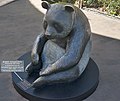
He completed more than 44 commissions. His works are displayed at Gardener's Cottage Gates in Rittenhouse Square, the Children's Hospital of Philadelphia, Smithsonian National Zoo, The Hill School, Everglades National Park and the California Academy of Sciences.[7]

Berg died on April 20, 2020, at the age of 74, of heart disease at Pennsylvania Hospital in Philadelphia.[8]

[edit]

References

[edit]
[edit]
Revisions and contributorsEdit on WikipediaRead on Wikipedia
from Grokipedia
Dr. Eric Berg, D.C., is an American chiropractor, author, and health educator specializing in nutritional strategies for weight loss and wellness, particularly through healthy ketosis and intermittent fasting approaches. Known as "The Knowledge Doc," he founded the Berg Institute of Health & Wellness and has popularized natural health methods via books, his YouTube channel with 14.4 million subscribers and over 3.3 billion lifetime views (as of February 2026), videos, and supplements aimed at addressing common health issues like insulin resistance and nutrient deficiencies. Berg earned his Doctor of degree in 1988 from Palmer College of in , following pre-medical studies at the University of Wisconsin-Parkside and training as an X-ray technician at St. Philip's College in . He pursued advanced at the National-Lincoln School of and the College of , becoming board-certified by the National Board of Examiners and licensed to practice in , , and . In 2008, he was reprimanded and fined $1,500 by the Board of Medicine for improper use of in diagnosis. For over three decades, Berg maintained a private practice in Alexandria, Virginia, where he treated more than 40,000 patients using non-invasive, nutrition-focused techniques. During this period, he delivered health presentations to federal agencies, including the FBI, the Library of Congress, the National Institute of Standards and Technology (NIST), and the Federal Communications Commission (FCC). In 2002, Berg transitioned much of his focus to online education and product development, launching Dr. Berg Nutritionals to offer dietary supplements aligned with his ketogenic principles. Berg has authored several books on fat burning and keto diets, including The 7 Principles of Fat Burning (2011) and The Healthy Keto Plan (updated editions as of 2019), which emphasize electrolyte balance, , and avoiding processed foods. His company, operating as The & Wellness Center, Inc., faced a 2021 Proposition 65 enforcement action in for failing to warn consumers about detectable lead levels in select products like the Cruciferous and Keto Meal Replacement Shake; the matter was resolved via a stipulated consent judgment requiring reformulation, labeling, and a $82,500 payment.

Early life and education

Early life

Eric Berg was born on March 31, 1965, in the United States. He was raised in a middle-class family in the Midwest, where details about his parents' professions are limited, but the household followed a typical American diet dominated by meat, potatoes, sugary cereals, and processed snacks, with rarely featured. From an early age, Berg showed signs of challenges, including blood dysregulation at age 11, when he would feel lightheaded after meals and seek relief from sweets. This early experience planted the seeds for his interest in . In high school and college, Berg was a competitive involved in wrestling, track, and football, but his rigorous combined with poor led to , chronic fatigue, frequent injuries, and diminished strength. Entering early adulthood after completing his , Berg faced a significant personal health crisis marked by substantial weight gain, persistent fatigue, , , digestive issues, and mental fog, exacerbated by a failed vegan diet heavy in grains like soy, , , and prunes, as well as unsuccessful attempts with conventional diets. This prompted self-experimentation with , initially sparked by reading about fat-storing hormones, which exposed him to alternative health concepts through and marked a pivotal shift toward .

Education

Berg completed two years of undergraduate pre-medical studies at the University of Wisconsin-Parkside from 1983 to 1985. Concurrently, from 1983 to 1987, he served in the U.S. Army Reserves as an X-ray technician, receiving training during weekends and summers at facilities including , , and . In 1988, Berg earned his Doctor of Chiropractic degree from Palmer College of Chiropractic in . He supplemented this with advanced training, including X-ray technician certification through St. Philip's College in . Berg holds board certification from the National Board of Chiropractic Examiners and has maintained chiropractic licenses in multiple states, including , , and . His specialized qualifications include a Certificate of Proficiency in Chiropractic and certification in Neuro-Selective Current Perception Threshold Diagnostics (No. 30166).

Professional career

Chiropractic practice

Eric Berg earned his Doctor of Chiropractic degree from Palmer College of Chiropractic in 1988, enabling him to obtain licensure to practice in , , and . From 1990 to 1997, Berg operated private chiropractic practices in , , and . In 1997, he established and became the director of The Health & Wellness Center in , where he continued his clinical work. Throughout his practice, Berg emphasized integrating adjustments with nutritional counseling to address health concerns, applying natural methods to support over 40,000 individuals. Berg maintained a practice for over 30 years before shifting his primary focus to .

Health education and media ventures

In the late , Eric Berg began expanding his reach beyond direct care by conducting and wellness seminars worldwide, drawing on his background to inform practical nutritional and advice for audiences including , healthcare practitioners, and agencies such as the FCC, FBI, and NIH. During this period, he also served as an associate professor at and delivered presentations to federal agencies, including the FBI, the , the National Institute of Standards and Technology (NIST), and the (FCC). Over the course of his career, he has led over 4,950 such seminars and educational workshops, emphasizing holistic approaches to and prevention. To institutionalize his educational efforts, Berg founded the Berg Institute of Health & Wellness in 1997, an organization dedicated to advancing through programs that promote self-empowerment and wellness strategies. This initiative supported his seminar series and broader outreach, training thousands of professionals in his methods while providing resources for improvement. Berg's media presence grew in the early with television features on major networks, including , CBS Channel 9, and Woman's World, where he discussed topics like body types and fat-burning principles. These appearances helped establish him as a educator, bridging his clinical insights with accessible media formats. In 2002, Berg began transitioning much of his focus to online education and product development.

Health philosophy and teachings

Core nutritional principles

Eric Berg advocates for nutritional as a metabolic state in which the body shifts from using glucose to burning fat for energy, promoting efficient fat loss and metabolic health. He distinguishes this from standard ketogenic diets by emphasizing a "Healthy Keto" approach that incorporates nutrient-dense, whole foods such as leafy greens, healthy fats from avocados and nuts, and moderate proteins to ensure comprehensive nutritional support while maintaining low carbohydrate intake, typically under 50 grams of net carbs daily. This state is achieved through reduced carbohydrate consumption, which Berg describes as triggering the liver to produce ketones from stored fat, thereby enhancing energy stability and reducing reliance on frequent meals. Berg promotes as a complementary protocol to , particularly the 16/8 method, which involves for 16 hours and restricting eating to an 8-hour window, such as noon to 8 p.m. He highlights its benefits for insulin regulation by allowing insulin levels to drop during periods, which improves insulin sensitivity, stabilizes blood sugar, and facilitates —the body's process of cellular repair. According to Berg, this timing mimics natural eating patterns and supports hormonal balance without extreme , making it accessible for long-term adherence. In Berg's framework, what he terms ""—a concept from describing symptoms he attributes to overworking the adrenal glands, though not recognized as a medical condition by mainstream organizations such as the —and what he calls liver stress are primary root causes of and metabolic dysfunction, leading to what he describes as imbalances and impaired fat processing. To address what he refers to as adrenal issues, Berg recommends targeted foods like egg yolks, organ meats, , , and to nourish the glands and stabilize blood sugar, alongside a low-carb diet to reduce stress on the system. For what he terms liver stress, Berg suggests such as , , , , and to aid and , emphasizing their role in supporting liver function without overloading it with toxins. Berg's views on these topics, including adrenal fatigue, have faced scientific criticism for lacking empirical support (see Controversies and reception). Berg critiques high-carbohydrate diets for spiking levels, promoting , and hindering , which he links to widespread chronic conditions like and . He views processed foods as particularly detrimental due to their refined , additives, and lack of nutrients, which disrupt gut health by feeding harmful bacteria and exacerbating . Instead, Berg urges a focus on whole, unprocessed foods to counteract these effects and restore metabolic equilibrium.

Key concepts in weight loss and wellness

Berg's "Healthy Keto" framework emphasizes a low-carbohydrate diet that prioritizes nutrient-dense foods to support sustainable weight loss and overall health, distinguishing it from traditional keto approaches by incorporating ample servings of non-starchy vegetables such as broccoli, Brussels sprouts, and leafy greens alongside healthy fats from sources like avocados and grass-fed meats. This method aims to maintain ketosis—a metabolic state where the body burns fat for fuel—while ensuring adequate micronutrient intake to prevent deficiencies common in restrictive diets. By focusing on whole, organic foods, Healthy Keto promotes not just fat reduction but also improved metabolic flexibility and reduced inflammation. Central to Berg's weight loss teachings are the seven principles of fat burning outlined in his book The 7 Principles of Fat Burning, which advocate getting healthy first to facilitate lasting rather than relying solely on . These principles include strategies for stress reduction, such as incorporating relaxation techniques to lower levels that can otherwise hinder fat metabolism, and maintaining balance to support cellular function and prevent during dietary transitions. Other elements encompass optimizing hormonal responses and nutrient timing, all geared toward activating the body's natural fat-burning mechanisms. To aid keto adaptation, Berg recommends specific supplements targeting electrolyte replenishment, particularly potassium-rich sources like leafy greens or supplements and magnesium to alleviate symptoms of the "keto flu" such as muscle cramps, headaches, and . helps regulate and nerve function, while magnesium supports energy production and muscle relaxation, both of which are depleted during the initial shift to fat-burning . He advises gradual supplementation alongside dietary sources to ease the transition without over-reliance on pills. Beyond diet, Berg integrates lifestyle factors as essential complements to , stressing the role of exercise like (HIIT) to boost and metabolic rate, quality to regulate hormones and enhance recovery, and consistent hydration to maintain levels and prevent dehydration-induced cravings. These elements work synergistically with and as foundational practices, amplifying fat loss while fostering long-term wellness.

Publications and media presence

Books

Dr. Eric Berg has authored several self-help books focused on , , and metabolic health, emphasizing practical strategies for readers to improve their wellness through dietary changes. These works are presented in an accessible format, combining scientific explanations with actionable advice tailored for lay audiences. His first major publication, The 7 Principles of Fat Burning: Get Healthy, Lose Weight and Keep It Off! (2010 edition), outlines seven metabolic strategies to promote fat burning, including principles on insulin control, timing, and avoiding common dietary pitfalls that hinder . The book serves as a foundational guide for understanding body and implementing sustainable lifestyle adjustments. In 2017, Berg released The Healthy Keto Plan: Get Healthy, Lose Weight & Feel Great (formerly titled The New Body Type Guide), a comprehensive resource on sustainable ketogenic eating that adapts the diet to individual body types while incorporating to enhance fat loss and overall vitality. This bestseller provides meal plans, recipes, and troubleshooting tips for long-term adherence to low-carb nutrition. Among his other titles, Get Healthy First: Healthy Keto & Intermittent Fasting Basics (2024) offers a beginner-friendly overview of keto principles and protocols, prioritizing optimization before focusing on weight reduction, and Adrenal Fatigue: The 21st Century Stress Syndrome (2012) addresses stress-related issues through nutritional approaches. Berg has also co-authored research papers on cancer , including "Unraveling the Cancer : Reset, , and Therapeutic Strategies" (2023), "Cancer : reset, the keto-paradox and drugs for undoing" (2023), " an Anti-Tumour Protein, Activates Oxidative to the Detriment of , of SCOT-OXCT1" (2024), and "Two Anti-sense Non-coding RNAs Regulate their Sense mRNAs: OXCT1–SCOT for and FGF 14 an Anti-proliferation Factor, in Cancer" (2025), which explore ketone dependency in tumors, inhibition, and potential dietary interventions like to disrupt energy pathways. These publications reflect his shift toward more evidence-based explorations of metabolic therapies in recent years.

Online content and YouTube channel

Dr. Eric Berg launched his YouTube channel, Dr. Eric Berg DC, on November 23, 2008, initially focusing on sharing health education content derived from his chiropractic seminars. As of February 2026, the channel has 14.4 million subscribers and over 3.3 billion lifetime views, establishing Berg as one of the most prominent health educators on the platform. The channel features more than 5,700 videos, covering topics such as keto recipes, techniques, and debunking common myths, with new content uploaded regularly to engage a dedicated . These videos typically run 5-15 minutes and emphasize practical, nutrition-focused advice, contributing to tens of millions of monthly views globally. Complementing his YouTube presence, Berg's official website, drberg.com, serves as a hub for free educational resources, including downloadable guides on keto diets and , as well as paid mini-courses like "How to Do " and "Rapid Fat Burning." The site integrates promotions for Dr. Berg Nutritionals products, such as supplements tailored to his teachings, while offering tools like quizzes to personalize user experiences. Berg's online content extends internationally, with translations available in over 20 languages, including an official Spanish-language YouTube channel, enabling a worldwide audience to access his materials and fostering a global community of followers.

Controversies and reception

Scientific and medical criticisms

Eric Berg, a chiropractor with a Doctor of Chiropractic (DC) degree rather than an , has faced significant criticism from medical professionals for providing health advice on complex medical conditions without the requisite medical training. Critics argue that his recommendations on topics like cancer, , and heart disease overstep his qualifications, potentially misleading followers who may forgo evidence-based treatments. For instance, complaints filed with the highlight concerns that Berg is unqualified to advise on cancer treatments, emphasizing his lack of formal in or . Berg's promotion of unproven concepts such as "" has been widely denounced as . The states that "no scientific proof exists to support adrenal fatigue as a true medical condition," warning that it may delay proper diagnosis of legitimate endocrine disorders. Despite this, Berg frequently attributes symptoms like chronic exhaustion to exhaustion in his content, recommending supplements and dietary changes without clinical evidence. Similarly, his denial of the established link between high LDL cholesterol and contradicts consensus from organizations like the , which affirms that elevated LDL contributes to and heart attacks. Fact-checks, such as those on FoodFacts.org, accuse Berg of conflating dietary and blood cholesterol while downplaying saturated fats' risks, labeling his views as cholesterol denialism that could discourage use in at-risk patients. Medical doctors have scrutinized Berg's keto diet and recommendations, pointing out inaccuracies and potential harms. In videos Berg's claims, physicians like Dr. Gil Carvalho highlight how his assertions—such as keto preventing heart attacks without addressing or —oversimplify evidence and ignore studies showing keto's unsuitability for certain groups, like those with issues. rated Berg's video claim that " directly causes cancer" as false, noting that while high-sugar diets may contribute to obesity-linked risks, no direct causation exists, and such statements could promote fear-based avoidance of all carbs. Berg's associations with anti-vaccine sentiments and conspiracy theories have drawn further rebuke. He has produced content questioning safety and aligned publicly with , a prominent vaccine skeptic, to advocate for "transparency in vaccine science." rates Berg's platform as low in factual reporting due to pseudoscientific claims and conspiracy promotion, including anti-vax narratives that undermine efforts. In 2007, the Board of Medicine reprimanded and fined Berg $1,500 for using unproven pseudoscientific techniques like and making unsubstantiated therapeutic claims, underscoring a pattern of unqualified practices.

Public impact and defenses

Eric Berg has amassed over 42 million followers worldwide across platforms by 2025, establishing himself as a prominent figure in and significantly influencing popular trends in ketogenic diets and . His emphasis on low-carbohydrate and time-restricted eating has resonated with audiences seeking alternatives to conventional , contributing to the broader adoption of these approaches in public wellness discussions. Numerous positive testimonials from users highlight reported health improvements attributed to Berg's recommendations, including substantial , enhanced energy levels, and better management of metabolic conditions. For instance, individuals have shared stories of reversing through protocols or achieving sustained fat reduction via healthy keto principles, often crediting Berg's accessible guidance for their transformations. These accounts, while anecdotal, underscore the perceived practical value of his teachings among a wide . In response to scientific and medical criticisms regarding specific health claims, Berg has defended his philosophy by citing personal success stories from followers and referencing published research on metabolic processes, such as the benefits of ketosis for insulin sensitivity and fat metabolism. He has engaged directly with detractors, agreeing on certain points while maintaining that evidence from nutritional studies supports his emphasis on nutrient-dense, low-sugar diets. Despite occasional platform restrictions on health content, Berg has made no formal legal challenges but has voluntarily adjusted video titles and descriptions to align with YouTube's misinformation policies, allowing his channel to continue growing without bans.

Personal life

Family and influences

Eric Berg married Karen L. Rafalko on October 21, 1990, at the Princess Hotel in . The couple met in during Berg's early days as a chiropractor; Karen sought treatment for at a swap meet where he was practicing, becoming one of his first patients, and their relationship developed after several persistent invitations from Berg, culminating in a date at her business holiday party. Karen has been actively involved in Berg's health philosophy, frequently collaborating with him on discussions about ketogenic diets and through joint appearances, and she has shared her personal experiences with nutrition's impact on wellness. Berg and Karen have three children: Jordan, Allison, and Ian. The family has been publicly associated with Scientology, with Berg and Karen identified as members, including at the Operating Thetan VIII level. Their son Ian Rafalko, who left the , went public in May 2021 with criticisms of his parents for raising him in the organization, alleging coercive practices and estrangement. Berg's own transformation, which addressed chronic fatigue, digestive issues, and hormonal imbalances through a shift to nutrient-dense, low-carb eating, profoundly shaped his family's health practices, enabling him to engage more fully with renewed energy and focus. This personal from his youth, involving sugar dysregulation and burnout, was shared within the family context, reinforcing collective emphasis on preventive . Notably, Berg has publicly analyzed Karen's , which showed a total of 261 mg/dL alongside favorable markers like high HDL (71 mg/dL) and low triglycerides (66 mg/dL), attributing these to the fat-mobilizing effects of their ketogenic approach rather than dietary risk. Berg's foundational inspirations include self-directed studies in , including insights from literature on balancing fat-storing hormones that informed his early dietary experiments.

Awards and recognition

Dr. Eric Berg received a from the of Shreveport, Robert Williams, in June 1995, recognizing his contributions to through chiropractic and nutritional guidance. He also earned an official statement of commendation from Louisiana Edwin in 1995 for his efforts in promoting wellness and health awareness in the state. These honors highlighted Berg's early work in natural health practices while practicing in Shreveport. Within natural wellness communities, he is regarded as a leading educator, noted for his accessible explanations of topics such as metabolic health and dietary strategies. Several of Berg's have achieved bestselling status on Amazon, including The Healthy Keto Plan, which has been described as an Amazon bestseller in and categories. His authorship in this field underscores his influence in popularizing ketogenic diets and . Berg has been featured in various media outlets as an expert on keto diets and , including appearances and references in health-focused publications and online platforms.

References

Add your contribution
Related Hubs
User Avatar
No comments yet.