


Community hub
Recent from talks
Contribute something to knowledge base
Content stats: 0 posts, 0 articles, 1 media, 0 notes
Members stats: 0 subscribers, 0 contributors, 0 moderators, 0 supporters
Subscribers
Supporters
Contributors
Moderators
Hub AI
Fethi Okyar AI simulator
(@Fethi Okyar_simulator)
Hub AI
Fethi Okyar AI simulator
(@Fethi Okyar_simulator)
Fethi Okyar
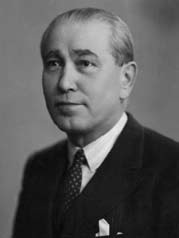
Ali Fethi Okyar (29 April 1880 – 7 May 1943) was a Turkish diplomat and politician, who also served as a military officer and diplomat during the last decade of the Ottoman Empire. He was also the second Prime Minister of Turkey (1924–1925) and the second Speaker of the Turkish Parliament after Mustafa Kemal Atatürk.
Ali Fethi (Okyar after 1934) was born in the Ottoman town of Prilep in Manastir Vilayet (present-day North Macedonia) to an Albanian family. His father was İsmail Hakkı Bey, a civil servant in the Ministry of Foreign Affairs who died when Ali Fethi was young. His uncle Müderris İbrahim Ethem Efendi, who was the Governor of Manastır at the time, helped to complete his education.
He attended the Monastir Military High School, where he was a friend of Mustafa Kemal (Atatürk), helping him with French and introducing him to French political thought. Politics began to interest him during this period, as he began reading Namık Kemal's works. Fethi entered the Military Academy with Kemal in 1898. There he befriended figures like Ali Fuat (Cebesoy), Şevket, Cafer Tayyar (Eğilmez), Kara Vasıf, and Mürsel. He went further into dangerous literature, reading books smuggled into the country by Committee of Union and Progress. He had the opportunity to read the works of Montesquieu, Voltaire, Rousseau, Mirebeau, and Robespierre. Tevfik Fikret's works were also among those read. With the impressions these works left on his own worlds; he joined in the discussions he had with his friends about exile, oppression, and freedom. After graduating from the Harbiye with the rank of "Infantry Lieutenant" in 1900, he continued his education in the War Institute, graduating top of his class in 1903.
In 1904, Fethi began his duty as a staff captain in the Third Army in Salonika in the 13th Cavalry Regiment. During his internship training he came face to face with Bulgarian, Serbian, and Greek chetas and committee units. He was promoted to the rank of Kolağası in 1906. On 30 April 1906 he was appointed as an assistant course supervisor at the Edirne War School, despite his wishes. He was soon appointed to Third Army's Mahçova (Metsovo) Greek Border Zone Command in August 1906. On 1 March 1907 he was appointed to the Salonika Eastern Railway Line Inspectorate.
While on the staff of the Third Army Marshal İbrahim Pasha, he played an important role in the clashes with Greek committee bands, which became more active after the Reval meeting between King Edward VII and Tsar Nicholas II, and in Strebne.[where?] Upon the suggestion of Rumelia Inspector Hüseyin Hilmi Pasha, he was appointed as the commander of the Salonika Gendarmerie Officer's School on 21 March 1908 and promoted to the rank of "Major".
In 1907, he was indicted into the Committee of Union and Progress by one of the members of the General Staff, Major İsmail Hakkı. Hakkı advised him to go to Manastir (Bitola) and asked him to meet İsmail Enver Bey, where he was initiated with Enver's guidance. He returned to Kesriye (Kastoria) opened a CUP cell there. He quickly became an important member, becoming a member of the Salonika central committee with İsmail Canbulat, Mithat Şükrü, Topçu Rasim, and Hamdi. During this period of military service, he also worked to induct new members for the CUP. When Mustafa Kemal was assigned to the Third Army in Selanik in October 1907, Fethi made sure to induct him into the committee, and also for Mustafa İsmet (İnönü). As membership in the committee increased, new branches cells were formed, many of which were administered by him. After Paris and Salonika became the two centers of the CUP, it was Fethi that handled communication between Salonika and other branches.
Following the Reval meetings between King Edward VII and Tsar Nicholas II, on June 25, 1908, Ali Fethi Bey and the leading figures of the CUP gathered at the house of Manyasizade Refik Bey, the chief of the Salonika branch, to discuss a response. These events initiated the beginning of the Young Turk Revolution. It was decided that the Unionists should rise in revolt and that if necessary, the incoming Hamidian agents, principally Şemsi Pasha, must be killed. On 3 July, 1908, a group of 150 people, including Reşneli Ahmed Niyazi began an uprising from which many Rumelian cities joined in revolution. After demonstrations in places like Salonika, Serres, İştip, Priştina in support of the constitution Ali Fethi and the leading Unionists again gathered at Manyasizade Refik's house. Atıf Kamçıl advocated for assassinating Şemsi Pasha and personally executed the plan. Şemsi was shot dead by Lieutenant Atıf at the entrance of the Manastır Post Office on 7 July. On the night of 22–23 July, another Unionist meeting was held at Manyasizade Refik's house. It was decided per Mehmet Talât's suggestion that they should prepare a declaration of constitutional monarchy. Talât asked Fethi to write the declaration himself, and this proposal was also accepted in another vote. While the meeting continued, Ali Fethi wrote the declaration in another room.
He was appointed the Paris Military Attaché by the Minister of War Mahmut Şevket Pasha on 12 January 1909, but took up his post in March, serving until 1911. During his duty he returned to Salonika to participate in the Action Army. Returning from Istanbul, he accompanied Abdul Hamid II to his house arrest in Salonika, serving as a guard at the Villa Allatini for more than three months.
Fethi Okyar
Ali Fethi Okyar (29 April 1880 – 7 May 1943) was a Turkish diplomat and politician, who also served as a military officer and diplomat during the last decade of the Ottoman Empire. He was also the second Prime Minister of Turkey (1924–1925) and the second Speaker of the Turkish Parliament after Mustafa Kemal Atatürk.
Ali Fethi (Okyar after 1934) was born in the Ottoman town of Prilep in Manastir Vilayet (present-day North Macedonia) to an Albanian family. His father was İsmail Hakkı Bey, a civil servant in the Ministry of Foreign Affairs who died when Ali Fethi was young. His uncle Müderris İbrahim Ethem Efendi, who was the Governor of Manastır at the time, helped to complete his education.
He attended the Monastir Military High School, where he was a friend of Mustafa Kemal (Atatürk), helping him with French and introducing him to French political thought. Politics began to interest him during this period, as he began reading Namık Kemal's works. Fethi entered the Military Academy with Kemal in 1898. There he befriended figures like Ali Fuat (Cebesoy), Şevket, Cafer Tayyar (Eğilmez), Kara Vasıf, and Mürsel. He went further into dangerous literature, reading books smuggled into the country by Committee of Union and Progress. He had the opportunity to read the works of Montesquieu, Voltaire, Rousseau, Mirebeau, and Robespierre. Tevfik Fikret's works were also among those read. With the impressions these works left on his own worlds; he joined in the discussions he had with his friends about exile, oppression, and freedom. After graduating from the Harbiye with the rank of "Infantry Lieutenant" in 1900, he continued his education in the War Institute, graduating top of his class in 1903.
In 1904, Fethi began his duty as a staff captain in the Third Army in Salonika in the 13th Cavalry Regiment. During his internship training he came face to face with Bulgarian, Serbian, and Greek chetas and committee units. He was promoted to the rank of Kolağası in 1906. On 30 April 1906 he was appointed as an assistant course supervisor at the Edirne War School, despite his wishes. He was soon appointed to Third Army's Mahçova (Metsovo) Greek Border Zone Command in August 1906. On 1 March 1907 he was appointed to the Salonika Eastern Railway Line Inspectorate.
While on the staff of the Third Army Marshal İbrahim Pasha, he played an important role in the clashes with Greek committee bands, which became more active after the Reval meeting between King Edward VII and Tsar Nicholas II, and in Strebne.[where?] Upon the suggestion of Rumelia Inspector Hüseyin Hilmi Pasha, he was appointed as the commander of the Salonika Gendarmerie Officer's School on 21 March 1908 and promoted to the rank of "Major".
In 1907, he was indicted into the Committee of Union and Progress by one of the members of the General Staff, Major İsmail Hakkı. Hakkı advised him to go to Manastir (Bitola) and asked him to meet İsmail Enver Bey, where he was initiated with Enver's guidance. He returned to Kesriye (Kastoria) opened a CUP cell there. He quickly became an important member, becoming a member of the Salonika central committee with İsmail Canbulat, Mithat Şükrü, Topçu Rasim, and Hamdi. During this period of military service, he also worked to induct new members for the CUP. When Mustafa Kemal was assigned to the Third Army in Selanik in October 1907, Fethi made sure to induct him into the committee, and also for Mustafa İsmet (İnönü). As membership in the committee increased, new branches cells were formed, many of which were administered by him. After Paris and Salonika became the two centers of the CUP, it was Fethi that handled communication between Salonika and other branches.
Following the Reval meetings between King Edward VII and Tsar Nicholas II, on June 25, 1908, Ali Fethi Bey and the leading figures of the CUP gathered at the house of Manyasizade Refik Bey, the chief of the Salonika branch, to discuss a response. These events initiated the beginning of the Young Turk Revolution. It was decided that the Unionists should rise in revolt and that if necessary, the incoming Hamidian agents, principally Şemsi Pasha, must be killed. On 3 July, 1908, a group of 150 people, including Reşneli Ahmed Niyazi began an uprising from which many Rumelian cities joined in revolution. After demonstrations in places like Salonika, Serres, İştip, Priştina in support of the constitution Ali Fethi and the leading Unionists again gathered at Manyasizade Refik's house. Atıf Kamçıl advocated for assassinating Şemsi Pasha and personally executed the plan. Şemsi was shot dead by Lieutenant Atıf at the entrance of the Manastır Post Office on 7 July. On the night of 22–23 July, another Unionist meeting was held at Manyasizade Refik's house. It was decided per Mehmet Talât's suggestion that they should prepare a declaration of constitutional monarchy. Talât asked Fethi to write the declaration himself, and this proposal was also accepted in another vote. While the meeting continued, Ali Fethi wrote the declaration in another room.
He was appointed the Paris Military Attaché by the Minister of War Mahmut Şevket Pasha on 12 January 1909, but took up his post in March, serving until 1911. During his duty he returned to Salonika to participate in the Action Army. Returning from Istanbul, he accompanied Abdul Hamid II to his house arrest in Salonika, serving as a guard at the Villa Allatini for more than three months.
Recent media
Recent media