Hubbry Logo
FiretrapFiretrapMain
Open search
Firetrap
Community hub
Firetrap
logo
8 pages, 0 posts
0 subscribers
Be the first to start a discussion here.
Firetrap
Firetrap
from Wikipedia
Firetrap
Product typeClothing
OwnerFrasers Group
CountryUnited Kingdom
Introduced1993 (1993)
MarketsTextile, retail
Websitefiretrap.com

Firetrap is a British clothing company, founded in 1993,[1] specialising in menswear and accessories. It was the main brand within the WDT company (World Design and Trade), which also owned its sister brand Full Circle along with previous brands SC51 and Sonnetti.

Firetrap grew in international markets from 2006 to 2008, under the leadership of MD John Gorman, before being sold to Sports Direct International.[citation needed]

Now owned by Frasers Group (the retail company founded by Mike Ashley), Firetrap had taken part of the Sports Direct group of global brands such as Slazenger, Gelert and Kangol, among others.[2]

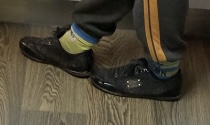
Firetrap trainers, as sold in the UK, with trademark chrome logo on the side

References

[edit]
[edit]
Revisions and contributorsEdit on WikipediaRead on Wikipedia
from Grokipedia
Firetrap is a British founded in 1993, renowned for its edgy, urban denim collections designed in by British designers. Specializing in contemporary menswear, womenswear, and kids' apparel, Firetrap offers a wide range of products including , jackets, t-shirts, hoodies, such as boots and , and accessories like sunglasses and belts, all inspired by the vibrant energy of life. The brand emphasizes subversive and innovative styles, featuring seasonal lines like skinny , bootcut fits, leather jackets, and knitwear that blend comfort with a bold aesthetic. Firetrap has gained recognition for its appeal to urban lifestyles, with notable wearers including musicians , members of , and , as well as presenter . Available through major retailers like Sports Direct and its official online store, the brand continues to evolve with modern collections that celebrate individuality and street-savvy fashion.

History

Founding and Early Development

Firetrap was launched in 1993 by World Design and Trade (WDT), a London-based company established in 1981 by entrepreneur Asbed Momdjian, following its conception in 1991. It positioned the brand as an edgy, urban menswear label deeply inspired by London's vibrant street culture and the rebellious spirit of rock 'n' roll. The initial vision emphasized anti-establishment aesthetics, targeting young consumers who sought to defy conventional fashion norms through bold, unconventional styles that captured the essence of urban rebellion and individuality. This foundation reflected the era's cultural undercurrents, where Firetrap aimed to embody the subversive wit and nightlife energy of the city. From its inception, Firetrap concentrated on core menswear staples such as jeans, jackets, and accessories, designed to appeal to a demographic of unconventional rejecting mainstream trends. The brand's early collections in the mid- highlighted distressed treatments and graphic prints that evoked a raw, rock-infused edge, setting it apart in the competitive 1990s fashion landscape. These products were initially distributed through concessions in major department stores like and , allowing Firetrap to build visibility without immediate standalone retail commitments. In the late , Firetrap expanded its portfolio by launching sister brands under WDT, including Full Circle, which complemented the parent brand's urban focus with more expressive, designer-led offerings for a slightly older audience. Concurrently, the company established a dedicated design studio in , where British designers crafted collections that reinforced Firetrap's commitment to cutting-edge, culturally attuned menswear. These developments solidified the brand's early identity as a British innovator in street-inspired , paving the way for future growth while remaining rooted in its origins.

International Expansion

Firetrap underwent a phase of accelerated international growth starting in 2006, building on earlier efforts under Managing Director John Gorman, who joined in 2004 and departed in 2006. This period capitalized on the brand's domestic foundations, including the 2003 launch of its inaugural standalone retail store on London's Earlham Street, which established a template for future international outlets featuring immersive, urban-inspired retail experiences. Leadership focused on scaling wholesale distribution and physical presence abroad, capitalizing on Firetrap's core identity of rebellious to appeal to global youth markets. Key expansions targeted European markets, with the opening of a French showroom in 2006 and participation in the to strengthen ties in that region, followed by the 2008 launch of an showroom and partnership with retailer . Plans were also advanced for dedicated stores in and , while discussions with Middle Eastern franchise partners set the stage for entries like a store in by 2009, signaling ambitions beyond toward . Wholesale operations expanded significantly, supporting over 3,000 global accounts by 2007 and driving turnover from £46 million in 2006 to £55 million in 2007. To align with this outward push, Firetrap broadened its product portfolio, introducing a collection in 2006 to complement its denim-centric menswear and launching womenswear in 2007 under the guidance of newly appointed product director Sophie Clinch, formerly of and . These additions diversified the brand's appeal, enabling broader wholesale integrations with major retailers and enhancing its competitiveness in international concessions and standalone stores. Rooted in its early ethos of urban rebellion, this strategic evolution positioned Firetrap for sustained global relevance amid evolving consumer tastes. The growth trajectory faced headwinds from the 2008 global financial crisis, which dampened denim sales across markets as consumer spending tightened, particularly in premium and casual apparel segments. In the U.S., for instance, denim demand slowed in tandem with declining economic confidence, pressuring brands reliant on discretionary purchases like Firetrap's core offerings. Despite these pressures, the company's pre-crisis momentum in and emerging wholesale networks provided a buffer, though it prompted adaptations such as product diversification to mitigate sector-specific vulnerabilities.

Ownership Changes

In March 2012, Firetrap's parent company, World Design & Trade (WDT), entered administration, leading to the pre-pack sale of Firetrap's wholesale business, brands, and concessions to Sports Direct International for an undisclosed sum. This acquisition marked a significant shift for Firetrap, transitioning it from independent operations under WDT to integration within a major retail conglomerate, securing over 170 jobs while resulting in 51 redundancies. Following the purchase, Sports Direct streamlined Firetrap's operations by leveraging its extensive and distribution network, enabling broader market access for the brand. E-commerce capabilities were expanded through integration into Sports Direct's online platforms, with Firetrap products becoming available via sportsdirect.com and a dedicated firetrap.com site. Associated sub-brands like Full Circle were retained initially but later phased out as part of portfolio rationalization, focusing resources on core Firetrap offerings. In December 2019, Sports Direct International rebranded to plc, reflecting its evolution into a multifaceted retail entity encompassing sports, premium, and luxury segments. Under , Firetrap is positioned alongside established such as and within the group's diverse portfolio. As of November 2025, continues to manage Firetrap as part of its ongoing brand elevation strategy, emphasizing operational efficiencies and market positioning amid broader corporate expansions, with the brand remaining active in menswear, womenswear, and accessories sales. This includes alignment with the group's corporate responsibility framework, which addresses environmental impacts across product lines, though specific initiatives for Firetrap's production remain integrated into wider efforts like waste reduction and ethical sourcing.

Products and Design

Core Offerings

Firetrap specializes in casual and urban apparel, with its core offerings encompassing menswear, womenswear, kids' , , and accessories designed to capture a contemporary, street-inspired aesthetic. The brand's menswear line forms the foundation, featuring essential items such as , hoodies, t-shirts, shirts, and jackets crafted for everyday versatility and urban edge. Womenswear, which expanded the brand's portfolio to include dresses, tops, and bottoms, complements this with feminine interpretations of the same casual style, while kids' mirrors the adult ranges in scaled-down versions for younger wearers. options include boots and trainers suited for both casual and active lifestyles, and accessories such as belts and bags round out the collections with practical, branded accents. Central to Firetrap's identity is its emphasis on as the flagship material, particularly in and jackets, where traditional techniques like stonewashing and distressing are employed to create a worn-in, rebellious appearance that aligns with the brand's underground roots. These methods soften the fabric and impart a texture, enhancing the apparel's durability and appeal for urban environments. The brand releases seasonal collections that evolve this focus, blending it with contemporary trends to maintain relevance in casual . Firetrap targets a youthful, trendy demographic, offering affordable premium casual wear that balances quality and accessibility. Pricing reflects this positioning, with basic items like t-shirts starting around £25 and outerwear such as jackets reaching up to £130 as of November 2025, making the collections attainable for style-conscious consumers seeking elevated everyday essentials.

Signature Elements and Innovations

Firetrap's signature aesthetic is embodied by its iconic mascot, , introduced in 2004 as part of a groundbreaking campaign that positioned the character as the brand's international symbol of edgy, witty urban rebellion. This mischievous, often darkly humorous has appeared across advertising, in-store displays, and limited-edition collectibles, such as the "Deadly Sin" gnome figurines, reinforcing Firetrap's rock 'n' roll spirit and London-inspired attitude. In terms of design innovations, Firetrap pioneered unconventional fabric treatments early on, launching liquid and paper collections in to fuse casual durability with experimental textures, expanding beyond traditional menswear. The brand continued this hybrid approach with the 2016 Sports Luxe collection, which blended premium elements with athletic silhouettes for a versatile, elevated look. These developments highlight Firetrap's commitment to merging functionality with luxury finishes, as seen in subsequent lines like Deadly , featuring distressed washes and ghostly graphic prints for a darker, narrative-driven edge. The evolution of Firetrap's silhouettes reflects broader shifts in urban fashion while staying true to its core denim focus. In the 1990s, the brand favored baggy, relaxed fits that captured the era's rebellious , drawing inspiration from London's music scene and diverse cultural flavors. By the 2010s, designs transitioned to slimmer, more tailored cuts, incorporating bold graphic prints influenced by and contemporary music, creating a modern, adaptable aesthetic that appeals to a global audience. This progression underscores Firetrap's adaptability, maintaining an urban edge without losing its foundational emphasis on innovative craftsmanship.

Marketing and Brand Identity

Advertising Campaigns

Firetrap's advertising campaigns have consistently emphasized the brand's edgy, urban aesthetic, drawing on themes of and street culture to appeal to a youthful demographic. One of the earliest notable efforts was the "Deadly " campaign, which repositioned the brand around its core denim offerings through a three-phase print strategy in style publications, highlighting visuals and the "Deadly Denim, Twisted Thoughts." This initiative coincided with a revamp that introduced the cult icon "Deadly the Gnome" as a , tying into event promotions to reinforce Firetrap's status as a rebellious . The "Deadly Denim" theme evolved into a recurring motif, adapting to contemporary media landscapes. In , a horror-inspired launched with television and online ads featuring dark, narrative-driven scenarios of urban peril, aimed at reintroducing the brand to a new generation while returning to its heritage. By autumn/winter 2017 (AW17), the campaign extended this darker narrative with extended-cut videos showcasing rebellious styling, distributed across and the brand's site to evoke rock 'n' roll defiance. These efforts marked a shift from 1990s print dominance to integrated digital formats by the , incorporating video content and online tie-ins for broader reach. Other campaigns reinforced Firetrap's narrative of lifestyles through visual storytelling. The spring/summer 2010 collection ads, photographed by Derrick Santini, depicted gang-inspired urban groups in , emphasizing raw, street-level energy. Similarly, the SS16 campaign adopted explicit, surreal imagery to provoke and engage, aligning with the brand's provocative identity. tactics included edgy, story-based executions that portrayed characters in defiant scenarios, often leveraging digital platforms for viral dissemination by the mid-2010s.

Cultural Influence and Collaborations

Firetrap has cultivated a significant presence within British youth culture, particularly through its alignment with urban and scenes. Drawing inspiration from London's diverse sounds and attitudes, the brand embodies a rock and roll spirit that has resonated with musicians and festival-goers since its inception. This connection is evident in its participation at events like the in 2011, where Firetrap promoted its collections amid the UK's vibrant music landscape. The brand's edgy aesthetic has appealed to figures in the alternative music world, including singer and DJ Jade Williams, known as Sunday Girl, who adopted and collaborated on Firetrap designs during the early . Key partnerships have amplified Firetrap's cultural footprint, blending fashion with artistic and musical elements. In 2011, Firetrap teamed up with Sunday Girl for a debut capsule collection featuring her prints and designs, launched at a event and showcased during . This collaboration highlighted the brand's ties to contemporary British music and , with Williams incorporating her fashion background into graphic tees and outerwear targeted at festival audiences. Earlier, in 2009, Firetrap joined forces with designer Ziad Ghanem and the Maiden Britain collective for a spring/summer 2010 line that repurposed recycled materials into , paying homage to London's underground ethos. These tie-ins extended to limited-edition merch for music events, reinforcing Firetrap's role in festival culture without direct label partnerships. Firetrap's innovations have influenced trends, notably through its promotion of distressed and "deadly" styles that captured an "edgy British" identity in the and beyond. The brand's Deadly campaigns, relaunched in the mid-2010s, emphasized darker, rebellious looks that echoed urban rock influences and gained traction in youth-oriented . This approach helped popularize rugged, individualistic within , distinguishing Firetrap as a staple for those rejecting mainstream conformity. The brand's cultural resonance has been recognized in prominent fashion media, underscoring its innovative targeting of young consumers. Features in highlighted collaborations like the Sunday Girl line as emblematic of Firetrap's fusion of music and style. While Marketing Week covered earlier rebranding efforts around 2004 that solidified its youth appeal. These mentions positioned Firetrap as a high-impact player in British fashion's urban evolution.

Retail and Operations

Distribution Channels

Firetrap's distribution strategy centers on a hybrid model that combines physical retail presence with wholesale networks and digital channels to reach a global audience. The brand has long emphasized concessions within department stores and sports retailers, including prominent examples like Sports Direct and USC, forming the core of its physical retail footprint. This approach allows Firetrap to leverage established high-traffic locations for targeted exposure to its urban denim demographic. In parallel, the company pursued standalone stores, opening its first in in 2003 and expanding to five standalone stores across the by 2009. This expansion peaked around 2010 before a contraction, including the closure of six stores in 2012 amid administration proceedings. Firetrap launched its capabilities on firetrap.com in November 2008, enabling sales and broadening accessibility beyond physical outlets. Following the 2012 acquisition by Sports Direct (rebranded as ), the online platform integrated with the group's ecosystem, enhancing logistics and customer reach through shared digital infrastructure. Wholesale partnerships constitute a significant channel, with Firetrap products distributed through over 1,500 retailers in more than 30 countries as of , prioritizing European markets for the majority of its volume. The brand has also pursued growth in emerging Asian regions as part of broader international efforts initiated around 2006. Supporting these channels, Firetrap operates from UK-based warehousing, facilitating global shipping with standard delivery times of 3-7 days and a focus on rapid to align with dynamics.

Current Status and Market Position

Firetrap operates as an active mid-tier brand within the portfolio, contributing to the retailer's overall operations in , casual apparel, and segments. Following the acquisition, Firetrap's standalone stores were closed, and the brand now operates primarily through wholesale, concessions in retailers, and . , which encompasses Firetrap alongside other labels like and [Jack Wills](/page/Jack Wills), generated £4.93 billion in revenue for the fiscal year ending April 2025, reflecting a 7.4% decline from the prior year amid portfolio optimizations and market challenges. In the competitive landscape of affordable urban casualwear, Firetrap maintains a niche positioning centered on edgy, London-designed , menswear, womenswear, and accessories that emphasize streetwise and contemporary . The brand is distributed primarily through online platforms and Frasers Group's retail networks, including Sports Direct and , where it appeals to consumers seeking accessible urban styles. Recent efforts by , under which Firetrap falls, include broader sustainability commitments such as waste reduction and environmental responsibility initiatives, though brand-specific details for Firetrap remain integrated into group-wide strategies. Digital sales channels have been a key focus, with Firetrap's platform supporting worldwide delivery and contributing to the group's emphasis on online growth post-pandemic. Looking ahead, Firetrap faces ongoing adaptation to the surge and shifting consumer preferences in casualwear, with potential opportunities in international expansion through Frasers Group's global footprint, including joint ventures in regions like .

References

Add your contribution
Related Hubs
User Avatar
No comments yet.