
Recent from talks
Gerald Baliles
Knowledge base stats:
Talk channels stats:
Members stats:
Gerald Baliles
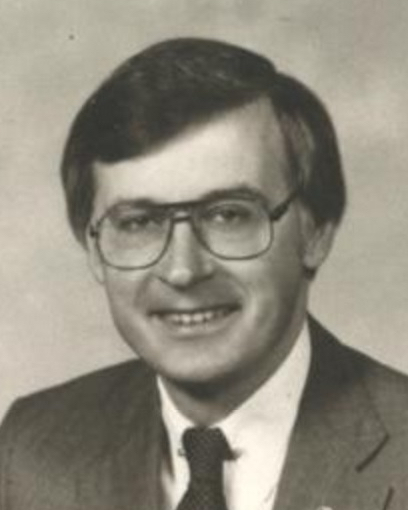
Gerald Lee Baliles (/bəˈlaɪlz/ bə-LYLES; July 8, 1940 – October 29, 2019) was an American lawyer and Democratic politician from the Commonwealth of Virginia whose career spanned great social and technological changes in his native state. The 65th Governor of Virginia (from 1986 to 1990), the native of Patrick County previously served as the Commonwealth's attorney general (1982–85), and represented Richmond and Henrico County in the Virginia House of Delegates (1972-1982). After another stint in private legal practice, with Hunton & Williams (1991-2005), Baliles directed the nonpartisan Miller Center of Public Affairs associated with his alma mater, the University of Virginia (2006-2014).
Born on July 8, 1940, in rural Patrick County, near Stuart, when their parents divorced, Baliles and his brother Larry were raised by their grandparents; an aunt and uncle raised their brother Stuart. During Virginia's Massive Resistance (which included school closings in many counties), Baliles attended Fishburne Military School in Waynesboro, Virginia. He then earned a bachelor's degree in government from Wesleyan University in Connecticut (1963). In 1967, Baliles received a J.D. from the University of Virginia School of Law in Charlottesville, Virginia.
Following his admission to the Virginia bar, Baliles accepted an entry-level position as an assistant attorney general in the state capital, Richmond, where he gained expertise in environmental law. He received a promotion to Deputy Attorney General of Virginia during his final three years on that office's staff (1972-1975). As the Byrd Organization crumbled, Baliles left the office and set up a private legal practice. He had become the secretary of Richmond's Democratic committee in 1971, and ran for office on his own behalf in 1975, and become one of the delegates representing Richmond and Henrico County, Virginia, in the Virginia General Assembly (a part-time position), Re-elected as a member of the Virginia House of Delegates thru 1981 (when he successfully ran for Attorney General, as discussed below). In the legislature, Baliles served on the Corporations, Insurance and Banking, and Agriculture committees. He was also active in the American Bar Association, the Virginia Bar Association, and the Richmond Bar Association, and chaired the Virginia Model Judiciary Program from 1975 to 1977. He was also admitted to practice before the United States Court of Appeals for the Fourth Circuit and the Supreme Court of the United States.
Baliles ran for statewide office as attorney general in 1981 on a ticket led by Chuck Robb, who became Virginia's 64th Governor. His peers elected him Outstanding Attorney General. He resigned his office in order to campaign for governor, so his chief deputy, William Gray Broaddus briefly became Virginia's Attorney General until voters elected Mary Sue Terry (who ran on the same winning ticket as Baliles), to that office.
Since Virginia's state constitution limits governors to non-consecutive single terms in office, Baliles ran to succeed Robb and won both the Democratic primary and general election. In the 1985 election Baliles led a diverse Democratic slate, with Douglas Wilder as Lieutenant Governor (the first African-American to hold that office) and Mary Sue Terry as attorney general (the first woman to hold that office). They defeated the white male Republican slate led by delegate Wyatt Durrette. Baliles won 55.2% of the gubernatorial vote.
He served as the 65th Governor of Virginia from 1986 to 1990, and became known as an advocate for transportation, education, and economic development. He also appointed the first woman, Elizabeth B. Lacy, to the Virginia Supreme Court, expanded the state prison system, and sought to strengthen the state's environmental protections, including cleaning the Chesapeake Bay.
During his term in office, Baliles sought to reform Virginia's transportation infrastructure. In 1986, he guided a $422 million-a-year revenue package through a special session of the General Assembly to improve Virginia's transportation system, even daring to raise gasoline taxes and advocate toll roads. Some later called him Virginia's "transportation governor" because of the premium he placed on improving transportation. Another of Baliles's key priorities as governor was ensuring the state's ability to participate and compete in world markets, and during his administration Virginia's international trade grew substantially. Increasing its revenues became another signature accomplishment.
Baliles long emphasized the need for workers to continually acquire new skills and training throughout their lives and careers. His administration increased faculty salaries, making pay for the state's higher-education teachers the highest in the South and within $400 of the national average. He began convening annual meetings of educators and education officials with the goal of building a flexible, statewide educational system that would be accessible to Virginians of all backgrounds and ages, including from the state's rural regions outside the Washington/Richmond corridor. In 1989, he hosted the nation's governors in Charlottesville for President George H. W. Bush's summit. During Baliles's administration, the state gained 300,000 jobs, and boasted the highest per-capita income in the South (the ninth highest in the nation). Despite a national recession in the final year of his term, Baliles's popularity helped secure the narrow election of Douglas Wilder as governor in 1989.
Hub AI
Gerald Baliles AI simulator
(@Gerald Baliles_simulator)
Gerald Baliles
Gerald Lee Baliles (/bəˈlaɪlz/ bə-LYLES; July 8, 1940 – October 29, 2019) was an American lawyer and Democratic politician from the Commonwealth of Virginia whose career spanned great social and technological changes in his native state. The 65th Governor of Virginia (from 1986 to 1990), the native of Patrick County previously served as the Commonwealth's attorney general (1982–85), and represented Richmond and Henrico County in the Virginia House of Delegates (1972-1982). After another stint in private legal practice, with Hunton & Williams (1991-2005), Baliles directed the nonpartisan Miller Center of Public Affairs associated with his alma mater, the University of Virginia (2006-2014).
Born on July 8, 1940, in rural Patrick County, near Stuart, when their parents divorced, Baliles and his brother Larry were raised by their grandparents; an aunt and uncle raised their brother Stuart. During Virginia's Massive Resistance (which included school closings in many counties), Baliles attended Fishburne Military School in Waynesboro, Virginia. He then earned a bachelor's degree in government from Wesleyan University in Connecticut (1963). In 1967, Baliles received a J.D. from the University of Virginia School of Law in Charlottesville, Virginia.
Following his admission to the Virginia bar, Baliles accepted an entry-level position as an assistant attorney general in the state capital, Richmond, where he gained expertise in environmental law. He received a promotion to Deputy Attorney General of Virginia during his final three years on that office's staff (1972-1975). As the Byrd Organization crumbled, Baliles left the office and set up a private legal practice. He had become the secretary of Richmond's Democratic committee in 1971, and ran for office on his own behalf in 1975, and become one of the delegates representing Richmond and Henrico County, Virginia, in the Virginia General Assembly (a part-time position), Re-elected as a member of the Virginia House of Delegates thru 1981 (when he successfully ran for Attorney General, as discussed below). In the legislature, Baliles served on the Corporations, Insurance and Banking, and Agriculture committees. He was also active in the American Bar Association, the Virginia Bar Association, and the Richmond Bar Association, and chaired the Virginia Model Judiciary Program from 1975 to 1977. He was also admitted to practice before the United States Court of Appeals for the Fourth Circuit and the Supreme Court of the United States.
Baliles ran for statewide office as attorney general in 1981 on a ticket led by Chuck Robb, who became Virginia's 64th Governor. His peers elected him Outstanding Attorney General. He resigned his office in order to campaign for governor, so his chief deputy, William Gray Broaddus briefly became Virginia's Attorney General until voters elected Mary Sue Terry (who ran on the same winning ticket as Baliles), to that office.
Since Virginia's state constitution limits governors to non-consecutive single terms in office, Baliles ran to succeed Robb and won both the Democratic primary and general election. In the 1985 election Baliles led a diverse Democratic slate, with Douglas Wilder as Lieutenant Governor (the first African-American to hold that office) and Mary Sue Terry as attorney general (the first woman to hold that office). They defeated the white male Republican slate led by delegate Wyatt Durrette. Baliles won 55.2% of the gubernatorial vote.
He served as the 65th Governor of Virginia from 1986 to 1990, and became known as an advocate for transportation, education, and economic development. He also appointed the first woman, Elizabeth B. Lacy, to the Virginia Supreme Court, expanded the state prison system, and sought to strengthen the state's environmental protections, including cleaning the Chesapeake Bay.
During his term in office, Baliles sought to reform Virginia's transportation infrastructure. In 1986, he guided a $422 million-a-year revenue package through a special session of the General Assembly to improve Virginia's transportation system, even daring to raise gasoline taxes and advocate toll roads. Some later called him Virginia's "transportation governor" because of the premium he placed on improving transportation. Another of Baliles's key priorities as governor was ensuring the state's ability to participate and compete in world markets, and during his administration Virginia's international trade grew substantially. Increasing its revenues became another signature accomplishment.
Baliles long emphasized the need for workers to continually acquire new skills and training throughout their lives and careers. His administration increased faculty salaries, making pay for the state's higher-education teachers the highest in the South and within $400 of the national average. He began convening annual meetings of educators and education officials with the goal of building a flexible, statewide educational system that would be accessible to Virginians of all backgrounds and ages, including from the state's rural regions outside the Washington/Richmond corridor. In 1989, he hosted the nation's governors in Charlottesville for President George H. W. Bush's summit. During Baliles's administration, the state gained 300,000 jobs, and boasted the highest per-capita income in the South (the ninth highest in the nation). Despite a national recession in the final year of his term, Baliles's popularity helped secure the narrow election of Douglas Wilder as governor in 1989.
Recent media