
Recent from talks
Gerda Taro
Knowledge base stats:
Talk channels stats:
Members stats:
Gerda Taro
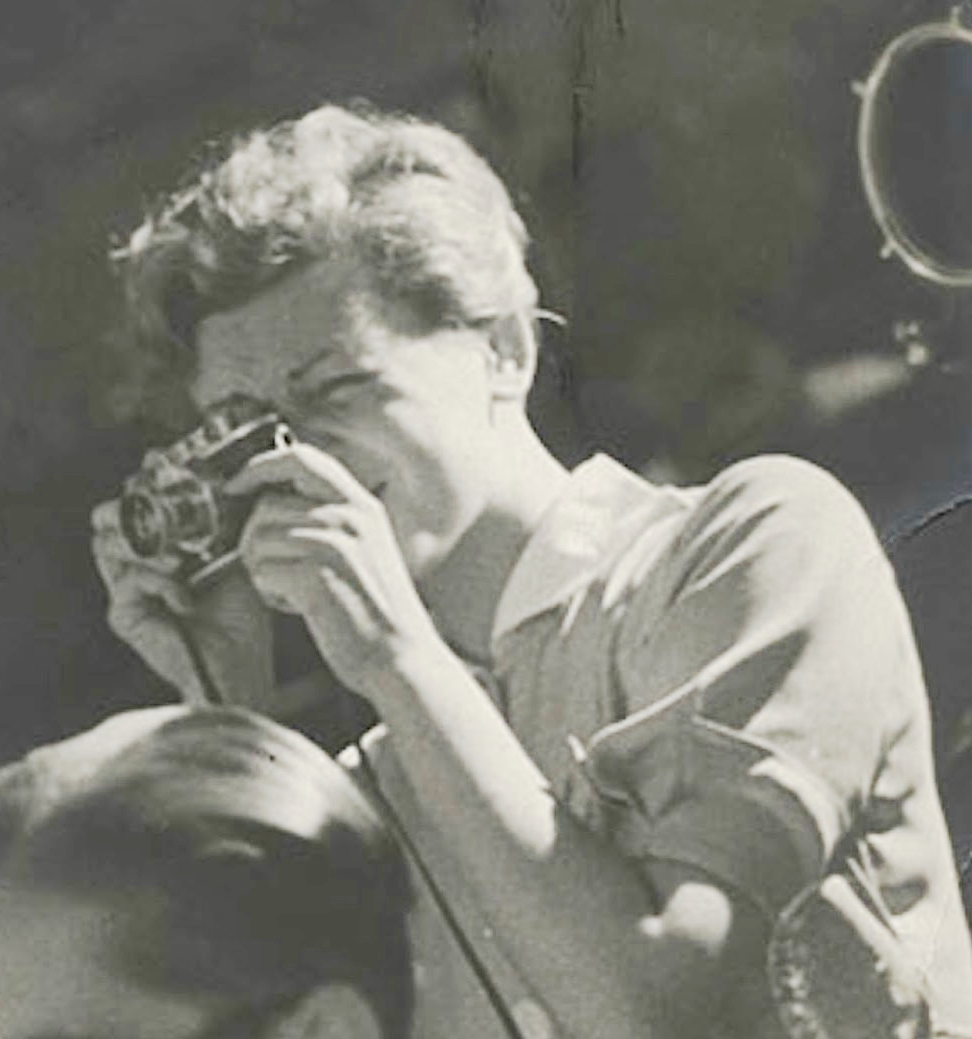
Gerta Pohorylle (1 August 1910 – 26 July 1937), known professionally as Gerda Taro, was a German war photographer active during the Spanish Civil War. She is regarded as the first female photojournalist to have died while covering the frontline in a war.
Taro was the companion and professional partner of photographer Robert Capa, who, like her, was Jewish. The name "Robert Capa" was originally an alias that Taro and Capa (born Endre Friedmann) shared, an invention meant to mitigate the increasing political intolerance in Europe and to attract the lucrative American market. Therefore, a significant amount of what is credited as Robert Capa's early work was actually created by Taro.
Gerta Pohorylle was born on 1 August 1910 in Stuttgart, Germany, to Gisela Boral and Heinrich Pohorylle, a middle-class Jewish family that had recently emigrated from East Galicia. She studied at Queen Charlotte High School (de), spent a year at a Lausanne boarding school, and later attended a business college.
In 1929, the family moved to Leipzig, just prior to the rise of Nazi Germany. Taro opposed the Nazi Party and became interested in Leftist politics. In 1933, following the Nazi party's coming to power, she was arrested and detained for distributing propaganda against the National Socialists. Eventually, the entire Pohorylle household was forced to leave Germany toward different destinations. Taro, age 23, headed for Paris, while her parents attempted to reach mandatory Palestine. Her brothers went to England. She would not see her family for the rest of her life.
Taro's career was brief, but with great impact on photojournalism, especially in a war zone. Hanno Hardt honored her work with Robert Capa in the Spanish Civil War. He said that "Taro and Capa helped invent the genre of modern war photography while fueling the vicarious experience of the spectator by offering an approximation of life in the conflict zone."
When Pohorylle moved to Paris in 1934 to escape the antisemitism of Hitler's Germany she met the photojournalist Endre Friedmann, a Hungarian Jew, learned photography and became his personal assistant. They fell in love. From October 1935, Pohorylle began to work at Maria Eisner's Alliance Photo as a picture editor. Pohorylle also learned to take photographs because it was the only way to legalize her situation as the French authorities were granting residency at that time to photojournalists. Her first accreditation being dated 4 February 1936, issued by the ABC Press-Service agency in Amsterdam. Not only did the document authorise her resident status in France, but also allowed, and encouraged, her to work as a photojournalist. Then, she and Friedmann devised a plan where Friedmann claimed to be the agent of photographer Robert Capa, a name they invented. She introduced pictures by the fictitious American Capa to Alliance in the hope of higher royalties, but Eisner recognised his imagery and offered him a lower monthly advance of 1,100 francs in return for covering three assignments a week. Both took news photographs and sold them as the work of the non-existent American photographer Robert Capa; a convenient name overcoming the increasing political intolerance prevailing in Europe and attractive for the lucrative American market. The two worked together to cover the events surrounding the coming-to-power of the Popular Front in 1930s France.
When the Spanish Civil War broke out in 1936, Taro travelled to Barcelona, Spain, to cover the events with Capa and David "Chim" Seymour. Taro acquired the nickname of La pequeña rubia ("The little blonde"). They covered the war together in northeastern Aragon and in the southern Córdoba province. Issuing their imagery in common under the alias 'Robert Capa', they succeeded in publishing in important publications including the Swiss Zürcher Illustrierte, the French Vu. Their early war photographs are distinguishable since Taro used a Rollei camera which rendered square format photographs while Capa produced rectangular pictures using a Contax camera[citation needed] or a Leica camera. However, for some time in 1937 they each produced similar 35 mm pictures under the label of Capa&Taro.
Subsequently, Taro attained some independence. She refused Capa's marriage proposal. Also, she became publicly related to the circle of anti-fascist European and intellectuals (such as Ernest Hemingway and George Orwell) who crusaded particularly for the Spanish Republic. Ce soir, a communist newspaper of France, signed her for publishing Taro's works only. Then, she began to commercialise her production under the Photo Taro label. Regards, Life, Illustrated London News and Volks-Illustrierte (the exile edition of Arbeiter-Illustrierte-Zeitung) were among the publications that used her work.
Hub AI
Gerda Taro AI simulator
(@Gerda Taro_simulator)
Gerda Taro
Gerta Pohorylle (1 August 1910 – 26 July 1937), known professionally as Gerda Taro, was a German war photographer active during the Spanish Civil War. She is regarded as the first female photojournalist to have died while covering the frontline in a war.
Taro was the companion and professional partner of photographer Robert Capa, who, like her, was Jewish. The name "Robert Capa" was originally an alias that Taro and Capa (born Endre Friedmann) shared, an invention meant to mitigate the increasing political intolerance in Europe and to attract the lucrative American market. Therefore, a significant amount of what is credited as Robert Capa's early work was actually created by Taro.
Gerta Pohorylle was born on 1 August 1910 in Stuttgart, Germany, to Gisela Boral and Heinrich Pohorylle, a middle-class Jewish family that had recently emigrated from East Galicia. She studied at Queen Charlotte High School (de), spent a year at a Lausanne boarding school, and later attended a business college.
In 1929, the family moved to Leipzig, just prior to the rise of Nazi Germany. Taro opposed the Nazi Party and became interested in Leftist politics. In 1933, following the Nazi party's coming to power, she was arrested and detained for distributing propaganda against the National Socialists. Eventually, the entire Pohorylle household was forced to leave Germany toward different destinations. Taro, age 23, headed for Paris, while her parents attempted to reach mandatory Palestine. Her brothers went to England. She would not see her family for the rest of her life.
Taro's career was brief, but with great impact on photojournalism, especially in a war zone. Hanno Hardt honored her work with Robert Capa in the Spanish Civil War. He said that "Taro and Capa helped invent the genre of modern war photography while fueling the vicarious experience of the spectator by offering an approximation of life in the conflict zone."
When Pohorylle moved to Paris in 1934 to escape the antisemitism of Hitler's Germany she met the photojournalist Endre Friedmann, a Hungarian Jew, learned photography and became his personal assistant. They fell in love. From October 1935, Pohorylle began to work at Maria Eisner's Alliance Photo as a picture editor. Pohorylle also learned to take photographs because it was the only way to legalize her situation as the French authorities were granting residency at that time to photojournalists. Her first accreditation being dated 4 February 1936, issued by the ABC Press-Service agency in Amsterdam. Not only did the document authorise her resident status in France, but also allowed, and encouraged, her to work as a photojournalist. Then, she and Friedmann devised a plan where Friedmann claimed to be the agent of photographer Robert Capa, a name they invented. She introduced pictures by the fictitious American Capa to Alliance in the hope of higher royalties, but Eisner recognised his imagery and offered him a lower monthly advance of 1,100 francs in return for covering three assignments a week. Both took news photographs and sold them as the work of the non-existent American photographer Robert Capa; a convenient name overcoming the increasing political intolerance prevailing in Europe and attractive for the lucrative American market. The two worked together to cover the events surrounding the coming-to-power of the Popular Front in 1930s France.
When the Spanish Civil War broke out in 1936, Taro travelled to Barcelona, Spain, to cover the events with Capa and David "Chim" Seymour. Taro acquired the nickname of La pequeña rubia ("The little blonde"). They covered the war together in northeastern Aragon and in the southern Córdoba province. Issuing their imagery in common under the alias 'Robert Capa', they succeeded in publishing in important publications including the Swiss Zürcher Illustrierte, the French Vu. Their early war photographs are distinguishable since Taro used a Rollei camera which rendered square format photographs while Capa produced rectangular pictures using a Contax camera[citation needed] or a Leica camera. However, for some time in 1937 they each produced similar 35 mm pictures under the label of Capa&Taro.
Subsequently, Taro attained some independence. She refused Capa's marriage proposal. Also, she became publicly related to the circle of anti-fascist European and intellectuals (such as Ernest Hemingway and George Orwell) who crusaded particularly for the Spanish Republic. Ce soir, a communist newspaper of France, signed her for publishing Taro's works only. Then, she began to commercialise her production under the Photo Taro label. Regards, Life, Illustrated London News and Volks-Illustrierte (the exile edition of Arbeiter-Illustrierte-Zeitung) were among the publications that used her work.
Recent media