Hubbry Logo
GonadGonadMain
Open search
Gonad
Community hub
Gonad
logo
8 pages, 0 posts
0 subscribers
Be the first to start a discussion here.
Gonad
Gonad
from Wikipedia
Gonad
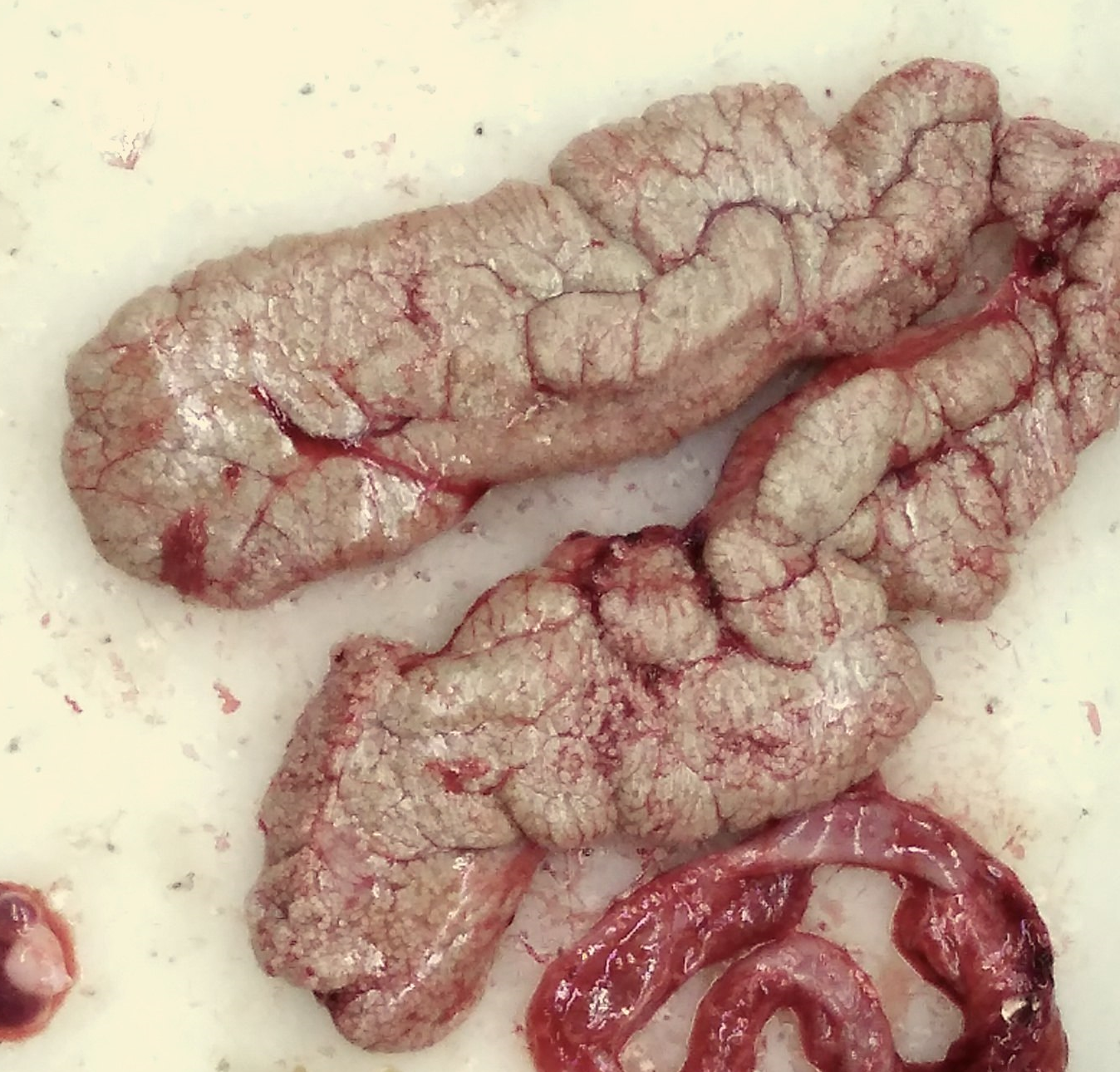
A pair of ovaries of Cyprinus carpio (common carp) placed in dissecting dish
Identifiers
MeSHD006066
FMA18250
Anatomical terminology

A gonad, sex gland, or reproductive gland[1] is a mixed gland and sex organ that produces the gametes and sex hormones of an organism. Female reproductive cells are egg cells, and male reproductive cells are sperm.[2] The male gonad, the testicle, produces sperm in the form of spermatozoa. The female gonad, the ovary, produces egg cells. Both of these gametes are haploid cells. Some hermaphroditic animals (and some humans— see Ovotesticular syndrome) have a type of gonad called an ovotestis.

Evolution

[edit]

It is hard to find a common origin for gonads, but gonads most likely evolved independently several times.[3]

Regulation

[edit]

The gonads are controlled by luteinizing hormone (LH) and follicle-stimulating hormone (FSH), produced and secreted by gonadotropes or gonadotrophins in the anterior pituitary gland.[4] This secretion is regulated by gonadotropin-releasing hormone (GnRH) produced in the hypothalamus.[5][6]

Development

[edit]

The gonads develop from three sources; the mesothelium, underlying mesenchyme and the primordial germ cells. Gonads start developing as a common primordium (an organ in the earliest stage of development), in the form of genital ridges,[7] at the sixth week, which are only later differentiated to male or female sex organs (except when they are not differentiated). The presence of the SRY gene,[8] located on the short arm of the Y chromosome and encoding the testis determining factor, usually determines male sexual differentiation. In the absence of the SRY gene from the Y chromosome, usually the female sex (ovaries instead of testes) will develop. The development of the gonads is a part of the development of the urinary and reproductive organs.[citation needed]

Disease

[edit]

The gonads are subject to many diseases, such as hypergonadism, hypogonadism, agonadism, tumors, and cancer, among others.[citation needed]

Aging

[edit]

Ovarian aging

[edit]

A delay in having children is common in the developed world and this delay is often associated with ovarian female infertility and subfertility. Ovarian aging is characterized by progressive decline of the quality and number of oocytes.[9] This decline is likely due, in part, to reduced expression of genes that encode proteins necessary for DNA repair and meiosis.[10][11] Such reduced expression can lead to increased DNA damage and errors in meiotic recombination.[9]

Testicular aging

[edit]

The testes of older men often have sperm abnormalities that can ultimately lead to male infertility.[12] These abnormalities include accumulation of DNA damage and decreased DNA repair ability.[12] During spermatogenesis in the testis, spontaneous new mutations arise and tend to accumulate with age.[13]

See also

[edit]

References

[edit]
Revisions and contributorsEdit on WikipediaRead on Wikipedia
from Grokipedia
A gonad is a primary reproductive organ in that produces gametes and secretes hormones, such as the testes in males and the ovaries in females. These organs are essential for and , with the testes located in the and producing and androgens such as testosterone, while the ovaries are situated in the and generate ova along with estrogens and progesterone. Gonads also function as endocrine glands, regulating secondary and the reproductive cycle through hormonal output. In embryonic development, gonads originate as bipotential structures around the fifth week of in humans, initially undifferentiated and capable of developing into either testes or ovaries depending on genetic and environmental cues. The presence of the SRY gene on the typically directs male differentiation by promoting testicular formation, whereas its absence leads to ovarian development, a process involving complex interactions among germ cells, supporting cells, and steroidogenic pathways. Disruptions in this differentiation can result in , such as ovotestes or , highlighting the gonads' critical role in establishing sexual identity. Beyond reproduction, gonads influence overall physiology by maintaining hormonal balance, with testosterone supporting muscle mass and bone density in males, and ovarian hormones facilitating menstrual cycles and pregnancy in females. In various species, including mammals, gonadal function is tightly regulated by the hypothalamic-pituitary-gonadal axis, ensuring coordinated gametogenesis and hormone production throughout life. Research continues to explore gonadal morphogenesis and molecular mechanisms, underscoring their evolutionary conservation across vertebrates.

Definition and Basic Anatomy

General Structure

The gonad is the primary reproductive organ responsible for producing gametes—such as ova in females or in males—and secreting sex hormones, thereby serving both exocrine and endocrine functions. These organs develop from the and are essential for and steroidogenesis across vertebrates. Histologically, gonads comprise three main components: germ cells, which include oogonia in ovarian tissue and spermatogonia in testicular tissue and serve as precursors to mature gametes; supporting cells, such as granulosa cells surrounding oocytes or Sertoli cells enclosing spermatogenic cells; and stromal tissue, consisting of connective elements like theca or interstitial cells that provide structural framework and contribute to hormone production. These elements form a bipotential structure during early development, capable of differentiating into either ovarian or testicular forms. In vertebrates, gonads are typically paired structures located in the gonadal ridge, a longitudinal thickening of the coelomic medial to the mesonephric and ventral to the developing in the . This positioning facilitates their interaction with the urogenital system. The vascular supply to gonads is shared and arises from the via the paired gonadal arteries, which branch directly to perfuse the ovarian or testicular , while venous drainage occurs through corresponding gonadal veins that converge with the or renal veins. Nervous innervation is predominantly autonomic, with sympathetic and parasympathetic fibers traveling alongside the gonadal vessels to regulate blood flow and local functions, without significant somatic input. In certain species, gonads exhibit , containing both ovarian and testicular components; this can be simultaneous, where both gamete types are produced concurrently as in the worm Ophryotrocha diadema, or sequential, involving a sex change over the lifespan as seen in some and gastropods like the slipper shell . Such configurations enhance reproductive flexibility in but are rare in vertebrates.

Ovaries

The ovaries are paired, almond-shaped organs, each measuring approximately 3 × 1.5 × 1 cm in mature women, located in the within the on either side of the . They are intraperitoneal structures suspended from the posterior surface of the broad ligament by the , a peritoneal fold that also conveys blood vessels, lymphatics, and nerves to the organ. This positioning allows the ovaries to function as both reproductive and endocrine glands, primarily supporting through follicular development. Microscopically, the ovary consists of an outer cortex and inner medulla, with the cortex housing the ovarian follicles at various stages of maturation. Follicles progress from primordial stages, where a single oocyte is enveloped by a single layer of flattened granulosa cells, to primary follicles featuring cuboidal granulosa cells and a developing , secondary follicles with multiple granulosa layers and emerging cells, and finally mature Graafian follicles characterized by an antrum filled with follicular fluid. Following ovulation, the ruptured Graafian follicle transforms into the , a temporary endocrine structure composed of luteinized granulosa and cells that supports early if fertilization occurs. Key cellular components include the , which are the female germ cells arrested in of I until ; granulosa cells, which surround the oocyte and facilitate nutrient exchange and production; and cells, divided into an inner vascularized theca interna layer responsible for synthesis and an outer fibrous theca externa providing . cells, derived from theca and stromal elements, contribute to the medullary and steroidogenesis. The blood supply arises from the ovarian arteries, direct branches of the that enter via the infundibulopelvic , supplemented by anastomoses with the uterine arteries through the ovarian branch, ensuring robust perfusion for follicular growth and secretion. In humans, the ovaries contain approximately 1–2 million primordial follicles (total for both ovaries) at birth, representing the fixed , though only about 400 will mature and ovulate over a woman's reproductive lifetime, highlighting the extensive that occurs. The ovaries produce estrogens primarily from granulosa and cells within developing follicles, essential for secondary characteristics and reproductive cyclicity.

Testes

The testes, or testicles, are paired ovoid organs located within the , each typically measuring approximately 5 cm in length, 3 cm in height, and 2 cm in breadth. They are enclosed by a dense fibrous capsule known as the tunica albuginea, which extends inward as septa to divide the organ into 200–300 lobules. This macroscopic organization supports the dual functions of production and synthesis in the . Microscopically, the testes feature numerous highly coiled seminiferous tubules, with 1 to 4 per lobule, that constitute about 80–90% of the organ's volume and serve as the primary site for . These tubules are embedded in interstitial containing clusters of Leydig cells, which are responsible for production, while the tubules converge at their blind ends into a network called the for transport. Surrounding the tubules is a reinforced by peritubular myoid cells. The cellular components of the testes include the spermatogenic lineage within the seminiferous , progressing from spermatogonia (stem cells) through spermatocytes, spermatids, to mature spermatozoa. Sertoli cells, tall columnar cells lining the tubules, provide structural support, nourishment, and a blood-testis barrier to developing germ cells. Peritubular myoid cells, contractile cells around the tubule , aid in fluid transport and structural integrity. The blood supply to the testes arises from the testicular arteries, branches of the , which enter via the and form a network within the tissue and tubules. Venous drainage occurs through the testicular veins, which intertwine with the arteries to form the , a countercurrent that cools by 2–4°C before it reaches the testicular , essential for maintaining the optimal temperature of 34–35°C for —about 2–3°C below core body temperature. In adult humans, each testis produces approximately 100 million spermatozoa per day through continuous , contributing to a total ejaculate of 150–200 million . If the testes fail to descend into the by birth, a condition known as occurs, elevating the risk of by impairing due to elevated intra-abdominal temperatures and increasing the likelihood of by 5–10 times compared to descended testes.

Development and Differentiation

Embryonic Origins

The gonads originate from the during early , forming as paired longitudinal ridges known as the genital or gonadal ridges around the 5th week of . At this indifferent stage, the gonads are bipotential structures, consisting of a thin outer cortical layer of coelomic and an inner medullary region of , with no morphological distinction between male and female pathways. This stage persists until genetic signals initiate sex-specific differentiation, allowing the same primordial tissue to develop into either testes or ovaries. Primordial germ cells (PGCs), the progenitors of and oocytes, play a crucial role in gonad formation by migrating to the gonadal ridges. These cells first appear in the during the 3rd week of and actively migrate through the hindgut and dorsal to reach the gonadal ridges by weeks 5 to 6. Upon arrival, the PGCs integrate with the somatic cells of the ridges, proliferating and contributing to the cellular composition of the developing gonad. Sex determination begins around week 6, driven primarily by genetic triggers in the somatic cells of the gonadal ridge. In XY embryos, transient expression of the SRY gene on the activates a cascade that promotes testis differentiation, leading to the upregulation of genes like in pre-Sertoli cells. Conversely, in XX embryos lacking SRY, the absence of this trigger allows the default ovarian pathway to proceed, with activation of genes such as WNT4 and RSPO1 supporting cortical development. These molecular events reorganize the indifferent gonad: in testes, medullary elongate and surround PGCs to form primitive seminiferous tubules, while the cortex regresses; in ovaries, the medullary cords largely degenerate, and secondary cortical develop to enclose PGCs as oogonia. By weeks 7 to 8 of , gonadal differentiation is well advanced, marking the transition from indifferent to sex-specific structures. In males, differentiating Sertoli cells begin secreting (AMH) around week 7, which binds to receptors on the Müllerian ducts and triggers their regression by week 9, preventing the formation of female internal reproductive structures. This timeline ensures the establishment of distinct gonadal identities, setting the foundation for subsequent reproductive tract development.

Sexual Maturation

Sexual maturation of the gonads is initiated during through the reactivation of the hypothalamic-pituitary-gonadal (HPG) axis, driven by a surge in pulsatile (GnRH) secretion from hypothalamic neurons. This GnRH pulse frequency increases, stimulating the to release (LH) and (FSH), which directly target the gonads to promote steroidogenesis and production. The process, known as , follows —the earlier activation of adrenal production around ages 6-8—which precedes gonadal maturation by 1-2 years but does not directly trigger it. In females, maturation resumes postnatally with the recruitment of primordial follicles under FSH stimulation, leading to their growth into primary and secondary follicles within the ovaries. This culminates in the first , typically occurring around 12-13 years of age, approximately 6-9 months after , marking the onset of cyclic reproductive capability. Structural changes accompany this, including proliferation of ovarian follicles and an increase in ovarian volume from about 0.5-2 ml in the prepubertal state to 4-11 ml by late , supporting production and secondary sexual characteristics. In males, spermatogenesis initiation involves FSH-driven proliferation of spermatogonial stem cells in the seminiferous tubules, combined with LH-stimulated testosterone production from Leydig cells to support meiotic progression and spermiogenesis. The first sperm production, or spermarche, occurs at a median age of 13.4 years (range 11.7-15.3 years), with full fertility generally achieved by late teens as sperm quality and quantity mature. Testicular volume expands significantly from 1-3 ml prepubertally to 15-25 ml by adulthood, primarily due to seminiferous tubule growth and germ cell expansion. Pubertal timing exhibits variations across populations, influenced by genetic, nutritional, and environmental factors; for instance, African American girls reach about 0.5-1 year earlier than White girls, while Asian subgroups show differences of up to 14 months in onset.

Physiological Regulation

Hormonal Mechanisms

The hypothalamic-pituitary-gonadal (HPG) axis serves as the central endocrine pathway regulating gonadal function in adults, where (GnRH) is secreted in pulsatile bursts from hypothalamic neurons, stimulating the to release (FSH) and (LH). These gonadotropins then act on the gonads to promote steroidogenesis and , with the pulsatile nature of GnRH release ensuring rhythmic production; disruptions in pulse frequency can alter FSH/LH secretion and gonadal output. In males, this pulsatility results in episodic testosterone secretion, typically occurring every 1-3 hours, which maintains steady-state levels while allowing dynamic responses to physiological needs. Gonadal hormones, including estrogens and progesterone from the ovaries and testosterone from the testes, exert on the HPG axis to fine-tune gonadotropin release, while inhibins and activins provide additional modulation. Inhibins, produced by granulosa cells in ovaries and Sertoli cells in testes, selectively suppress FSH secretion at the pituitary level, preventing overstimulation of development. Conversely, activins, also derived from gonadal cells, enhance FSH synthesis and release, promoting follicular growth in females and in males. Estrogens and progesterone further inhibit GnRH pulses and LH/FSH via hypothalamic and pituitary receptors, stabilizing reproductive cycles. At the cellular level, LH binds to receptors on theca cells in ovaries and Leydig cells in testes, triggering synthesis as precursors for production or direct testosterone output, respectively. FSH, acting on granulosa cells in ovaries and Sertoli cells in testes, supports maturation by inducing expression for conversion and providing nutritional factors like -binding protein for spermatids. This two-cell collaboration ensures coordinated and production. Steroidogenesis begins with the transport of into mitochondrial inner membranes via the steroidogenic acute regulatory () protein, catalyzed by side-chain cleavage enzyme (CYP11A1) to form , the precursor for all gonadal steroids. is then converted through enzymatic steps—primarily , 17α-hydroxylase/17,20-lyase (), and (CYP19A1)—to androgens like testosterone in Leydig/ cells or estrogens in granulosa cells, with progesterone intermediates supporting luteal function. In females, these mechanisms drive the menstrual cycle: during the follicular phase, rising FSH promotes granulosa cell proliferation and estrogen synthesis, culminating in an LH surge that triggers ovulation; the luteal phase features progesterone dominance from the corpus luteum, inhibiting further gonadotropins until regression.

Neural and Environmental Influences

The autonomic nervous system modulates gonadal function through sympathetic and parasympathetic innervation, influencing blood flow, smooth muscle contraction, and processes such as the ovulatory reflex. Sympathetic activation, via noradrenergic fibers from the superior cervical and celiac ganglia, constricts ovarian and testicular vasculature, reducing blood flow and potentially suppressing steroidogenesis during stress, while parasympathetic inputs from the vagus nerve promote vasodilation and follicular rupture in the ovary during the preovulatory surge. In polycystic ovary syndrome (PCOS), heightened sympathetic tone contributes to hyperandrogenism and disrupted ovulation by enhancing ovarian norepinephrine release, which inhibits follicular maturation. Sex hormones further interact with these pathways, altering autonomic outflow to fine-tune gonadal responsiveness. Central neural regulation of gonadal activity is mediated by neurons in the , which integrate stress and nutritional signals to control (GnRH) secretion and the hypothalamic-pituitary-gonadal (HPG) axis. Located primarily in the arcuate nucleus and , these neurons receive inputs from metabolic sensors like pro-opiomelanocortin and agouti-related peptide cells, suppressing expression during energy deficits to delay or inhibit . attenuates signaling through activation, reducing GnRH pulsatility and leading to , while nutritional cues such as glucose and insulin levels enhance neuronal excitability to support reproductive competence when energy stores are adequate. This integration ensures gonadal activity aligns with organismal , with serving as a pivotal node for environmental adaptation. Environmental cues profoundly influence gonadal function, particularly in seasonal breeders where photoperiod regulates reproductive cycles via secretion from the . Long-day breeders, such as sheep and , exhibit gonadal under extended daylight, stimulating hypothalamic GnRH and release to promote and , whereas short photoperiods induce regression through elevated suppressing expression. In contrast, short-day breeders like deer maintain activity during winter via similar mechanisms, highlighting photoperiod's role in synchronizing breeding with optimal resource availability. also critically affects gonadal , especially , which requires a scrotal environment 2–4°C below core body temperature; elevations as small as 1°C impair sperm production by disrupting function and inducing in germ cells, while scrotal cooling devices have been shown to improve in infertile men by mitigating heat stress. Nutritional status modulates gonadal activity through signaling, an that links energy balance to by acting on hypothalamic circuits. , secreted proportionally to fat mass, stimulates and GnRH neurons during energy surplus, enhancing secretion and gonadal steroidogenesis, but its deficiency in undernutrition suppresses these pathways, leading to amenorrhea or reduced as a protective mechanism against in . In leptin-resistant states like , dysregulated signaling paradoxically impairs development and testicular function despite high circulating levels, underscoring leptin's dose-dependent role in reproductive gating. Stress-induced exemplifies neural-environmental interplay, where elevated from hypothalamic-pituitary-adrenal axis activation inhibits GnRH pulsatility, disrupting follicular maturation and surges essential for . In women, chronic correlates with higher salivary and reduced ovulatory cycles, mediated by suppression of neurons, which can be reversed with stress reduction interventions. Phytoestrogens, plant-derived compounds like from soy, mimic by binding estrogen receptors, potentially altering gonadal steroidogenesis and ; high intake may extend estrus cycles or reduce in models, though effects vary by dose and timing.

Evolutionary Perspectives

In Invertebrates

Invertebrate gonads display remarkable diversity in structure and function, reflecting adaptations to varied reproductive strategies across phyla. Many mollusks, such as pulmonate snails, possess hermaphroditic ovotestes that simultaneously produce oocytes and spermatozoa within the same glandular tissue, enabling self-fertilization or cross-fertilization depending on environmental conditions. This combined gonad structure contrasts with the separate sex organs typical in arthropods, where insects like exhibit distinct ovaries in females—composed of multiple tubular ovarioles or lobes that independently develop eggs—and testes in males that produce sperm packets called spermatophores. These separate gonads facilitate gonochoristic , with ovarian lobes often suspended in a hemocoel for uptake during . Gametogenesis processes in invertebrate gonads are specialized to support these diverse anatomies. In fruit flies, occurs within egg chambers where 15 nurse cells surround and nourish a single , transferring cytoplasmic contents like mRNAs and proteins through ring canals before undergoing to fuel oocyte growth. in nematodes, exemplified by , unfolds in a specialized gonad arm, where undifferentiated germ cells progress through mitotic and meiotic divisions to form round spermatids that activate into motile, amoeboid spermatozoa via major sperm protein-based pseudopods. These mechanisms ensure efficient production tailored to the organism's lifecycle, with nurse cell support in highlighting communal resource sharing absent in vertebrate . Hormonal regulation of gonadal maturation in often relies on steroid-like molecules analogous to hormones but adapted to non-endocrine axes. In , —a molting derived from —promotes and development, while juvenile , a sesquiterpenoid, prevents premature and synchronizes gonadal growth with adult emergence by modulating in ovarian cells. These hormones interact via nuclear receptors to trigger yolk protein synthesis and maturation, differing from gonadotropins by their direct influence on somatic gonadal tissues rather than pituitary-mediated pathways. Environmental cues, including chemical signals, fine-tune gonadal function and reproductive timing in . In earthworms (Lumbricus spp.), pheromones released during behaviors facilitate partner location and alignment, indirectly synchronizing spawning by coordinating cocoon deposition in moist soils post-copulation. Notable adaptations include self-fertilization in C. elegans hermaphrodites, where the single-armed gonad produces ~300 sperm early in adulthood to fertilize subsequent oocytes internally, ensuring reproduction in isolation. Planarians (Schmidtea mediterranea) demonstrate extraordinary gonadal plasticity, regenerating entire ovaries and testes from neoblasts—pluripotent stem cells—within weeks after fragmentation, a process regulated by somatic signals like nanos to restore integrity. This regenerative capacity underscores the evolutionary flexibility of invertebrate gonads compared to the more constrained counterparts.

In Vertebrates

In vertebrates, gonads exhibit remarkable evolutionary conservation in their bipotential origins, arising from the as undifferentiated structures that later differentiate into ovaries or testes based on genetic and environmental signals. Among the most basal vertebrates, agnathans such as lampreys and display prolonged periods of gonadal undifferentiation, where the single elongated gonad remains histologically immature for years before asynchronous occurs, reflecting an ancestral condition without specialized . This contrasts with more derived groups, where reptiles often employ (TSD), particularly in species like alligators and turtles, in which incubation temperatures during a critical embryonic period dictate gonadal fate—low temperatures typically yielding females and high temperatures males—allowing adaptive responses to environmental variability without reliance on genetic sex determinants. Key evolutionary transitions in gonads are linked to reproductive innovations in amniotes, which emerged around 310 million years ago and adapted to terrestrial environments through facilitated by copulatory organs and shelled eggs. This shift from in amphibians reduced exposure to and predation, with gonadal structures evolving to support storage and timing in oviducts. In mammals, further modified gonadal function, where ovaries sustain prolonged embryo retention through specialized corpora lutea that secrete progesterone for uterine implantation, an adaptation that likely arose multiple times but became defining in therian mammals, enhancing offspring survival in variable habitats. Comparative gonadal structures across classes highlight both conservation and specialization; for instance, fish, comprising over half of all , feature ovaries and testes with pronounced seasonal cycles driven by photoperiod and temperature cues, where gonadal recrudescence peaks in spring for synchronized spawning in like . Birds, in contrast, typically retain only a functional left ovary in females due to embryonic regression of the right, an asymmetry that minimizes body mass for flight while supporting sequential from a hierarchical follicle system, as seen in chickens and raptors. Genetically, testis development is conserved via homologs of DMRT1 and across classes, where DMRT1 acts as a master regulator to recruit for differentiation in fish, reptiles, and mammals, ensuring male gonad morphogenesis despite diverse sex-determining triggers. Notable variations include environmental in fish, such as in the protogynous ricefield , where high temperatures suppress ovarian and induce differentiation, providing flexibility in population ratios. In mammals, the Y-chromosome SRY , which initiates testis formation by upregulating , emerged approximately 180 million years ago in the therian ancestor, marking a pivotal genetic innovation for XY determination that stabilized gonad development amid viviparity's demands.

Pathology and Disorders

Developmental Abnormalities

Developmental abnormalities of the gonads encompass a range of congenital and genetic disorders that disrupt normal gonadal formation and early function, collectively known as (DSD). These conditions arise during embryonic differentiation and can lead to atypical gonadal structures, impaired hormone production, or sterility. The overall incidence of DSD is approximately 1 in 4,500 to 5,500 live births, with variations depending on the specific subtype and population studied. Management of these disorders requires multidisciplinary approaches, including and ethical considerations to prioritize patient autonomy and long-term well-being. One prominent example is (CAIS), an X-linked recessive condition affecting individuals with a 46,XY karyotype due to inactivating mutations in the () gene on the . In CAIS, the gonads develop as testes, but the lack of response prevents typical male external genitalia formation, resulting in female-appearing external genitalia, absent and fallopian tubes, and undescended intra-abdominal testes. These individuals typically present with primary amenorrhea at , normal from peripheral of androgens to estrogens, and due to the absence of female reproductive structures. Diagnosis often occurs in and involves to confirm 46,XY, elevated testosterone levels with high , and for mutations. Turner syndrome, characterized by a 45,X (or mosaicism involving loss), leads to ovarian dysgenesis with streak gonads—fibrous, underdeveloped structures lacking functional follicles and germ cells. This chromosomal abnormality results from during , affecting approximately 1 in 2,000 to 2,500 live female births, and causes ovarian failure before or at birth, leading to . Clinically, affected individuals exhibit , , and primary amenorrhea, with stemming from germ cell aplasia in the streak gonads. Neonatal diagnosis may include karyotyping prompted by physical anomalies, alongside hormone assays showing low and elevated levels. is essential for induction and preservation. Genetic disruptions such as mutations in the SRY gene on the cause 46,XY complete (Swyer syndrome), where testicular development fails, resulting in streak gonads despite a . These mutations, occurring in about 10-15% of cases, impair the SRY protein's role in initiating testis differentiation from the bipotential gonad, leading to female external genitalia, a , and fallopian tubes, but with nonfunctional streak gonads and consequent from germ cell absence. Presentation often involves and amenorrhea, diagnosed via karyotyping, low , and absent testosterone response. The risk of gonadoblastoma in these dysgenetic gonads necessitates prophylactic gonadectomy. Congenital adrenal hyperplasia (CAH), particularly the deficiency form, impacts gonadal differentiation indirectly by causing excessive production in 46,XX individuals, leading to of external genitalia without altering ovarian formation. This autosomal recessive disorder, with an incidence of about 1 in 15,000 births, disrupts synthesis, elevating and precursors, which masculinize the genitalia during fetal development, resulting in ambiguous features like or . Ovaries remain histologically normal, but untreated excess androgens can cause and long-term risks from ovulatory dysfunction. Diagnosis in neonates relies on assays detecting elevated 17-hydroxyprogesterone, alongside karyotyping to confirm 46,XX, enabling early treatment to mitigate and salt-wasting crises. Common clinical manifestations across these DSD include ambiguous genitalia at birth, which may prompt immediate evaluation, and later due to aplasia or dysgenetic gonads incapable of production. Diagnostic approaches standardize with neonatal karyotyping to determine chromosomal , pelvic for internal structures, and hormone assays (e.g., testosterone, , and gonadotropins) to assess gonadal function. Ethical considerations in management emphasize deferring nonessential surgeries until the individual can provide , multidisciplinary care involving psychologists and ethicists, and avoiding stigmatizing language to support psychological health.

Neoplastic and Degenerative Conditions

Neoplastic conditions of the gonads primarily encompass cancers arising from ovarian and testicular tissues in adults. Ovarian epithelial tumors, the most common type of ovarian malignancy, include serous cystadenocarcinoma, a malignant serous cystic epithelial characterized by glandular, papillary, or solid structures often with psammoma bodies. These tumors typically present with nonspecific symptoms such as , abdominal , or masses, and are often diagnosed at advanced stages due to their insidious onset. Risk factors include germline mutations in (39–46%) or (10–27%) genes by age 70, which elevate lifetime risk. Treatment generally involves surgical followed by platinum-based , with targeted therapies like for BRCA-mutated cases; the overall 5-year relative survival rate is approximately 49%, though it reaches 92% for localized disease. Testicular germ cell tumors, accounting for over 90% of testicular malignancies, frequently manifest as seminomas, which are slow-growing and radiosensitive neoplasms originating from primordial germ cells. Symptoms include painless scrotal swelling or a palpable mass, sometimes accompanied by acute pain if hemorrhage occurs. A key risk factor is cryptorchidism, which increases the likelihood of developing testicular cancer several-fold compared to normally descended testes. Management typically entails orchiectomy, with adjuvant radiation or chemotherapy for seminomas; these cancers are highly curable, boasting a 5-year relative survival rate exceeding 95% across all stages. Degenerative non-neoplastic conditions affect gonadal structure and function without . (PCOS), a prevalent endocrine disorder, features multiple small follicular cysts on the ovaries due to arrested follicular development, often linked to hormonal dysregulation involving elevated androgens and . Common symptoms encompass , , , and , with potential progression to metabolic complications. Treatment focuses on symptom management through combined oral contraceptives for menstrual regulation and , alongside lifestyle interventions; metformin may address in select cases. , a dilation of the veins in the , can lead to by impairing venous drainage and elevating intratesticular temperature, resulting in reduced production and . It presents with scrotal pain, heaviness, or a visible "bag of worms" appearance, particularly on the left side. Surgical correction via varicocelectomy is indicated for symptomatic cases or , improving outcomes in testicular function.

Aging Processes

Ovarian Decline

Ovarian decline refers to the progressive deterioration of ovarian function in females, primarily driven by the depletion of ovarian follicles through , which begins and continues throughout life. At birth, females possess approximately 1 to 2 million primordial follicles, a number that rapidly diminishes due to atresia, leaving around 300,000 to 400,000 by . This process accelerates markedly after age 35, culminating in around age 51 when fewer than 1,000 follicles remain, marking the cessation of cyclic ovarian activity. Follicle atresia involves the degeneration of granulosa cells and oocytes via , ensuring that only a small fraction of follicles ever ovulate. Hormonal shifts accompany this follicular loss, with ovarian production of progressively declining as the number of functional follicles decreases. Concurrently, (FSH) levels rise due to reduced inhibin B secretion from dwindling follicles, which normally suppresses pituitary FSH release. These changes trigger menopausal symptoms, including disturbances such as hot flashes, resulting from estrogen fluctuations affecting thermoregulation, and increased osteoporosis risk due to estrogen's protective role in maintenance. At the cellular level, ovarian aging is exacerbated by , where accumulate in , damaging DNA and proteins. Mitochondrial dysfunction further impairs oocyte quality by reducing ATP production and increasing susceptibility, even in primordial follicles of . These mechanisms contribute to the universal pattern of ovarian follicle depletion observed across mammals, though the timing varies by and is accelerated in humans by factors like , which hastens by 1 to 2 years through enhanced . The implications of ovarian decline are profound, with aging exhibiting higher rates of due to spindle assembly errors and chromosomal misalignment during , rising from about 20% in women in their early 30s to over 50% after age 40. This leads to reduced viability and challenges in assisted techniques, such as fertilization, where lower oocyte yield and quality diminish success rates despite interventions like preimplantation . Recent research as of 2025 has identified new molecular mechanisms, such as the role of specialized immune cells in driving ovarian aging and functional decline, alongside emerging interventions like antioxidant therapies and mitochondrial-targeted treatments to mitigate these effects.

Testicular Decline

Testicular decline refers to the gradual reduction in the functional capacity of the male gonads, or testes, primarily involving diminished androgen production and impaired spermatogenesis as men age. This process, often termed late-onset hypogonadism or andropause, contrasts with the more abrupt hormonal cessation in females, occurring instead as a continuous, albeit variable, progression without a defined endpoint. Unlike menopause, testicular function does not halt entirely, allowing for potential fertility into advanced age, though with progressively lower quality and increased risks of reproductive and systemic health issues. A hallmark of testicular decline is the age-related decrease in testosterone levels, which typically drops by approximately 1% per year starting around age 30, leading to clinically significant in about 2-4% of men over 40 and up to 50% by age 80. This reduction contributes to symptoms such as decreased , reduced muscle mass, increased fat accumulation, and diminished energy levels, as circulating free testosterone falls due to both primary testicular impairment and secondary hypothalamic-pituitary dysregulation. Longitudinal studies, including the Massachusetts Male Aging Study, have documented these changes, showing mean total testosterone levels declining from around 600 ng/dL in young adulthood to below 300 ng/dL in older men, with impacts on overall vitality and . Spermatogenic senescence accompanies this hormonal shift, with sperm production beginning to wane noticeably from age 40 onward, characterized by reduced count, , and morphology. Older men exhibit higher rates of DNA fragmentation, which can reach 20-30% in samples from those over 50 compared to under 10% in younger counterparts, increasing the risk of genetic abnormalities in offspring. This decline stems from accumulated and apoptotic events in germ cells, as evidenced by cohort analyses in clinics showing a 20-30% reduction in volume and concentration per after 40. Despite these changes, persists throughout life in most men, enabling into the seventh or eighth , albeit with success rates dropping below 20% in assisted reproductive technologies for men over 50. At the cellular level, testicular decline involves structural and functional alterations in key gonadal components. Leydig cells, responsible for testosterone synthesis, undergo progressive and accumulation, reducing their number by up to 50% from age 30 to 80 and impairing activity. Sertoli cells, which support , also show dysfunction, including decreased production of inhibin B and androgen-binding protein, leading to disrupted maturation and tubular observable in histological examinations of aged testes. These changes are linked to chronic low-grade inflammation and vascular insufficiency within the testicular microenvironment, as detailed in and studies. The broader health implications of testicular decline extend beyond reproduction, encompassing increased prevalence of , affecting up to 70% of men over 70, and due to lowered testosterone's role in density maintenance. Furthermore, low levels correlate with heightened cardiovascular risk, including a 1.5-2-fold increase in incidence among hypogonadal men, mediated through adverse effects on profiles, insulin sensitivity, and endothelial function, as supported by meta-analyses of prospective cohorts. Interventions like testosterone replacement therapy can mitigate some effects but require careful monitoring for and hematologic risks. Recent advances as of 2025 highlight impaired in Leydig cells as a driver of testicular aging and explore therapies such as NAD+ precursors and agents to preserve function.

References

Add your contribution
Related Hubs
User Avatar
No comments yet.