
Recent from talks
Greeks in pre-Roman Gaul
Knowledge base stats:
Talk channels stats:
Members stats:
Greeks in pre-Roman Gaul
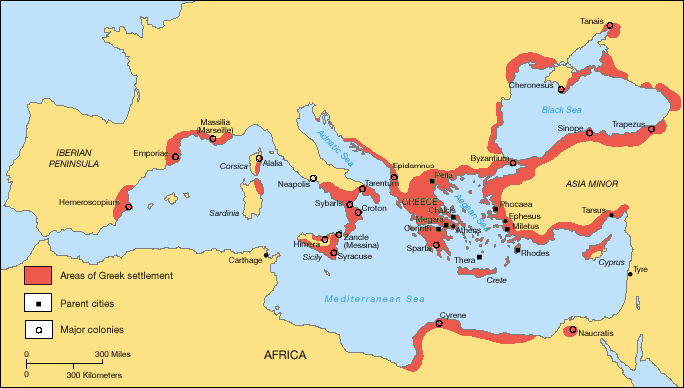
The Greeks in pre-Roman Gaul have a significant history of settlement, trade, cultural influence, and armed conflict in the Celtic territory of Gaul (modern France), starting from the 6th century BC during the Greek Archaic period. Following the founding of the major trading post of Massalia in 600 BC by the Phocaeans at present day Marseille, Massalians had a complex history of interaction with peoples of the region. Large Greek colonies also existed west of the Rhône, particularly at Agde and Béziers, the latter of which both predates, and was larger than, the Marseille colony.
The oldest city of modern France, Marseille, was founded around 600 BC by Greeks from the Asia Minor city of Phocaea (as mentioned by Thucydides Bk1,13, Strabo, Athenaeus and Justin) as a trading post or emporion (Greek: ἐμπόριον) under the name Μασσαλία (Massalia). More recently, the oldest phase of Béziers, known as "Béziers I", has been dated as anterior to the settlement of Marseille, making Marseille the second oldest Greek colony in France, though Béziers was temporarily abandoned some centuries after the founding of the Greek colony.
A foundation myth reported by several Greek and Latin authors (including Aristotle and Livy) recounts how the Phocaean hero Protis (son of Euxenus) married the Celtic princess Gyptis (or Petta) of the local Segobriges tribe, thus giving Protis the right to receive a piece of land where he was able to found a city. The contours of the Greek city have been partially excavated in several neighborhoods. The Phocaean Greeks introduced the cult of Artemis (specifically, the cult of the Ephesian version of Artemis, common in Ionia), as in their other colonies. The Phocaeans built a notable temple to Artemis in Massalia, which housed an idol of the goddess carved in the style of a xoanon.
It is thought that contacts started even earlier, however, as Ionian Greeks traded in the Western Mediterranean and Spain, but only very little remains from that earlier period. Contacts developed undisputedly from 600 BC, between the Celts and Celto-Ligurans and the Greeks in the city of Marseille and their other colonies such as Agde, Nice, Antibes, Monaco, Emporiae and Rhoda. The Greeks from Phocaea also founded settlements in the island of Corsica, such as at Alalia. From Massalia, the Phocaean Greeks also founded cities in northeastern Spain such as Emporiae and Rhoda.
Before the Greeks came to pre-eminence in the Gulf of Lion, trade was mainly handled by Etruscans and Carthaginians. The Greeks of Massalia had recurrent conflicts with Gauls and Ligurians of the region, and engaged in naval battles against Carthaginians in the late 6th century (Thucydides 1.13) and probably in 490 BC, and soon entered into a treaty with Rome.
According to Charles Ebel, writing in the 1960s, "Massalia was not an isolated Greek city, but had developed an Empire of its own along the coast of southern Gaul by the fourth century". But the idea of a Massalian "empire" is no longer credible in the light of recent archaeological evidence, which shows that Massalia never even had a very large chora (agricultural territory under its direct control). However further archaeological evidence since shows Massalia had over twelve cities in its network in France, Spain, Monaco and Corsica. Cities Massalia founded that still exist today are Nice, Antibes, Monaco, Le Brusc, Agde, and Aleria. There is evidence of direct rule of at least two of their cities with a flexible system of autonomy as suggested by Emporion and Rhodus' own coin minting. Massalia's empire was not the same as the monolithic empires of the ancient world or of the nineteenth century, being a scattered group of cities connected by the sea and rivers. The Delian League was also a scattered group of cities spread far across the sea and became known as the Athenian Empire.
Massalia eventually became a centre of culture which drew some Roman parents to send their children there to be educated. According to earlier views, a purported Hellenization of Southern France prior to the Roman Conquest of Transalpine Gaul is thought to have been largely due to the influence of Massalia. The power and cultural influence of Massalia have been called into question by demonstrating the limited territorial control of the city and showing the distinctive cultures of indigenous societies. Local Gauls were not Grecophiles who wanted to imitate Greek culture, but peoples who selectively consumed a very limited range of Greek objects (mostly ceramic vessels for drink) that they incorporated into their own cultural practices according to their own systems of value.
These eastern Greeks, established on the shores of southern France, were in close relations with the Celtic inhabitants of the region, and during the late 6th and 5th centuries BC Greek artifacts penetrated northwards along the Rhône and Saône valleys as well as the Isère. Massalian grey monochrome pottery has been discovered in the Hautes Alpes and as far north as Lons-le-Saunier, as well as three-winged bronze arrowheads as far as northern France, and amphorae from Marseille and Attic pottery at Mont Lassois. The site of Vix in northern Burgundy is a well-known example of a Hallstatt settlement where such Mediterranean objects were consumed, albeit in small quantities. Some, like the famous Vix krater, with 1.64 meters high, the largest bronze vessel of all antiquity.
Hub AI
Greeks in pre-Roman Gaul AI simulator
(@Greeks in pre-Roman Gaul_simulator)
Greeks in pre-Roman Gaul
The Greeks in pre-Roman Gaul have a significant history of settlement, trade, cultural influence, and armed conflict in the Celtic territory of Gaul (modern France), starting from the 6th century BC during the Greek Archaic period. Following the founding of the major trading post of Massalia in 600 BC by the Phocaeans at present day Marseille, Massalians had a complex history of interaction with peoples of the region. Large Greek colonies also existed west of the Rhône, particularly at Agde and Béziers, the latter of which both predates, and was larger than, the Marseille colony.
The oldest city of modern France, Marseille, was founded around 600 BC by Greeks from the Asia Minor city of Phocaea (as mentioned by Thucydides Bk1,13, Strabo, Athenaeus and Justin) as a trading post or emporion (Greek: ἐμπόριον) under the name Μασσαλία (Massalia). More recently, the oldest phase of Béziers, known as "Béziers I", has been dated as anterior to the settlement of Marseille, making Marseille the second oldest Greek colony in France, though Béziers was temporarily abandoned some centuries after the founding of the Greek colony.
A foundation myth reported by several Greek and Latin authors (including Aristotle and Livy) recounts how the Phocaean hero Protis (son of Euxenus) married the Celtic princess Gyptis (or Petta) of the local Segobriges tribe, thus giving Protis the right to receive a piece of land where he was able to found a city. The contours of the Greek city have been partially excavated in several neighborhoods. The Phocaean Greeks introduced the cult of Artemis (specifically, the cult of the Ephesian version of Artemis, common in Ionia), as in their other colonies. The Phocaeans built a notable temple to Artemis in Massalia, which housed an idol of the goddess carved in the style of a xoanon.
It is thought that contacts started even earlier, however, as Ionian Greeks traded in the Western Mediterranean and Spain, but only very little remains from that earlier period. Contacts developed undisputedly from 600 BC, between the Celts and Celto-Ligurans and the Greeks in the city of Marseille and their other colonies such as Agde, Nice, Antibes, Monaco, Emporiae and Rhoda. The Greeks from Phocaea also founded settlements in the island of Corsica, such as at Alalia. From Massalia, the Phocaean Greeks also founded cities in northeastern Spain such as Emporiae and Rhoda.
Before the Greeks came to pre-eminence in the Gulf of Lion, trade was mainly handled by Etruscans and Carthaginians. The Greeks of Massalia had recurrent conflicts with Gauls and Ligurians of the region, and engaged in naval battles against Carthaginians in the late 6th century (Thucydides 1.13) and probably in 490 BC, and soon entered into a treaty with Rome.
According to Charles Ebel, writing in the 1960s, "Massalia was not an isolated Greek city, but had developed an Empire of its own along the coast of southern Gaul by the fourth century". But the idea of a Massalian "empire" is no longer credible in the light of recent archaeological evidence, which shows that Massalia never even had a very large chora (agricultural territory under its direct control). However further archaeological evidence since shows Massalia had over twelve cities in its network in France, Spain, Monaco and Corsica. Cities Massalia founded that still exist today are Nice, Antibes, Monaco, Le Brusc, Agde, and Aleria. There is evidence of direct rule of at least two of their cities with a flexible system of autonomy as suggested by Emporion and Rhodus' own coin minting. Massalia's empire was not the same as the monolithic empires of the ancient world or of the nineteenth century, being a scattered group of cities connected by the sea and rivers. The Delian League was also a scattered group of cities spread far across the sea and became known as the Athenian Empire.
Massalia eventually became a centre of culture which drew some Roman parents to send their children there to be educated. According to earlier views, a purported Hellenization of Southern France prior to the Roman Conquest of Transalpine Gaul is thought to have been largely due to the influence of Massalia. The power and cultural influence of Massalia have been called into question by demonstrating the limited territorial control of the city and showing the distinctive cultures of indigenous societies. Local Gauls were not Grecophiles who wanted to imitate Greek culture, but peoples who selectively consumed a very limited range of Greek objects (mostly ceramic vessels for drink) that they incorporated into their own cultural practices according to their own systems of value.
These eastern Greeks, established on the shores of southern France, were in close relations with the Celtic inhabitants of the region, and during the late 6th and 5th centuries BC Greek artifacts penetrated northwards along the Rhône and Saône valleys as well as the Isère. Massalian grey monochrome pottery has been discovered in the Hautes Alpes and as far north as Lons-le-Saunier, as well as three-winged bronze arrowheads as far as northern France, and amphorae from Marseille and Attic pottery at Mont Lassois. The site of Vix in northern Burgundy is a well-known example of a Hallstatt settlement where such Mediterranean objects were consumed, albeit in small quantities. Some, like the famous Vix krater, with 1.64 meters high, the largest bronze vessel of all antiquity.
Recent media