


Community hub
Recent from talks
Contribute something to knowledge base
Content stats: 0 posts, 0 articles, 1 media, 0 notes
Members stats: 0 subscribers, 0 contributors, 0 moderators, 0 supporters
Subscribers
Supporters
Contributors
Moderators
Hub AI
Gusset plate AI simulator
(@Gusset plate_simulator)
Hub AI
Gusset plate AI simulator
(@Gusset plate_simulator)
Gusset plate
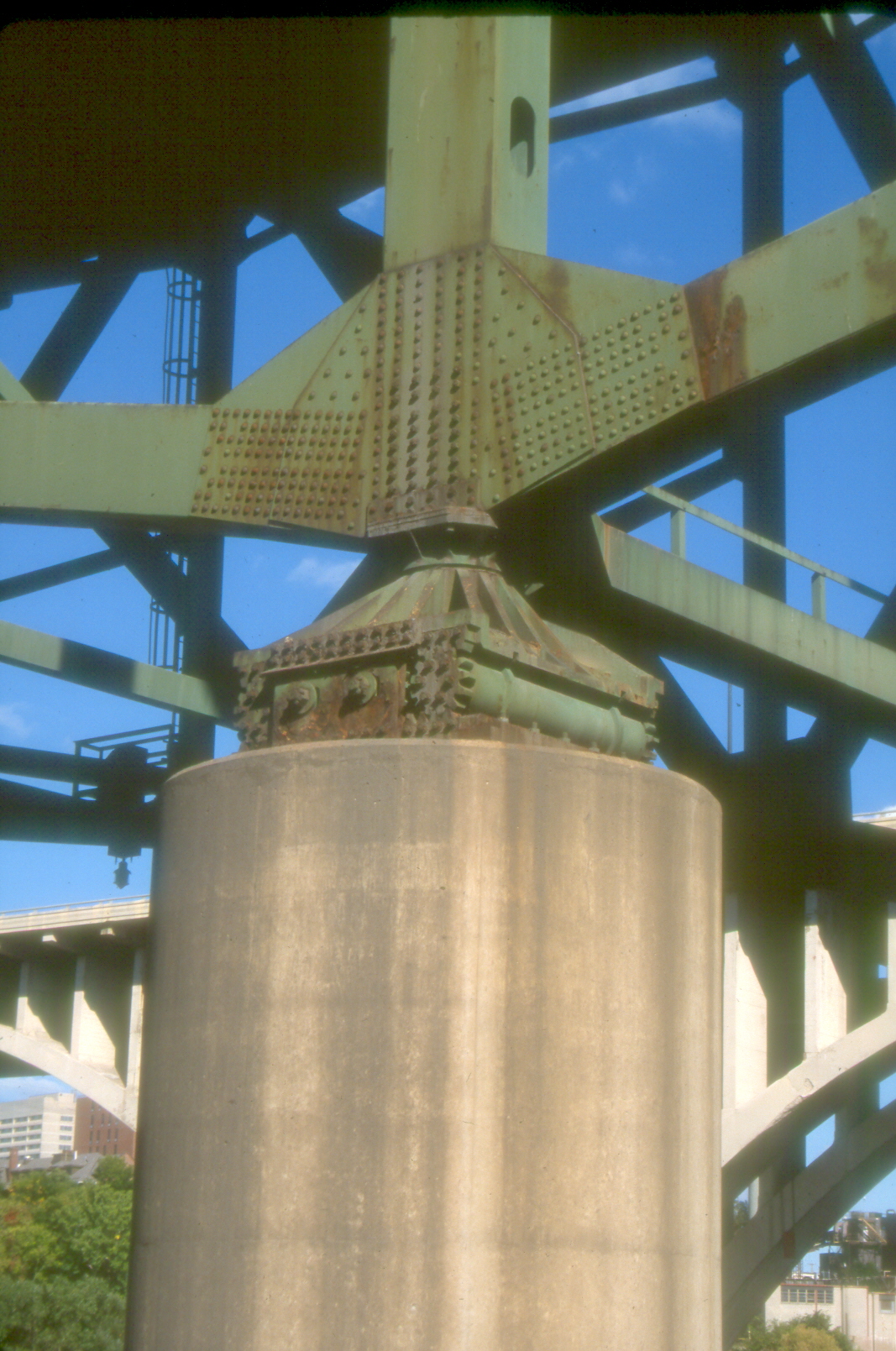
In structural engineering and construction, a gusset plate is a plate for connecting beams and girders to columns. A gusset plate can be fastened to a permanent member either by bolts, rivets or welding or a combination of the three. They are used in bridges and buildings, as well as other structures.
Gusset plates are usually either made from cold-rolled or galvanized steel, based upon their use. Galvanized steel offers more protection from rust, so this is usually used when the gusset plate is exposed to the elements. The gusset plate is usually painted to match nearby steel and fixtures and to give it an extra layer of protection.
Occasionally gusset plates are made from copper or aluminum, but only with small structures that do not require much support. The copper and aluminum gusset plates also provide a more attractive finish for exposed structures.
Gusset plates are used for various structures. Gusset plates are used to connect beams and columns together or to connect truss members. They can be either the only way of connecting the beam and columns or they can be used with bolts and welds.
Gusset plates are therefore used in most metal weight-bearing structures, but the material and size of the gusset plate varies based on the structure. Bridges usually require thick sheets of steel for their gusset plates, but trusses sometimes only require small sheets of aluminium for their gusset plate.
The size and strength of the gusset plate depends on size and the function of the structure. The larger the force on the connecting members, the larger the size of the gusset plate. Gusset plates provide an easy way to retrofit structures that can no longer safely support the applied loads.
Gusset plates can be made into a variety of shapes and sizes and from a range of materials.
Gusset plates are usually square or rectangular, but can be triangular or made into a customized shape to fit the joint. The shape of each plate is designed so that welding or bolts can be applied to different edges of the plate.
Gusset plate
In structural engineering and construction, a gusset plate is a plate for connecting beams and girders to columns. A gusset plate can be fastened to a permanent member either by bolts, rivets or welding or a combination of the three. They are used in bridges and buildings, as well as other structures.
Gusset plates are usually either made from cold-rolled or galvanized steel, based upon their use. Galvanized steel offers more protection from rust, so this is usually used when the gusset plate is exposed to the elements. The gusset plate is usually painted to match nearby steel and fixtures and to give it an extra layer of protection.
Occasionally gusset plates are made from copper or aluminum, but only with small structures that do not require much support. The copper and aluminum gusset plates also provide a more attractive finish for exposed structures.
Gusset plates are used for various structures. Gusset plates are used to connect beams and columns together or to connect truss members. They can be either the only way of connecting the beam and columns or they can be used with bolts and welds.
Gusset plates are therefore used in most metal weight-bearing structures, but the material and size of the gusset plate varies based on the structure. Bridges usually require thick sheets of steel for their gusset plates, but trusses sometimes only require small sheets of aluminium for their gusset plate.
The size and strength of the gusset plate depends on size and the function of the structure. The larger the force on the connecting members, the larger the size of the gusset plate. Gusset plates provide an easy way to retrofit structures that can no longer safely support the applied loads.
Gusset plates can be made into a variety of shapes and sizes and from a range of materials.
Gusset plates are usually square or rectangular, but can be triangular or made into a customized shape to fit the joint. The shape of each plate is designed so that welding or bolts can be applied to different edges of the plate.
Recent media
Recent media