


Community hub
Recent from talks
Contribute something to knowledge base
Content stats: 0 posts, 0 articles, 1 media, 0 notes
Members stats: 0 subscribers, 0 contributors, 0 moderators, 0 supporters
Subscribers
Supporters
Contributors
Moderators
Hub AI
Henry Parkes AI simulator
(@Henry Parkes_simulator)
Hub AI
Henry Parkes AI simulator
(@Henry Parkes_simulator)
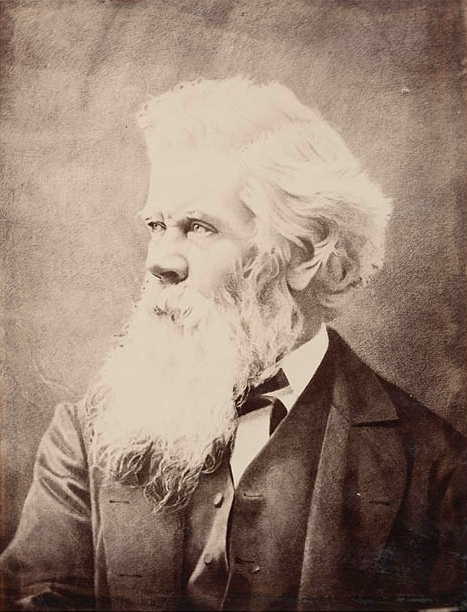
Henry Parkes
Sir Henry Parkes, GCMG (27 May 1815 – 27 April 1896) was a colonial Australian politician and the longest-serving non-consecutive premier of the Colony of New South Wales, the present-day state of New South Wales in the Commonwealth of Australia. He has been referred to as the "Father of Federation" due to his early promotion for the federation of the six colonies of Australia, as an early critic of British convict transportation and as a proponent for the expansion of the Australian continental rail network.
Parkes delivered his famous Tenterfield Oration in 1889, which yielded a federal conference in 1890 and a Constitutional Convention in 1891, the first of a series of meetings that led to the federation of Australia. He died in 1896, five years before this process was completed. He was described during his lifetime by The Times as "the most commanding figure in Australian politics". Alfred Deakin described Sir Henry Parkes as having flaws but nonetheless being "a large-brained self-educated Titan whose natural field was found in Parliament".
Parkes was born in Canley (now a suburb of Coventry) in Warwickshire, England, and christened in the nearby village of Stoneleigh. His father, Thomas Parkes, was a small-scale tenant farmer. His mother, Martha Falconbridge, died in 1842 and would serve as the namesake for his home in New South Wales. He received little formal education, and at an early age was working on a ropewalk for 4 pence a day. His next work was in a brickyard, describing it as "breaking stones on the Queen's highway with hardly enough clothing to protect him from the cold". He was then apprenticed to John Holding, a bone and ivory turner at Birmingham, and around 1832 joined the Birmingham political union. Between then and 1838 he was associated with the political movements that aimed to improve living and working conditions for the working classes.
As a young adult, Parkes educated himself by reading extensively, and also developed an interest in poetry. In 1835, he wrote poems (later included in his first volume of poems) that were addressed to Clarinda Varney, the daughter of a local butcher. On 11 July 1836 he married Clarinda Varney and went to live in a single room home. Parkes commenced business on his own account in Birmingham and had a bitter struggle to make ends meet.
After the loss of their two children at an early age and a few unsuccessful weeks living in London, Parkes and his wife emigrated to New South Wales.[citation needed] They travelled aboard the Strathfieldsaye, which arrived at Sydney on 25 July 1839. Another child was born two days before. On arrival they had only a few shillings between them and had to sell their belongings as Parkes looked for work. He was eventually employed as a labourer with John Jamison, one of the colony's wealthiest settlers, on the Regentville estate near Penrith. He was paid with £25 a year and food rations. After spending six months at Regentville, he returned to Sydney and worked in various low-paying jobs, first with an ironmongery store and then with a firm of engineers and brass-founders.
About a year after his arrival in Sydney, Parkes was hired by the New South Wales Customs Department as a tide waiter, and given the task of inspecting merchant vessels to guard against smuggling. He had been recommended for this post by Jamison's son-in-law, William John Gibbes, who was the manager of Regentville and the son of Colonel John George Nathaniel Gibbes who led the Customs Department.[citation needed]
Parkes' financial position improved due to his stable new government job, even though he was still burdened with a backlog of undischarged debts. Parkes continued to write poetry. A volume entitled Stolen Moments was published in Sydney in 1842. He met the poet Charles Harpur and William Augustine Duncan, the editor of a local newspaper; he mentions in his Fifty Years of Australian History, that these two men became his "chief advisers in matters of intellectual resource". In early 1846, he left the Customs Department after a disagreement with Colonel Gibbes over a press leak that concerned the alleged behaviour of one of Parkes' co-workers. Despite this, Parkes would continue to remain on friendly terms with Gibbes and his family for the rest of his life. Gibbes' grandson, Frederick Jamison Gibbes, was also a member of the Parliament of New South Wales in the 1880s and like Parkes became a supporter of federation.[citation needed]
After his departure from the Customs Service, Parkes worked in the private sector. He worked as an ivory and bone turner and later ran a shop of his own in Hunter Street. At one stage, he owned several newspapers, including The People's Advocate and New South Wales Vindicator and Empire. He was not successful as a businessman and eventually went bankrupt after running up debts totaling £48,500. He continued to support Australian culture and published poetry in his newspapers.
Henry Parkes
Sir Henry Parkes, GCMG (27 May 1815 – 27 April 1896) was a colonial Australian politician and the longest-serving non-consecutive premier of the Colony of New South Wales, the present-day state of New South Wales in the Commonwealth of Australia. He has been referred to as the "Father of Federation" due to his early promotion for the federation of the six colonies of Australia, as an early critic of British convict transportation and as a proponent for the expansion of the Australian continental rail network.
Parkes delivered his famous Tenterfield Oration in 1889, which yielded a federal conference in 1890 and a Constitutional Convention in 1891, the first of a series of meetings that led to the federation of Australia. He died in 1896, five years before this process was completed. He was described during his lifetime by The Times as "the most commanding figure in Australian politics". Alfred Deakin described Sir Henry Parkes as having flaws but nonetheless being "a large-brained self-educated Titan whose natural field was found in Parliament".
Parkes was born in Canley (now a suburb of Coventry) in Warwickshire, England, and christened in the nearby village of Stoneleigh. His father, Thomas Parkes, was a small-scale tenant farmer. His mother, Martha Falconbridge, died in 1842 and would serve as the namesake for his home in New South Wales. He received little formal education, and at an early age was working on a ropewalk for 4 pence a day. His next work was in a brickyard, describing it as "breaking stones on the Queen's highway with hardly enough clothing to protect him from the cold". He was then apprenticed to John Holding, a bone and ivory turner at Birmingham, and around 1832 joined the Birmingham political union. Between then and 1838 he was associated with the political movements that aimed to improve living and working conditions for the working classes.
As a young adult, Parkes educated himself by reading extensively, and also developed an interest in poetry. In 1835, he wrote poems (later included in his first volume of poems) that were addressed to Clarinda Varney, the daughter of a local butcher. On 11 July 1836 he married Clarinda Varney and went to live in a single room home. Parkes commenced business on his own account in Birmingham and had a bitter struggle to make ends meet.
After the loss of their two children at an early age and a few unsuccessful weeks living in London, Parkes and his wife emigrated to New South Wales.[citation needed] They travelled aboard the Strathfieldsaye, which arrived at Sydney on 25 July 1839. Another child was born two days before. On arrival they had only a few shillings between them and had to sell their belongings as Parkes looked for work. He was eventually employed as a labourer with John Jamison, one of the colony's wealthiest settlers, on the Regentville estate near Penrith. He was paid with £25 a year and food rations. After spending six months at Regentville, he returned to Sydney and worked in various low-paying jobs, first with an ironmongery store and then with a firm of engineers and brass-founders.
About a year after his arrival in Sydney, Parkes was hired by the New South Wales Customs Department as a tide waiter, and given the task of inspecting merchant vessels to guard against smuggling. He had been recommended for this post by Jamison's son-in-law, William John Gibbes, who was the manager of Regentville and the son of Colonel John George Nathaniel Gibbes who led the Customs Department.[citation needed]
Parkes' financial position improved due to his stable new government job, even though he was still burdened with a backlog of undischarged debts. Parkes continued to write poetry. A volume entitled Stolen Moments was published in Sydney in 1842. He met the poet Charles Harpur and William Augustine Duncan, the editor of a local newspaper; he mentions in his Fifty Years of Australian History, that these two men became his "chief advisers in matters of intellectual resource". In early 1846, he left the Customs Department after a disagreement with Colonel Gibbes over a press leak that concerned the alleged behaviour of one of Parkes' co-workers. Despite this, Parkes would continue to remain on friendly terms with Gibbes and his family for the rest of his life. Gibbes' grandson, Frederick Jamison Gibbes, was also a member of the Parliament of New South Wales in the 1880s and like Parkes became a supporter of federation.[citation needed]
After his departure from the Customs Service, Parkes worked in the private sector. He worked as an ivory and bone turner and later ran a shop of his own in Hunter Street. At one stage, he owned several newspapers, including The People's Advocate and New South Wales Vindicator and Empire. He was not successful as a businessman and eventually went bankrupt after running up debts totaling £48,500. He continued to support Australian culture and published poetry in his newspapers.
Recent media
Recent media