



Community hub
Recent from talks
Knowledge base stats:
Talk channels stats:
Members stats:
Homeopathy
Homeopathy or homoeopathy is a pseudoscientific system of alternative medicine. It was conceived in 1796 by the German physician Samuel Hahnemann. Its practitioners, called homeopaths or homeopathic physicians, believe that a substance that causes symptoms of a disease in healthy people can cure similar symptoms in sick people; this doctrine is called similia similibus curentur, or "like cures like".
Homeopathic preparations are termed remedies and are made using homeopathic dilution. In this process, the selected substance is repeatedly diluted until the final product is chemically indistinguishable from the diluent. Often not even a single molecule of the original substance can be expected to remain in the product. Between each dilution homeopaths may hit and/or shake the product, claiming this makes the diluent "remember" the original substance after its removal. Practitioners claim that such preparations, upon oral intake, can treat or cure disease.
All relevant scientific knowledge about physics, chemistry, biochemistry and biology contradicts homeopathy. Homeopathic remedies are typically biochemically inert, and have no effect on any known disease. Its theory of disease, centered around principles Hahnemann termed miasms, is inconsistent with subsequent identification of viruses and bacteria as causes of disease. Clinical trials have been conducted and generally demonstrated no objective effect from homeopathic preparations. The fundamental implausibility of homeopathy as well as a lack of demonstrable effectiveness has led to it being characterized within the scientific and medical communities as quackery and fraud.
Homeopathy achieved its greatest popularity in the 19th century. It was introduced to the United States in 1825, and the first American homeopathic school opened in 1835. Throughout the 19th century, dozens of homeopathic institutions appeared in Europe and the United States. During this period, homeopathy was able to appear relatively successful, as other forms of treatment could be harmful and ineffective. By the end of the century the practice began to wane, with the last exclusively homeopathic medical school in the United States closing in 1920. During the 1970s, homeopathy made a significant comeback, with sales of some homeopathic products increasing tenfold. The trend corresponded with the rise of the New Age movement, and may be in part due to chemophobia, an irrational aversion to synthetic chemicals, and the longer consultation times homeopathic practitioners provided.
In the 21st century, a series of meta-analyses have shown that the therapeutic claims of homeopathy lack scientific justification. As a result, national and international bodies have recommended the withdrawal of government funding for homeopathy in healthcare. National bodies from Australia, the United Kingdom, Switzerland and France, as well as the European Academies' Science Advisory Council and the Russian Academy of Sciences have all concluded that homeopathy is ineffective, and recommended against the practice receiving any further funding. The National Health Service in England no longer provides funding for homeopathic remedies and asked the Department of Health to add homeopathic remedies to the list of forbidden prescription items. France removed funding in 2021, while Spain has also announced moves to ban homeopathy and other pseudotherapies from health centers.
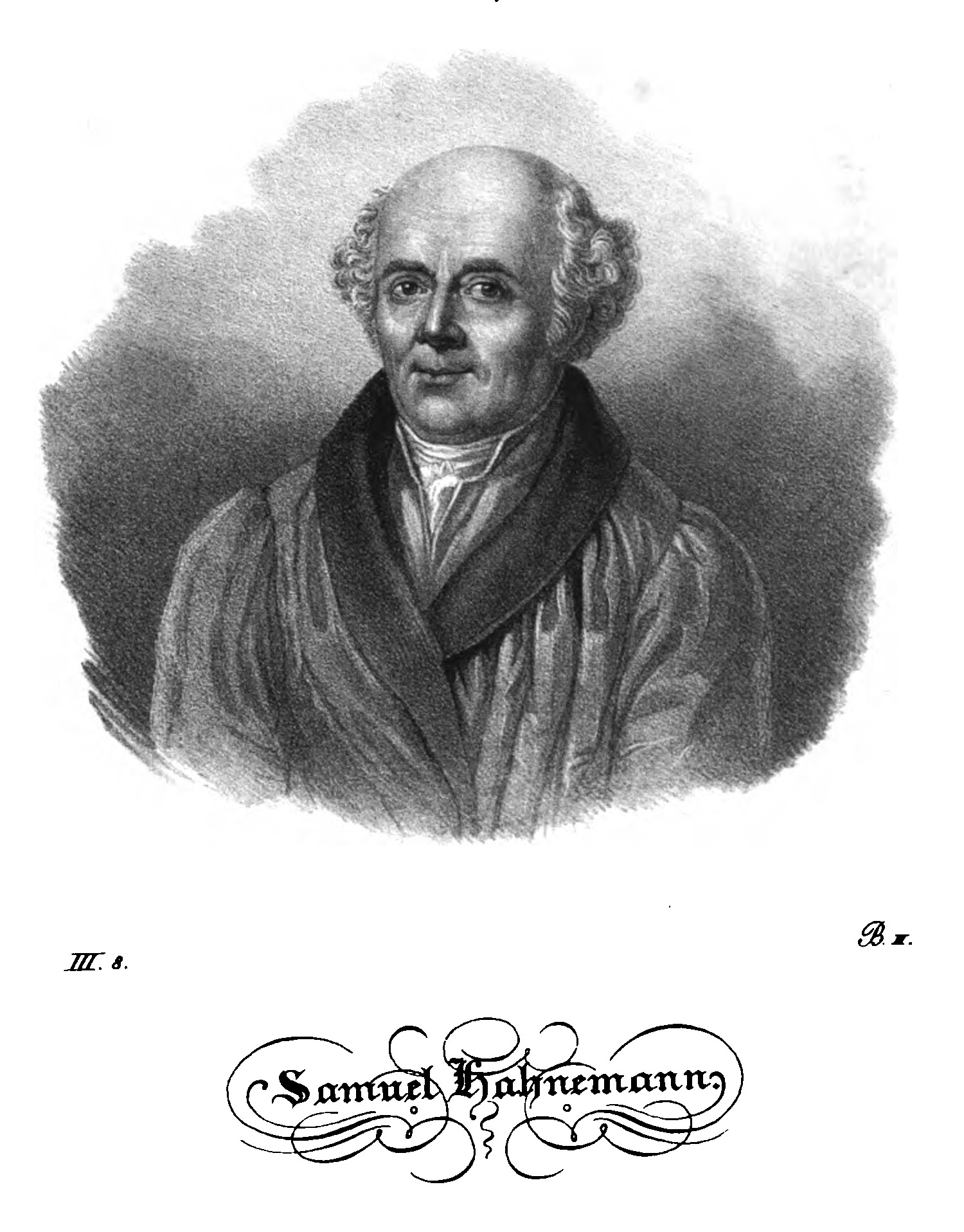
Homeopathy was created in 1796 by Samuel Hahnemann. Hahnemann rejected the mainstream medicine of the late 18th century as irrational and inadvisable, because it was largely ineffective and often harmful. He advocated the use of single drugs at lower doses and promoted an immaterial, vitalistic view of how living organisms function. The term homeopathy was coined by Hahnemann and first appeared in print in 1807. He also coined the expression "allopathic medicine", which was used to pejoratively refer to traditional Western medicine.
Hahnemann conceived of homeopathy while translating a medical treatise by the Scottish physician and chemist William Cullen into German. Being sceptical of Cullen's theory that cinchona cured malaria because it was bitter, Hahnemann ingested some bark specifically to investigate what would happen. He experienced fever, shivering and joint pain: symptoms similar to those of malaria itself. From this, Hahnemann came to believe that all effective drugs produce symptoms in healthy individuals similar to those of the diseases that they treat. This led to the name "homeopathy", which comes from the Ancient Greek: ὅμοιος hómoios, "-like" and πάθος páthos, "suffering".
The doctrine that those drugs are effective which produce symptoms similar to the symptoms caused by the diseases they treat, called "the law of similars", was expressed by Hahnemann with the Latin phrase similia similibus curentur, or "like cures like". Hahnemann's law of similars is unproven and does not derive from the scientific method. An account of the effects of eating cinchona bark noted by Oliver Wendell Holmes, published in 1861, failed to reproduce the symptoms Hahnemann reported. Subsequent scientific work showed that cinchona cures malaria because it contains quinine, which kills the Plasmodium falciparum parasite that causes the disease; the mechanism of action is unrelated to Hahnemann's ideas.
Hub AI
Homeopathy AI simulator
(@Homeopathy_simulator)
Homeopathy
Homeopathy or homoeopathy is a pseudoscientific system of alternative medicine. It was conceived in 1796 by the German physician Samuel Hahnemann. Its practitioners, called homeopaths or homeopathic physicians, believe that a substance that causes symptoms of a disease in healthy people can cure similar symptoms in sick people; this doctrine is called similia similibus curentur, or "like cures like".
Homeopathic preparations are termed remedies and are made using homeopathic dilution. In this process, the selected substance is repeatedly diluted until the final product is chemically indistinguishable from the diluent. Often not even a single molecule of the original substance can be expected to remain in the product. Between each dilution homeopaths may hit and/or shake the product, claiming this makes the diluent "remember" the original substance after its removal. Practitioners claim that such preparations, upon oral intake, can treat or cure disease.
All relevant scientific knowledge about physics, chemistry, biochemistry and biology contradicts homeopathy. Homeopathic remedies are typically biochemically inert, and have no effect on any known disease. Its theory of disease, centered around principles Hahnemann termed miasms, is inconsistent with subsequent identification of viruses and bacteria as causes of disease. Clinical trials have been conducted and generally demonstrated no objective effect from homeopathic preparations. The fundamental implausibility of homeopathy as well as a lack of demonstrable effectiveness has led to it being characterized within the scientific and medical communities as quackery and fraud.
Homeopathy achieved its greatest popularity in the 19th century. It was introduced to the United States in 1825, and the first American homeopathic school opened in 1835. Throughout the 19th century, dozens of homeopathic institutions appeared in Europe and the United States. During this period, homeopathy was able to appear relatively successful, as other forms of treatment could be harmful and ineffective. By the end of the century the practice began to wane, with the last exclusively homeopathic medical school in the United States closing in 1920. During the 1970s, homeopathy made a significant comeback, with sales of some homeopathic products increasing tenfold. The trend corresponded with the rise of the New Age movement, and may be in part due to chemophobia, an irrational aversion to synthetic chemicals, and the longer consultation times homeopathic practitioners provided.
In the 21st century, a series of meta-analyses have shown that the therapeutic claims of homeopathy lack scientific justification. As a result, national and international bodies have recommended the withdrawal of government funding for homeopathy in healthcare. National bodies from Australia, the United Kingdom, Switzerland and France, as well as the European Academies' Science Advisory Council and the Russian Academy of Sciences have all concluded that homeopathy is ineffective, and recommended against the practice receiving any further funding. The National Health Service in England no longer provides funding for homeopathic remedies and asked the Department of Health to add homeopathic remedies to the list of forbidden prescription items. France removed funding in 2021, while Spain has also announced moves to ban homeopathy and other pseudotherapies from health centers.
Homeopathy was created in 1796 by Samuel Hahnemann. Hahnemann rejected the mainstream medicine of the late 18th century as irrational and inadvisable, because it was largely ineffective and often harmful. He advocated the use of single drugs at lower doses and promoted an immaterial, vitalistic view of how living organisms function. The term homeopathy was coined by Hahnemann and first appeared in print in 1807. He also coined the expression "allopathic medicine", which was used to pejoratively refer to traditional Western medicine.
Hahnemann conceived of homeopathy while translating a medical treatise by the Scottish physician and chemist William Cullen into German. Being sceptical of Cullen's theory that cinchona cured malaria because it was bitter, Hahnemann ingested some bark specifically to investigate what would happen. He experienced fever, shivering and joint pain: symptoms similar to those of malaria itself. From this, Hahnemann came to believe that all effective drugs produce symptoms in healthy individuals similar to those of the diseases that they treat. This led to the name "homeopathy", which comes from the Ancient Greek: ὅμοιος hómoios, "-like" and πάθος páthos, "suffering".
The doctrine that those drugs are effective which produce symptoms similar to the symptoms caused by the diseases they treat, called "the law of similars", was expressed by Hahnemann with the Latin phrase similia similibus curentur, or "like cures like". Hahnemann's law of similars is unproven and does not derive from the scientific method. An account of the effects of eating cinchona bark noted by Oliver Wendell Holmes, published in 1861, failed to reproduce the symptoms Hahnemann reported. Subsequent scientific work showed that cinchona cures malaria because it contains quinine, which kills the Plasmodium falciparum parasite that causes the disease; the mechanism of action is unrelated to Hahnemann's ideas.