Hubbry Logo
Samuel HahnemannSamuel HahnemannMain
Open search
Samuel Hahnemann
Community hub
Samuel Hahnemann
logo
8 pages, 0 posts
0 subscribers
Be the first to start a discussion here.
Samuel Hahnemann
Samuel Hahnemann
from Wikipedia

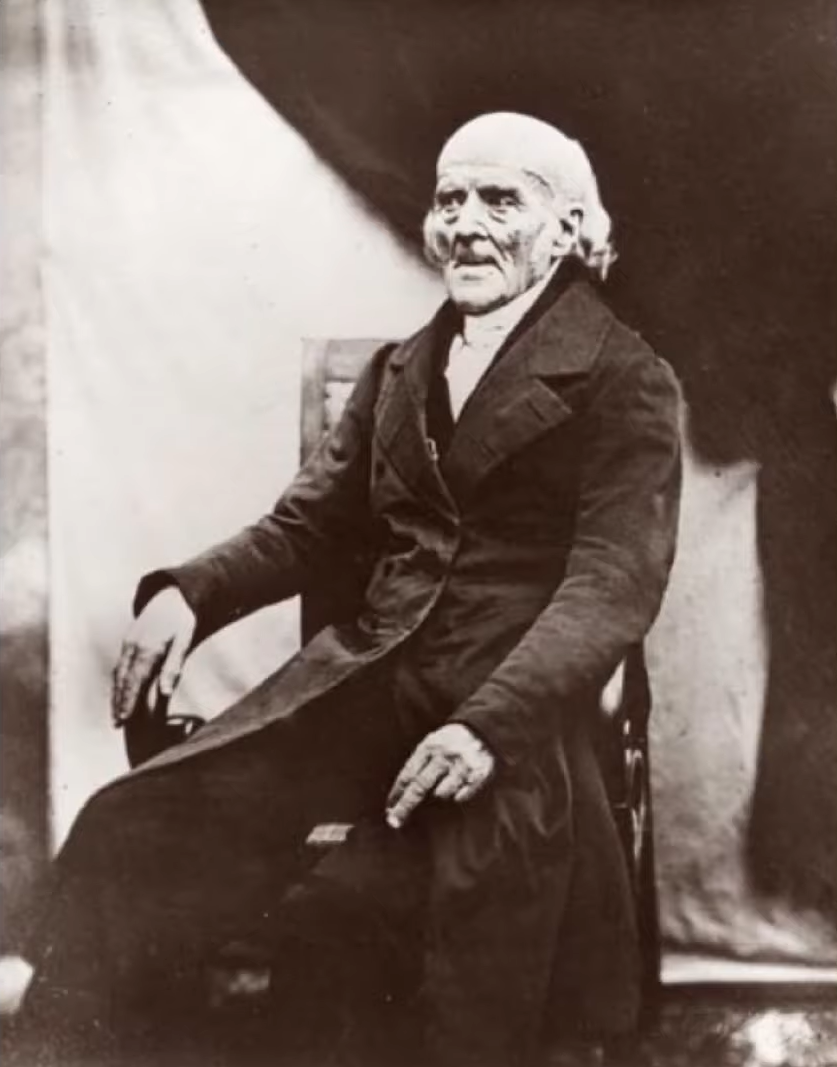
Christian Friedrich Samuel Hahnemann (/ˈhɑːnəmən/ HAH-nə-mən, German: [ˈzaːmueːl ˈhaːnəman]; 10 April 1755[1] – 2 July 1843) was a German physician, best known for creating the pseudoscientific system of alternative medicine called homeopathy.[2]

Key Information

Early life

[edit]

Christian Friedrich Samuel Hahnemann was born in Meissen, Saxony, near Dresden. His father, Christian Gottfried Hahnemann,[3] was a painter and designer of porcelain, for which the town of Meissen is famous.[4]

As a young man, Hahnemann became proficient in a number of languages, including English, French, Italian, Greek and Latin. He eventually made a living as a translator and teacher of languages, gaining further proficiency in "Arabic, Syriac, Chaldaic and Hebrew".[5]

Hahnemann studied medicine for two years at Leipzig. Citing Leipzig's lack of clinical facilities, he moved to Vienna, where he studied for ten months.[6] His medical professors in Leipzig and Vienna included the physician Joseph von Quarin,[7] later credited for turning Vienna General Hospital into a model European medical institution.[8]

After one term of further study, Hahnemann graduated with a medical degree with honors from the University of Erlangen on 10 August 1779. His poverty may have forced him to choose Erlangen, as the school's fees were lower than in Vienna.[9] Hahnemann's thesis was titled Conspectus adfectuum spasmodicorum aetiologicus et therapeuticus [A Dissertation on the Causes and Treatment of Spasmodic Diseases].[10][11]

Medical practice

[edit]

In 1781, Hahnemann took a village doctor's position in the copper-mining area of Mansfeld, Saxony.[12] He soon married Johanna Henriette Kuchler and would eventually have eleven children.[5] After abandoning medical practice and while working as a translator of scientific and medical textbooks, he translated fifteen books from English, six from French, and one each from Latin and Italian from 1777 to 1806.[13] Hahnemann travelled around Saxony for many years, staying in many different towns and villages for varying lengths of time, never living far from the River Elbe and settling at different times in Dresden, Torgau, Leipzig and Köthen (Anhalt)[14] before finally moving to Paris in June 1835.[15]

Creation of homeopathy

[edit]

Hahnemann was dissatisfied with the state of medicine in his time and particularly objected to practices such as bloodletting. He claimed that the medicine he had been taught to practice sometimes did the patient more harm than good:

My sense of duty would not easily allow me to treat the unknown pathological state of my suffering brethren with these unknown medicines. The thought of becoming in this way a murderer or malefactor towards the life of my fellow human beings was most terrible to me, so terrible and disturbing that I wholly gave up my practice in the first years of my married life and occupied myself solely with chemistry and writing.[5]

After giving up his practice around 1784, Hahnemann made his living chiefly as a writer and translator while resolving also to investigate the causes of medicine's alleged errors. While translating William Cullen's A Treatise on the Materia Medica, Hahnemann encountered the claim that cinchona, the bark of a Peruvian tree, was effective in treating malaria because of its astringency. Hahnemann believed other astringent substances were ineffective against malaria and began to research cinchona's effect on the human body by self-application. Noting that the drug induced malaria-like symptoms in himself,[16] he concluded that it would do so in any healthy individual. This led him to postulate a healing principle: "That which can produce a set of symptoms in a healthy individual, can treat a sick individual who is manifesting a similar set of symptoms."[5] This principle, like cures like, became the basis for an approach to medicine to which he gave the name homeopathy. He first used the term homeopathy in his essay Indications of the Homeopathic Employment of Medicines in Ordinary Practice, published in Hufeland's Journal in 1807.[17]

Development of homeopathy

[edit]

Following up the work of the Viennese physician Anton von Störck, Hahnemann tested substances for the effects they produced on a healthy individual, presupposing (as von Störck had claimed) that they may heal the same ills that they caused. His research led him to agree with von Störck that the toxic effects of ingested substances are often broadly parallel to certain disease states,[18] and his exploration of historical cases of poisoning in the medical literature further implied a more generalised medicinal "law of similars".[19] He later devised methods of diluting the drugs he was testing in order to mitigate their toxic effects. He claimed that these dilutions when prepared according to his technique of "potentization" using dilution and succussion (vigorous shaking), were still effective in alleviating the same symptoms in the sick. His more systematic experiments with dose reduction really commenced around 1800–01 when, on the basis of his "law of similars," he had begun using Ipecacuanha for the treatment of coughs and Belladonna for scarlet fever.[20]

He first published an article about the homeopathic approach in a German-language medical journal in 1796. Following a series of further essays, he published in 1810 "Organon of the Rational Art of Healing", followed over the years by four further editions entitled The Organon of the Healing Art, the first systematic treatise and containing all his detailed instructions on the subject. A 6th Organon edition, unpublished during his lifetime and dating from February 1842, was only published many years after his death. It consisted of a 5th Organon containing extensive handwritten annotations.[21] The Organon is widely regarded as a remodelled form of an essay he published in 1806 called "The Medicine of Experience", which had been published in Hufeland's Journal. Of the Organon, Robert Ellis Dudgeon states it "was an amplification and extension of his "Medicine of Experience", worked up with greater care, and put into a more methodical and aphoristic form, after the model of the Hippocratic writings."[22]

Coffee theory of disease

[edit]
Bust of Samuel Hahnemann by French sculptor David d'Angers (1837)

Around the start of the nineteenth century, Hahnemann developed a theory, propounded in his 1803 essay On the Effects of Coffee from Original Observations, that many diseases are caused by coffee.[23] Hahnemann later abandoned the coffee theory in favour of the theory that disease is caused by Psora, but it has been noted that the list of conditions Hahnemann attributed to coffee was similar to his list of conditions caused by Psora.[24]

Later life

[edit]
Samuel Hahnemann Monument at Scott Circle, Washington, D.C.

In early 1811[25] Hahnemann moved his family back to Leipzig with the intention of teaching his new medical system at the University of Leipzig. As required by the university statutes, to become a faculty member he was required to submit and defend a thesis on a medical topic of his choice. On 26 June 1812, Hahnemann presented a Latin thesis, entitled "A Medical Historical Dissertation on the Helleborism of the Ancients."[26] His thesis very thoroughly examined the historical literature and sought to differentiate between the ancient use of Helleborus niger, or black hellebore, and the medicinal uses of the "white hellebore", botanically Veratrum album, both of which are poisonous plants.[27]

Hahnemann continued practicing and researching homeopathy, as well as writing and lecturing for the rest of his life. He died on 2 July 1843 in Paris,[28] at 88 years of age, and is entombed in a mausoleum at Paris's Père Lachaise Cemetery.[citation needed]

Hahnemann's 10 April birthday is celebrated annually by the homeopathic community as World Homeopathy Day.[29]

Descendants

[edit]

Hahnemann's daughter, Amelie (1789–1881), had a son: Leopold Suss-Hahnemann. Leopold emigrated to England, and he practised homeopathy in London. He retired to the Isle of Wight and died there at the outbreak of World War I in 1914. Dr Leopold Suss-Hahnemann's youngest daughter, Amalia, had two children, Winifred (born in 1898) and Herbert. William Herbert Tankard-Hahnemann (1922–2009) was Winifred's son. He served as a Major in the British Army during World War II, and then had a career in the city of London. He was at one point appointed as a Freeman of the City of London. Mr William Herbert Tankard-Hahnemann, the great-great-great-grandson of Samuel Hahnemann died on 12 January 2009 (his 87th birthday) after 22 years of active patronage of the British Institute of Homeopathy.[citation needed] The William Tankard-Hahnemann line continues with his son, Charles.

Writings

[edit]

Hahnemann wrote a number of books, essays, and letters on the homeopathic method, chemistry, and general medicine:

  • Heilkunde der Erfahrung. Norderstedt 2010, ISBN 3-8423-1326-8
  • Versuch über ein neues Prinzip zur Auffindung der Heilkräfte der Arzneisubstanzen, nebst einigen Blicken auf die bisherigen [Essay on a New Principle for Ascertaining the Curative Powers of Drugs] (in German). 1796. Archived from the original on 25 April 2014. Retrieved 19 February 2003. reprinted in Versuch über ein neues Prinzip zur Auffindung der Heilkräfte der Arzneisubstanzen, nebst einigen Blicken auf die bisherigen. Haug. 1988. ISBN 3-7760-1060-6.
  • Fragmenta de viribus medicamentorum positivis sive in sano corpore humano obeservitis, a collection of 27 drug "provings" published in Latin in 1805.[30][31][dubiousdiscuss][32]
  • The Organon of the Healing Art (1810), a detailed delineation of what he saw as the rationale underpinning homeopathic medicine, and guidelines for practice. Hahnemann published the 5th edition in 1833; a revised draft of this (1842) was discovered after Hahnemann's death and finally published as the 6th edition in 1921.[33][34]
  • Materia Medica Pura, a compilation of "homoeopathic proving" reports, published in six volumes between vol. I in 1811 and vol. VI in 1821; second edition of vol. I to Vol. VI from 1822 to 1827 and third revised editions of volumes I and II were published in 1830 and 1833, respectively.[35]
  • Chronic Diseases (1828), an explanation of the root and cure of chronic disease according to the theory of miasms, together with a compilation of "homoeopathic proving" reports, published in five volumes during the 1830s.
  • The Friend of Health, in which Hahnemann "recommended the use of fresh air, bed rest, proper diet, sunshine, public hygiene and numerous other beneficial measures at a time when many other physicians considered them of no value."[36][37]
  • Appeal to Thinking Philanthropist Respecting the Mode of Propagation of the Asiatic Choler, in which Hahnemann describes cholera physicians and nurses as the "certain and frequent propagators" of cholera and that whilst deriding nurses' "fumigations with chlorine", promoted the use of "drops of camphorated spirit" as a cure for the disease.[38]
  • Hahnemann also campaigned for the humane treatment of the insane in 1792.[39]
  • John Henry Clarke wrote that "In 1787, Hahnemann discovered the best test for arsenic and other poisons in wine, having pointed out the unreliable nature of the 'Wurtemberg test,' which had been in use up to that date."[40][41]
  • Samuel Hahnemanns Apothekerlexikon. Vol.2. Crusius, Leipzig 1798–1799 Digital edition by the University and State Library Düsseldorf
  • Reine Arzneimittellehre. Arnold, Dresden (several editions) 1822–1827 Digital edition by the University and State Library Düsseldorf
  • Systematische Darstellung der reinen Arzneiwirkungen aller bisher geprüften Mittel. Vieweg, Braunschweig 1831 – Digital edition by the University and State Library Düsseldorf

See also

[edit]

Notes

[edit]

References

[edit]

Further reading

[edit]
[edit]
Revisions and contributorsEdit on WikipediaRead on Wikipedia
from Grokipedia
Christian Friedrich Samuel Hahnemann (10 April 1755 – 2 July 1843) was a German physician and scholar who founded homeopathy, an alternative medical system based on the doctrine of similia similibus curentur ("like cures like"), which posits that substances producing symptoms in healthy individuals can treat similar symptoms in the ill when administered in highly diluted forms. Hahnemann developed in the late as a reaction against the prevailing medical practices of his era, such as and , which he viewed as harmful; he emphasized individualized treatment through systematic "provings" of substances on healthy volunteers to catalog their effects. His seminal works, including the Organon of the Healing Art first published in 1810, outlined these principles and introduced concepts like potentization via and succussion, aiming to stimulate the body's vital force to restore health. Despite gaining followers across and beyond, Hahnemann faced professional ostracism and relocated multiple times, eventually settling in where he practiced until his death. While influenced and persists in some regions, rigorous empirical testing has consistently shown its remedies to be no more effective than placebos, undermining claims of specific therapeutic action beyond psychological effects or natural recovery. Hahnemann's legacy thus embodies a prescientific approach rooted in observation rather than causal mechanisms verifiable by modern standards, highlighting tensions between historical innovation and evidence-based validation.

Early Life and Education

Childhood and Family Background

Christian Friedrich Samuel Hahnemann was born on April 10, 1755, in , , to Christian Gottfried Hahnemann, a porcelain painter and glazier employed at the renowned factory, and Johanna Christiana, née Spiess. As the third child in a modest Lutheran family of limited means, Hahnemann grew up in a household shaped by manual labor and Protestant values, with his parents instilling basic literacy skills through informal instruction and emphasizing self-reliance via adages such as "Prove all things and hold fast to what is good." The socio-economic context of 18th-century , centered on crafts like production amid emerging Enlightenment , fostered an environment of practical industriousness rather than scholarly privilege. From an early age, Hahnemann displayed notable aptitude for languages and sciences, mastering German, Latin, Greek, French, and elements of Hebrew, while developing interests in chemistry, , physics, and . Entering local public school in 1767 and later the Fürstenschule (Prince's School) in at age 12 or 16, he excelled under mentors like Magister Müller, even tutoring peers in Greek despite financial constraints that occasionally interrupted his studies. His father's initial preference for a trade apprenticeship—arranging a position with a Leipzig grocer around age 15—reflected the family's economic realities, yet Hahnemann's determination prevailed; he rejected the mercantile path, securing support from teachers for continued education and departing for university studies in 1775 with minimal funds earned through self-directed efforts. This resolve, honed in a setting influenced by Saxony's regional intellectual currents including echoes of Paracelsian traditions in local medical lore, underscored his trajectory from artisanal origins toward formal learning.

Medical Studies and Qualification

Hahnemann began his medical studies in 1775 at the University of Leipzig, focusing on chemistry, , and medicine amid an era where clinical training was limited. Seeking greater practical exposure due to Leipzig's deficiencies in clinical facilities, he transferred to in 1777, where he continued his education under physicians such as Anton von Störck and studied for approximately ten months. In 1779, he completed his degree at the University of Erlangen on August 10, with a dissertation titled "A Consideration of the and Therapeutics of Spasmodic Affections," examining causes and treatments of conditions involving convulsions and spasms based on contemporary pathological understandings. During this period, European medicine remained heavily influenced by Galenic humoral theory, which posited as arising from imbalances in the four humors—blood, phlegm, yellow bile, and black bile—necessitating interventions to restore equilibrium. Common practices included to reduce excess blood or heat, often performed via venesection or cupping, a rooted in ancient traditions and persisting into the late despite emerging critiques. prevailed, with physicians prescribing complex mixtures of herbs, minerals, and opiates in elaborate prescriptions aimed at purging or balancing humors, reflecting a speculative rather than strictly observational approach to therapeutics. Hahnemann's early training emphasized rational inquiry into natural sciences, including detailed study of pharmaceutical preparations and botanical remedies, aligning with the Enlightenment-era shift toward systematic in . His dissertation demonstrated an initial reliance on empirical case descriptions and etiological reasoning over purely theoretical humoral explanations, though still within the bounds of conventional . This foundation in observation foreshadowed his later dissatisfaction with unproven therapies, but during his qualification, he embraced the prevailing rationalist framework of nosological influenced by figures like William Cullen, whose works on gained traction in German academic circles.

Early Career and Disillusionment with Conventional Medicine

Initial Practice and Translations

After obtaining his in 1779, Hahnemann established his initial practice in the small copper-mining town of Hettstedt near Mansfeld in the summer of 1780, where opportunities for a young physician without established connections were limited. He soon relocated to in 1781 and then to Gommern by 1782, adopting a peripatetic approach amid modest patient demand in rural and small-town settings. These moves reflected financial , as Hahnemann supported his growing family—following his 1782 marriage—through sparse earnings from consultations, prompting reliance on supplementary literary work. To bolster income, Hahnemann engaged extensively in medical translations and authorship during the and early , rendering English and other foreign texts into German for publication. A key effort was his 1790 German translation of William Cullen's A Treatise on the (originally published in 1789), which included annotations critiquing certain therapeutic approaches and showcased his command of pharmaceutical literature. Such projects, alongside original essays on topics like and hospital management, provided essential revenue amid inconsistent practice yields. Hahnemann's direct clinical experience fueled mounting doubts about prevailing orthodox methods, as he witnessed suffer exacerbated conditions from interventions like venesection and aggressive purging, which often depleted vitality without addressing underlying ailments. These observations, drawn from treating acute cases in resource-scarce locales, led him to question the net benefit of such therapies, prioritizing empirical responses over entrenched humoral doctrines. By the late 1780s, this evidence-based scrutiny positioned as potentially iatrogenic, more injurious than curative in many instances.

Cinchona Experiment and "Like Cures Like"

In 1790, while translating William Cullen's A Treatise on the Materia Medica into German, Hahnemann examined the claim that cinchona bark (also known as Peruvian bark and the source of quinine) treated malaria due to its bitter and astringent effects on the stomach. He rejected this explanation, noting that numerous other bitter and astringent substances failed to cure malaria, prompting him to test the bark's effects empirically on himself as a healthy individual. Hahnemann ingested repeated doses of cinchona bark over several days, which induced a cluster of symptoms closely mimicking intermittent , including paroxysms of followed by fever, , heart , anxiety, and profound exhaustion that resolved only after cessation. This direct causal observation—that the bark excited in a healthy person the very symptoms it alleviated in the diseased—led him to hypothesize that medicinal substances cure by producing a similar symptom picture, rather than by opposing symptoms as in the dominant allopathic approach of contraria contrariis curantur. The marked Hahnemann's departure from rote translation work and conventional therapeutics, amid personal economic pressures from reduced medical practice due to his growing distrust of heroic treatments like and purging. In April 1796, he formalized this insight in the "Versuch über ein neues Princip zur Aufsuchung der Heilkräfte der Arzneisubstanzen" (" on a New Principle for Ascertaining the Curative Powers of Drugs"), published in Christoph Wilhelm Hufeland's Journal für die practische Arzneykunde (Volume II, parts 3 and 4, pp. 391–409 and 465–486). Therein, he articulated similia similibus curentur ("let likes be cured by likes") as a foundational rule, derived solely from the bark's pathogenetic effects rather than speculative theories.

Formulation of Homeopathic Principles

Similia Similibus Curentur

The principle of similia similibus curentur, Latin for "let likes be cured by likes," holds that a capable of evoking symptoms in a healthy person resembling those of a can serve as a remedy for that when appropriately administered to the afflicted. Hahnemann articulated this as the core therapeutic law in his 1810 Organon der Heilkunst, deriving it from controlled self-experiments and observations where substances like bark induced feverish symptoms akin to in healthy testers, suggesting a curative potential through symptom rather than suppression. This empirical foundation contrasted sharply with 18th-century conventional medicine's dominant contraria contrariis approach, which employed opposites—such as to reduce inflammation or purgatives to expel supposed toxins—often yielding iatrogenic harm without addressing underlying dynamics. Hahnemann's innovation lay in basing the similars principle on systematic provings (Reine Arzneimittellehre), involving administration of unaltered substances to healthy volunteers to catalog pure drug effects, excluding animal models or trials on the sick that might confound results with disease interactions. These provings prioritized subjective symptom reports from sensitive provers, aiming to map a substance's full symptom profile for precise matching to complaints, thereby challenging the era's mechanistic, organ-specific disease classifications that treated ailments as isolated entities amenable to uniform interventions. While echoes of similarity appear in ancient texts—Hippocrates noting that "through the like, disease is produced, and through the like it is cured" around 400 BCE, and (1493–1541) invoking similars for venom antidotes—Hahnemann differentiated his formulation through rigorous, reproducible testing protocols free from speculative or anecdotal cures. His method demanded consideration of the totality of symptoms—encompassing physical, emotional, and modal peculiarities—over singular pathological signs, positing illness as a dynamic disturbance in vital force best countered by holistic resemblance rather than reductive pathology. This individualized paradigm implicitly critiqued the standardized, theory-driven of contemporaries like Cullen, whose nosological systems Hahnemann rejected for overlooking symptom idiosyncrasies.

Potentization Through Dilution and Succussion

Potentization, also known as dynamization, refers to Hahnemann's method of preparing homeopathic remedies through combined with succussion, a process of vigorous shaking. Developed primarily between and the , it involved diluting a mother stepwise, typically in ratios of 1:10 for (X or ) potencies or 1:100 for centesimal (C) potencies, with each dilution followed by succussion—repeatedly striking the vial against a firm, elastic surface such as a leather-bound , often 10 to 100 times per step. Hahnemann introduced this technique to mitigate the encountered in provings of crude substances, which often caused severe side effects while revealing symptom patterns; by attenuating doses progressively, he aimed to retain therapeutic potential without material risks, claiming that succussion imparted a "dynamic" influence to the remedy, enhancing its ability to interact with the patient's vital force. In his view, mere dilution without succussion was insufficient, as the mechanical agitation—creating friction and impact—allegedly unlocked latent curative properties, transforming the substance from material to a "spirit-like" state capable of immaterial action. The process evolved over time; by 1821, Hahnemann shifted terminology from "dilutions" to "potencies" or "power developments," emphasizing the progressive increase in remedial power with each step, even as material quantity diminished. In higher potencies, such as 30C (a 1:10^{60} dilution), the solution exceeds Avogadro's number (approximately 6.022 \times 10^{23} molecules per mole), resulting in preparations statistically unlikely to contain any original solute molecules, yet Hahnemann reported clinical efficacy based on observed symptom alleviation, attributing it to the dynamized remedy's stimulation of the vital force rather than chemical presence. Detailed instructions appear in the fifth edition of the of Medicine (1833), aphorisms 269–271, where succussion is prescribed to ensure uniform distribution and activation of the remedy's "inner healing power."

Doctrine of Miasms and Chronic Diseases

Hahnemann introduced the doctrine of miasms in his 1828 publication The Chronic Diseases, Their Peculiar Nature and Their Homeopathic Cure, positing that chronic illnesses arise from underlying infectious dispositions rather than solely from acute symptom patterns or vital force derangements. He argued that these miasms—dynamic disease principles originating from suppressed infections—manifest initially on the skin or mucous membranes but, when externally treated and driven inward through palliation, evolve into internal, non-suppurative chronic conditions affecting the whole organism. This framework marked a departure from his earlier emphasis on pure similia-based symptom matching, incorporating a causal focused on historical suppression of primary eruptions, predating bacteriological insights by emphasizing therapeutic interference over microbial agents themselves. Central to the theory were three primary miasms: psora, syphilis, and sycosis. Psora, derived from the suppressed "itch" (scabies-like eruptions), was deemed the foundational miasm, responsible for the majority of non-venereal chronic diseases, including conditions like , , and mental disorders, due to its pervasive inheritance and suppression across generations. Syphilis and sycosis stemmed from venereal infections; the former from suppressed chancres leading to destructive, ulcerative chronics such as bone deformations and neuralgias, while the latter from suppressed gonorrheal discharges resulting in proliferative growths, , and fibrotic states. Hahnemann contended that unmiasmatic acute diseases resolve naturally via the vital force, but chronic ones demand targeted anti-miasmatic intervention to eradicate the root disposition before symptomatic remedies could fully restore health. The expanded homeopathy's scope to constitutional treatment, requiring practitioners to trace for miasmatic inheritance or suppression, often necessitating remedies that provoke and resolve latent miasms prior to addressing manifest symptoms. This approach underscored Hahnemann's view of chronic as a progressive, hierarchical process: suppression exacerbates the miasm, fostering complexity and resistance, thus prioritizing causal reversal over superficial relief. By framing chronics as miasmatically driven, the aimed to explain therapeutic failures in purely symptomatic and advocated a layered curative strategy.

Professional Practice and Development of Homeopathy

Establishment in

In early 1811, Hahnemann relocated to with his family to establish an academic presence for his emerging medical system. Following the submission of an inaugural dissertation, he obtained the venia legendi, granting him the right to lecture at the University of , where he began teaching the principles of to medical students. Hahnemann opened a private medical practice and associated dispensary in , which quickly drew patients from across and neighboring regions due to reports of successful treatments using his diluted remedies. This setup demonstrated early practical appeal of , as his clientele grew amid dissatisfaction with conventional therapies' side effects and inefficacy. Building on the foundational Organon der rationellen Heilkunde published the previous year, which outlined core tenets like similia similibus curentur, Hahnemann supervised provings and consultations, fostering a structured clinical environment. Through lectures and hands-on training, Hahnemann disseminated homeopathic methods to pupils, some of whom later propagated the system abroad, contributing to its initial international reach. His rising fame, however, provoked opposition from local apothecaries, who held a monopoly on pharmaceutical preparation and dispensing; by , they petitioned authorities against Hahnemann's self-preparation of remedies, leading to a 1821 court injunction restricting his practice to consultations without supplying medicines. This tension highlighted regulatory barriers to homeopathy's expansion while underscoring its growing patient demand.

Provings and Materia Medica

Hahnemann began conducting systematic drug provings in the 1790s, administering substances to healthy volunteers to meticulously record the resulting mental, emotional, and physical symptoms. This method sought to generate an empirical basis for remedy selection by capturing the full spectrum of drug actions in a controlled manner, excluding data from diseased patients or uncontrolled exposures. Unlike toxicological reports, which often derived from accidental poisonings or high-dose effects in ill individuals, Hahnemann's provings emphasized low, non-toxic doses on healthy provers to elicit repeatable, characteristic symptoms suitable for similitude-based matching to complaints. He oversaw or personally performed provings on approximately 90 substances, prioritizing purity of observation and verification through multiple trials. The accumulated data formed the core of Hahnemann's Materia Medica Pura (Reine Arzneimittellehre), published in six volumes from 1811 to 1821, presenting symptom lists organized anatomically without interpretive additions. This work underscored protocols for single-remedy prescription and minimal dosing to avoid confounding effects, establishing a reference for homeopathic practice.

Conflicts with Medical Authorities

During his time in Leipzig from 1811 to 1821, Hahnemann faced escalating opposition from the local apothecaries' , primarily over his practice of preparing and dispensing his own homeopathic remedies, which violated monopolies on medicines established under Saxon . The accused him of unlicensed dispensing, arguing that physicians were prohibited from directly providing medications to protect public safety and maintain professional boundaries; Hahnemann countered that reliance on apothecaries risked adulteration or improper potentization of his highly diluted preparations, essential to homeopathic principles. This tension culminated in a case initiated in 1819, with a judgment on March 15, 1820, forbidding Hahnemann from preparing or dispensing medicines himself under penalty of 20 thalers per violation, effectively restricting his ability to fully implement his therapeutic system. The conflicts reflected deeper Enlightenment-era frictions between emerging rational and entrenched privileges, where homeopathy's minimal dosing challenged the lucrative model reliant on frequent, large prescriptions of herbs, minerals, and heroic interventions like and purging, which generated substantial revenue for apothecaries and some physicians. Hahnemann's growing popularity, evidenced by successful interventions during the 1813 typhus epidemic following the —where he employed remedies like and Rhus toxicodendron in potencies aligned with his principles—intensified resentment, as his lower patient mortality rates contrasted with conventional treatments' high fatality from aggressive depletions. Apothecaries viewed this not merely as professional encroachment but as an existential threat to their economic authority, prompting petitions to civic and medical boards to curtail his practice despite patient testimonials supporting his outcomes. In defense, Hahnemann emphasized empirical results over doctrinal adherence, documenting case successes and critiquing allopathic medicine's causal fallacies—such as suppressing symptoms without addressing underlying vital derangements—while advocating for provings as a superior method to establish therapeutic reliability. These disputes underscored homeopathy's in questioning guild-enforced , though the 1820 ban contributed to his decision to relocate to Köthen in , where similar but less immediate pressures persisted.

Later Career and Relocation

Period in Köthen

In June 1821, following expulsion from due to disputes with apothecaries over his right to dispense medicines directly, Samuel Hahnemann relocated to (now Köthen in , ), where Duke Friedrich Ferdinand of appointed him as personal physician, granting him protection from legal interference by guild regulations. This patronage provided a period of relative stability until the duke's death on 29 October 1830, allowing Hahnemann to focus on clinical practice, which reportedly attracted patients from across despite persistent from orthodox medical circles. The tranquility of enabled Hahnemann to refine his theoretical framework, culminating in the second edition of the Organon of Medicine in 1824 (with 292 aphorisms, emphasizing vital force dynamics), the third in 1829 (incorporating case observations on chronic conditions), and the fourth in 1833 (further detailing antidotal and posological methods). Concurrently, he published The Chronic Diseases, Their Peculiar Nature and Homoeopathic Cure in 1828, expanding the doctrine of miasms—positing psora, sycosis, and as foundational causes of chronic illness—through provings and retrospective analyses of patient outcomes. These works built on empirical observations from his practice but drew criticism for lacking controlled validation against prevailing allopathic standards. This phase was marked by personal hardships, including the deaths of several children and his first wife, Johanna Henriette Küchler, on 18 June 1831 after 49 years of , which compounded his emphasis on miasmatic in chronic . Hahnemann maintained a discreet profile to evade renewed , prioritizing private consultations and revisions over public advocacy, though his growing sustained a steady influx of correspondents and visitors. The period concluded in with his remarriage to Marie Mélanie d'Hervilly Gohier, a French and patient, on 20 , after which he departed for amid shifting political and professional pressures in .

Move to Paris and Final Practice

In June 1835, at the age of 80, Hahnemann departed on the 7th with his second wife, Mélanie d'Hervilly, a French and homeopath whom he had married on of that year, arriving in on the 21st. The relocation was motivated by Mélanie's French origins and the prospect of a more tolerant environment for homeopathic practice amid ongoing restrictions in . In , Hahnemann quickly established a residence at 1 Rue de Milan and resumed practice, securing official permission from the French authorities despite initial bureaucratic hurdles. His Paris practice flourished, drawing patients from across , including and prominent figures, who sought his treatments despite his advanced age; he employed high centesimal potencies alongside single remedies tailored via detailed case-taking. In his final years, Hahnemann introduced 50-millesimal (LM or ) potencies—a method involving 1:50,000 dilutions with specific succussion—prescribing them in over 1,800 documented cases from 1837 to 1843, often as gentler alternatives to higher centesimals for chronic conditions. These were detailed in his casebooks, reflecting ongoing experimentation to refine therapeutic precision. Concurrently, he completed the sixth edition of the Organon of Medicine in 1842, incorporating advancements in miasmatic theory and posology that emphasized anti-miasmatic strategies, though it remained unpublished until 1921. Hahnemann continued active consultation until early 1843, when he contracted on March 24, leading to progressive weakness and secondary complications including . He died from this illness on July 2, 1843, at 5 a.m., aged 88 years and 2 months, in his home; autopsy was declined per his wishes, and he was initially buried in .

Personal Life

Marriages and Children

Hahnemann married Henriette Johanna Leopoldine Kuchler, the daughter of an , on November 17, 1782, in . The couple had eleven children—nine daughters and two sons—amid the era's high , with only four surviving to adulthood: daughters Charlotte, Amalia, and others, along with one son. The family endured significant financial strain in supporting the large household during Hahnemann's early career instability and periods of , relying on his translating work and medical practice. Johanna provided domestic stability and occasionally assisted with manuscript transcription, reflecting the personal sacrifices of maintaining a while Hahnemann pursued intellectual endeavors. She died on March 31, 1830, from severe lung , leaving Hahnemann widowed at age 74 after nearly 48 years of . On January 18, 1835, in , Hahnemann wed Marie Mélanie d'Hervilly Gohier, a 34-year-old Frenchwoman from a noble background, in a union that produced no children. Mélanie, who outlived him by 35 years until her death in 1878, offered companionship in his later years and shared household responsibilities, including elements of daily management that supported his routine. Surviving children from the first , such as daughter Amalia (who married physician Leopold Suss and adopted the surname Suss-Hahnemann), maintained familial ties, with some contributing to copying and organizing his writings during his lifetime.

Health, Habits, and Daily Routine

Hahnemann advocated rigorous measures, including regular , clean body linens and bedding, and daily ventilation of rooms to admit fresh air, viewing these as critical to preventing illness in an era when poor and facilitated disease spread. He instructed physicians to wash hands and faces after patient visits and promoted disinfection of environments, such as heating garments to 80°C, measures that diverged from contemporary medical norms dominated by invasive therapies like . These practices, drawn from his early writings like Friend of (1792), emphasized environmental purity to bolster natural resilience, anticipating elements of later reforms. Dietarily, Hahnemann warned against coffee's pervasive effects, documenting in his treatise how it induced symptoms like restlessness and , potentially interfering with therapeutic processes, and advised avoidance during treatment. He recommended light, frequent meals excluding meat and stimulants, particularly for vulnerable groups like children, to avoid aggravating conditions and support moderation in daily intake. Promoting open-air walks and controlled , he condemned excess in exertion or emotion, favoring simplicity over luxury to maintain equilibrium. Hahnemann's routine embodied discipline, centering on patient consultations, meticulous case documentation, and voluminous correspondence, which he sustained into his eighties without succumbing to serious ailments, retaining vitality and keen faculties. He adhered to a strict personal diet aligned with his convictions, selectively avoiding items he deemed disruptive, and applied homeopathic self-testing—such as ingesting to observe induced symptoms—to refine his understanding and management of bodily responses.

Major Writings

Organon of Medicine

The Organon der rationellen Heilkunde, first published in while Hahnemann resided in , served as a foundational systematic exposition of his therapeutic principles, structured as 271 numbered aphorisms that delineate the physician's role in perceiving and addressing disease through observable symptoms rather than . These aphorisms emphasize meticulous case-taking to capture the totality of symptoms (§§ 83–104), the selection of a single remedy matching that totality via the law of similars (§§ 21–27), and posology principles advocating doses to minimize aggravation while stimulating the vital force (§§ 275–287). Hahnemann positioned the work as a rational blend of and , grounded in empirical of remedy effects on healthy individuals and patients, rejecting speculative theories dominant in contemporary . Subsequent editions progressively refined these concepts amid Hahnemann's evolving practice. The second edition (1819) expanded to 318 aphorisms, incorporating detailed critiques of allopathic methods and introducing the term "." The third (1824) and fourth (1829) added nuances on chronic disease management and miasms, reaching around 320 aphorisms. The fifth edition (1833) marked significant posological advancements, advocating centesimal potencies up to the 30th and introducing the LM (or ) scale—decimal succussions yielding gentler, more frequent doses to avoid excessive aggravations (§ 286). Hahnemann annotated a copy of this edition in 1842, forming the basis for the sixth, which posthumously appeared in 1921 with 291 aphorisms, stressing observation of initial remedy-induced symptom intensification as a curative sign and further prioritizing minimal, aqueous dilutions for safety in sensitive cases (§§ 157a, 248). Across editions, the Organon consistently prioritized symptom-based inference over pathological causation, framing healing as restoration of dynamic equilibrium through precisely matched, dynamically altered substances.

Other Key Publications

Hahnemann's Reine Arzneimittellehre (Pure ), published in six volumes from 1811 to 1821 by Arnold in , compiled systematic provings of over 100 remedies on healthy individuals, recording their induced symptoms to form the basis of homeopathic . Each volume detailed pathogenetic effects, emphasizing precise symptom differentiation without therapeutic outcomes. In 1828, Hahnemann released Die chronischen Krankheiten, ihre eigenthümliche Natur, Erkentniss und homöopathische Heilung (Chronic Diseases, Their Peculiar Nature, Recognition, and Homeopathic Cure), introducing the miasm theory as the underlying cause of chronic ailments, primarily psora, with sycosis and as secondary. The work elaborated anti-psoric remedies derived from provings, arguing that chronic conditions arise from suppressed infections requiring specific internal treatment rather than external palliation. Hahnemann's lesser writings, compiled in collections such as those translated by R. E. Dudgeon, include essays critiquing allopathic practices and substances interfering with homeopathy, such as his 1803 treatise on coffee's effects, which he described as accelerating , inducing restlessness, and masking or aggravating disease symptoms, thus contraindicating its use during provings or treatment. Other pieces addressed vaccination's risks, positing it as a suppression that drives acute infections inward, fostering latent chronic miasms without addressing root causes. These journal contributions and pamphlets, spanning 1796–1842, refined homeopathic methodology against prevailing medical norms.

Reception and Controversies

In , where Hahnemann established his practice in 1811, apothecaries initiated legal action against him starting December 16, 1819, accusing him of violating regulations by preparing and dispensing his own remedies directly to patients, thereby infringing on their monopoly rights under Saxon law. The Apothecary escalated the dispute to court in 1820, securing a ruling that prohibited Hahnemann from medicines himself, as such activities were reserved exclusively for licensed apothecaries to protect professional boundaries and economic interests. These protections, rooted in mercantilist regulations, aimed to maintain control over pharmaceutical preparation amid Hahnemann's innovative dilutions, which bypassed traditional . Medical societies in mounted parallel opposition, with thirteen physicians publishing an open appeal in the Leipziger Tagblatt on February 1819 denouncing as unsubstantiated and akin to charlatanism, reflecting broader establishment resistance to Hahnemann's rejection of heroic therapies like . Hahnemann countered in public writings and correspondence by prioritizing empirical outcomes over theoretical , arguing that therapeutic —evidenced by recovery rates in his cases—outweighed adherence to prevailing doctrines, even as he faced professional isolation and ridicule from allopathic peers. The cumulative pressures, including the 1820 court injunction and ongoing harassment, compelled Hahnemann to relocate to in , where Duke Ferdinand granted him freer practice conditions, though Leipzig authorities upheld the dispensing ban into the 1830s, limiting his return. Despite these restrictions, persisted underground through patient testimonials documenting recoveries, particularly during the 1831 cholera epidemic, where Hahnemann's recommended remedies like Camphora and Cuprum were reported to yield lower mortality in treated cases compared to conventional methods, sustaining covert dissemination among adherents.

Scientific Critiques of Homeopathic Claims

Homeopathic remedies are typically prepared through serial dilutions, often to potencies exceeding 12C (1 part in 10^24), surpassing Avogadro's limit of approximately 6.022 × 10^23 per mole, resulting in solutions statistically unlikely to contain even a single of the original substance. This violates fundamental principles of chemistry and , where therapeutic effects require detectable concentrations of active ingredients to interact with biological targets via dose-response relationships; homeopathy's "law of similars" and potentization process lacks a plausible causal mechanism beyond physical mixing and dilution. Claims of "" or imprinting have not been substantiated by reproducible physical or chemical analyses, rendering the approach incompatible with empirical standards of causality.67177-2/fulltext) Meta-analyses of randomized controlled trials (RCTs) consistently find homeopathic treatments indistinguishable from effects, attributable to expectation, regression to the , or natural recovery rather than specific therapeutic action.67177-2/fulltext) A 2005 review by Shang et al. examined 110 homeopathy trials and 110 conventional trials, concluding that homeopathy's effects align with after accounting for in higher-quality studies.67177-2/fulltext) Similarly, the 2015 Australian and Council (NHMRC) evaluation of 225 studies determined no reliable supports homeopathy's for any condition, emphasizing methodological flaws in positive findings. No large-scale, replicated RCTs demonstrate superiority over for specific indications, with apparent benefits often vanishing under rigorous controls. Homeopathic provings, intended to establish symptom profiles through self-reported effects on healthy volunteers, suffer from subjectivity, small sample sizes, and poor blinding, yielding non-reproducible results across independent replications. Critics note that symptoms elicited may stem from effects or suggestion, without objective biomarkers or dose-dependent patterns to validate causal links to remedies. Hahnemann's concept of miasms—positing chronic diseases from suppressed infections—anticipated aspects of infectious but remains unverified mechanistically in homeopathic application, as treatments do not demonstrably target pathogens or immune responses beyond . While proponents invoke holistic "vital force" modulation, this lacks empirical or integration with known , prioritizing unverifiable over testable hypotheses. Potential harms include financial costs and, critically, delayed access to evidence-based care; case reports and reviews document worsened outcomes, such as untreated infections or cancers, when patients forgo conventional interventions. The absence of pharmacological activity in ultra-dilutions underscores that any observed improvements derive from non-specific factors, not homeopathy's claimed principles.

Legacy and Modern Assessment

Influence on Alternative Medicine

Hahnemann's principles of homeopathy, emphasizing symptom-based individualization and minimal dosing, were disseminated globally by his disciples, including James Tyler Kent and William Boericke, who advanced high-potency methods and materia medica compilations in the United States during the late 19th century. Kent's 1897 guidebook and lectures systematized Hahnemann's teachings, fostering institutional growth such as the first U.S. homeopathic medical school established in 1835 by Constantine Hering, Hahnemann's student, with additional colleges like the Homeopathic Medical College of Pennsylvania opening by 1848. By the mid-19th century, homeopathy had proliferated through dedicated schools and societies, attracting practitioners seeking alternatives to prevailing heroic therapies. Homeopathy persists in regions like , where it is formally regulated under the National Commission for Homoeopathy Act of 2020, administered by a statutory body under the , enabling licensed practice and education nationwide. In , regulation varies: Germany's framework aligns with EU directives requiring registration of homeopathic remedies without full proof-of-efficacy mandates, while maintains practice access despite ceasing public reimbursements in 2021. The EU's Homeopathic Medicinal Products standardizes application processes across member states, supporting market availability. Hahnemann's doctrine of individualized treatment influenced adjacent holistic fields, including , which incorporates homeopathic remedies alongside , , and lifestyle interventions to stimulate self-healing. This emphasis on patient-specific responses extended to by promoting vitalistic views of disease, though homeopathy diverges through extreme dilutions rather than direct herbal dosing. Naturopathic curricula often integrate Hahnemannian principles, broadening alternative medicine's focus on constitutional factors over uniform protocols. The global homeopathy market, reflecting sustained adoption, reached approximately USD 9.35 billion in 2023, driven by demand in integrative health sectors. Historically, homeopathy challenged emerging medical monopolies by offering gentler, accessible care, prompting defensive responses like the 1847 founding of the partly to marginalize homeopaths and uphold professional exclusivity. This positioned Hahnemann's system as a precursor to patient-centered paradigms, prioritizing holistic assessment over standardized interventions.

Empirical Evaluation and Efficacy Debates

High-quality randomized controlled trials (RCTs) and meta-analyses have consistently failed to demonstrate that homeopathic remedies produce effects beyond those attributable to placebo. A landmark 2005 meta-analysis in The Lancet examined 110 homeopathy trials and 110 matched conventional medicine trials, focusing on those with the lowest risk of bias; it found that while conventional treatments showed significant benefits over placebo (odds ratio 0.58), homeopathy did not (odds ratio 0.88, 95% CI 0.65-1.19), concluding the clinical effects were compatible with placebo.67177-2/fulltext) This analysis prioritized larger, higher-quality studies to minimize biases like selective reporting, which often inflate results in smaller or poorly designed trials. Proponents have contested such findings by highlighting subsets of positive observational data or animal models, but these lack the controls of RCTs and are prone to confounding factors such as regression to the mean or non-specific effects. Recent systematic reviews from 2020-2025 reflect ongoing polarization, with some authored by advocates reporting positive effects in individualized treatments (e.g., a 2023 review of meta-analyses claiming moderate evidence for benefits beyond in certain conditions), yet these often include lower-quality studies and exhibit methodological limitations like inadequate blinding or small sample sizes. In contrast, broader assessments incorporating and rigorous quality filters reaffirm the of placebo equivalence, as seen in analyses excluding biased or underpowered trials; for instance, post-2020 evaluations emphasize that apparent successes in psychosomatic or self-limiting conditions align with expectation effects rather than specific pharmacological action. further skews proponent-cited meta-analyses, where negative results from high-potency dilutions (common in classical ) are underrepresented, violating principles of statistical transparency. Homeopathy's core mechanism—serial dilution to ultra-molecular levels (often exceeding Avogadro's limit of ~10^{-23} molecules)—renders proposed "imprints" on or solvents physically implausible under established physics and chemistry, as no detectable active substance remains to exert causal influence. Speculative explanations like electromagnetic signaling or memory lack empirical validation and contradict dose-response laws, failing Popperian criteria since predictions do not differ observably from null hypotheses. Any reported benefits, such as in , are attributable to contextual factors like patient-provider interaction or suggestion, mirroring responses documented across therapeutic rituals, without evidence of homeopathy-specific . Historically, Hahnemann's emphasis on and holistic assessment contributed to advances indirectly, but modern data indicates no therapeutic superiority over evidence-based interventions or inert controls.

References

Add your contribution
Related Hubs
User Avatar
No comments yet.