
Recent from talks
Hormuzd Rassam
Knowledge base stats:
Talk channels stats:
Members stats:
Hormuzd Rassam
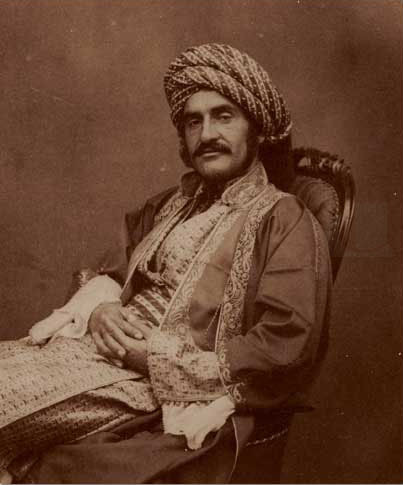
Hormuzd Rassam (Syriac: ܗܪܡܙܕ ܪܣܐܡ; Arabic: هرمز رسام; 1826 – 16 September 1910) was an Assyriologist and author. He is known for making a number of important archaeological discoveries from 1877 to 1882, including the clay tablets that contained the Epic of Gilgamesh, the world's oldest notable literature. He is widely believed to be the first-known Middle Eastern and Assyrian archaeologist from the Ottoman Empire. He emigrated to the United Kingdom, where he was naturalized as a British citizen, settling in Brighton. He represented the government as a diplomat, helping to free British diplomats from captivity in Ethiopia.
Hormuzd Rassam was an ethnic Assyrian, born in Mosul in Upper Mesopotamia (now modern northern Iraq), then part of the Ottoman Empire. His father was a member of the Chaldean Catholic Church where his grandfather, Anton Rassam, from Mosul, was the church's archdeacon. His mother Theresa was a daughter of Isaak Halabee of Aleppo, also then within the Ottoman Empire. Hormuzd's brother was British Vice-Consul in Mosul, which was how he obtained his start with Layard.
At the age of 20 in 1846, Rassam was hired by British archaeologist Austen Henry Layard as a paymaster at Nimrud, a nearby ancient Assyrian excavation site. Layard, who was in Mosul on his first expedition (1845–47), was impressed by the hardworking Rassam and took him under his wing; they would remain friends for life. Layard provided an opportunity for Rassam to travel to England and study at Magdalen College, Oxford. He studied there for 18 months before accompanying Layard on his second expedition to Iraq (1849–51).
Layard left archeology to begin a political career. Rassam continued field work (1852–54) at Nimrud and Nineveh, where he made a number of important and independent discoveries. These included the clay tablets that would later be deciphered by George Smith as the Epic of Gilgamesh, the world's oldest written narrative poem. The tablets' description of a flood myth, written 1000 years prior to the earliest record of the Biblical story of Noah, caused much debate at the time about the Biblical narrative of ancient history.
Rassam returned to England. With the help of Layard, he began a new career in government with a posting to the British Consulate in Aden, quickly rising to the post of First Political Resident and facilitating a number of agreements between the British and formerly hostile local community leaders. In 1866, an international crisis arose in Ethiopia when British missionaries were taken hostage by Emperor Tewodros II. England decided to send Rassam as an ambassador with a message from Queen Victoria in the hope of resolving the situation peacefully. After being delayed for about a year in Massawa, Rassam at last received permission from the Emperor to enter his realm. Due to rebellions in Tigray Province, Rassam was forced to follow a circuitous route taking him to Kassala, then to Metemma along the western shore of Lake Tana before finally meeting with Emperor Tewodros in northern Gojjam. At first his effort seemed promising, as the Emperor established him at Qorata, a village on the south-eastern shores of Lake Tana, and sent him numerous gifts. The emperor sent the British consul Charles Duncan Cameron, the missionary Henry Aaron Stern, and the other hostages to his encampment.
However, about this time Charles Tilstone Beke arrived at Massawa and forwarded letters from the hostages' families to Tewodros asking for their release. At the least Beke's actions only made Tewodros suspicious. Rassam, writing in his memoirs of the incident, is more direct: "I date the change in the King's conduct towards me, and the misfortunes which eventually befell the members of the Mission and the old captives, from this day." The monarch suddenly changed his mind, and made Rassam a prisoner as well. The British hostages were held for two years until English and Indian troops under Robert Napier, 1st Baron Napier of Magdala in the 1868 British Expedition to Abyssinia resolved the standoff by defeating the warlord and his army. Rassam's reputation was damaged in newspaper accounts because he was unfairly portrayed as ineffectual in dealing with the emperor. This reflected Victorian prejudices of the time against "Orientals". However, Rassam did have supporters, both in the press and especially in government amongst both Liberal and Tory ministers. In 1869, the London Quarterly Review received Rassam's memoir of the Abyssinian crisis positively, acknowledged Rassam's qualifications for the mission and defended his actions under difficult circumstances:
[I]t will remove any doubts that may still exist as to the origin of his mission, the wisdom of the selection of its chief, and the manner in which a task of extraordinary difficulty, delicacy, and danger was performed...it [is] shown by Mr. Rassam that two successive Governments should have expressed their entire approval of his conduct Lord Stanley has done, that he is above party of a public officer who has been unjustly attacked and condemned; and in a letter to Mr. Rassam, laid before Parliament, he expressed the high sense entertained by Her Majesty's Government of his conduct during the difficult and arduous period of his employment under the Foreign Office, and declared that he had acted throughout for the best, and that his prudence, discretion, and good management seem to have tended greatly to preserve the peace. [and secured] prisoners in the most serious risk... This ample recognition of his services, coming from so high and impartial a quarter, ought to afford ample compensation to Ram for the injustice and cruelty - we might almost say malignity - of the attacks made upon his personal character and his public conduct, both in Parliament and the press, when he was in captivity and unable to reply or to defend himself.
Queen Victoria presented him with a purse of £5,000 for services rendered as her envoy in the crisis.
Hub AI
Hormuzd Rassam AI simulator
(@Hormuzd Rassam_simulator)
Hormuzd Rassam
Hormuzd Rassam (Syriac: ܗܪܡܙܕ ܪܣܐܡ; Arabic: هرمز رسام; 1826 – 16 September 1910) was an Assyriologist and author. He is known for making a number of important archaeological discoveries from 1877 to 1882, including the clay tablets that contained the Epic of Gilgamesh, the world's oldest notable literature. He is widely believed to be the first-known Middle Eastern and Assyrian archaeologist from the Ottoman Empire. He emigrated to the United Kingdom, where he was naturalized as a British citizen, settling in Brighton. He represented the government as a diplomat, helping to free British diplomats from captivity in Ethiopia.
Hormuzd Rassam was an ethnic Assyrian, born in Mosul in Upper Mesopotamia (now modern northern Iraq), then part of the Ottoman Empire. His father was a member of the Chaldean Catholic Church where his grandfather, Anton Rassam, from Mosul, was the church's archdeacon. His mother Theresa was a daughter of Isaak Halabee of Aleppo, also then within the Ottoman Empire. Hormuzd's brother was British Vice-Consul in Mosul, which was how he obtained his start with Layard.
At the age of 20 in 1846, Rassam was hired by British archaeologist Austen Henry Layard as a paymaster at Nimrud, a nearby ancient Assyrian excavation site. Layard, who was in Mosul on his first expedition (1845–47), was impressed by the hardworking Rassam and took him under his wing; they would remain friends for life. Layard provided an opportunity for Rassam to travel to England and study at Magdalen College, Oxford. He studied there for 18 months before accompanying Layard on his second expedition to Iraq (1849–51).
Layard left archeology to begin a political career. Rassam continued field work (1852–54) at Nimrud and Nineveh, where he made a number of important and independent discoveries. These included the clay tablets that would later be deciphered by George Smith as the Epic of Gilgamesh, the world's oldest written narrative poem. The tablets' description of a flood myth, written 1000 years prior to the earliest record of the Biblical story of Noah, caused much debate at the time about the Biblical narrative of ancient history.
Rassam returned to England. With the help of Layard, he began a new career in government with a posting to the British Consulate in Aden, quickly rising to the post of First Political Resident and facilitating a number of agreements between the British and formerly hostile local community leaders. In 1866, an international crisis arose in Ethiopia when British missionaries were taken hostage by Emperor Tewodros II. England decided to send Rassam as an ambassador with a message from Queen Victoria in the hope of resolving the situation peacefully. After being delayed for about a year in Massawa, Rassam at last received permission from the Emperor to enter his realm. Due to rebellions in Tigray Province, Rassam was forced to follow a circuitous route taking him to Kassala, then to Metemma along the western shore of Lake Tana before finally meeting with Emperor Tewodros in northern Gojjam. At first his effort seemed promising, as the Emperor established him at Qorata, a village on the south-eastern shores of Lake Tana, and sent him numerous gifts. The emperor sent the British consul Charles Duncan Cameron, the missionary Henry Aaron Stern, and the other hostages to his encampment.
However, about this time Charles Tilstone Beke arrived at Massawa and forwarded letters from the hostages' families to Tewodros asking for their release. At the least Beke's actions only made Tewodros suspicious. Rassam, writing in his memoirs of the incident, is more direct: "I date the change in the King's conduct towards me, and the misfortunes which eventually befell the members of the Mission and the old captives, from this day." The monarch suddenly changed his mind, and made Rassam a prisoner as well. The British hostages were held for two years until English and Indian troops under Robert Napier, 1st Baron Napier of Magdala in the 1868 British Expedition to Abyssinia resolved the standoff by defeating the warlord and his army. Rassam's reputation was damaged in newspaper accounts because he was unfairly portrayed as ineffectual in dealing with the emperor. This reflected Victorian prejudices of the time against "Orientals". However, Rassam did have supporters, both in the press and especially in government amongst both Liberal and Tory ministers. In 1869, the London Quarterly Review received Rassam's memoir of the Abyssinian crisis positively, acknowledged Rassam's qualifications for the mission and defended his actions under difficult circumstances:
[I]t will remove any doubts that may still exist as to the origin of his mission, the wisdom of the selection of its chief, and the manner in which a task of extraordinary difficulty, delicacy, and danger was performed...it [is] shown by Mr. Rassam that two successive Governments should have expressed their entire approval of his conduct Lord Stanley has done, that he is above party of a public officer who has been unjustly attacked and condemned; and in a letter to Mr. Rassam, laid before Parliament, he expressed the high sense entertained by Her Majesty's Government of his conduct during the difficult and arduous period of his employment under the Foreign Office, and declared that he had acted throughout for the best, and that his prudence, discretion, and good management seem to have tended greatly to preserve the peace. [and secured] prisoners in the most serious risk... This ample recognition of his services, coming from so high and impartial a quarter, ought to afford ample compensation to Ram for the injustice and cruelty - we might almost say malignity - of the attacks made upon his personal character and his public conduct, both in Parliament and the press, when he was in captivity and unable to reply or to defend himself.
Queen Victoria presented him with a purse of £5,000 for services rendered as her envoy in the crisis.
Recent media