
Recent from talks
Jeju Province
Knowledge base stats:
Talk channels stats:
Members stats:
Jeju Province
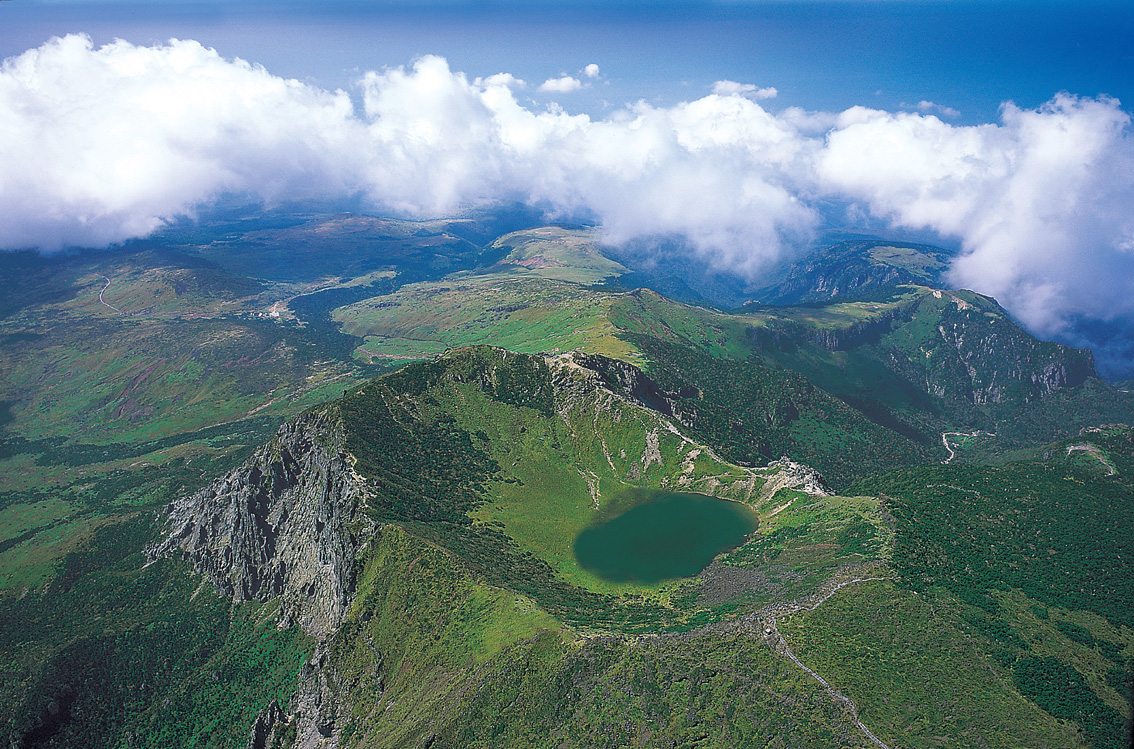
Jeju Province (Jeju and Korean: 제주도; Hanja: 濟州道; RR: Jejudo), officially Jeju Special Self-Governing Province (Jeju: 제주특벨ᄌᆞ치도; Korean: 제주특별자치도; Hanja: 濟州特別自治道; RR: Jeju Teukbyeoljachi-do), is the southernmost province of South Korea, consisting of eight inhabited and 55 uninhabited islands, including Marado, Udo, the Chuja Archipelago, and the country's largest island, Jeju Island. The province is located in the Korea Strait, with the Korean Peninsula to the northwest, Japan to the east, and China to the west. The province has two cities: the capital Jeju City, on the northern half of the island, and Seogwipo, on the southern half of the island. The island is home to the shield volcano Hallasan, the highest point in South Korea. Jeju and Korean are the official languages of the province, and the vast majority of residents are bilingual.
Jeju Island was first settled by humans 8,000 to 10,000 years ago and the Tamna Kingdom is the earliest known civilization on the island. Beginning in the 5th century AD, the kingdom would become a tributary state of various Korean Kingdoms and briefly invaded by the Mongol Empire, before being annexed into the Goryeo in 1105 and later Joseon in 1392. Joseon ruled the island brutally and multiple uprisings occurred. Jeju Island, with the rest of mainland Korea, was annexed by the Empire of Japan in 1910. Following Japan's surrender in World War II in 1945, the islands became part of South Jeolla Province in the United States Army Military Government in Korea, before becoming a separate province on August 1, 1946. On July 1, 2006, the islands were designated a Special Self-Governing Province; it is now one of three special self-governing provinces, the others being Gangwon State and Jeonbuk State.
The earliest known polity on the island was the kingdom of Tamna.
According to the legend, three demigods emerged from Samseong, which is said to have been on the northern slopes of Hallasan and became the progenitors of the Jeju people, who founded the Kingdom of Tamna.
It has also been claimed that three brothers, including Ko-hu, who were the 15th descendants of Koulla, one of the progenitors of the Jeju people, were received by the court of Silla, at which time[when?] the name Tamna was officially recognized, while the official government posts of Commander, Prince and Governor were conferred by the court upon the three. However, there is no concrete evidence of when the "Three Names" (Samseong-Ko, Yang and Pu) appeared nor the exact date of when Ko-hu and his brothers were received by Silla. The "Three Names" Founding Period may be assumed to have occurred during the Three Kingdoms (Goguryeo, Baekje and Silla) Period on the mainland of Korea.
Taejo, founder of Goryeo, attempted to establish the same relationship between Goryeo and Tamna as Tamna had had with Silla. Tamna refused to accept this position and the Goryeo court dispatched troops to force Tamna to submit. Ko ja-gyeon, chief of Tamna, submitted to Goryeo in 938 and sent his son, Prince Mallo, to Goryeo's court as a de facto hostage. In 1105, (King Sukjong's 10th year), the Goryeo court abolished the name Takna, which had been used up to this time and, from that year on, the island was known as "Tamna-gun" (district) and Goryeo officials were sent to handle the affairs of the island.[citation needed]
Tamna-country was changed to Tamna-county in 1153, during the reign of King Uijong and Choi Cheok-kyeong was posted as Tamna-Myeong or Chief of Tamna. During the reign of Gojong of Goryeo, Tamna was renamed "Jeju", which means "province across the sea".
In 1271, General Kim T'ong-jŏng escaped with what remained of his Sambyeolcho force from Jindo and built the Hangpadu Fortress at Kwiil-chon from where they continued their fight against the combined Korean government-Mongolian army, but within two years, faced by an enemy army of over 10,000 troops, the Sambyeolcho was annihilated.
Hub AI
Jeju Province AI simulator
(@Jeju Province_simulator)
Jeju Province
Jeju Province (Jeju and Korean: 제주도; Hanja: 濟州道; RR: Jejudo), officially Jeju Special Self-Governing Province (Jeju: 제주특벨ᄌᆞ치도; Korean: 제주특별자치도; Hanja: 濟州特別自治道; RR: Jeju Teukbyeoljachi-do), is the southernmost province of South Korea, consisting of eight inhabited and 55 uninhabited islands, including Marado, Udo, the Chuja Archipelago, and the country's largest island, Jeju Island. The province is located in the Korea Strait, with the Korean Peninsula to the northwest, Japan to the east, and China to the west. The province has two cities: the capital Jeju City, on the northern half of the island, and Seogwipo, on the southern half of the island. The island is home to the shield volcano Hallasan, the highest point in South Korea. Jeju and Korean are the official languages of the province, and the vast majority of residents are bilingual.
Jeju Island was first settled by humans 8,000 to 10,000 years ago and the Tamna Kingdom is the earliest known civilization on the island. Beginning in the 5th century AD, the kingdom would become a tributary state of various Korean Kingdoms and briefly invaded by the Mongol Empire, before being annexed into the Goryeo in 1105 and later Joseon in 1392. Joseon ruled the island brutally and multiple uprisings occurred. Jeju Island, with the rest of mainland Korea, was annexed by the Empire of Japan in 1910. Following Japan's surrender in World War II in 1945, the islands became part of South Jeolla Province in the United States Army Military Government in Korea, before becoming a separate province on August 1, 1946. On July 1, 2006, the islands were designated a Special Self-Governing Province; it is now one of three special self-governing provinces, the others being Gangwon State and Jeonbuk State.
The earliest known polity on the island was the kingdom of Tamna.
According to the legend, three demigods emerged from Samseong, which is said to have been on the northern slopes of Hallasan and became the progenitors of the Jeju people, who founded the Kingdom of Tamna.
It has also been claimed that three brothers, including Ko-hu, who were the 15th descendants of Koulla, one of the progenitors of the Jeju people, were received by the court of Silla, at which time[when?] the name Tamna was officially recognized, while the official government posts of Commander, Prince and Governor were conferred by the court upon the three. However, there is no concrete evidence of when the "Three Names" (Samseong-Ko, Yang and Pu) appeared nor the exact date of when Ko-hu and his brothers were received by Silla. The "Three Names" Founding Period may be assumed to have occurred during the Three Kingdoms (Goguryeo, Baekje and Silla) Period on the mainland of Korea.
Taejo, founder of Goryeo, attempted to establish the same relationship between Goryeo and Tamna as Tamna had had with Silla. Tamna refused to accept this position and the Goryeo court dispatched troops to force Tamna to submit. Ko ja-gyeon, chief of Tamna, submitted to Goryeo in 938 and sent his son, Prince Mallo, to Goryeo's court as a de facto hostage. In 1105, (King Sukjong's 10th year), the Goryeo court abolished the name Takna, which had been used up to this time and, from that year on, the island was known as "Tamna-gun" (district) and Goryeo officials were sent to handle the affairs of the island.[citation needed]
Tamna-country was changed to Tamna-county in 1153, during the reign of King Uijong and Choi Cheok-kyeong was posted as Tamna-Myeong or Chief of Tamna. During the reign of Gojong of Goryeo, Tamna was renamed "Jeju", which means "province across the sea".
In 1271, General Kim T'ong-jŏng escaped with what remained of his Sambyeolcho force from Jindo and built the Hangpadu Fortress at Kwiil-chon from where they continued their fight against the combined Korean government-Mongolian army, but within two years, faced by an enemy army of over 10,000 troops, the Sambyeolcho was annihilated.
Recent media