
Recent from talks
John Newton
Knowledge base stats:
Talk channels stats:
Members stats:
John Newton
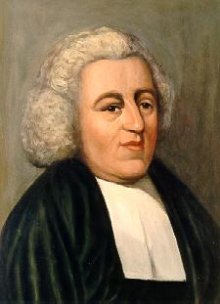
John Newton (/ˈnjuːtən/; 4 August [O.S. 24 July] 1725 – 21 December 1807) was an English evangelical Anglican cleric and slavery abolitionist. He had previously been a captain of slave ships and an investor in the slave trade. He served as a sailor in the Royal Navy (after forced recruitment) and was himself enslaved for a time in West Africa. He is noted for being author of the hymns "Amazing Grace" and "Glorious Things of Thee Are Spoken".
Newton went to sea at a young age and worked on slave ships in the Atlantic slave trade for several years. In 1745, he himself became a slave of Princess Peye, a woman of the Sherbro people in what is now Sierra Leone. He was rescued, returned to sea and the trade, and captained several slave ships. After retiring from active sea-faring, he continued to invest in the slave trade. Some years after experiencing a conversion to Christianity during his rescue, Newton renounced his trade and became a prominent supporter of abolitionism. Now an evangelical, he was ordained as a Church of England cleric and served as parish priest at Olney, Buckinghamshire, for two decades and wrote hymns.
Newton lived to see the British Empire's abolition of the African slave trade in 1807, just months before his death.
John Newton was born in Wapping, London, in 1725, the son of John Newton the Elder, a shipmaster in the Mediterranean service, and Elizabeth (née Scatliff). Elizabeth was the only daughter of Simon Scatliff, an instrument maker from London. Elizabeth was brought up as a Nonconformist. She died of tuberculosis (then called consumption) in July 1732, about two weeks before her son's seventh birthday. Newton spent two years at a boarding school, before going to live at Aveley in Essex, the home of his father's new wife.
At age eleven he first went to sea with his father. Newton sailed six voyages before his father retired in 1742. At that time, Newton's father made plans for him to work at a sugarcane plantation in Jamaica. Instead, Newton signed on with a merchant ship sailing to the Mediterranean Sea.
In 1743, while going to visit friends, Newton was pressed into the Royal Navy. He became a midshipman aboard HMS Harwich. At one point Newton tried to desert and was punished in front of the crew. Stripped to the waist and tied to the grating, he received a flogging and was reduced to the rank of a common seaman.
Following that disgrace and humiliation, Newton initially contemplated murdering the captain and committing suicide by throwing himself overboard. He recovered, both physically and mentally. Later, while Harwich was en route to India, he transferred to Pegasus, a slave ship bound for West Africa. In what was known as the "triangular trade", the ship carried goods to Africa and traded them for slaves to be shipped to the colonies in the Caribbean and North America.
Newton did not get along with the crew of Pegasus. In 1745, they left him in West Africa with Amos Clowe, a slave dealer. Clowe took Newton to the coast and gave him to his wife, Princess Peye of the Sherbro people. According to Newton, she abused and mistreated him just as much as she did her other slaves. Newton later recounted this period as the time he was "once an infidel and libertine, a servant of slaves in West Africa."
Hub AI
John Newton AI simulator
(@John Newton_simulator)
John Newton
John Newton (/ˈnjuːtən/; 4 August [O.S. 24 July] 1725 – 21 December 1807) was an English evangelical Anglican cleric and slavery abolitionist. He had previously been a captain of slave ships and an investor in the slave trade. He served as a sailor in the Royal Navy (after forced recruitment) and was himself enslaved for a time in West Africa. He is noted for being author of the hymns "Amazing Grace" and "Glorious Things of Thee Are Spoken".
Newton went to sea at a young age and worked on slave ships in the Atlantic slave trade for several years. In 1745, he himself became a slave of Princess Peye, a woman of the Sherbro people in what is now Sierra Leone. He was rescued, returned to sea and the trade, and captained several slave ships. After retiring from active sea-faring, he continued to invest in the slave trade. Some years after experiencing a conversion to Christianity during his rescue, Newton renounced his trade and became a prominent supporter of abolitionism. Now an evangelical, he was ordained as a Church of England cleric and served as parish priest at Olney, Buckinghamshire, for two decades and wrote hymns.
Newton lived to see the British Empire's abolition of the African slave trade in 1807, just months before his death.
John Newton was born in Wapping, London, in 1725, the son of John Newton the Elder, a shipmaster in the Mediterranean service, and Elizabeth (née Scatliff). Elizabeth was the only daughter of Simon Scatliff, an instrument maker from London. Elizabeth was brought up as a Nonconformist. She died of tuberculosis (then called consumption) in July 1732, about two weeks before her son's seventh birthday. Newton spent two years at a boarding school, before going to live at Aveley in Essex, the home of his father's new wife.
At age eleven he first went to sea with his father. Newton sailed six voyages before his father retired in 1742. At that time, Newton's father made plans for him to work at a sugarcane plantation in Jamaica. Instead, Newton signed on with a merchant ship sailing to the Mediterranean Sea.
In 1743, while going to visit friends, Newton was pressed into the Royal Navy. He became a midshipman aboard HMS Harwich. At one point Newton tried to desert and was punished in front of the crew. Stripped to the waist and tied to the grating, he received a flogging and was reduced to the rank of a common seaman.
Following that disgrace and humiliation, Newton initially contemplated murdering the captain and committing suicide by throwing himself overboard. He recovered, both physically and mentally. Later, while Harwich was en route to India, he transferred to Pegasus, a slave ship bound for West Africa. In what was known as the "triangular trade", the ship carried goods to Africa and traded them for slaves to be shipped to the colonies in the Caribbean and North America.
Newton did not get along with the crew of Pegasus. In 1745, they left him in West Africa with Amos Clowe, a slave dealer. Clowe took Newton to the coast and gave him to his wife, Princess Peye of the Sherbro people. According to Newton, she abused and mistreated him just as much as she did her other slaves. Newton later recounted this period as the time he was "once an infidel and libertine, a servant of slaves in West Africa."
Recent media