Hubbry Logo
Gunshow (webcomic)Gunshow (webcomic)Main
Open search
Gunshow (webcomic)
Community hub
Gunshow (webcomic)
logo
7 pages, 0 posts
0 subscribers
Be the first to start a discussion here.
Gunshow (webcomic)
Gunshow (webcomic)
from Wikipedia
Gunshow
AuthorKC Green
Websitehttp://gunshowcomic.com/
Launch date2008
End date2014

Gunshow is a 2008 webcomic created by KC Green. The webcomic is gag-a-day, having little overarching story and covering a large variation of topics with strong tonal shifts. Gunshow is well known for spawning the "This is fine" internet meme in 2013. The webcomic concluded in 2014, as Green moved on to other creative work.

Overview

[edit]

Gunshow is written by KC Green, known for other webcomics such as Back, He Is A Good Boy, and Pinocchio. Green has also worked on the Adventure Time episode "The Thin Yellow Line" and published a graphic novel through Oni Press titled Graveyard Quest.[1][2] Gunshow features recurring characters, but very little ongoing plot.[1] Alex Borkowski of Heave Media stated that Gunshow defies categorization, as Green covers topics ranging from the nature of compromise to pushing one's limits to an endearing story about a crab falling in love with a lady. The webcomic has run for hundreds of pages and tends to use self-referential humor from time to time. Gunshow frequently features some longer storylines, its most ambitious piece being "Anime Club", a story about four anime fans who get kicked out of their meeting spot for watching a hentai film.[3]

KC Green ended Gunshow in late 2014, as his other webcomics and his Patreon income allowed him to move on from it.[4]

"This is fine"

[edit]
The first two panels of the strip

A 2013 Gunshow strip titled "On Fire" features an anthropomorphic dog (dubbed "Question Hound")[5][6] drinking tea in a room that is burning down. Despite its own body catching fire and beginning to melt, the dog remains perfectly calm throughout the six-panel strip, saying lines such as "That's okay, things are going to be okay." The first two panels of the strip, featuring the dog simply sitting in the blazing room saying "this is fine", became a popular internet meme. The dog's demeanor, described as "somewhere between bemused acceptance and outright denial" by Slate Magazine's Jacob Brogan, proved popular with its full context removed. The sentence "this is fine" was described by The Verge's Chris Plante as a "shorthand for when a situation becomes so terrible our brains refuse to grapple with its severity".[7][8]

The spread of the two panels was traced back by the Know Your Meme community to September 2014, when the image appeared without attribution on Reddit and Imgur with the caption "Basically how I'm handling life right now". The meme has been used on social media as a general comment on bad events or disasters, such as the Deepwater Horizon oil spill. Green described the meme's popularity in 2016 as "a barometer of current trends", indicating that it was an intense year. Brogan stated that the meme is unique because it is infrequently modified from its original version and because its popularity was still climbing as of 2016.[7][8]

Watch NASA’s Perseverance Rover Land on Mars!
The plushie appeared in the show at the EDL Operation Lead's table.
YouTube logo
video icon 1:18:48, a front view
video icon 1:56:36, a side view

In an interview, KC Green stated that during the period in which he created "On Fire" he was struggling with himself and getting his anti-depressant dosage right. As the image's popularity surged, Green started selling prints and shirts of the strip on his TopatoCo storefront. Green noted that "It's easier to sell the first two [panels] than the entire [comic] where the dog melts into nothingness."[8] Purchase of Question Hound as a plushie, and later in 2020 as a Funko Pop!, was also made available on TopatoCo.[9] The plushie received newfound attention on social media when one was seen at the Mars 2020 mission control for the landing of Perseverance.[10][11]

In 2016 Green followed up the "On Fire" comic with a "This is Not Fine" comic on The Nib, in which the dog abruptly switches from denial of the fire to terror over it, putting it out in a panic while yelling at themselves for letting the fire go so far out of control, and makes mention of the recent killing of Harambe, a gorilla in a Cincinnati zoo.[12]

In 2016, The New York Times called "This is fine" "the meme this year deserves".[13] In 2023, the Atlantic called it "The Meme That Defined a Decade", and called it "a work of near-endless interpretability".[14]

In June 2023, the "This is Fine" emote cosmetic was added to Epic Games' Fortnite: Battle Royale as part of the Chapter 4: Season 3 Battle Pass in collaboration with KC Green.[15]

In September 2024, KC Green and Numskull Games announced that they are working on a video game based on "On Fire" titled This is Fine: Maximum Cope which is planned as a "classic, old-school, platformer game" where Question Hound battles monsters from inside his subconscious.[16][17] KC Green and Numskull Games also announced that a Kickstarter campaign to help fund the game's development will start of September 26.[18][19]

Usage in politics

[edit]

"i still feel like i dont need to get paid when businesses or the like use memes of my art on social media. thats just how it goes now.

but I still feel I have the right to show my distaste for when it's used by unsavory people in my eyes.

so, thus, in conclusion, the gop account can eat me."

—KC Green[20]

In July 2016, the United States Republican Party (or GOP, short for "Grand Old Party") used the "This is fine" meme in a Twitter message, in reference to the Democratic Party selecting Hillary Clinton as their presidential candidate during the 2016 Democratic National Convention. The usage of the meme suggested that Democratic voters were in denial about damage being done by selecting Clinton as candidate, though it may also be that the GOP was simply celebrating what they saw as a "Democratic meltdown".[20] Usage of the meme by the GOP drew backlash from some Democratic voters, webcomic creators, and also from KC Green himself, who said "everyone is in their right to use this is fine [sic] on social media posts, but man o man I personally would like @GOP to delete their stupid post." Vox Media compared Green's experience with that of various musicians that had their works appropriated for political purposes, and The New York Observer used the event as an example of how the works of webcomic artists are frequently reposted without proper attribution.[20][21]

Green had already anticipated the usage of his webcomic strip for political purposes. First Look Media's webcomic The Nib commissioned Green before the Democratic National Convention to draw a version of the "This is fine" meme featuring the GOP elephant mascot similarly sitting in a flaming room. The artwork was commissioned to be placed in the Philadelphia Art Gallery in Old City. Once the GOP posted the Twitter message, The Nib responded with "We actually paid the artist who made this. Here's what he came up with" and a hyperlink to the cartoon.[20][21]

The Ukrainian authorities behind the @Ukraine Twitter account used an animated version of the "This is fine" meme to illustrate in a self-deprecating sardonic tone the fight against the 2017 Ukraine ransomware attacks.[22] This invited comments that they used the meme wrongly, since it came to signify disastrous government inaction; but it attracted attention to the tweet and contributed to an increase in the number of followers.[22]

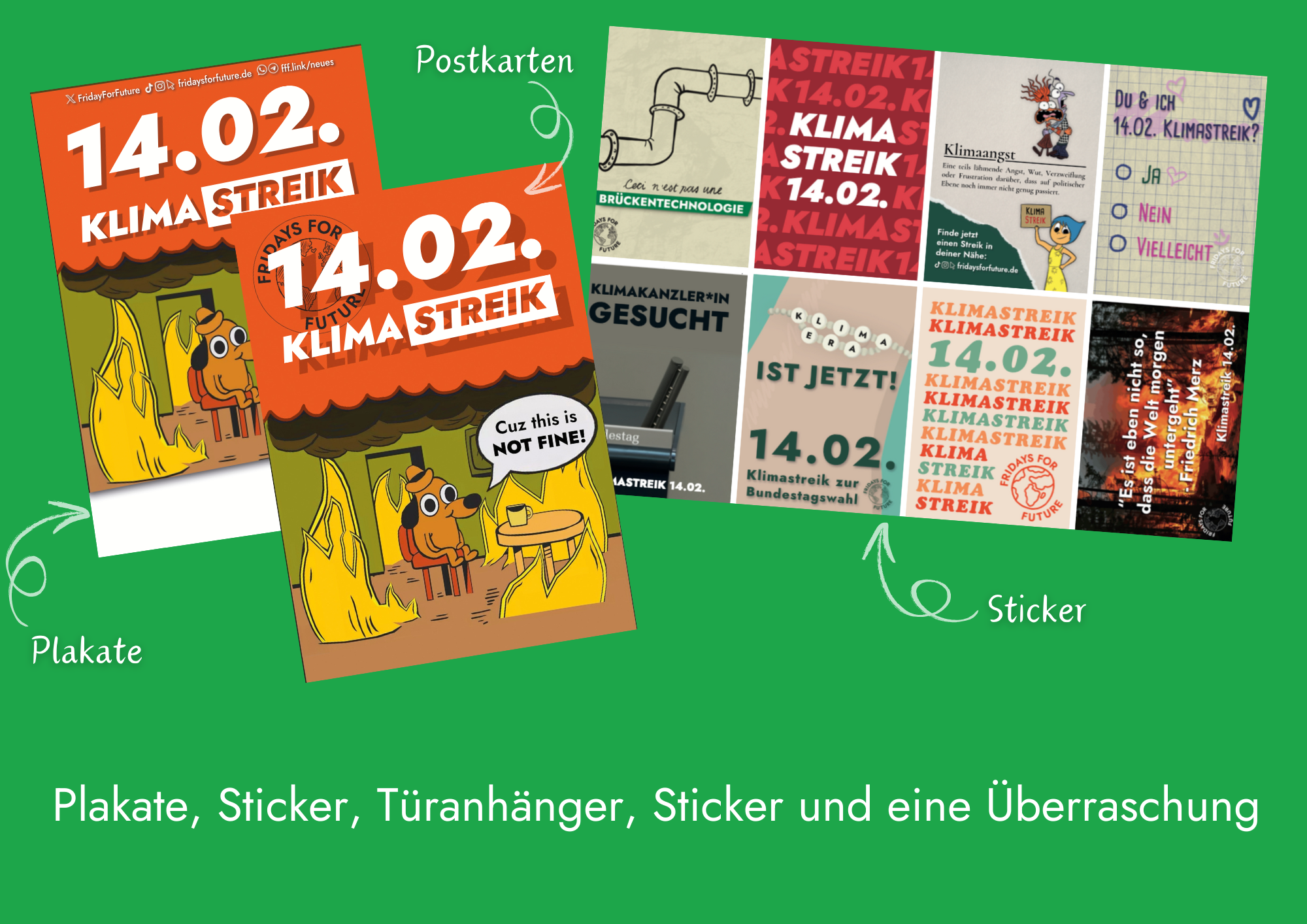
In early‑January 2025, Fridays for Future Germany used the first frame, redrawn to flat colors, to publicize their upcoming nationwide rally scheduled for 14 February 2025.[23] Their caption reads instead: "Cuz this is not fine!".

Media

[edit]

In January 2016, Jason DeMarco, vice president and creative director of Cartoon Network's Adult Swim block, announced that there would be an animated series based on Green's webcomic. The series, animated by Shmorky, was teased by an animated version of the "On Fire" strip voiced by Dana Snyder.[8][24]

References

[edit]
Revisions and contributorsEdit on WikipediaRead on Wikipedia
from Grokipedia
is a series created and illustrated by American cartoonist KC Green, published online from 2008 to 2014 and featuring an eclectic array of standalone strips characterized by surreal, absurd, and often introspective humor exploring themes such as existential dread, family dynamics, and human folly. Initially presented as simple formats, the strips evolved into more elaborate multi-panel narratives with recurring motifs and characters, though lacking a continuous storyline. The series concluded at the end of 2014 as Green sought creative renewal for new projects, having built a substantial following through its unpredictable tonal shifts and raw emotional resonance. Gunshow achieved enduring cultural impact via the 2013 strip "On Fire," portraying an anthropomorphic dog serenely drinking coffee in a room engulfed by flames—a visual for passive of chaos that proliferated as the "This is fine" across and popular discourse.

History

Creation and Early Development

Gunshow was created by American cartoonist KC Green as a return to gag-oriented, low-continuity webcomics following the conclusion of his more narrative-driven series Horribleville. Green launched the comic on September 4, 2008, initially producing simple three-panel black-and-white strips characterized by absurdist humor, rapid shifts in art style, and standalone gags without overarching plots. The debut strip featured a , Question Hound—a anthropomorphic posed as a —reflecting Green's interest in surreal, character-driven absurdity that would evolve over time. Early installments drew from Green's prior experiments with free-form sketches and secondary strips in Horribleville, emphasizing untethered over serialized storytelling to allow for thematic variety, including dark comedy and cultural references. This approach enabled weekly updates on Green's personal site, gunshowcomic.com, fostering a niche audience through unpolished, experimental formats. By 2009, the comic had established a rhythm of daily or near-daily gags, with Green citing a deliberate shift away from the constraints of continuity to recapture the spontaneity of his pre-Horribleville work, though it retained crude, vulgar elements that defined his style. This foundational phase laid the groundwork for Gunshow's expansion into longer, colored multi-panel narratives in later years, but remained rooted in concise, punchy humor.

Evolution and Conclusion

Gunshow initially launched as a gag-a-day webcomic featuring simple, three-panel black-and-white strips centered on absurd, spontaneous humor with minimal continuity. Over its run, the comic evolved toward more intricate narratives, incorporating multi-panel formats—expanding to as many as 18 panels in later installments—and introducing color to enhance visual storytelling. This shift reflected a progression from standalone gags to more developed joke structures, allowing for deeper exploration of recurring motifs while maintaining KC Green's signature surreal and self-referential style. The comic's output remained consistent, with strips posted several times weekly, but the increasing complexity demanded greater creative investment from Green. By late 2014, after approximately six years of publication, Green concluded Gunshow with a final strip titled "Thanks bye" dated January 1, 2015. He cited a desire for creative change and a sense of completion as primary reasons, stating, "I wanted a change in my creative life and just felt done. Time to move on. Simple as that." This decision was facilitated by growing income from Patreon supporters and other ongoing projects, such as the collaborative comic BACK and the solo series He Is a Good Boy, which provided financial stability independent of Gunshow's demands. Post-conclusion, Green compiled the final collection, Gunshow Vol. 6: Doomed to Repeat It, via a 2015 Kickstarter campaign, marking the comic's archival transition into print format. The ending allowed Green to retire the series without broader withdrawal from webcomics, emphasizing a deliberate pivot rather than exhaustion.

Content and Style

Artistic Approach and Humor

Gunshow employs a minimalist drawing style characterized by simple linework and exaggerated facial expressions to convey narrative and comedic timing efficiently. The comic's art evolved from initial three-panel black-and-white strips to more expansive colored formats, sometimes reaching 18 panels, with later installments often using a six-panel grid for rapid joke delivery. This gritty, unpolished aesthetic contrasts with polished gag comics, relying on and visual absurdity—such as goofy contortions or mechanical oddities—to drive humor without heavy reliance on . The humor in Gunshow centers on absurdist gags that blend the mundane with the surreal, often escalating everyday scenarios into illogical or self-destructive outcomes. KC Green describes his comedic approach as exploring "weird" connections and overused tropes with timing that highlights depressive or hopeless themes, tempered by and personal . Early strips follow a format with primal, low-brow elements like bodily function jokes, while later ones incorporate more complex, culturally referential , such as anthropomorphic characters in existential denial. This interplay of sparse art and dark, self-deprecating wit allows single images or sequences to encapsulate layered irony, as in depictions of characters ignoring catastrophe amid chaotic environments.

Recurring Themes and Elements

Gunshow encompasses a broad spectrum of themes drawn from personal and existential experiences, including sadness, love, death, family relationships, growing up, and emotional breakdown, frequently intertwined with grotesque or fantastical imagery such as bones, blood, nerd subcultures, hellish settings, dogs, ghosts, and improbable scenarios like a mummy exhibiting exaggerated arousal. These elements underscore the comic's absurdist humor, which KC Green has described as a hodgepodge blending cultural references with shifting artistic approaches to deliver punchlines that evolve from simple gags to more intricate setups. A prominent recurring theme involves depressive and self-destructive tendencies, often rendered comically through scenarios evoking apprehension, isolation, and futile coping mechanisms, as seen in strips where characters confront personal failures or surreal hazards with detached . This motif aligns with Green's broader oeuvre, where humor tempers darker introspection without resolving underlying tensions, reflecting influences from his own struggles during the comic's run, such as adjustments to anti-depressant dosages that informed strips like "On Fire." In terms of structural elements, Gunshow maintains a format largely devoid of overarching plot continuity, yet incorporates recurring characters to anchor disparate strips. The Nerd Group—Mort (the domineering leader), Mark (the unmotivated schemer), Dave (the passive observer), and Clyde (the anxious outsider)—frequently appears in vignettes satirizing , group dynamics, and adolescent awkwardness, originating as a high school ensemble. Other fixtures include the Recurring Dickheads as a background injecting irreverent commentary, fourth-wall-breaking narrators in horror-tinged "Tales from a Creep," rivalrous Enemies embodying petty grudges, and self-insert appearances by the Author figure with variable hairstyles. Visual and narrative motifs recur as well, such as concluding panels with characters staring blankly into mirrors to punctuate ironic or unresolved outcomes, establishing a signature rhythm that reinforces themes of amid chaos. Additional elements like the Worst Doctors—depicted as inept or malevolent practitioners—and smug, antagonistic archetypes further populate the comic's universe, providing fodder for episodic critiques of authority, competence, and human flaws without enforcing progression. This eclectic assembly prioritizes thematic spontaneity over rigid serialization, allowing Green to experiment across tones from visceral horror to whimsical nonsense.

Notable Strips and Memes

"This is Fine" Strip

The "On Fire" strip, widely recognized as the origin of the "This is Fine" meme, was published on January 11, 2013, as part of KC Green's webcomic series Gunshow. The six-panel comic depicts Question Hound, an anthropomorphic dog character recurring in Green's work, seated calmly at a kitchen table amid a rapidly spreading fire. The dog pours and sips coffee from a mug, ignoring the flames licking the walls, floor, and curtains, culminating in the self-assuring caption "This is fine" in the final panel. Green created the strip to explore themes of denial and resignation, drawing from personal experiences of feeling overwhelmed yet immobilized by chaotic circumstances. The yellow-furred dog's stoic demeanor contrasted with the escalating inferno symbolizes passive coping mechanisms in the face of inevitable disaster, aligning with Gunshow's absurdist and introspective humor style. Initially one among hundreds of strips in the series, it garnered limited attention upon release but exploded in popularity by mid-2014 as internet users isolated the third panel—showing the dog with mug in hand—for captions depicting ironic acceptance of turmoil. The strip's meme adaptation often omits the preceding panels, where Question Hound enters and dismisses minor smoke, heightening the theme of gradual . Green later reflected that the comic's viral success overshadowed its original intent, leading to a 2016 follow-up strip "This is Not Fine," in which the dog finally reacts by standing amid the blaze, signaling a shift from to . By 2023, marking its tenth anniversary, the image had permeated digital culture, appearing in merchandise, animations, and even a forthcoming adaptation titled This is Fine: Maximum Cope.

Other Influential Strips

Gunshow featured numerous strips blending with pop culture references, contributing to its among readers despite lacking the viral ubiquity of "On Fire." One such example is a strip depicting a desperately summoning for aid against a tree, which escalates into an unexpected violent punchline, highlighted in early reviews for exemplifying the comic's irreverent, escalating gag structure. These standalone gags, often involving surreal violence or existential twists on everyday scenarios, helped solidify Green's reputation for concise, dark humor, as evidenced by the successful of collected volumes encompassing hundreds of strips from 2008 to 2014. While not spawning widespread memes, such content influenced subsequent by demonstrating how short-form absurdity could convey deeper unease without explicit narrative arcs.

Reception and Impact

Critical Reception

Gunshow received positive evaluations from webcomic reviewers for its irreverent, absurd humor and stylistic evolution, though often noted for appealing primarily to niche audiences tolerant of crude content. In a , of The Webcomic Overlook awarded it , praising its "short, simple, and hilarious" strips that tap into primal instincts like fart jokes, with gritty art featuring "stellar" exaggerated expressions that subvert expectations in unexpected ways, such as portraying Rorschach as a . However, the same review critiqued the unpolished art and childish themes involving "dangly parts" and bestiality, deeming it unsuitable for broader tastes. Later assessments highlighted Gunshow's progression from format to multi-panel narratives blending dark absurdity with emotional depth. A 2012 Gizmodo article described it as a "tricky comic to categorize," delighting in its unpredictable gags about grave robbers, bloody rain, and wolf apocalypses, while noting Green’s skill in walking "a fine line between humor and heartbreak," as seen in strips like exploring themes of growing up. The comic's influence extended to reader resonance with depictions of depression and hopelessness, with fans finding in "laughing at your perceived hopelessness," contributing to its status as a career-defining work for Green that occupied a "comfortable place in many people’s lives." Gunshow garnered recognition in indie comics circles, including a nomination for the 2014 Cartoonist Studio Prize in the webcomics category, underscoring its acclaim among peers for creative freedom and organic growth. KC Green himself emphasized its absurdist core and shifting art styles in a 2012 interview, positioning it as a platform for quick, reference-laden humor that built a dedicated readership without pursuing mainstream validation. Overall, while lacking widespread mainstream awards, the comic's reception affirmed its role as an influential force in webcomics, evolving from low-brow gags to more layered storytelling over its six-year run.

Cultural and Meme Influence

The "This is Fine" , originating from the June 1, 2013, "On Fire" strip in Gunshow, features KC Green's recurring character Question Hound seated at a table drinking coffee amid a room engulfed in flames, with the caption "This is fine." The image quickly gained traction as a symbol of , resignation, or ironic acceptance in the face of escalating crises, spreading across platforms and embedding itself in by mid-2016. Green has attributed its appeal to its reflection of personal emotional states, noting in interviews that the strip captured his own sense of detachment during stressful periods, which resonated universally. By 2017, the meme's ubiquity extended beyond online humor into and political discourse, often repurposed to critique situations of apparent self-delusion or systemic failure. For instance, it has been adapted to comment on political events, corporate mishaps, and personal burnout, with variations appearing in outlets like highlighting its use in political cartoons akin to other meme-ified characters. Green regained full ownership of the image in 2019 after a licensing dispute, underscoring the meme's commercial value and cultural staying power. Marking its 10th anniversary in January 2023, reflected on the 's enduring relevance, expressing a desire to evolve beyond it while acknowledging its role in shaping his career and broader influence. Despite Green's ambivalence, the continued to proliferate, appearing in analyses of chaos coping mechanisms and maintaining its status as a staple in digital expression. While Gunshow produced other strips that circulated online, "This is Fine" remains its most pervasive cultural export, illustrating the 's outsized impact relative to its niche origins.

Political and Media Usage

The "This is Fine" comic strip from Gunshow, featuring an anthropomorphic dog denying a surrounding inferno, has become a prominent symbol in political commentary for illustrating willful ignorance or complacency during crises. First published on August 13, 2013, the image gained traction in media outlets by 2016, particularly amid the U.S. presidential election, where it depicted reactions to scandals and uncertainties. For instance, The New York Times highlighted its role in capturing cultural denial, likening it to wartime propaganda motifs repurposed for modern irony. In partisan contexts, the meme has been appropriated across ideologies but often critiqued when used by opponents. During the , Republican social media accounts deployed it to mock Democratic responses to controversies, prompting backlash from outlets like Slate and Vox, which argued the attempt undermined its original intent of self-aware denial. KC Green, the strip's creator, expressed ambivalence toward such political appropriations in interviews, noting in 2017 that while anyone could use the , its GOP deployment felt misaligned with its humorous roots. The meme has appeared in official political rhetoric, such as U.S. Senator Richard Burr's 2018 reference during Senate Intelligence Committee hearings on Russian election interference, where he invoked it to underscore perceived downplaying of threats. Media usage extends to , including a November 2024 Saturday Night Live sketch portraying President in the dog's pose amid a Trump transition meeting, emphasizing perceived detachment. Broader news coverage, including NPR's 2023 anniversary retrospective, attributes its endurance to applicability in events like political upheavals, though has sought to evolve the character beyond perpetual crisis symbolism in subsequent works. While Gunshow's other strips have seen limited political invocation, "This is Fine" dominates, with analyses noting its rarity as an unironically enduring meme amid typically ephemeral internet trends. Mainstream media references, often from left-leaning sources, tend to apply it critically toward conservative figures or policies, reflecting institutional biases in framing denial narratives over equivalent scrutiny of opposing viewpoints.

References

Add your contribution
Related Hubs
User Avatar
No comments yet.