



Community hub
Recent from talks
Knowledge base stats:
Talk channels stats:
Members stats:
Kabul hoard
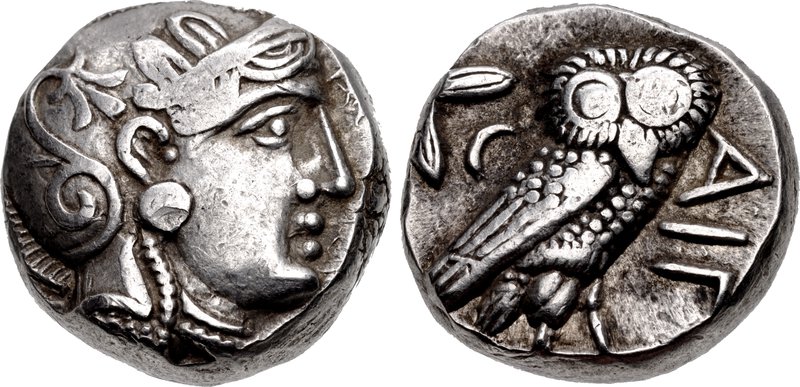
The Kabul hoard, also called the Chaman Hazouri, Chaman Hazouri or Tchamani-i Hazouri hoard, is a coin hoard discovered in the vicinity of Kabul, Afghanistan in 1933. The collection contained numerous Achaemenid coins as well as many Greek coins from the 5th and 4th centuries BCE. Approximately one thousand coins were counted in the hoard. The deposit of the hoard is dated to approximately 380 BCE, as this is the probable date of the least ancient datable coin found in the hoard (the imitation of the Athenian owl tetradrachm).
This numismatic discovery has been important in studying and dating the history of the coinage of India, since it is one of the very rare instances when punch-marked coins can actually be dated, due to their association with known and dated Greek and Achaemenid coins in the hoard. The hoard proves that punch-marked coins existed in 360 BCE, as also suggested by literary evidence. According to numismatist Joe Cribb, it suggests that the idea of coinage and the use of punch-marked techniques was introduced to India from the Achaemenid Empire during the 4th century BCE. However, numerous Indian scholars see the development of coinage in the Gangetic plains as an indigenous development.
The Kabul valley and the region of Gandhara to the west of Indus came under the Achaemenid rule during the reign of Cyrus the Great (600–530 BCE). Jointly, the region was known by its Iranian name Paruparaesanna as well as the Indian name Gandara. It was administered at first from Bactria, but organised into a separate satrapy in c. 508 BCE with a headquarters possibly at Pushkalavati (near present-day Charsadda in Pakistan). It was a tribute-paying region until the time of Artaxerxes (424 BCE), but it remained part of the royal conception of the empire until Alexander's conquest (c. 323 BCE). At Alexander's time, the region was said to be governed by hyparchs (rulers in their own right, but professing subjection to the emperor). The nature of the local administration under the Achaemenid empire is uncertain. Magee et al. note that neither the Achaemenid nor classical sources mention the presence of any satraps in Gandara. However, there were official personages encountered by Alexander's companions.
Coinage was developed by the Greeks of the Asia Minor, influenced by the Lydian coinage in the 7th century BCE. Over the next two centuries, the use of coins spread throughout the Mediterranean area. The Achaemenid conquest of Asia minor in 540 BCE made no immediate difference to the situation: the Greek coinage continued under the Achaemenid rule and the Iranian heartland itself had little use for money. Daris I introduced new Achaemenid coins, gold darics and silver sigloi, primarily as replacements for the Lydian coins in the Asia minor. While the darics proved to be popular, the sigloi did not catch on. The Greek cities continued to mint their own silver coins. A mix of these Greek silver coins and the Achaemenid sigloi thus began to circulate throughout the Achaemenid empire, the Greek coins generally being in a majority.
The hoard was discovered by a construction team in 1933 when digging for foundations for a house near the Chaman-i Hazouri park in central Kabul. According to the then director of Délégation Archéologique Française en Afghanistan (DAFA), the hoard contained about 1,000 silver coins and some jewellery. 127 coins and pieces of jewellery were taken to the Kabul Museum and others made their way to various museums in British India and elsewhere. Some two decades later, Daniel Schlumberger of DAFA published photographs and details of the finds stored in the Kabul Museum in a book titled Trésors Monétaires d'Afghanistan.
The Chaman-i-Hazouri coins remained at the Kabul Museum until 1992–1993, at which time the Afghan mujahideen plundered the museum. All the coins were lost (along with various other artifacts). Some two years later, 14 coins from the collection surfaced in a private collection in Pakistan. Osmund Bopearachchi and Aman ur Rahman published their details in the book Pre-Kushana Coins in Pakistan (1995).
The hoard suggests, together with other coin finds in the areas of Afghanistan and Pakistan that Greek coins had found their way to India, at least as far as the Indus, well before the conquests of Alexander the Great. This happened under the rule of the Achaemenids. The Achaemenid sigloi themselves were a small minority, just as in the hoards from other parts of the empire.
Daniel Schlumberger published descriptions of 115 coins from those in the Kabul Museum. They included 30 coins from various Greek cities, about 33 Athenian coins and an Iranian imitation of an Athenian coin, 9 royal Achaemenid silver coins (siglos), 29 locally minted coins of said to be of a "new kind" and 14 punch-marked coins in the shape of bent bars. It seems that the Classical Greek and Achaemenid coins were imported from the west.
Hub AI
Kabul hoard AI simulator
(@Kabul hoard_simulator)
Kabul hoard
The Kabul hoard, also called the Chaman Hazouri, Chaman Hazouri or Tchamani-i Hazouri hoard, is a coin hoard discovered in the vicinity of Kabul, Afghanistan in 1933. The collection contained numerous Achaemenid coins as well as many Greek coins from the 5th and 4th centuries BCE. Approximately one thousand coins were counted in the hoard. The deposit of the hoard is dated to approximately 380 BCE, as this is the probable date of the least ancient datable coin found in the hoard (the imitation of the Athenian owl tetradrachm).
This numismatic discovery has been important in studying and dating the history of the coinage of India, since it is one of the very rare instances when punch-marked coins can actually be dated, due to their association with known and dated Greek and Achaemenid coins in the hoard. The hoard proves that punch-marked coins existed in 360 BCE, as also suggested by literary evidence. According to numismatist Joe Cribb, it suggests that the idea of coinage and the use of punch-marked techniques was introduced to India from the Achaemenid Empire during the 4th century BCE. However, numerous Indian scholars see the development of coinage in the Gangetic plains as an indigenous development.
The Kabul valley and the region of Gandhara to the west of Indus came under the Achaemenid rule during the reign of Cyrus the Great (600–530 BCE). Jointly, the region was known by its Iranian name Paruparaesanna as well as the Indian name Gandara. It was administered at first from Bactria, but organised into a separate satrapy in c. 508 BCE with a headquarters possibly at Pushkalavati (near present-day Charsadda in Pakistan). It was a tribute-paying region until the time of Artaxerxes (424 BCE), but it remained part of the royal conception of the empire until Alexander's conquest (c. 323 BCE). At Alexander's time, the region was said to be governed by hyparchs (rulers in their own right, but professing subjection to the emperor). The nature of the local administration under the Achaemenid empire is uncertain. Magee et al. note that neither the Achaemenid nor classical sources mention the presence of any satraps in Gandara. However, there were official personages encountered by Alexander's companions.
Coinage was developed by the Greeks of the Asia Minor, influenced by the Lydian coinage in the 7th century BCE. Over the next two centuries, the use of coins spread throughout the Mediterranean area. The Achaemenid conquest of Asia minor in 540 BCE made no immediate difference to the situation: the Greek coinage continued under the Achaemenid rule and the Iranian heartland itself had little use for money. Daris I introduced new Achaemenid coins, gold darics and silver sigloi, primarily as replacements for the Lydian coins in the Asia minor. While the darics proved to be popular, the sigloi did not catch on. The Greek cities continued to mint their own silver coins. A mix of these Greek silver coins and the Achaemenid sigloi thus began to circulate throughout the Achaemenid empire, the Greek coins generally being in a majority.
The hoard was discovered by a construction team in 1933 when digging for foundations for a house near the Chaman-i Hazouri park in central Kabul. According to the then director of Délégation Archéologique Française en Afghanistan (DAFA), the hoard contained about 1,000 silver coins and some jewellery. 127 coins and pieces of jewellery were taken to the Kabul Museum and others made their way to various museums in British India and elsewhere. Some two decades later, Daniel Schlumberger of DAFA published photographs and details of the finds stored in the Kabul Museum in a book titled Trésors Monétaires d'Afghanistan.
The Chaman-i-Hazouri coins remained at the Kabul Museum until 1992–1993, at which time the Afghan mujahideen plundered the museum. All the coins were lost (along with various other artifacts). Some two years later, 14 coins from the collection surfaced in a private collection in Pakistan. Osmund Bopearachchi and Aman ur Rahman published their details in the book Pre-Kushana Coins in Pakistan (1995).
The hoard suggests, together with other coin finds in the areas of Afghanistan and Pakistan that Greek coins had found their way to India, at least as far as the Indus, well before the conquests of Alexander the Great. This happened under the rule of the Achaemenids. The Achaemenid sigloi themselves were a small minority, just as in the hoards from other parts of the empire.
Daniel Schlumberger published descriptions of 115 coins from those in the Kabul Museum. They included 30 coins from various Greek cities, about 33 Athenian coins and an Iranian imitation of an Athenian coin, 9 royal Achaemenid silver coins (siglos), 29 locally minted coins of said to be of a "new kind" and 14 punch-marked coins in the shape of bent bars. It seems that the Classical Greek and Achaemenid coins were imported from the west.