
Recent from talks
Lev Chernyi
Knowledge base stats:
Talk channels stats:
Members stats:
Lev Chernyi
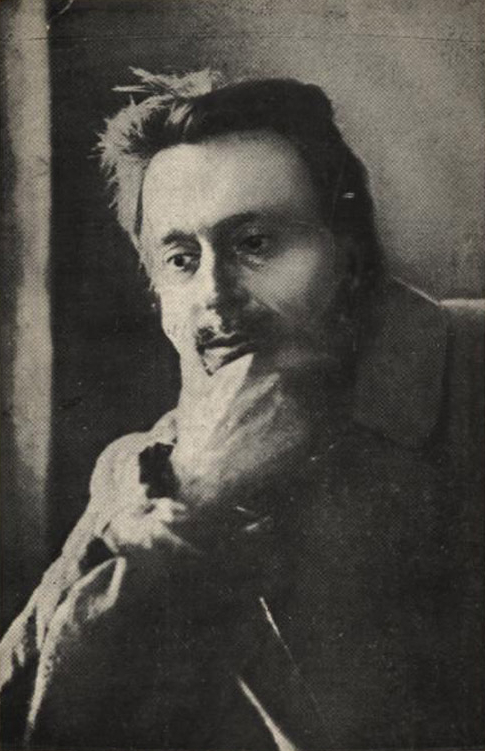
Pavel Dmitrievich Turchaninov (Russian: Па́вел Дми́триевич Турчани́нов, IPA: [ˈpavʲɪl ˈdmʲitrʲɪjɪvʲɪtɕ tʊrtɕɪˈnʲinəf]; 1878–1921), commonly known by his pseudonym Lev Chernyi (Russian: Лев Чёрный, IPA: [ˈlʲef ˈtɕɵrnɨj] ⓘ), was a Russian individualist anarchist. Having joined the anarchist movement during the Russian Revolution of 1905, during which he developed his individualist theory of "associational anarchism", Chernyi was arrested and exiled to Siberia for his revolutionary activities. After several escape attempts, one of which resulted in mutinous exiles capturing Turukhansk, he managed to flee to Paris, where he stayed until the Russian Revolution of 1917. After returning to Russia, he acted as secretary for the Moscow Federation of Anarchist Groups and organised the Black Guards, the federation's armed wing. As political repression against anarchists intensified after the Bolsheviks took power, Chernyi joined an underground anarchist group, which bombed a Russian Communist Party meeting. In 1921, Chernyi and Fanya Baron were arrested on charges of counterfeiting and were executed by shooting by the Cheka.
Pavel Dmitrievich Turchaninov was born to noble family in the Smolensk Governorate of the Russian Empire, on 28 February [O.S. 16 February] 1878. His father, Dmitry Turchaninov, was a colonel in the Imperial Russian Army.
After coming of age, Turchaninov enrolled in Moscow University but he was expelled in 1901 for his activity in revolutionary groups. By the outbreak of the Russian Revolution of 1905, he had joined the anarchist movement.
Under the pseudonym Lev Chernyi, he wrote a manifesto of his newfound anarchist beliefs, Associational Anarchism, which he finished in February 1906. Chernyi's brother Sergey Turchaninov, himself a Marxist and empirio-criticist, criticised his brother's work for utopianism and a lack of basis in materialism. In its own "Review of the Revolutionary Movement", the Ministry of Internal Affairs described Chernyi's book as a "paraphrasing" of the work of Pierre-Joseph Proudhon. Researcher Allan Antliff himself compared it to Max Stirner's book The Ego and Its Own.
From 1906 to 1908, Chernyi was a member of the Buntar group, through which he began a relationship with Nina Yagodina. In April 1908, he was exiled to the Yeniseysk Governorate in Siberia, while Yagodina was exiled Arkhangelsk Governorate in the Russian North. Turchaninov frequently attempted escaped from exile, aiming to reunite with Yagodina.
In the autumn of 1908, he and a group of exiled revolutionaries made a plan to escape Siberia by hijacking a steamship. On 8 December 1908, the group ambushed a convoy at Osinovo and headed north along the Yenisey, despite Chernyi's objections to the choice of route. On 2 January [O.S. 20 December] 1909, they captured Turukhansk, where they led an armed uprising against the Tsarist authorities. Although he had himself refused to participate in the revolt, he was arrested on 16 February [O.S. 3 February] 1909; two days later, the rebels were disarmed by the Imperial Russian Army. By this time, the authorities had identified Turchaninov as the writer Lev Chernyi. Despite his lack of direct involvement in the Turukhansk uprising, the Ministry of Internal Affairs held him responsible for organising the mutiny.
After this setback, he again made a last attempt to escape Siberia; this one was successful. Chernyi moved to Paris, where he lived until the outbreak of the Russian Revolution of 1917. Details about Chernyi's Siberian exile were only revealed after the opening of the State Archive of the Russian Federation and the State Archive of Krasnoyarsk Krai, which contributed to a more complete biographical picture of his life.
After the February Revolution, Chernyi returned to Moscow, where he joined the Moscow Federation of Anarchist Groups, serving as the organisation's secretary. Although the Federation largely opposed illegalist and expropriative activities, Chernyi himself advocated for the organization to seize private homes. Following the outbreak of the Russian Civil War, Chernyi helped organise the Black Guards, the armed wing of the Moscow Federation of Anarchist Groups. On 5 March 1918, the second issue of Anarkhiia after the October Revolution, Chernyi published an article in which he denounced the new Russian Soviet Republic and declared it to be as much of a threat as the old regime. In subsequent issues of the paper, Chernyi outlined proposals for the decentralisation of industry and the abolition of hierarchical power.
Hub AI
Lev Chernyi AI simulator
(@Lev Chernyi_simulator)
Lev Chernyi
Pavel Dmitrievich Turchaninov (Russian: Па́вел Дми́триевич Турчани́нов, IPA: [ˈpavʲɪl ˈdmʲitrʲɪjɪvʲɪtɕ tʊrtɕɪˈnʲinəf]; 1878–1921), commonly known by his pseudonym Lev Chernyi (Russian: Лев Чёрный, IPA: [ˈlʲef ˈtɕɵrnɨj] ⓘ), was a Russian individualist anarchist. Having joined the anarchist movement during the Russian Revolution of 1905, during which he developed his individualist theory of "associational anarchism", Chernyi was arrested and exiled to Siberia for his revolutionary activities. After several escape attempts, one of which resulted in mutinous exiles capturing Turukhansk, he managed to flee to Paris, where he stayed until the Russian Revolution of 1917. After returning to Russia, he acted as secretary for the Moscow Federation of Anarchist Groups and organised the Black Guards, the federation's armed wing. As political repression against anarchists intensified after the Bolsheviks took power, Chernyi joined an underground anarchist group, which bombed a Russian Communist Party meeting. In 1921, Chernyi and Fanya Baron were arrested on charges of counterfeiting and were executed by shooting by the Cheka.
Pavel Dmitrievich Turchaninov was born to noble family in the Smolensk Governorate of the Russian Empire, on 28 February [O.S. 16 February] 1878. His father, Dmitry Turchaninov, was a colonel in the Imperial Russian Army.
After coming of age, Turchaninov enrolled in Moscow University but he was expelled in 1901 for his activity in revolutionary groups. By the outbreak of the Russian Revolution of 1905, he had joined the anarchist movement.
Under the pseudonym Lev Chernyi, he wrote a manifesto of his newfound anarchist beliefs, Associational Anarchism, which he finished in February 1906. Chernyi's brother Sergey Turchaninov, himself a Marxist and empirio-criticist, criticised his brother's work for utopianism and a lack of basis in materialism. In its own "Review of the Revolutionary Movement", the Ministry of Internal Affairs described Chernyi's book as a "paraphrasing" of the work of Pierre-Joseph Proudhon. Researcher Allan Antliff himself compared it to Max Stirner's book The Ego and Its Own.
From 1906 to 1908, Chernyi was a member of the Buntar group, through which he began a relationship with Nina Yagodina. In April 1908, he was exiled to the Yeniseysk Governorate in Siberia, while Yagodina was exiled Arkhangelsk Governorate in the Russian North. Turchaninov frequently attempted escaped from exile, aiming to reunite with Yagodina.
In the autumn of 1908, he and a group of exiled revolutionaries made a plan to escape Siberia by hijacking a steamship. On 8 December 1908, the group ambushed a convoy at Osinovo and headed north along the Yenisey, despite Chernyi's objections to the choice of route. On 2 January [O.S. 20 December] 1909, they captured Turukhansk, where they led an armed uprising against the Tsarist authorities. Although he had himself refused to participate in the revolt, he was arrested on 16 February [O.S. 3 February] 1909; two days later, the rebels were disarmed by the Imperial Russian Army. By this time, the authorities had identified Turchaninov as the writer Lev Chernyi. Despite his lack of direct involvement in the Turukhansk uprising, the Ministry of Internal Affairs held him responsible for organising the mutiny.
After this setback, he again made a last attempt to escape Siberia; this one was successful. Chernyi moved to Paris, where he lived until the outbreak of the Russian Revolution of 1917. Details about Chernyi's Siberian exile were only revealed after the opening of the State Archive of the Russian Federation and the State Archive of Krasnoyarsk Krai, which contributed to a more complete biographical picture of his life.
After the February Revolution, Chernyi returned to Moscow, where he joined the Moscow Federation of Anarchist Groups, serving as the organisation's secretary. Although the Federation largely opposed illegalist and expropriative activities, Chernyi himself advocated for the organization to seize private homes. Following the outbreak of the Russian Civil War, Chernyi helped organise the Black Guards, the armed wing of the Moscow Federation of Anarchist Groups. On 5 March 1918, the second issue of Anarkhiia after the October Revolution, Chernyi published an article in which he denounced the new Russian Soviet Republic and declared it to be as much of a threat as the old regime. In subsequent issues of the paper, Chernyi outlined proposals for the decentralisation of industry and the abolition of hierarchical power.
Recent media