Hubbry Logo
Malassezia furfurMalassezia furfurMain
Open search
Malassezia furfur
Community hub
Malassezia furfur
logo
8 pages, 0 posts
0 subscribers
Be the first to start a discussion here.
Malassezia furfur
Malassezia furfur
from Wikipedia

Malassezia furfur
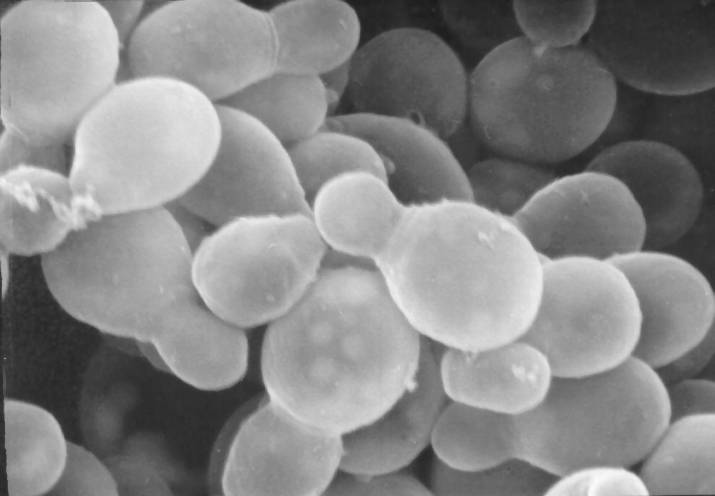
A scanning electron microscopy image of Malassezia furfur
Scientific classification Edit this classification
Kingdom: Fungi
Division: Basidiomycota
Class: Malasseziomycetes
Order: Malasseziales
Family: Malasseziaceae
Genus: Malassezia
Species:
M. furfur
Binomial name
Malassezia furfur
(C.P.Robin) Baill. (1889)
Synonyms
  • Microsporum furfur C.P.Robin (1853)

Malassezia furfur (formerly known as Pityrosporum ovale) is a species of yeast (a type of fungus) that is naturally found on the skin surfaces of humans and some other mammals. It is associated with a variety of dermatological conditions caused by fungal infections, notably seborrhoeic dermatitis and tinea versicolor. As an opportunistic pathogen, it has further been associated with dandruff, malassezia folliculitis, pityriasis versicolor (alba), and malassezia intertrigo,[1] as well as catheter-related fungemia and pneumonia in patients receiving hematopoietic transplants and patients receiving parenteral nutrition.

Background

[edit]

Malassezia furfur is a fungus that lives on the superficial layers of the dermis. It generally exists as a commensal organism forming a natural part of the human skin microbiota, but it can gain pathogenic capabilities when morphing from a yeast to a hyphal form during its life cycle, through unknown molecular changes.[2] This can lead to its uncontrolled proliferation and a subsequent imbalance of the residential skin flora. Some virulence factors or properties which may increase the fungus' ability to acquire an infectious nature include the formation of biofilms, increased adherence to surfaces, and hydrophobicity and also can form hyphae (long, cylindrical filaments)[3]

Infections with pathogenic M. furfur occur on the trunk or the limbs and present clinically as pigmented macules that can merge in the form of scaling plaques. Many of these lesions resolve spontaneously in most patients.[2] The pathogen most frequently affects children compared to people of other age groups.[4] It has been associated with numerous dermatological conditions, including seborrhoeic dermatitis, dandruff, pityriasis versicolor, and tinea circinata, all of which affect the skin.[5] Some other diseases can also arise due to an infection with the fungus, such as catheter-related fungemia and pneumonia in patients receiving hematopoietic cell transplants.[6]

Morphology and characteristics

[edit]

Malassezia furfur is a unicellular organism which varies in size between 1.5 and 4.5 × 2.0–6.5 micrometers. The cells have a bottle-like shape due to a small protrusion visible at the end of each cell. Cells are difficult to grow in a lab since they require specific conditions.[7]

Treatment

[edit]

Topical application of antifungal medications such as ketoconazole, cyclopirox olamine, piroctone olamine, zinc pyrithione, or sulfur compounds are commonly prescribed to treat diseases caused by Malassezia furfur.[5]

References

[edit]

Bibliography

[edit]
Revisions and contributorsEdit on WikipediaRead on Wikipedia
from Grokipedia
Malassezia furfur is a lipophilic, dimorphic yeast species in the genus Malassezia, a monophyletic group of basidiomycetous fungi within the phylum Basidiomycota, comprising 18 validly published species. It is a common commensal of the human skin microbiome, colonizing areas rich in sebaceous glands such as the trunk, face, and scalp, where it constitutes over 80% of the fungal population on the stratum corneum. Morphologically, it appears as spherical, oval, or ellipsoidal cells measuring 1.5–4.5 μm in width and 2–6 μm in length, reproducing asexually via monopolar budding, and can shift to a filamentous mycelial form during pathogenesis. Strictly dependent on exogenous lipids like oleic and palmitic acids for growth, it thrives optimally at 35°C on human epithelial cells. First identified in 1846 and formally named in 1853, M. furfur—formerly known as Pityrosporum ovale or Pityrosporum orbiculare—is ubiquitous on the skin of humans and animals, with colonization of the skin beginning shortly after birth, often within the first few weeks of life, and persisting throughout life as part of the normal cutaneous . In healthy individuals, it maintains a commensal relationship without causing harm, but overgrowth or shifts in the skin microenvironment can lead to opportunistic infections, particularly in immunocompromised hosts where it may cause systemic or deep-seated infections. The produces bioactive compounds, such as indolic derivatives from (e.g., malassezin and pityriacitrin), which contribute to its pathogenic potential by irritating the skin and altering pigmentation. M. furfur is most notably associated with superficial dermatoses, including pityriasis versicolor (also known as ), a hypopigmented or hyperpigmented macular rash caused by its production of dicarboxylic acids that inhibit synthesis; seborrheic dermatitis, characterized by erythematous, scaly lesions on seborrheic areas due to inflammatory responses to free fatty acids and lipases; and , presenting as pruritic papules from follicular invasion. It has also been implicated in exacerbating conditions like , , and , potentially through allergic reactions to antigens such as Mala f 2. Less commonly, it causes or invasive infections in vulnerable populations, such as neonates with or patients with catheters. Diagnosis typically involves direct revealing "spaghetti and meatballs" morphology—short hyphae and budding yeasts—or on lipid-supplemented media like Dixon's agar, with molecular methods such as PCR or MALDI-TOF MS for species confirmation. Treatment relies on topical or systemic antifungals, including azoles like or , which effectively target its lipid-dependent metabolism, often combined with agents for symptom relief. Ongoing research highlights its role in skin and potential links to broader interactions, underscoring the need for precise identification among species.

Taxonomy and Etymology

Classification

Malassezia furfur belongs to the kingdom Fungi, phylum , subphylum , class Malasseziomycetes, order Malasseziales, family Malasseziaceae, Malassezia, and is the of the . The forms a monophyletic of basidiomycetous yeasts within the Ustilaginomycotina , characterized by its to lipid-rich environments. Phylogenetic analyses based on multilocus sequencing have confirmed this position, highlighting M. furfur's close relation to other lipophilic in the . Genomic studies reveal that M. furfur and related species have lost genes for de novo fatty acid synthesis, such as the cytosolic fatty acid synthase genes (fas), rendering them obligately lipophilic and dependent on external lipid sources for growth. The genus Malassezia currently comprises 18 recognized species, distinguished primarily through molecular methods including rDNA sequencing of the internal transcribed spacer (ITS) region and matrix-assisted laser desorption/ionization time-of-flight mass spectrometry (MALDI-TOF MS). For instance, M. furfur is differentiated from species like M. globosa and M. restricta by specific ITS sequence motifs and MALDI-TOF spectral profiles. Recent taxonomic revisions between 2018 and 2022, incorporating multilocus sequencing data, have solidified these distinctions and expanded the genus to 18 species.

Nomenclature History

The nomenclature of Malassezia furfur traces back to the mid-19th century, when French physician Charles Philippe Robin first described the fungus in 1853 from scales of patients with pityriasis versicolor, naming it Microsporum furfur under the mistaken assumption that it was a dermatophyte akin to Microsporum audouinii. This initial classification reflected the limited mycological knowledge of the era, as Robin observed the organism's association with scaly skin lesions but lacked tools to distinguish its yeast-like nature. In 1889, botanist Henri Ernest Baillon reassigned it to a new genus, renaming it Malassezia furfur to honor Louis-Charles Malassez, who in 1874 had microscopically observed similar fungal elements in epidermal scales without formally describing them. The genus name Malassezia thus commemorates Malassez's pioneering work on skin microbiology, while the specific epithet furfur derives from the Latin word for "bran," alluding to the bran-like appearance of the desquamating lesions it produces. Early taxonomic history was marred by confusion with other lipophilic yeasts, particularly Pityrosporum ovale, described in by Langer and Milochevitch based on oval-shaped cells observed in samples. This led to overlapping , as P. ovale was often used interchangeably with M. furfur due to their morphological similarities—both appearing as small, budding yeasts in clinical specimens—resulting in a complex of synonyms that obscured species boundaries for decades. The ambiguity persisted until the 1980s, when biochemical and physiological tests, including lipid dependency assays and urea hydrolysis patterns, demonstrated that P. ovale and related forms were conspecific with M. furfur, leading to the formal synonymy in 1986 and resolution of the M. furfur complex. Subsequent reclassifications refined the Malassezia through molecular and phenotypic analyses. In 1995, studies using rRNA sequencing and DNA reassociation confirmed the diversity within the , initially delineating five distinct , with M. furfur retained as the . This marked a pivotal shift from morphology-based to integrated approaches, distinguishing M. furfur from emerging taxa like M. sympodialis. By 2022, advances in multilocus sequencing and phylogenomics had expanded the to 18 recognized , solidifying M. furfur's unique identity through its genetic markers, such as specific 26S rDNA sequences, while highlighting its role as a lipid-dependent basidiomycete.

Description and Morphology

Cell Structure

Malassezia furfur predominantly manifests as a unicellular , exhibiting oval to bottle-shaped cells that measure 1.5–4.5 μm in width by 2.0–6.5 μm in length, with a characteristic broad base tapering into a narrow neck-like protrusion at one end. This morphology facilitates monopolar , where daughter cells emerge from a single polar site, leaving distinct bud scars on the parent cell surface. The yeast form lacks hyphal septa, maintaining a simple, non-septate in this phase. The of M. furfur is composed primarily of and β-glucans, forming a robust inner scaffold, while an outer lipid-rich layer imparts hydrophobicity essential for its lipophilic lifestyle. reveals a multilamellar , with the wall appearing as multiple concentric layers approximately 0.12–0.45 μm thick, featuring corrugate invaginations and helicoidal electron-lucent bands that extend into the plasma . These structural adaptations, unique among fungi, enhance resistance to environmental stresses on the skin surface. Cytoplasmically, M. furfur cells contain prominent large vacuoles and abundant inclusions, reflecting their dependence on exogenous for growth and . These inclusions, visible under electron microscopy, accumulate and sterols, contributing to the cell's spherical or elongated contours. Monopolar bud scars are evident as annular or collarette formations at the site, underscoring the polarized reproduction without pseudohyphal elements in the state. Although primarily yeast-like, M. furfur demonstrates dimorphic potential, shifting to cylindrical hyphae under specific environmental cues, such as altered availability or host interactions. This morphological plasticity supports its across cutaneous niches.

Growth and Reproduction

Malassezia furfur is an obligate lipophilic that requires exogenous for growth, as it lacks the genes necessary for de novo fatty acid synthesis. This dependency stems from the evolutionary loss of key fatty acid genes, compelling the to assimilate such as Tween 40, Tween 60, or overlays from the culture medium. Without these supplements, growth is negligible, highlighting its to lipid-rich environments like sebum. In settings, M. furfur is cultivated on specialized media such as modified Dixon's agar or Leeming-Notman agar, which incorporate sources like ox bile, Tween, and to support proliferation. Optimal growth occurs at temperatures between 30°C and 37°C under aerobic conditions, though the yeast exhibits tolerance to microaerophilic and anaerobic environments, enabling limited growth without full oxygen availability. Colonies typically appear cream-colored to buff-tan, developing a wrinkled, raised morphology after 7 to 14 days of incubation, reflecting its slow growth rate. The preferred pH range for proliferation is 5.5 to 6.5, aligning with the mildly acidic conditions of . Reproduction in M. furfur occurs exclusively through asexual means, primarily via monopolar or sympodial (multilateral) from a broad base, resulting in daughter cells that separate with a characteristic collarette . No sexual cycle has been observed, despite the presence of meiosis-related genes and mating-type loci in its , which suggest latent potential for recombination. This strategy supports its commensal lifestyle, allowing rapid clonal expansion in nutrient-limited niches. M. furfur demonstrates resistance to , facilitating its isolation on selective media, while remaining unaffected by most antibacterial agents due to its eukaryotic nature.

Ecology and Distribution

Habitat

Malassezia furfur primarily inhabits the skin of humans and other animals, particularly in sebaceous-rich areas such as the , face, and trunk, where it colonizes the as a -dependent . On healthy , population densities typically range from 10² to 10⁴ colony-forming units (CFU) per cm², with higher counts observed on the ( of 2.6 × 10³ CFU/cm²) and back (9.6 × 10³ CFU/cm²), reflecting its adaptation to lipid-rich environments like sebum secretions. This colonization is most pronounced in oily regions due to the organism's lipophilic nature, which limits its survival outside host-associated lipid sources. In zoonotic contexts, M. furfur is also found on the skin of animals including dogs, cats, and , where it forms part of the cutaneous , often in ear canals and sebaceous areas with of 2.4–17.2% reported in cats with . Potential transmission occurs via direct contact between animals and s, as evidenced by nosocomial outbreaks linked to exposure, though human and animal strains exhibit host-specific genetic adaptations and differences in , with M. furfur predominating in humans compared to other species like M. pachydermatis in canines. Isolation from healthy animals remains infrequent. Occasional presence of M. furfur extends to mucosal sites such as the oral cavity, sinonasal passages, and genital mucosa, though at lower densities than on , due to its reliance on host for growth. It is rarely detected in non-host environmental sources like or , as environmental isolation studies indicate most occurrences stem from human contamination rather than natural persistence, underscoring its strict dependency. As a commensal, M. furfur constitutes 80–90% of the fungal component in the normal mycobiome of healthy adults, contributing to microbial by interacting with bacterial and maintaining barrier integrity under typical conditions. This dominance positions it as a key player in the cutaneous , where can alter its role, though it remains benign in balanced states.

Environmental Influences

Malassezia species, including Malassezia furfur, exhibit higher in tropical and humid regions, where carriage rates can reach 87.5–95.5% on sites such as the and (with M. furfur isolated from ~49% of subjects at certain sites), compared to approximately 55% in temperate zones. This disparity is attributed to favorable climatic conditions, including elevated (80–85%) and temperatures ranging from 23–30°C, which promote fungal growth and diversity. Optimal growth occurs between 25–35°C, with peak activity near 34°C, aligning with the warm, moist environments of subtropical areas. Host-related factors significantly influence M. furfur colonization, particularly increased sebum production during and in individuals with oily , which provides the lipid-rich substrate essential for the yeast's lipophilic nature. further enhances prevalence; for instance, isolation rates are 16.7% in HIV-seropositive patients versus 1.3% in healthy individuals, while neonates in intensive care units show high colonization rates due to immature immune responses. Lifestyle elements also modulate , with occlusive clothing and excessive sweating creating humid microenvironments that foster overgrowth, as observed in 19.4% and 31.8% of versicolor cases, respectively. Use of corticosteroids promotes growth by suppressing local immunity, while improved can reduce but not eradicate by limiting accumulation and retention. Globally, M. furfur is ubiquitous in , with elevated in and due to tropical climates; for example, accounts for 1–1.5% of visits in , and high carriage is noted in Ethiopian populations. Animal reservoirs exist in veterinary contexts, though M. furfur primarily associates with humans, contributing to zoonotic considerations in shared environments.

Pathogenicity

Associated Diseases

Malassezia furfur is implicated in several superficial infections, primarily through overgrowth on sebaceous areas. versicolor, characterized by hypo- or hyperpigmented macules on the trunk and proximal extremities, is most commonly associated with this , affecting 5.2% to 8.3% annually in tropical regions and peaking in individuals aged 20 to 40 years. It accounts for up to 40% of dermatological cases in humid climates like parts of , with higher incidence among adolescents and young adults. Seborrheic dermatitis and involve scalp inflammation and flaking, with prevalence of 1% to 3% in the general population and up to 11.6% , often exacerbated in winter and showing a slight male predominance. Malassezia spp., including M. furfur, are detected in up to 90% of cases, though M. furfur specifically accounts for approximately 20-30%, particularly in immunocompromised individuals where rates can reach 33%. folliculitis presents as pruritic papules on the upper body and trunk, comprising 1% to 1.5% of outpatient visits, especially in hot, humid environments and among immunosuppressed patients. Systemic infections by M. furfur are rare but severe, occurring mainly in neonates, preterm infants, and immunocompromised adults such as those with . , often catheter-related and linked to intravenous emulsions, manifests with nonspecific symptoms like fever and ; it has been reported since 1979 and accounts for up to 25% of neonatal fungal cases in some intensive care units. Associated conditions include and , with all-cause mortality rates ranging from 25% to 30% in affected neonates and up to 27.9% overall in invasive cases. Epidemiologically, superficial infections like versicolor affect 1% to 5% globally, with higher rates (up to 40%) in tropical areas and among adolescents aged 15 to 25 years; risk factors include travel to humid regions, , and oily skin. Colonization by M. furfur begins by age 3 to 6 months, becoming ubiquitous on without strong age or sex biases. Systemic cases are more prevalent in neonatal intensive care units, particularly among very infants receiving , increasing invasive mycoses risk by 2.5 times. Other associations include in , where M. furfur contributes to in moist areas, though less commonly than in seborrheic sites. involvement is rare and debated, with Malassezia spp. isolated in about 3.8% of suspected nail cases, M. furfur rarely as a primary and often as a colonizer. It also exacerbates , with IgE sensitization in 27% of affected children and 65% of adults, particularly on the head and neck. While M. furfur is a key , other species contribute to these conditions, with species identification important for precise management.

Virulence Mechanisms

_Malassezia furfur exhibits dimorphic switching from to hyphal forms, a process triggered by environmental cues such as elevated availability and neutral to alkaline , which facilitates tissue invasion during infections like . This morphological transition enhances adherence to host epithelial cells and promotes penetration of the , shifting the fungus from a commensal to a pathogenic state. Hyphal growth is particularly induced in -rich media, reflecting the species' obligate lipophilic nature, and correlates with increased in superficial disorders. The production of extracellular enzymes constitutes a primary virulence strategy for M. furfur, enabling nutrient acquisition and host tissue damage. Secreted lipases hydrolyze sebum triglycerides into free fatty acids, such as , which acts as an irritant triggering and in susceptible . Lipase activity shows no significant difference between clinical and commensal isolates (mean Pz 0.45 vs. 0.39, p=0.356). Phospholipases degrade membrane phospholipids, further disrupting cellular integrity and contributing to fungal dissemination. Additionally, acid s, including the aspartyl protease MfSAP1, break down proteins, aiding in cell dispersal and maturation. These enzymes are upregulated under infection-mimicking conditions. A byproduct of , , inhibits activity, leading to in affected areas by suppressing function. Immune evasion mechanisms allow M. furfur to persist in hostile host environments, particularly in immunocompromised individuals. formation on indwelling devices like catheters provides a protective matrix that shields cells from antifungals and host , with all tested strains demonstrating robust biofilm production (optical density ~0.336). Indole derivatives, such as malassezin, act as (AhR) agonists, modulating immune responses by inhibiting pro-inflammatory T-cell activation and promoting regulatory pathways that dampen adaptive immunity. Melanin-like pigments, synthesized via oxidation, confer resistance to from generated by neutrophils, enhancing survival during inflammatory assaults. Host interactions further amplify M. furfur pathogenicity, especially in atopic individuals where the fungus elicits IgE-mediated hypersensitivity. Allergens from M. furfur trigger Th2-biased immune responses, leading to elevated serum IgE levels and exacerbating conditions like through and recruitment. In biofilm-associated infections, genes like MfSAP1 are upregulated, promoting secretion that not only facilitates fungal spread but also intensifies local inflammation by degrading host immune mediators. This is significantly elevated in pathogenic contexts, correlating with enhanced tissue damage and immune dysregulation.

Clinical Management

Diagnosis

Diagnosis of Malassezia furfur infections typically begins with clinical suspicion based on characteristic skin lesions, such as fine scaling and hypopigmented or hyperpigmented patches in pityriasis versicolor, which may fluoresce yellow-gold under Wood's lamp examination in approximately 33% of cases. In seborrheic dermatitis, suspicion arises from erythematous, scaly plaques on seborrheic areas like the and face, while presents as pruritic follicular papules and pustules on the upper trunk. For systemic infections in immunocompromised patients, such as neonates or those with central venous catheters, nonspecific symptoms like fever and lethargy prompt consideration, particularly in the context of lipid infusions. Microscopic examination of skin scrapings is a primary diagnostic tool, often using 10-20% (KOH) preparation to dissolve and reveal the characteristic "spaghetti and meatballs" appearance of short hyphae and clusters of round cells. Calcofluor or Parker ink staining enhances visualization of the unipolar budding yeasts under fluorescence microscopy, improving sensitivity. For systemic cases, Giemsa-stained blood smears or biopsies may detect yeast forms, though this is less specific. In refractory cutaneous lesions or suspected deeper involvement, histopathological examination with periodic acid-Schiff (PAS) or hematoxylin and eosin (H&E) staining confirms perivascular inflammation and yeast presence. Recent advances include the use of metagenomic next-generation sequencing (mNGS) for rapid detection in complex systemic infections like , offering higher sensitivity in real-world settings as of 2025. Culture remains challenging due to M. furfur's lipophilic nature, requiring specialized lipid-supplemented media such as Dixon's or Leeming-Notman incubated at 32-35°C for 7-14 days to yield creamy, wrinkled colonies. Identification involves morphological assessment via lactophenol cotton blue mount, along with biochemical tests: M. furfur is catalase-positive and urease-positive, aiding differentiation from other yeasts. However, culture is not routinely used in clinical practice due to its time-consuming nature and is more valuable for research or epidemiological studies. Molecular methods provide rapid and precise species identification, particularly useful for distinguishing M. furfur from closely related species like M. sympodialis. (PCR) targeting the (ITS) region of , followed by sequencing or (RFLP) analysis, enables accurate detection directly from clinical samples. time-of-flight mass spectrometry (MALDI-TOF MS) offers high-throughput identification with reliable databases, achieving concordance with sequencing results and faster turnaround than traditional methods. These techniques are increasingly adopted in specialized labs for both cutaneous and systemic infections. Differential diagnosis includes dermatophyte infections like , which may mimic pityriasis versicolor but lack fluorescence and show septate hyphae on KOH without yeast clusters. Other considerations are or for hypopigmented lesions, or for scaly plaques in seborrheic dermatitis, and acne vulgaris or bacterial for pustular presentations. In systemic cases, helps rule out other opportunistic fungi or malignancies.

Treatment

For superficial infections such as seborrheic dermatitis, pityriasis versicolor, and , topical therapies serve as the first-line treatment, leveraging antifungal, keratolytic, and anti-inflammatory properties to reduce Malassezia furfur colonization. 2% shampoo or cream, applied twice weekly for 2–4 weeks, effectively clears lesions by inhibiting synthesis in the fungal membrane. sulfide 2.5% lotion or , left on for 10 minutes daily for one week, provides similar efficacy through its fungistatic action, while 1–2% offers an alternative for maintenance therapy in recurrent cases. For specifically, cyclopirox 1% cream or shampoo applied twice daily for 2–4 weeks, or terbinafine 1% cream used once or twice daily for 1–4 weeks, targets persistent follicular involvement with high cure rates. Emerging therapies as of 2024-2025 include cold atmospheric plasma (CAP), which shows comparable efficacy to for in clinical trials, and the antimicrobial peptide Satanin 1, demonstrating antifungal activity against species. or may be considered for recalcitrant cases. In cases of extensive or recalcitrant superficial , oral agents are employed to achieve systemic exposure and broader coverage. at 200 mg daily for 7 days demonstrates rapid clinical improvement and negative mycological cultures in over 80% of patients with pityriasis versicolor or . , dosed at 300–400 mg weekly for 2–4 weeks, is an effective alternative, particularly for widespread lesions, with cure rates exceeding 75% in responsive strains. is ineffective against M. furfur due to its lack of activity against lipophilic yeasts and is not recommended. Systemic infections, often catheter-related fungemia in immunocompromised hosts including neonates, require aggressive intervention, including prompt removal of intravascular catheters to eliminate the nidus of . Intravenous , administered at 0.5–1 mg/kg daily, is the cornerstone therapy, transitioning to oral azoles like after initial stabilization, with treatment durations of 2–4 weeks or longer based on clinical response. Echinocandins such as show limited activity against M. furfur due to inherent resistance mechanisms targeting synthesis, and their use is not routinely supported. In neonatal cases, particularly preterm infants receiving emulsions, mortality rates approach 100% without early intervention, underscoring the need for heightened vigilance in intensive care settings. Emerging azole resistance in M. furfur complicates therapy, primarily driven by mutations in the ERG11 gene encoding the target enzyme lanosterol 14α-demethylase, such as the Y67F substitution associated with elevated minimum inhibitory concentrations (MICs) to fluconazole and other imidazoles. Susceptibility testing using CLSI M27-A3 broth microdilution methods is essential for guiding therapy in refractory cases, as disease-associated isolates often exhibit higher MICs to clotrimazole and miconazole compared to commensal strains. Monitoring for resistance is critical, given the potential for treatment failure in both superficial and invasive infections.

Prevention and Prognosis

Prevention of Malassezia furfur-related conditions focuses on reducing fungal overgrowth in susceptible individuals, particularly those with oily or living in humid climates, where regular use of shampoos such as applied weekly can effectively limit proliferation. Avoiding occlusive materials in helps minimize moisture retention that promotes growth, while in neonatal settings, vigilant monitoring of intravenous emulsions and central venous catheters is essential to prevent associated with lipid-dependent strains. Managing recurrence involves tailored prophylaxis, such as seasonal applications in tropical regions to counteract environmental triggers like high . Addressing underlying through medical management, combined with on practices like frequent washing and avoiding excessive oil-based products, reduces relapse frequency in chronic cases. Prognosis for superficial infections, including pityriasis versicolor and seborrheic , is generally excellent, with cure rates exceeding 70% following topical antifungal , though recurrence affects 40-60% of patients due to the organism's commensal nature. In atopic individuals, infections tend to be chronic and recurrent, often exacerbating flares and requiring ongoing maintenance. Systemic infections, such as in immunocompromised neonates or adults, carry a poorer outlook, with all-cause mortality rates ranging from 28% to 42% despite intervention. Long-term management emphasizes symptom control rather than eradication, as M. furfur persists as a commensal; recent studies from the 2020s highlight the potential of modulation strategies, such as or targeted antifungals, to restore microbial balance and lower recurrence risks.

References

Add your contribution
Related Hubs
User Avatar
No comments yet.