
Recent from talks
Herman Melville
Knowledge base stats:
Talk channels stats:
Members stats:
Herman Melville
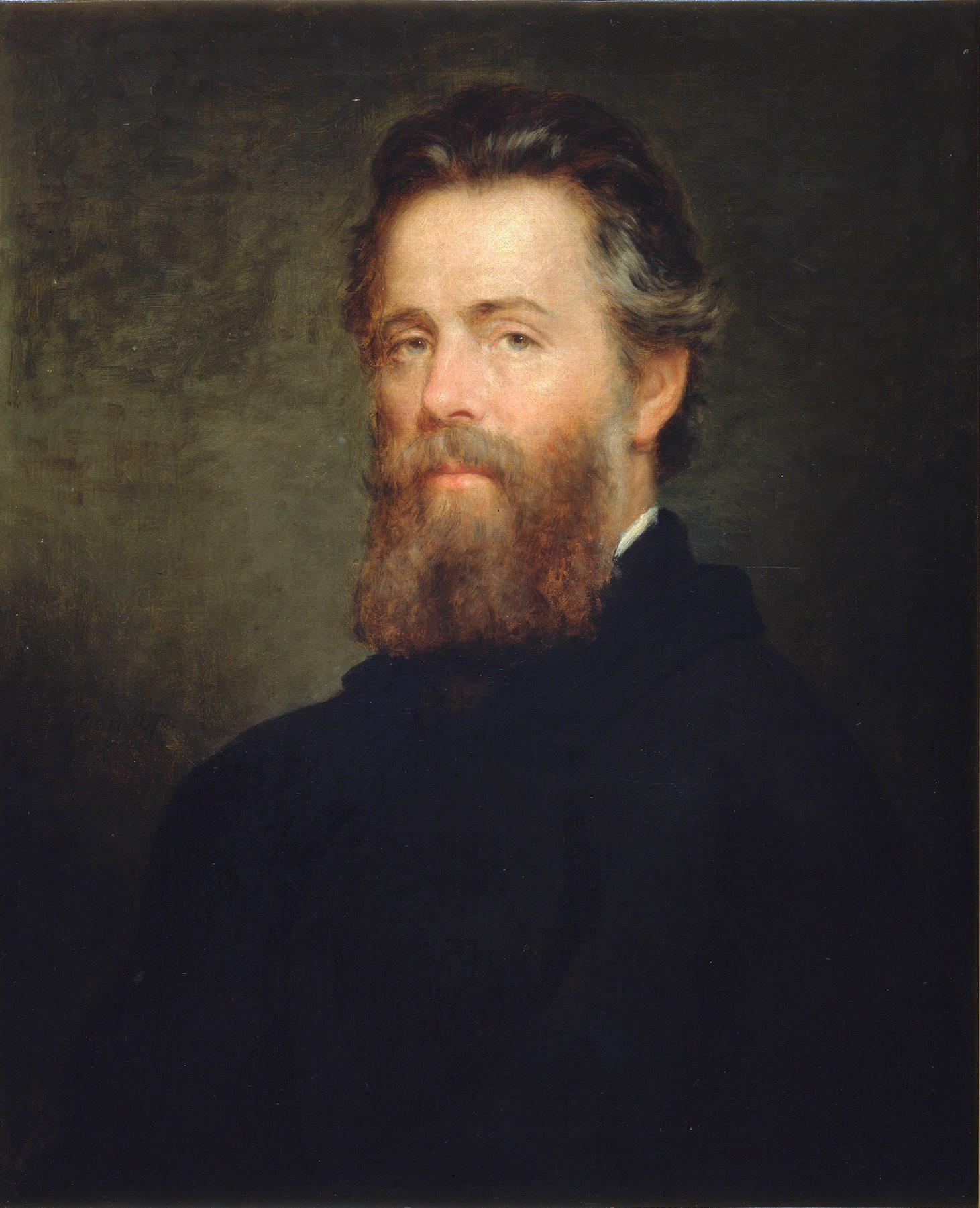
Herman Melville (born Melvill; August 1, 1819 – September 28, 1891) was an American novelist, short story writer, and poet of the American Renaissance period. Among his best-known works are Moby-Dick (1851); Typee (1846), a romanticized account of his experiences in Polynesia; and Billy Budd, Sailor, a posthumously published novella. At the time of his death Melville was not well known to the public, but 1919, the centennial of his birth, was the starting point of a Melville revival. Moby-Dick would eventually be considered one of the Great American Novels.
Melville was born in New York City, the third child of a prosperous merchant whose death in 1832 left the family in dire financial straits. He took to sea in 1839 as a common sailor on the merchant ship St. Lawrence and then, in 1841, on the whaler Acushnet, but he jumped ship in the Marquesas Islands. Typee, his first book, and its sequel, Omoo (1847), were travel-adventures based on his encounters with the peoples of the islands. Their success gave him the financial security to marry Elizabeth Shaw, the daughter of the Boston jurist Lemuel Shaw. Mardi (1849), a romance-adventure and his first book not based on his own experience, was not well received. Redburn (1849) and White-Jacket (1850), both tales based on his experience as a well-born young man at sea, were given respectable reviews, but did not sell well enough to support his expanding family.
Melville's growing literary ambition showed in Moby-Dick (1851), which took nearly a year and a half to write, but it did not find an audience, and critics scorned his psychological novel Pierre: or, The Ambiguities (1852). From 1853 to 1856, Melville published short fiction in magazines, including "Benito Cereno" and "Bartleby, the Scrivener". In 1857, he traveled to England, toured the Near East, and published his last work of prose, The Confidence-Man (1857). He moved to New York in 1863, eventually taking a position as a United States customs inspector.
From that point, Melville focused his creative powers on poetry. Battle-Pieces and Aspects of the War (1866) was his poetic reflection on the moral questions of the American Civil War. In 1867, his eldest child Malcolm died at home from a self-inflicted gunshot. Melville's metaphysical epic Clarel: A Poem and Pilgrimage in the Holy Land was published in 1876. In 1886, his other son Stanwix died of apparent tuberculosis, and Melville retired. During his last years, he privately published two volumes of poetry, and left one volume unpublished. The novella Billy Budd was left unfinished at the time of his death, but was published posthumously in 1924. Melville died from cardiovascular disease in 1891.
Melville was born in New York City, on August 1, 1819, the third of eight children to Allan Melvill and Maria (Gansevoort) Melvill. His seven siblings, who played important roles in his career and emotional life, were Gansevoort, Helen Maria, Augusta, Allan, Catherine, Frances Priscilla, and Thomas, who eventually became a governor of Sailors' Snug Harbor. Part of a well-established and colorful Boston family, Allan Melvill spent considerable time away from New York City, travelling regularly to Europe as a commission merchant and an importer of French dry goods.
Both of Melville's grandfathers played significant roles in the American Revolutionary War, and Melville later expressed satisfaction in his "double revolutionary descent". Major Thomas Melvill participated in the Boston Tea Party, and Melville's maternal grandfather, General Peter Gansevoort, commanded the defense of Fort Stanwix in New York in 1777.
At the turn of the 19th century, Major Melvill did not send his son Allan (Herman's father) to college, but instead sent him to France, where he spent two years in Paris and learned to speak French fluently. In 1814, Allan, who subscribed to his father's Unitarianism, married Maria Gansevoort, who was committed to her family's more strict and biblically oriented Dutch Reformed version of the Calvinist creed. The Gansevoorts' severe Protestantism ensured that Maria was well versed in the Bible, in English as well as in Dutch, the language that the Gansevoorts spoke at home.
On August 19, almost three weeks after his birth, Melville was baptized at home by a minister of the South Reformed Dutch Church. During the 1820s, Melville lived a privileged and opulent life in a household supported by three or more servants at a time. Every four years, the family moved to more spacious and elegant quarters, finally settling on Broadway in 1828. Allan Melvill lived beyond his means, on large sums that he borrowed from his father and from his wife's widowed mother. Although his wife's opinion of his financial conduct is unknown, biographer Hershel Parker says that Maria "thought her mother's money was infinite and that she was entitled to much of her portion" while her children were young. How well the parents managed to hide the truth from their children is "impossible to know", according to biographer Andrew Delbanco.
Hub AI
Herman Melville AI simulator
(@Herman Melville_simulator)
Herman Melville
Herman Melville (born Melvill; August 1, 1819 – September 28, 1891) was an American novelist, short story writer, and poet of the American Renaissance period. Among his best-known works are Moby-Dick (1851); Typee (1846), a romanticized account of his experiences in Polynesia; and Billy Budd, Sailor, a posthumously published novella. At the time of his death Melville was not well known to the public, but 1919, the centennial of his birth, was the starting point of a Melville revival. Moby-Dick would eventually be considered one of the Great American Novels.
Melville was born in New York City, the third child of a prosperous merchant whose death in 1832 left the family in dire financial straits. He took to sea in 1839 as a common sailor on the merchant ship St. Lawrence and then, in 1841, on the whaler Acushnet, but he jumped ship in the Marquesas Islands. Typee, his first book, and its sequel, Omoo (1847), were travel-adventures based on his encounters with the peoples of the islands. Their success gave him the financial security to marry Elizabeth Shaw, the daughter of the Boston jurist Lemuel Shaw. Mardi (1849), a romance-adventure and his first book not based on his own experience, was not well received. Redburn (1849) and White-Jacket (1850), both tales based on his experience as a well-born young man at sea, were given respectable reviews, but did not sell well enough to support his expanding family.
Melville's growing literary ambition showed in Moby-Dick (1851), which took nearly a year and a half to write, but it did not find an audience, and critics scorned his psychological novel Pierre: or, The Ambiguities (1852). From 1853 to 1856, Melville published short fiction in magazines, including "Benito Cereno" and "Bartleby, the Scrivener". In 1857, he traveled to England, toured the Near East, and published his last work of prose, The Confidence-Man (1857). He moved to New York in 1863, eventually taking a position as a United States customs inspector.
From that point, Melville focused his creative powers on poetry. Battle-Pieces and Aspects of the War (1866) was his poetic reflection on the moral questions of the American Civil War. In 1867, his eldest child Malcolm died at home from a self-inflicted gunshot. Melville's metaphysical epic Clarel: A Poem and Pilgrimage in the Holy Land was published in 1876. In 1886, his other son Stanwix died of apparent tuberculosis, and Melville retired. During his last years, he privately published two volumes of poetry, and left one volume unpublished. The novella Billy Budd was left unfinished at the time of his death, but was published posthumously in 1924. Melville died from cardiovascular disease in 1891.
Melville was born in New York City, on August 1, 1819, the third of eight children to Allan Melvill and Maria (Gansevoort) Melvill. His seven siblings, who played important roles in his career and emotional life, were Gansevoort, Helen Maria, Augusta, Allan, Catherine, Frances Priscilla, and Thomas, who eventually became a governor of Sailors' Snug Harbor. Part of a well-established and colorful Boston family, Allan Melvill spent considerable time away from New York City, travelling regularly to Europe as a commission merchant and an importer of French dry goods.
Both of Melville's grandfathers played significant roles in the American Revolutionary War, and Melville later expressed satisfaction in his "double revolutionary descent". Major Thomas Melvill participated in the Boston Tea Party, and Melville's maternal grandfather, General Peter Gansevoort, commanded the defense of Fort Stanwix in New York in 1777.
At the turn of the 19th century, Major Melvill did not send his son Allan (Herman's father) to college, but instead sent him to France, where he spent two years in Paris and learned to speak French fluently. In 1814, Allan, who subscribed to his father's Unitarianism, married Maria Gansevoort, who was committed to her family's more strict and biblically oriented Dutch Reformed version of the Calvinist creed. The Gansevoorts' severe Protestantism ensured that Maria was well versed in the Bible, in English as well as in Dutch, the language that the Gansevoorts spoke at home.
On August 19, almost three weeks after his birth, Melville was baptized at home by a minister of the South Reformed Dutch Church. During the 1820s, Melville lived a privileged and opulent life in a household supported by three or more servants at a time. Every four years, the family moved to more spacious and elegant quarters, finally settling on Broadway in 1828. Allan Melvill lived beyond his means, on large sums that he borrowed from his father and from his wife's widowed mother. Although his wife's opinion of his financial conduct is unknown, biographer Hershel Parker says that Maria "thought her mother's money was infinite and that she was entitled to much of her portion" while her children were young. How well the parents managed to hide the truth from their children is "impossible to know", according to biographer Andrew Delbanco.
Recent media