Hubbry Logo
Memorial UnitMemorial UnitMain
Open search
Memorial Unit
Community hub
Memorial Unit
logo
8 pages, 0 posts
0 subscribers
Be the first to start a discussion here.
Memorial Unit
Memorial Unit
from Wikipedia

Aerial photograph, U.S. Geological Survey – January 25, 1995

Key Information

Topographic map, U.S. Geological Survey – July 1, 1984

The Memorial Unit (DA), known as the Darrington Unit until 2023, is a Texas Department of Criminal Justice (TDCJ) men's prison located in Brazoria County, Texas,[1] with a Rosharon, Texas postal address;[2] it is not inside the Rosharon census-designated place.[3] Most of the unit is in an unincorporated area, while a portion is in the city limits of Sandy Point.[1]

The unit is along Farm to Market Road 521, 4 miles (6.4 km) north of Rosharon,[2] and about 30 miles (48 km) south of Downtown Houston.[4] The prison has about 6,770 acres (2,740 ha) of land. The prison has the Region III Administrative Office of the Windham School District.[2]

History

[edit]

The prison opened in 1917. It sits on land that was owned by the Mexican government until 1824. In the 1830s and 1840s, the land housed a plantation owned by John Darrington of Alabama. Slaves picked cotton and sugar cane there. Darrington did not live on the site, but the name Darrington Plantation stuck even after subsequent owners bought the land. The state of Texas kept the name of the plantation when they opened the prison, designating it the Darrington Unit.[5]

The song "Wasn't That a Mighty Storm" was first recorded by John A. Lomax in 1934 at Darrington, sung by "Sin-Killer" Griffin who claimed authorship.[6] In 1935 Darrington housed African American prisoners.[7]

In 1963, before racial desegregation occurred, the facility housed white second offenders.[8] In the late 1980s, Darrington housed a lot of leaders of prison gangs. In 1986 and 1987 a 12-foot (3.7 m) high gunwalk was built, overseeing 13 recreation yards; the walk allows prison guards to easily shoot and kill raging prisoners.[9]

In 2017 a judge ordered the installation of air conditioning.[4]

In January 2021, State Representative James White, chair of the Texas House Committee on Corrections, asked the Texas Board of Criminal Justice to rename the Darrington Unit and two other Texas prisons because the names were associated with slavery or convict leasing. White referred to John Darrington as a "plantation mega owner".[10] Later in the year, TDCJ changed the name of the prison to the Memorial Unit in honor of the agency's deceased employees.[5]

Operations

[edit]

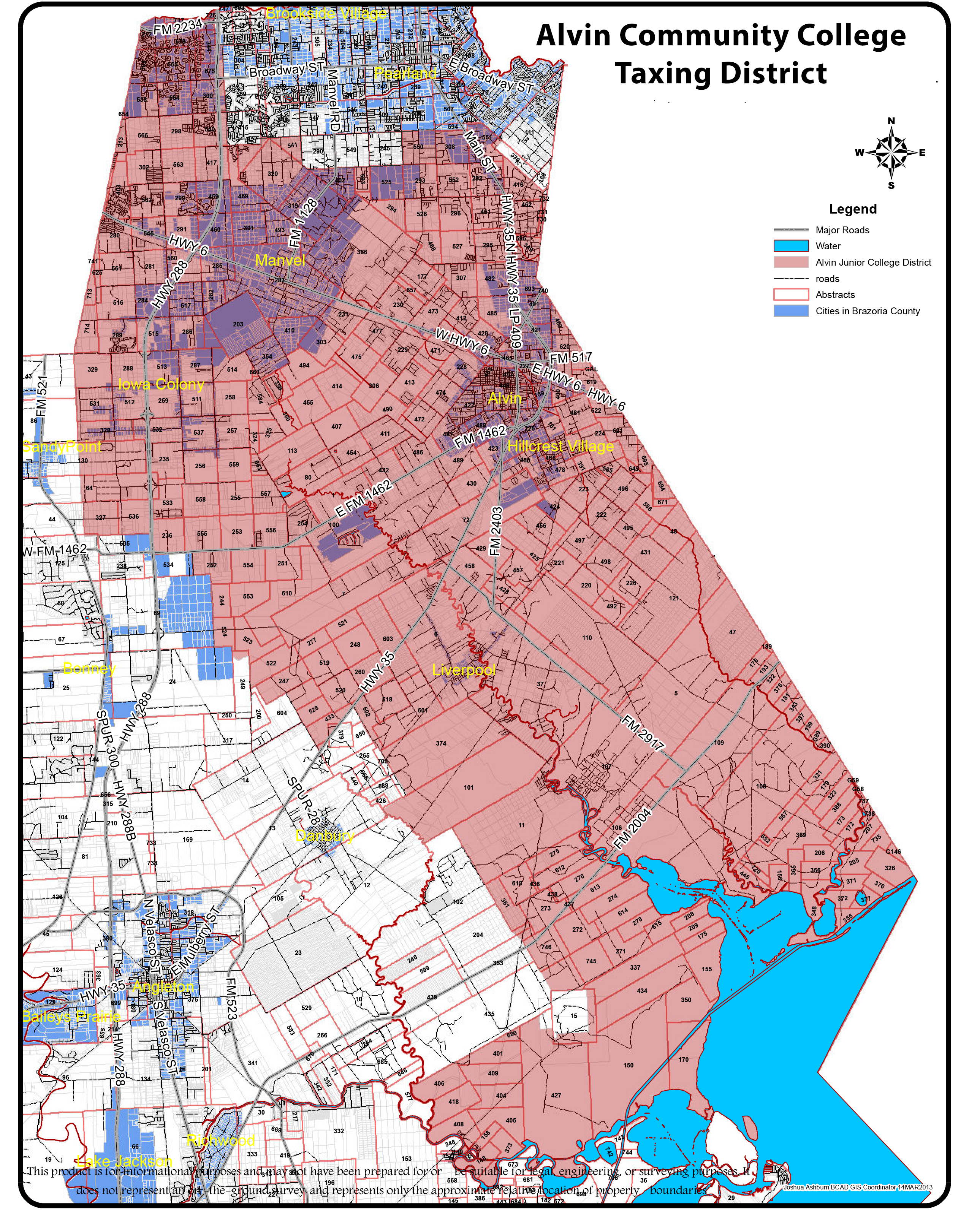
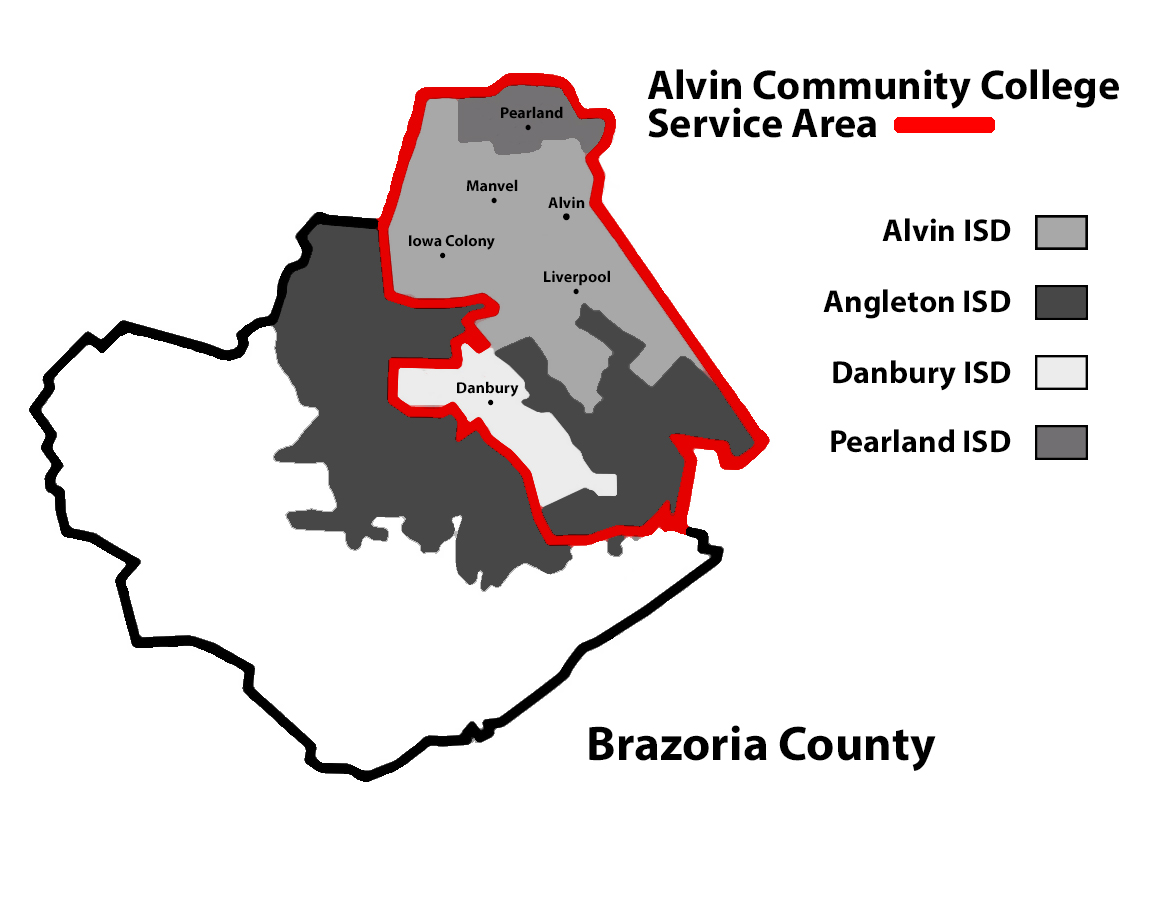
The Texas Legislature designated portions of Angleton ISD that by September 1, 1995 had not been annexed by Alvin Community College as in the Brazosport College zone.[11] As Darrington Unit is not in the maps of Alvin CC, it is in the Brazosport College zone.[12] There was a section of H.B. No. 2744,[13] filed on March 6, 2007,[14] which would have changed the boundary between Alvin CC and Brazosport CC to put the Darrington Unit in the Alvin CC service boundary.

Prisoner life

[edit]

Education

[edit]

In 2011, a campus of the Southwestern Baptist Theological Seminary was established in the prison.[15] The school has significantly reduced the rate of violence in the prison.

Notable prisoners

[edit]
Inmate Name Register Number Status Details
Timothy Wayne Shepherd 06215102 / 01530683 Serving a sentence of 99 years, of which he would 126 years old when released, effectively making it a life sentence. However, he is eligible for parole in 2037. Perpetrator of the 2007 Murder of Tynesha Stewart, his ex-girlfriend, which is notable for the unusual method of disposing her body in which Shepard cooked her on a barbeque grill to cover up his crime.[16][17][18]

References

[edit]
[edit]
Revisions and contributorsEdit on WikipediaRead on Wikipedia
from Grokipedia
The Memorial Unit (DA) is a men's prison operated by the (TDCJ), located four miles north of Rosharon in . Established in 1917 on land formerly part of the Darrington Plantation, purchased in 1835, the facility houses male inmates across custody levels G1 through G5, including security detention and transient populations. With a capacity of 1,931 inmates, it features extensive agricultural operations on 6,770 acres, including , crops, and swine production, alongside a tire retreading facility. Formerly known as the Darrington Unit, it was renamed the Memorial Unit to honor TDCJ employees who died in the , from illness, or under tragic circumstances, recognizing their service and sacrifices. The unit provides educational programs such as literacy, GED preparation, and ; cognitive intervention and pre-release programs; and vocational training in HVAC and automotive specialization. Notably, it hosts a seminary program offering degrees in , a faith-based , chaplaincy services, and reentry planning to support inmate rehabilitation and societal reintegration. Medical care is available around the clock, managed by the .

History

Establishment and Early Operations (1917–1950s)

The Memorial Unit, operating as the Darrington Unit until its 2023 renaming, was established in 1917 by the Texas Prison System as a state-run on 4,000 acres of fertile Brazoria County land near Rosharon, selected for its prior agricultural productivity. The site had been part of the antebellum Darrington Plantation, developed in the by native John Darrington using enslaved labor to grow and ; after , it transitioned to under private operators until the state's 1912 abolition of the practice shifted emphasis to direct control of inmate labor for system self-sufficiency. Initial operations focused on agricultural production to offset prison costs, with —predominantly male and segregated by race—assigned to manual field work planting , corn, , and , alongside livestock tending and infrastructure maintenance like ditch digging and road building. The facility housed around 500-1,000 in dormitory-style under armed guard supervision, employing a "building tender" system where trusted prisoners assisted in oversight, a common in early units but later criticized for enabling inmate-on-inmate violence. Daily routines mirrored schedules, with work from dawn to dusk six days a week, yielding crops that supplied prison needs and generated revenue through state sales, as expanded its farm system to 20,000+ by the . Through the 1920s and 1930s, Darrington exemplified the Texas system's reliance on compulsory farm labor amid economic pressures, including the , which increased inmate numbers to over 5,000 statewide by 1935; conditions involved rudimentary medical care, exposure to elements, and disciplinary measures like the "bat" or , contributing to high mortality rates reported across units at 2-3% annually in the era. In 1933-1934, folklorists John A. and recorded over 100 work songs, hollers, and blues performances by Black inmates at Darrington, capturing oral traditions born of field toil and highlighting the unit's role in preserving African American vernacular music under duress. Post-World War II operations into the 1950s saw begin with tractors reducing some hand labor, yet the core remained agrarian, producing thousands of bales of yearly and supporting state ; by 1950, the unit processed inmates for classification and transfer within the growing Texas Department of Corrections network, which held 12,000+ prisoners emphasizing work as reform but facing federal scrutiny over peonage-like practices. Reforms under directors like O.B. in the late introduced limited and vocational elements, but farm output dominated, with Darrington's fields integral to the system's claim of fiscal independence despite documented abuses like inadequate nutrition leading to outbreaks.

Expansion and Name Changes (1960s–2023)

In the decades following the 1950s, the Darrington Unit experienced no major documented physical expansions, unlike many other prison facilities constructed during the system's rapid growth in the and to address surging inmate populations driven by stricter sentencing laws and the . The unit's capacity remained relatively stable, accommodating around 1,700 inmates by the early , with operations focused on agricultural labor, , and as a medium-security hub for transfers. Minor infrastructure updates included the restoration of the unit's chapel in , funded by the Heart of Texas Foundation to support faith-based programming, including the establishment of a seminary extension offering a in . The most significant administrative change occurred in 2021, when the Board of Criminal Justice renamed the facility the Memorial Unit. This followed a proposal by State Representative Terry Wilson to eliminate names honoring enslavers and Confederate figures, as John Darrington, an planter who relocated to and owned enslaved people, had given his name to the unit established on former plantation land in 1917. Officially, the renaming aimed to memorialize TDCJ employees who died in the or from service-related illnesses, recognizing their sacrifices amid ongoing operational demands. The change aligned with similar renamings of other units, such as the Lockhart facility, and did not alter the unit's core functions or capacity, which stood at 1,931 by 2023. No further name changes or large-scale expansions have been recorded through 2023.

Recent Developments and Reforms

In 2021, the Texas Board of Criminal Justice renamed the Darrington Unit to the Memorial Unit, officially recognizing the contributions of deceased TDCJ employees while addressing the original name's ties to John Darrington, a 19th-century plantation owner whose land holdings were linked to Texas's convict leasing system of forced agricultural labor. This change followed investigative reports highlighting the unit's historical role in perpetuating plantation-style penal practices, including the use of inmate labor on former slave plantations, which had drawn criticism for glorifying exploitative legacies. The renaming aligned with TDCJ's broader efforts to modernize facility identities amid scrutiny of its plantation prison origins, though operational reforms at have focused on expanding rehabilitative programming rather than structural overhauls. The Memorial Unit hosts a faith-based and program, enabling inmates to pursue a in through partnerships with external institutions, with ongoing expansions in spiritual leadership training evidenced by field minister graduations as recent as December 2024. These initiatives aim to foster and reduce , complementing and vocational offerings available upon capacity. Under TDCJ's 2030 strategic framework approved in 2024, the unit integrates with agency-wide reforms emphasizing evidence-based rehabilitation, including enhanced PREA compliance measures and participation in population management to address pressures, though specific capacity increases at remain tied to system-level allocations of over $63 million for operational sustainment in the 2025-2027 biennium. No major infrastructure reforms, such as widespread retrofits, have been uniquely implemented at the unit post-2021, reflecting TDCJ's prioritization of statewide cool-bed expansions over site-specific builds.

Facility Description and Operations

Location and Physical Infrastructure

The Memorial Unit is situated at 59 Darrington Road, Rosharon, 77583, in Brazoria County, approximately four miles north of the town of Rosharon along 521. The facility occupies roughly 6,770 acres of land dedicated to correctional, agricultural, and support operations. Designed to house up to 1,931 male inmates across custody levels G1 through G5, including detention and transient populations, the unit features infrastructure supporting diverse functions. Key physical components include extensive agricultural buildings for cow/calf ranching, edible and field production, operations, finishing, farm shop activities, and cold/grain storage facilities. Additional structures encompass a retreading plant, unit operations, for horses and detection canines, and administrative offices for the Windham Southern Region. Medical infrastructure provides 24-hour , dental services, and support, managed in partnership with the (UTMB). The unit maintains accreditation from the American Correctional Association since 2000, reflecting standards in physical plant and operational safety.

Security Protocols and Inmate Classification

The Memorial Unit functions as a medium-security , classified under TDCJ's security level III, which permits general population housing with structured oversight rather than maximum confinement measures. This designation aligns with facilities emphasizing rehabilitation alongside containment, accommodating inmates deemed suitable for medium-custody environments based on factors such as offense severity, behavioral history, and risk assessment. Inmate classification for assignment to the unit follows TDCJ's centralized system, where the and Division evaluates offenders upon intake or reclassification using criteria including criminal history, escape risk, assaultive behavior, and program needs; suitable individuals are transferred to medium-security sites like . The facility houses a diverse range of custody designations, spanning G1 (minimum/trusty) through G5 (high-risk general population), alongside administrative segregation for disciplinary cases, outside trusty campers for low-risk laborers, and transient offenders in transit. Classification committees at the unit conduct periodic reviews, typically every 90 to 180 days, to adjust statuses based on compliance, work performance, and incident reports, enabling progression to lower custody if criteria are met. Security protocols emphasize preventive monitoring and response, with correctional officers conducting frequent rounds—observed in housing areas to ensure accountability and detect irregularities. Surveillance cameras cover key zones such as dormitories and common areas, supplemented by perimeter fencing, access controls, and random shakedowns; all entrants, including staff and visitors, undergo scans and same-gender pat searches. Counts occur multiple times daily, with formal procedures for emergency s or heightened alerts, while specialized teams handle high-risk transports or incidents; these measures, audited under PREA standards, aim to mitigate violence and contraband without constant akin to maximum-security units.

Administrative and Support Functions

The Memorial Unit's administration is led by Senior Warden Bruce Frederick, who oversees daily operations within the framework of the Department of Criminal Justice's (TDCJ) Correctional Institutions Division (CID). This leadership structure falls under Regional Director Jerry Sanchez of Region III and Deputy Division Director Lonnie "L.E." Townsend, ensuring alignment with statewide policies on security, classification, and . The unit's administrative hierarchy supports functions such as inmate , disciplinary proceedings, and compliance with TDCJ directives, with oversight emphasizing operational efficiency and accountability. Support functions at the unit include a dedicated Family Liaison Coordinator, Meredith Jeffers, who facilitates communication between ' families and facility staff, addressing inquiries on visitation, correspondence, and general welfare. The unit maintains 567 total employees, comprising 449 staff for custodial duties and 81 non-security personnel handling administrative, logistical, and programmatic roles; this is supplemented by 9 Windham School District educators for academic oversight and 28 contract providers from the (UTMB) for medical and services. These roles enable ancillary operations like unit maintenance, agricultural production (including cow/calf ranching, edible crops, operations, swine husbandry, horses and canines, and cold/grain storage), and via a retreading facility, which contribute to self-sufficiency and cost control within TDCJ's broader support framework for laundry, food, and supply services. Medical administration provides , dental services, and support on a 24-hour basis, including regional digital medical services, specialty clinics, and housing for (CPAP) users, all coordinated through UTMB contracts to meet state-mandated health standards. Additional support encompasses chaplaincy services for spiritual guidance, reentry planning coordination, and narcotic canine units for detection, integrating with TDCJ's emphasis on rehabilitation and protocols. These functions collectively ensure the unit's operational continuity, with staffing levels calibrated to a capacity of approximately 1,600 inmates at security level III.

Inmate Programs and Daily Life

Housing and Living Conditions

The Memorial Unit houses male in 26 primarily dormitory-style units, accommodating general levels G1 through G5, as well as detention and transient offenders. assignments are determined by assessments using the Safe Prisons/PREA Automated Network System, conducted within 72 hours of arrival to evaluate risks including age, , and for appropriate placement in living areas, work, and programs. The facility's designed capacity is 1,931 beds, with a current of 1,623 and an average daily of 1,639 over the preceding 12 months as of 2024. Specialized dormitory options include a faith-based area and accommodations for inmates requiring (CPAP) machines. Dormitories feature posted PREA informational bulletins in multiple languages, designated phones or tablets for confidential reporting (issued to 95% of inmates), and measures to ensure privacy during showers and changes, such as announcements by opposite-gender staff entering areas. and inmates receive case-by-case housing decisions prioritizing safety and preferences, with private showering offered; restrictive housing for victimization risks is a last resort, reviewed every 30 days, and no such involuntary placements occurred in the past year. Living conditions emphasize separation of high-risk inmates and comprehensive video monitoring, with unannounced staff rounds documented for safety. Amenities include 24/7 ambulatory medical, dental, and services, though housing areas lack full , relying instead on TDCJ's seasonal heat mitigation protocols like ice distribution and fans from April 15 to October 31. A 2017 mandated installation at the unit amid heat-related complaints, but as of 2025, prisons including Memorial continue partial implementation, with statewide full coverage targeted by 2032 via legislative funding of $118 million. Daily routines involve structured counts, meal times, and program access, with tablets facilitating communication but no routine private cells noted beyond classification needs.

Education and Vocational Training

The Memorial Unit offers foundational educational programs administered by the Windham School District, the accredited provider for academic instruction across (TDCJ) facilities. These include literacy classes through Adult Basic Education leading to (GED) certification, services for eligible inmates with disabilities, and cognitive intervention programs aimed at developing problem-solving and decision-making skills. is available based on demand and staffing, supporting inmates pursuing high school equivalency or basic skills enhancement. Vocational training at the unit emphasizes practical skills for post-release employment, with career and technology programs in Heating, Ventilation, Air , and Refrigeration (HVAC/R) and Automotive Specialization (). These hands-on courses, delivered through TDCJ's Rehabilitation Programs Division, equip participants with industry-recognized competencies to address workforce needs upon or discharge. Pre-release preparation via the CHANGES program integrates vocational readiness with reentry planning, focusing on , job search strategies, and community resource connections to reduce risks. A distinctive postsecondary offering is the Heart of Texas Foundation College of Ministry, a faith-based program enabling select long-term inmates to earn a Bachelor of Arts in Applied Ministry over approximately 4.5 years, including theological, general education, and practical ministry coursework. Graduates are commissioned as field ministers to support peer counseling and spiritual guidance within TDCJ, with the program funded privately at no taxpayer cost and housed in a dedicated faith-based . initiatives complement these efforts, training inmates to facilitate sessions on topics like and substance avoidance, enhancing communal skill-building.

Labor Assignments and Work Requirements

Inmates at the Memorial Unit are primarily assigned to agricultural labor supporting the Texas Department of Criminal Justice's (TDCJ) , , and Division, which manages crop production, , and related operations across multiple units. Specific roles include cow/calf ranching, cultivation and harvesting of edible and field crops, egg laying operations with washing and packaging, farm shop maintenance, security for unit horses and pack canines, swine finishing, and management of cold storage and grain storage facilities. Additional assignments extend to manufacturing and facility support, such as tire retreading at the on-site facility and general unit maintenance tasks like repairs and upkeep. Community service projects are also available, involving labor for local city and county agencies, area food banks, , and initiatives, typically on a voluntary or assigned basis to foster reentry skills. Under TDCJ , able-bodied classified G1 through G5 are required to accept work assignments unless medically exempted or otherwise restricted by status, with jobs allocated based on level, physical capability, and operational demands. Refusal to perform assigned duties constitutes a disciplinary violation, potentially leading to sanctions such as reduced accrual or loss of privileges, as stipulated in the TDCJ inmate disciplinary rules. Agricultural and maintenance work, comprising the bulk of assignments at this unit, is generally uncompensated, though participants may earn non-monetary incentives like improved housing or program access; minimal stipends of up to $0.50 per hour apply in select Correctional Industries roles, but not typically for field or farm labor. These requirements align with Texas Government Code Section 497, which mandates productive labor for inmates to offset incarceration costs and promote discipline, though enforcement varies by unit staffing and seasonal demands in operations. Historical continuity from the unit's origins as a emphasizes field labor's role in self-sufficiency, with modern outputs including crops and products that generate revenue for TDCJ while meeting institutional needs.

Notable Inmates and Incidents

Prominent Incarcerated Individuals

The Memorial Unit, formerly the Darrington Unit, primarily houses general population inmates convicted of felonies including , , and aggravated robbery, with sentences ranging from years to , but lacks association with high-profile or nationally prominent individuals such as politicians, celebrities, or infamous criminals documented in other facilities. Public records and reports emphasize the unit's role in processing transient inmates and supporting rehabilitation programs rather than spotlighting specific prisoners for prior notoriety. Inmates who have received limited external attention typically stem from involvement in facility-specific initiatives, such as the program launched in , which has graduated dozens of prisoners as field ministers trained to counsel peers and reduce violence through faith-based education; the inaugural class of 33 completed degrees in May 2015. Subsequent cohorts, including 33 more commissioned in 2016, focused on internal reform but did not elevate participants to broader prominence. Incidents like stabbings or staff-inmate confrontations have occasionally highlighted unnamed prisoners in news accounts, but these reflect systemic issues rather than individual fame. Historical fieldwork, such as John and Alan Lomax's 1933 recordings of anonymous convict work songs at the Darrington farm, captured cultural artifacts from incarcerated laborers but identified no specific figures. Overall, the unit's inmate profile aligns with TDCJ's emphasis on medium- to maximum-security confinement without the exceptional cases drawing sustained media or historical focus seen elsewhere.

Major Escapes and Internal Violence

In 1990, inmates Billy Ray Stout and Michael Kerr escaped from the Darrington Unit by stealing a state-owned after threatening a with a homemade . The pair was recaptured shortly thereafter, highlighting vulnerabilities in trusty camp oversight at the facility. Dennis Wayne Hope, a prolific escapee, successfully broke out of the Darrington Unit multiple times during his incarceration in prisons, including instances documented in correctional records and media accounts of his evasion tactics such as physical conditioning and exploiting perimeter weaknesses. His escapes from the unit contributed to his reputation as one of ' most notorious fugitives, with recaptures involving pursuits across state lines. In February 2004, inmate David Cortez failed to report for a head count at the Darrington Unit's trusty camp and was classified as escaped; he was apprehended days later by local authorities. This incident underscored ongoing challenges with monitoring low-security trusties assigned to off-site labor. Internal violence at the unit has included fatal inmate-on-inmate assaults, such as the 1985 stabbing death of Joel Figueroa by his cellmate in a chest wound attack, as reported by prison officials. In 1984, a disturbance escalated when an inmate struck an officer with a board, leading to charges against 18 inmates for rioting and assault within the Darrington Unit. Gang-related killings have occurred, including a 2010s incident in the Darrington Unit dayroom where three Texas Mexican Mafia members murdered another inmate, reflecting entrenched organized crime influences in housing areas. More recently, in September 2023, inmate Edgar Robles died from injuries sustained in a fight with another prisoner at the Memorial Unit, prompting an official investigation by TDCJ. Staff-inmate confrontations have also resulted in deaths, such as the 2017 case where Sergeant Lou Joffrion was charged with aggravated assault after slamming inmate David Witt's head against concrete, an event captured on video and leading to a . This incident was part of a broader pattern of rising use-of-force episodes in TDCJ facilities, including the Darrington Unit, where three inmate deaths by staff action were documented amid staffing shortages.

Controversies and Public Impact

Historical Context of Forced Labor and Plantation Legacy

The Memorial Unit, formerly the Darrington Unit, is situated on land that originated as a in , owned by the Darrington family during the antebellum era. John Darrington, for whom the unit was named until 2023, was a prominent plantation owner who expanded operations through enslaved labor and later profited from the post-Civil War system. Texas's convict leasing program, formalized in 1883 and lasting until 1910, represented a direct extension of forced labor after the abolition of chattel under the 13th Amendment, which permitted as criminal punishment. State convicts, overwhelmingly Black men targeted via Black Codes— and laws engineered to re-enslave freedpeople through minor or fabricated offenses—were auctioned to private lessees for grueling fieldwork on plantations, railroads, and mines. Mortality rates exceeded 20% annually in the system's early years, with abuses including whippings, starvation, and exposure driving thousands of deaths, as documented in legislative investigations. Public scandals, including exposés of lessee brutality and state complicity in profiting from leased labor (which generated up to 20% of Texas's revenue by the ), prompted reform. In , the ended leasing and directed the state to purchase farmland from former contractors—often ex-Confederate —to create self-sustaining farms. Over 50,000 acres were acquired, including the Darrington site, where the unit opened in 1917 as a state-run agricultural operation mirroring . Inmates continued hoe squads and crop cultivation under armed guards, perpetuating the cycle of coerced field labor. This plantation-to-prison transition embedded a legacy of racialized forced labor in Texas's carceral system, with TDCJ units like retaining agricultural work programs that echo antebellum and leasing-era practices. By the mid-20th century, such farms produced , corn, and livestock, subsidizing operations through inmate output valued at millions annually. Critics, drawing on prison records and survivor accounts, argue this model incentivized mass incarceration to supply cheap labor, disproportionately affecting Texans amid ongoing discriminatory policing and sentencing disparities.

Criticisms of Conditions and Management

The Memorial Unit, formerly known as the Darrington Unit until its renaming in 2023, has faced scrutiny over inadequate climate control, with inmate housing areas lacking , contributing to extreme exposure in temperatures often exceeding 100°F (38°C) during summer months. A 2017 federal court ruling specifically addressed conditions at the Darrington Unit, deeming the heat "cruel and unusual" under the Eighth Amendment and mandating temporary for heat-sensitive inmates, such as those with medical vulnerabilities. More broadly, a March 2025 decision by U.S. District Judge Robert Pitman declared housing inmates in TDCJ facilities without sufficient cooling "plainly unconstitutional," citing over 30 heat-related deaths across the system from 2001 to 2019, with ongoing risks amplified by the unit's agricultural operations exposing workers to outdoor . Critics have highlighted the unit's reliance on mandatory unpaid labor for farm work on 139,000 acres of TDCJ land, including crop production yielding 7.8 million pounds of and 69.5 million pounds of in 2019 alone, under conditions where refusal results in disciplinary actions like or loss of good-time credits. An ACLU analysis documented inmates at the Memorial Unit performing strenuous tasks without , such as filling sandbags during in 2017 while in the storm's path and producing masks and gowns during the without or adequate safeguards, raising concerns over health risks and exploitation given the zero compensation for most assignments. A Texas state audit further noted that 46% of such agricultural output costs more to produce than its market value, questioning the economic rationale while emphasizing the punitive structure over rehabilitation. Incidents of violence and inadequate oversight have also drawn criticism, including a December 2016 case at the Darrington Unit where a guard pepper-sprayed an inmate at in an allegedly unprovoked manner, initially deemed a violation of the Eighth by the 5th Circuit but ultimately shielded by due to lack of precedent. In September 2023, an inmate death occurred following a fight at the Memorial Unit, prompting investigations into internal security protocols. Emergency management responses have been faulted for disparities, as during Hurricane Beryl in July 2024, inmates received cool water only three to four times daily while staff accessed cold beverages, exacerbating perceptions of unequal treatment amid broader TDCJ staffing shortages that hinder consistent supervision.

Defenses, Effectiveness, and Contributions to Public Safety

The , as part of the (TDCJ) system, contributes to public safety through the incapacitation of sentenced offenders, thereby reducing opportunities for further criminal activity in the community during their confinement. Housing primarily medium- and maximum-security male inmates convicted of serious offenses, the facility enforces custodial measures that align with on the incapacitative effects of , where longer sentences correlate with decreased crime rates attributable to offender removal from society. TDCJ data indicate that the statewide prison population, including units like Memorial, supports broader public safety by managing over 130,000 offenders annually, with incarceration proven to avert an estimated hundreds of thousands of potential crimes based on offender risk profiles. Effectiveness in rehabilitation is evidenced by participation in unit-specific programs that equip inmates with employable skills, contributing to TDCJ's low recidivism rates of 16.9% within three years of release for recent cohorts—one of the lowest nationally—compared to national averages exceeding 60% in some studies. At Memorial (formerly Darrington), inmates engage in higher education initiatives, such as earning four-year degrees in fields like criminal justice, after which graduates are often transferred to instruct peers at other facilities, fostering a multiplier effect in skill-building and behavioral change. Vocational offerings, including welding and related trades tied to Texas's energy sector, align with labor market demands and have been associated with post-release employment gains, further lowering reoffending risks through economic stability. Defenses of the unit's operations counter criticisms of conditions by highlighting compliance with federal standards, such as successful Prison Rape Elimination Act (PREA) audits demonstrating proactive measures against inmate-on-inmate violence and abuse, which enhance internal security and indirectly bolster public safety via stable rehabilitation environments. Proponents, including TDCJ leadership, argue that program completion rates—supported by structured daily routines and interventions—yield causal reductions in , as validated by longitudinal tracking showing participants 20-30% less likely to return than non-participants, prioritizing evidence-based outcomes over isolated incident reports. While acknowledging systemic challenges like staffing shortages, these defenses emphasize the unit's role in a framework where rehabilitative successes outweigh flaws, evidenced by Texas's declining rates correlating with sustained incarceration and reentry programming.

References

Add your contribution
Related Hubs
User Avatar
No comments yet.