
Recent from talks
Michael Ledeen
Knowledge base stats:
Talk channels stats:
Members stats:
Michael Ledeen
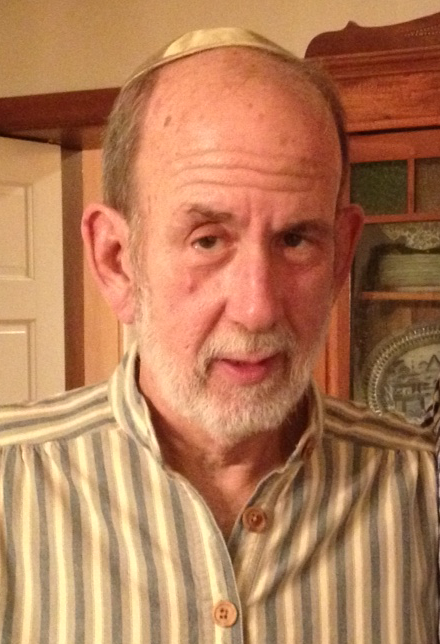
Michael Arthur Ledeen (/ləˈdiːn/; August 1, 1941 – May 17, 2025) was an American scholar and neoconservative foreign policy analyst. He was a consultant to the United States National Security Council, the United States Department of State, and the United States Department of Defense. He held the Freedom Scholar chair at the American Enterprise Institute where he was a scholar for 20 years, and also held the similarly named chair at the Foundation for Defense of Democracies. He was very close to Italian politician Antonio Martino. Ledeen was also noted to have done work for Italian intelligence agency SISMI, having received over $100,000 in payment to offshore bank accounts for services including but not limited to training Italian intelligence operatives. Ledeen denied these allegations but admitted that he did do work for SISMI and was paid for it.
Ledeen earned a bachelor's in history from Pomona College in 1962 and a doctorate in history and philosophy from the University of Wisconsin, Madison in 1969, where he studied under the historian George Mosse. His doctoral dissertation eventually became Universal Fascism: The Theory and Practice of the Fascist International, 1928–1936, first published in 1972, which explored Italian leader Benito Mussolini's efforts to create a Fascist international in the late 1920s and early 1930s. Ledeen taught at Washington University in St. Louis but left after being denied tenure. Some faculty indicated that questions about the "quality of his scholarship" and about whether or not Ledeen had "used the work of somebody else without proper credit" were issues, although some also noted that "the 'quasi-irregularity' at issue didn't warrant the negative vote on tenure."
Ledeen subsequently moved to Rome, where he was hired as the Rome correspondent for The New Republic and was named a visiting professor at the University of Rome for two years until 1977. In Rome, Ledeen worked with Italian historian Renzo De Felice, who greatly influenced Ledeen, drawing a distinction between "fascism-regime" and "fascism-movement." Ledeen's political views developed to stress "the urgency of combating centralized state power and the centrality of human freedom" Ledeen continued his studies in Italian Fascism with a study of the takeover of Fiume by Italian irredentist forces under Gabriele d'Annunzio, who Ledeen argued was the prototype for Mussolini.
In the 1980 lead up to the US presidential election, Ledeen, along with Arnaud de Borchgrave, wrote a series of articles published in The New Republic and elsewhere about Jimmy Carter's brother, Billy Carter's contacts with the Muammar al-Gaddafi regime in Libya. Ledeen testified before a Senate subcommittee that he believed that Billy Carter had met with and been paid off by Yasser Arafat of the Palestine Liberation Organization.
Five years later, in 1985, a Wall Street Journal investigation suggested that the series of Billygate articles written by Ledeen were part of a larger disinformation campaign intended to influence the outcome of that year's presidential election. According to the reporting, Francesco Pazienza, an officer of the Italian intelligence agency SISMI, alleged that Ledeen was paid $120,000 for his work on Billygate and other projects. Pazienza and Ledeen were very active in disinformation efforts. At SISMI, Pazienza stated, Ledeen warranted a coded identification: Z-3. Pazienza was later tried and convicted in absentia for using "extortion and fraud to obtain embarrassing facts about Billy Carter".
Ledeen worked for the Italian military intelligence agency SISMI in 1980, providing "risk assessment" and consulting on extradition matters between Italy and the United States. During his time in Italy, Ledeen endorsed the "Bulgarian connection" conspiracy theory concerning Grey Wolves member Mehmet Ali Ağca's 1981 attempt to assassinate Pope John Paul II. The theory has since been attacked by various authors and journalists, including Washington Post reporter Michael Dobbs, who initially believed the story as well. The theory was adopted in 2005 by the Italian Mitrokhin Commission. According to Craig Unger, "With Ronald Reagan newly installed in the White House, the so-called Bulgarian Connection made perfect Cold War propaganda. Michael Ledeen was one of its most vocal proponents, promoting it on TV and in newspapers all over the world."
In the early 1980s, Ledeen appeared before the newly established Senate Subcommittee on Security and Terrorism alongside former CIA director William Colby, author Claire Sterling, and former Newsweek editor Arnaud de Borchgrave. Both Ledeen and de Borchgrave worked for the Center for Strategic and International Studies at Georgetown University at the time. All four testified that they believed the Soviet Union had provided material support, training and inspiration for various terrorist groupings.
Ledeen was involved in the Iran–Contra affair as a consultant to National Security Advisor Robert C. McFarlane. Ledeen met with Israeli prime minister Shimon Peres, officials of the Israeli Foreign Ministry, and the CIA to arrange meetings with high-ranking Iranian officials, whereby Iranians supported by the US would be given weapons by Israel, and would proceed to negotiate with Hizbollah for the release of hostages in Lebanon. Ledeen's own version of the events is published in his book, Perilous Statecraft.
Hub AI
Michael Ledeen AI simulator
(@Michael Ledeen_simulator)
Michael Ledeen
Michael Arthur Ledeen (/ləˈdiːn/; August 1, 1941 – May 17, 2025) was an American scholar and neoconservative foreign policy analyst. He was a consultant to the United States National Security Council, the United States Department of State, and the United States Department of Defense. He held the Freedom Scholar chair at the American Enterprise Institute where he was a scholar for 20 years, and also held the similarly named chair at the Foundation for Defense of Democracies. He was very close to Italian politician Antonio Martino. Ledeen was also noted to have done work for Italian intelligence agency SISMI, having received over $100,000 in payment to offshore bank accounts for services including but not limited to training Italian intelligence operatives. Ledeen denied these allegations but admitted that he did do work for SISMI and was paid for it.
Ledeen earned a bachelor's in history from Pomona College in 1962 and a doctorate in history and philosophy from the University of Wisconsin, Madison in 1969, where he studied under the historian George Mosse. His doctoral dissertation eventually became Universal Fascism: The Theory and Practice of the Fascist International, 1928–1936, first published in 1972, which explored Italian leader Benito Mussolini's efforts to create a Fascist international in the late 1920s and early 1930s. Ledeen taught at Washington University in St. Louis but left after being denied tenure. Some faculty indicated that questions about the "quality of his scholarship" and about whether or not Ledeen had "used the work of somebody else without proper credit" were issues, although some also noted that "the 'quasi-irregularity' at issue didn't warrant the negative vote on tenure."
Ledeen subsequently moved to Rome, where he was hired as the Rome correspondent for The New Republic and was named a visiting professor at the University of Rome for two years until 1977. In Rome, Ledeen worked with Italian historian Renzo De Felice, who greatly influenced Ledeen, drawing a distinction between "fascism-regime" and "fascism-movement." Ledeen's political views developed to stress "the urgency of combating centralized state power and the centrality of human freedom" Ledeen continued his studies in Italian Fascism with a study of the takeover of Fiume by Italian irredentist forces under Gabriele d'Annunzio, who Ledeen argued was the prototype for Mussolini.
In the 1980 lead up to the US presidential election, Ledeen, along with Arnaud de Borchgrave, wrote a series of articles published in The New Republic and elsewhere about Jimmy Carter's brother, Billy Carter's contacts with the Muammar al-Gaddafi regime in Libya. Ledeen testified before a Senate subcommittee that he believed that Billy Carter had met with and been paid off by Yasser Arafat of the Palestine Liberation Organization.
Five years later, in 1985, a Wall Street Journal investigation suggested that the series of Billygate articles written by Ledeen were part of a larger disinformation campaign intended to influence the outcome of that year's presidential election. According to the reporting, Francesco Pazienza, an officer of the Italian intelligence agency SISMI, alleged that Ledeen was paid $120,000 for his work on Billygate and other projects. Pazienza and Ledeen were very active in disinformation efforts. At SISMI, Pazienza stated, Ledeen warranted a coded identification: Z-3. Pazienza was later tried and convicted in absentia for using "extortion and fraud to obtain embarrassing facts about Billy Carter".
Ledeen worked for the Italian military intelligence agency SISMI in 1980, providing "risk assessment" and consulting on extradition matters between Italy and the United States. During his time in Italy, Ledeen endorsed the "Bulgarian connection" conspiracy theory concerning Grey Wolves member Mehmet Ali Ağca's 1981 attempt to assassinate Pope John Paul II. The theory has since been attacked by various authors and journalists, including Washington Post reporter Michael Dobbs, who initially believed the story as well. The theory was adopted in 2005 by the Italian Mitrokhin Commission. According to Craig Unger, "With Ronald Reagan newly installed in the White House, the so-called Bulgarian Connection made perfect Cold War propaganda. Michael Ledeen was one of its most vocal proponents, promoting it on TV and in newspapers all over the world."
In the early 1980s, Ledeen appeared before the newly established Senate Subcommittee on Security and Terrorism alongside former CIA director William Colby, author Claire Sterling, and former Newsweek editor Arnaud de Borchgrave. Both Ledeen and de Borchgrave worked for the Center for Strategic and International Studies at Georgetown University at the time. All four testified that they believed the Soviet Union had provided material support, training and inspiration for various terrorist groupings.
Ledeen was involved in the Iran–Contra affair as a consultant to National Security Advisor Robert C. McFarlane. Ledeen met with Israeli prime minister Shimon Peres, officials of the Israeli Foreign Ministry, and the CIA to arrange meetings with high-ranking Iranian officials, whereby Iranians supported by the US would be given weapons by Israel, and would proceed to negotiate with Hizbollah for the release of hostages in Lebanon. Ledeen's own version of the events is published in his book, Perilous Statecraft.
Recent media