
Recent from talks
Miraj
Knowledge base stats:
Talk channels stats:
Members stats:
Miraj
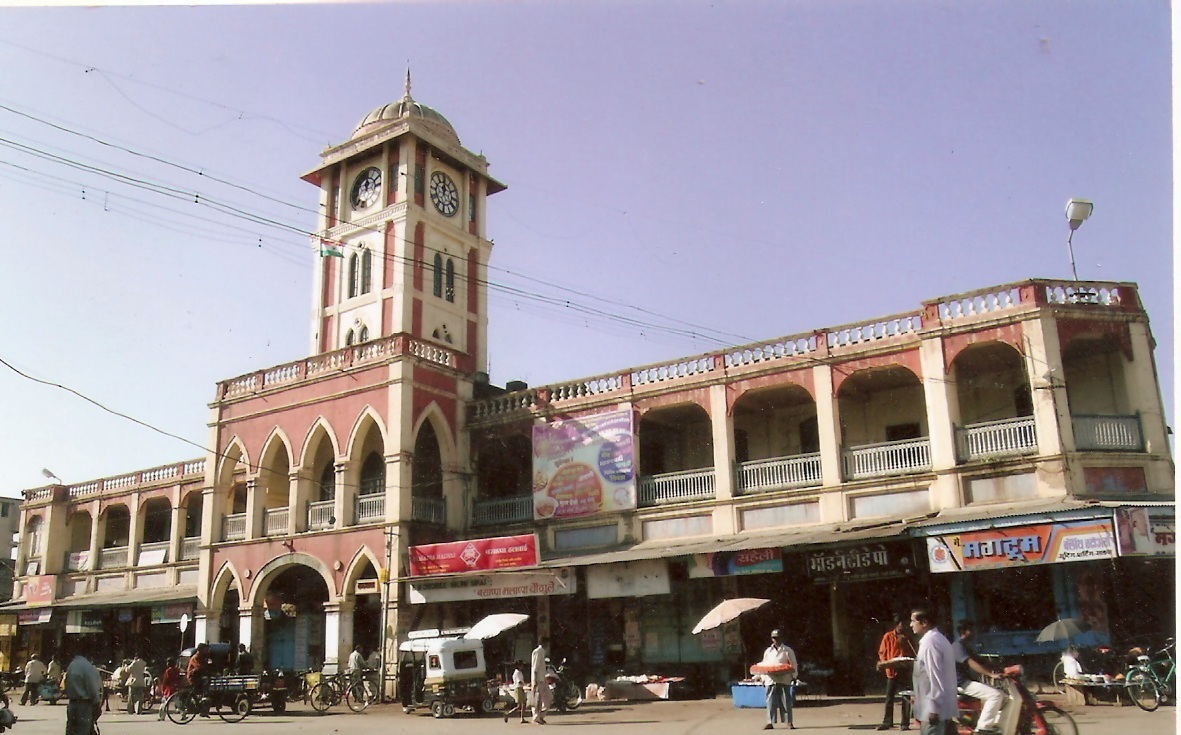
Miraj (Pronunciation: [miɾəd͡z]; ⓘ) is a city that is part of the Sangli-Miraj-Kupwad metropolitan region in Sangli district, Maharashtra. Founded in the early 10th century, Miraj was an important jagir of the Bijapur Sultanate.
Chhatrapati Shivaji Maharaj, the founder of the Maratha Empire, stayed in Miraj for two months during his south India campaign. Because of its location, Miraj has been held as a strategic bastion. It was the capital of Miraj Senior and a vital junction on the central railway network. The Patwardhan family were the hereditary rulers of Miraj until independence.
Miraj is known for Hindustani classical music and medical services. It is an emerging medical hub in India. The city has an unbelievable[clarification needed] doctor-to-patient ratio. The low cost of medical treatment, treatment facilities, and adjoining medical facilities attract patients to Miraj. The language is a key factor as most of the Kannada-speaking staff attract many patients from North Karnataka. Many medical tourists visit from the adjoining districts of North Karnataka and Goa, as well as all over India and from Arab countries. The annual Ganesh Visarjan procession is an attraction that lasts for an average of twenty hours.
At the end of the 9th century, the Shilaharas of Kolhapur gained control of Miraj. In 1024, the city was ruled by Narasimha of the Shilahar dynasty. Jatiga II (c. 1000–1020), the fourth Shilahar ruler, appears in the records of his son, Narasimha (c. 1050–1075). Jatiga II was succeeded by his son Gonka, who has been described in inscriptions as the conqueror of Karahata (Karad), Miraj, and Konkan. The Shilaharas were able to retain control of Miraj despite nearby military action by Chavan-raja, a general of Western Chalukya King Jayasimha II.
In 1216, Miraj, along with other Shilahara territory, was conquered by the Yadavas of Devagiri. In 1318, the Bahmanis gained control.[page needed] The historian Tazkirat-ul-Mulk reported that Hasan Gangu, the founder of the Bahmani dynasty, was in the employ of the Shaikh Muhammad Junaidi at Gangi near Miraj. Hasan found a treasure with which he raised an army, and marched on Miraj. He defeated and imprisoned Rani Durgavati, the subedar of Miraj, and captured the town's fort. At the behest of Shaikh Muhammad, the name of the town was changed to Mubarakabad in 1347 (748 AH). In 1395, the Bahmanis conquered Miraj.[page needed] Between 1391 and 1403, Miraj was affected by the Durga Devi famine. From 1423, Malik Imad Ul Mulk ruled Miraj. 1494 was the year of Bahadur Khan Gilani's rebellion. For two months in 1660, Shivaji and Adilshah battled for control of Miraj.
The builder of Miraj fort is unknown. It probably predates the Bahmani sultans, although they may have repaired it and increased its fortifications. They used the fort as a base for military expeditions against South Konkan and Goa. Firishta mentions the fort in an account of Gilani's rebellion in 1494, which was quelled by Sultan Muhammad II (1452–1515). Muhammad II took the fort from its governor, Buna Naik, who acquiesced to the new ruler. Gilani's troops were offered the option of joining Muhammad's army and being treated with leniency or leaving. About 2000 soldiers left the fort to join Gilani's rebel forces.
The fortress's main entrance was a massive gate towering at 9 m (30 ft), but it has been destroyed.
The power of the Bahmani rulers waned under the influence of powerful provincial governors. In 1490, the rule of Miraj passed to the Sultanate of Bijapur. During the later years of his reign, Ibrahim Adil Shah I (1534–1558) kept his son, Ali Adil Shah I (1558–1580), under house arrest in Miraj. On Ibrahim's death in 1580, Miraj became an assembly point for Ali's troops in his assuming the throne. Subsequently, the troops of Miraj fought with Ismail against Ibrahim Adil Shah II.
Hub AI
Miraj AI simulator
(@Miraj_simulator)
Miraj
Miraj (Pronunciation: [miɾəd͡z]; ⓘ) is a city that is part of the Sangli-Miraj-Kupwad metropolitan region in Sangli district, Maharashtra. Founded in the early 10th century, Miraj was an important jagir of the Bijapur Sultanate.
Chhatrapati Shivaji Maharaj, the founder of the Maratha Empire, stayed in Miraj for two months during his south India campaign. Because of its location, Miraj has been held as a strategic bastion. It was the capital of Miraj Senior and a vital junction on the central railway network. The Patwardhan family were the hereditary rulers of Miraj until independence.
Miraj is known for Hindustani classical music and medical services. It is an emerging medical hub in India. The city has an unbelievable[clarification needed] doctor-to-patient ratio. The low cost of medical treatment, treatment facilities, and adjoining medical facilities attract patients to Miraj. The language is a key factor as most of the Kannada-speaking staff attract many patients from North Karnataka. Many medical tourists visit from the adjoining districts of North Karnataka and Goa, as well as all over India and from Arab countries. The annual Ganesh Visarjan procession is an attraction that lasts for an average of twenty hours.
At the end of the 9th century, the Shilaharas of Kolhapur gained control of Miraj. In 1024, the city was ruled by Narasimha of the Shilahar dynasty. Jatiga II (c. 1000–1020), the fourth Shilahar ruler, appears in the records of his son, Narasimha (c. 1050–1075). Jatiga II was succeeded by his son Gonka, who has been described in inscriptions as the conqueror of Karahata (Karad), Miraj, and Konkan. The Shilaharas were able to retain control of Miraj despite nearby military action by Chavan-raja, a general of Western Chalukya King Jayasimha II.
In 1216, Miraj, along with other Shilahara territory, was conquered by the Yadavas of Devagiri. In 1318, the Bahmanis gained control.[page needed] The historian Tazkirat-ul-Mulk reported that Hasan Gangu, the founder of the Bahmani dynasty, was in the employ of the Shaikh Muhammad Junaidi at Gangi near Miraj. Hasan found a treasure with which he raised an army, and marched on Miraj. He defeated and imprisoned Rani Durgavati, the subedar of Miraj, and captured the town's fort. At the behest of Shaikh Muhammad, the name of the town was changed to Mubarakabad in 1347 (748 AH). In 1395, the Bahmanis conquered Miraj.[page needed] Between 1391 and 1403, Miraj was affected by the Durga Devi famine. From 1423, Malik Imad Ul Mulk ruled Miraj. 1494 was the year of Bahadur Khan Gilani's rebellion. For two months in 1660, Shivaji and Adilshah battled for control of Miraj.
The builder of Miraj fort is unknown. It probably predates the Bahmani sultans, although they may have repaired it and increased its fortifications. They used the fort as a base for military expeditions against South Konkan and Goa. Firishta mentions the fort in an account of Gilani's rebellion in 1494, which was quelled by Sultan Muhammad II (1452–1515). Muhammad II took the fort from its governor, Buna Naik, who acquiesced to the new ruler. Gilani's troops were offered the option of joining Muhammad's army and being treated with leniency or leaving. About 2000 soldiers left the fort to join Gilani's rebel forces.
The fortress's main entrance was a massive gate towering at 9 m (30 ft), but it has been destroyed.
The power of the Bahmani rulers waned under the influence of powerful provincial governors. In 1490, the rule of Miraj passed to the Sultanate of Bijapur. During the later years of his reign, Ibrahim Adil Shah I (1534–1558) kept his son, Ali Adil Shah I (1558–1580), under house arrest in Miraj. On Ibrahim's death in 1580, Miraj became an assembly point for Ali's troops in his assuming the throne. Subsequently, the troops of Miraj fought with Ismail against Ibrahim Adil Shah II.
Recent media