
Recent from talks
Music of South Korea
Knowledge base stats:
Talk channels stats:
Members stats:
Music of South Korea
The music of South Korea has evolved over the course of the decades since the end of the Korean War, and has its roots in the music of the Korean people, who have inhabited the Korean peninsula for over a millennium. Contemporary South Korean music can be divided into three different main categories: Traditional Korean folk music, popular music, or K-pop, and Western-influenced non-popular music.
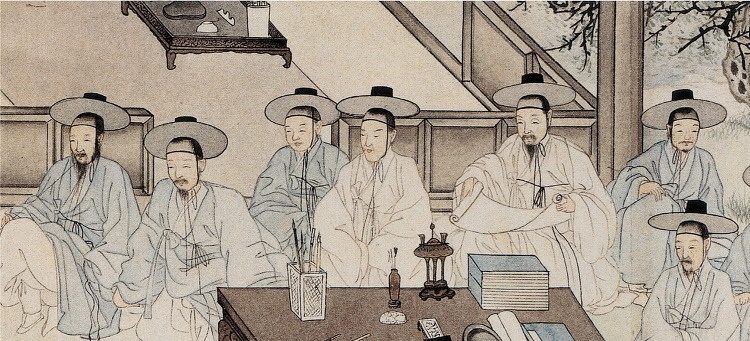
Korean traditional music is also known as Gugak (national music). The first evidence of Korean music appeared in the extant text of Samguk sagi (History of the three kingdoms) in 1145, which described two string-like instruments; Gayageum and Geomungo. Traditional Korean music was brought to heights of excellence under the kings of the Joseon dynasty between 1392 and 1897. During the Joseon period, a social hierarchy was observed with the King and the yangban (government officials, generals, and the elite) at the top and the sangmin (merchants, craftsman) and slaves at the bottom. There were two forms of music: jeongak (court music) and minsokak (folk music). Jeongak was the music category that the yangban listened to for enjoyment and was played during state rituals like banquets, military processions, etc. However, minsokak and nongak (farmer's music) dominated among the common people. The different types of folk music were: pansori, pungmulnori, and minyo (folk songs). Pansori became definite in the seventeenth century and gained respect over time. It is now considered as the ideal traditional music in contemporary South Korea. Pansori requires a solo singer as well as a drummer. This type of music contains body language, emotions, and sounds observed in nature. Pungmulnori is traditional Korean percussion music with the sound of drums standing out. As for minyo, it was enjoyed by commoners while nongak was played during agrarian festivals. Folk songs were not specific; as in, the features varied among different regions. The most famous folk song of South- and North Korea is "Arirang". The popularity of this song sky-rocketed after it was sung solo at the screening of a silent nationalistic film produced by Na Woongyu in 1926. There are several regional variations of this song.
However, the Joseon Dynasty came to an end after Japan's successful war against China (1894–1895) and Russia (1904–1905) which ultimately took over the Korean peninsula. Japan then controlled the major levers of politics, economics, and culture in Korea. During this period, the Japanese did not impose gagaku (the Japanese imperial court music) but European art music instead. Western music education soon became a part of the Korean educational curriculum for the elite and included choral singing and playing instruments. Hence, the Japanese and Korean elites embraced Western music; thereby neglecting Gugak. However, to avoid going extinct Gugak adapted the western style of music. In the 1900s, Pansori gave rise to a new genre influenced by western music called Changga (choral song/theater) which gave way to musical theaters and opera. Since Western music was not accessible to the common people, two different cultural groups arose; one where the elite listened to the government-imposed western music and as for the commoners, traditional music. This led to a new generation, often termed as 'modernized', who were accustomed to listening to Western music.
Since the early 2000s, there have been continuous attempts by traditional musicians to combine Gugak with popular music genres, which soon became known as "Fusion Gugak" (퓨전국악). Following the viral success of band LEENALCHI's "Tiger Is Coming" (범 내려온다) being featured in the Korean Tourism Organization's "Feel the Rhythm of Korea" video advertising series with Ambiguous Dance Company in 2020, interest in the genre increased. Fusion gugak survival shows like JTBC's "Captain of Poong-New" and MBN's "Chosun Pan Star" soon emerged, with many highly respected musicians within the Gugak scene participating as contestants and judges.
Western influenced Korean music is also sometimes referred to as popular music and is seen in the early twentieth century. The western influence in South Korean music gave rise to new genres; some of which are Changga and Yuhaengga.
Changga arose from Pansori but became increasingly popular in the early twentieth century for its fusion of European anthems, American hymns, Western folk tunes, and Japanese choral music. Though it had Western melodies, the lyrics were in Korean. The most well-known example of changga is the song "My Darling Clementine".
Yuhaengga (which literally means popular songs) is also known as shin gayo (new song). It became a part of everyday life in urban Korea in the mid–1920s as well as a crucial element of the term "modern".
Popular Korean music, often referred to as K-pop in English, is a highly commercial industry throughout World. The dominant trend in popular Korean music is currently "idol" (아이돌) groups, though far from all Korean popular music artists are idols. Idol groups typically feature several entertainers of the same gender who perform a fusion of dance music, rhythm and blues, funk, hip-hop and electronic influenced songs. Contemporary Korean music and K-pop stars are very popular across Asia, and the spread of contemporary Korean culture designated a word to reflect this fact. The Korean Wave, or Hallyu (한류), is the word used to discuss the influence of contemporary Korean popular culture on the rest of Asia, and the rest of the world.
Hub AI
Music of South Korea AI simulator
(@Music of South Korea_simulator)
Music of South Korea
The music of South Korea has evolved over the course of the decades since the end of the Korean War, and has its roots in the music of the Korean people, who have inhabited the Korean peninsula for over a millennium. Contemporary South Korean music can be divided into three different main categories: Traditional Korean folk music, popular music, or K-pop, and Western-influenced non-popular music.
Korean traditional music is also known as Gugak (national music). The first evidence of Korean music appeared in the extant text of Samguk sagi (History of the three kingdoms) in 1145, which described two string-like instruments; Gayageum and Geomungo. Traditional Korean music was brought to heights of excellence under the kings of the Joseon dynasty between 1392 and 1897. During the Joseon period, a social hierarchy was observed with the King and the yangban (government officials, generals, and the elite) at the top and the sangmin (merchants, craftsman) and slaves at the bottom. There were two forms of music: jeongak (court music) and minsokak (folk music). Jeongak was the music category that the yangban listened to for enjoyment and was played during state rituals like banquets, military processions, etc. However, minsokak and nongak (farmer's music) dominated among the common people. The different types of folk music were: pansori, pungmulnori, and minyo (folk songs). Pansori became definite in the seventeenth century and gained respect over time. It is now considered as the ideal traditional music in contemporary South Korea. Pansori requires a solo singer as well as a drummer. This type of music contains body language, emotions, and sounds observed in nature. Pungmulnori is traditional Korean percussion music with the sound of drums standing out. As for minyo, it was enjoyed by commoners while nongak was played during agrarian festivals. Folk songs were not specific; as in, the features varied among different regions. The most famous folk song of South- and North Korea is "Arirang". The popularity of this song sky-rocketed after it was sung solo at the screening of a silent nationalistic film produced by Na Woongyu in 1926. There are several regional variations of this song.
However, the Joseon Dynasty came to an end after Japan's successful war against China (1894–1895) and Russia (1904–1905) which ultimately took over the Korean peninsula. Japan then controlled the major levers of politics, economics, and culture in Korea. During this period, the Japanese did not impose gagaku (the Japanese imperial court music) but European art music instead. Western music education soon became a part of the Korean educational curriculum for the elite and included choral singing and playing instruments. Hence, the Japanese and Korean elites embraced Western music; thereby neglecting Gugak. However, to avoid going extinct Gugak adapted the western style of music. In the 1900s, Pansori gave rise to a new genre influenced by western music called Changga (choral song/theater) which gave way to musical theaters and opera. Since Western music was not accessible to the common people, two different cultural groups arose; one where the elite listened to the government-imposed western music and as for the commoners, traditional music. This led to a new generation, often termed as 'modernized', who were accustomed to listening to Western music.
Since the early 2000s, there have been continuous attempts by traditional musicians to combine Gugak with popular music genres, which soon became known as "Fusion Gugak" (퓨전국악). Following the viral success of band LEENALCHI's "Tiger Is Coming" (범 내려온다) being featured in the Korean Tourism Organization's "Feel the Rhythm of Korea" video advertising series with Ambiguous Dance Company in 2020, interest in the genre increased. Fusion gugak survival shows like JTBC's "Captain of Poong-New" and MBN's "Chosun Pan Star" soon emerged, with many highly respected musicians within the Gugak scene participating as contestants and judges.
Western influenced Korean music is also sometimes referred to as popular music and is seen in the early twentieth century. The western influence in South Korean music gave rise to new genres; some of which are Changga and Yuhaengga.
Changga arose from Pansori but became increasingly popular in the early twentieth century for its fusion of European anthems, American hymns, Western folk tunes, and Japanese choral music. Though it had Western melodies, the lyrics were in Korean. The most well-known example of changga is the song "My Darling Clementine".
Yuhaengga (which literally means popular songs) is also known as shin gayo (new song). It became a part of everyday life in urban Korea in the mid–1920s as well as a crucial element of the term "modern".
Popular Korean music, often referred to as K-pop in English, is a highly commercial industry throughout World. The dominant trend in popular Korean music is currently "idol" (아이돌) groups, though far from all Korean popular music artists are idols. Idol groups typically feature several entertainers of the same gender who perform a fusion of dance music, rhythm and blues, funk, hip-hop and electronic influenced songs. Contemporary Korean music and K-pop stars are very popular across Asia, and the spread of contemporary Korean culture designated a word to reflect this fact. The Korean Wave, or Hallyu (한류), is the word used to discuss the influence of contemporary Korean popular culture on the rest of Asia, and the rest of the world.
Recent media