Hubbry Logo
Partners In HealthPartners In HealthMain
Open search
Partners In Health
Community hub
Partners In Health
logo
8 pages, 0 posts
0 subscribers
Be the first to start a discussion here.
Partners In Health
Partners In Health
from Wikipedia
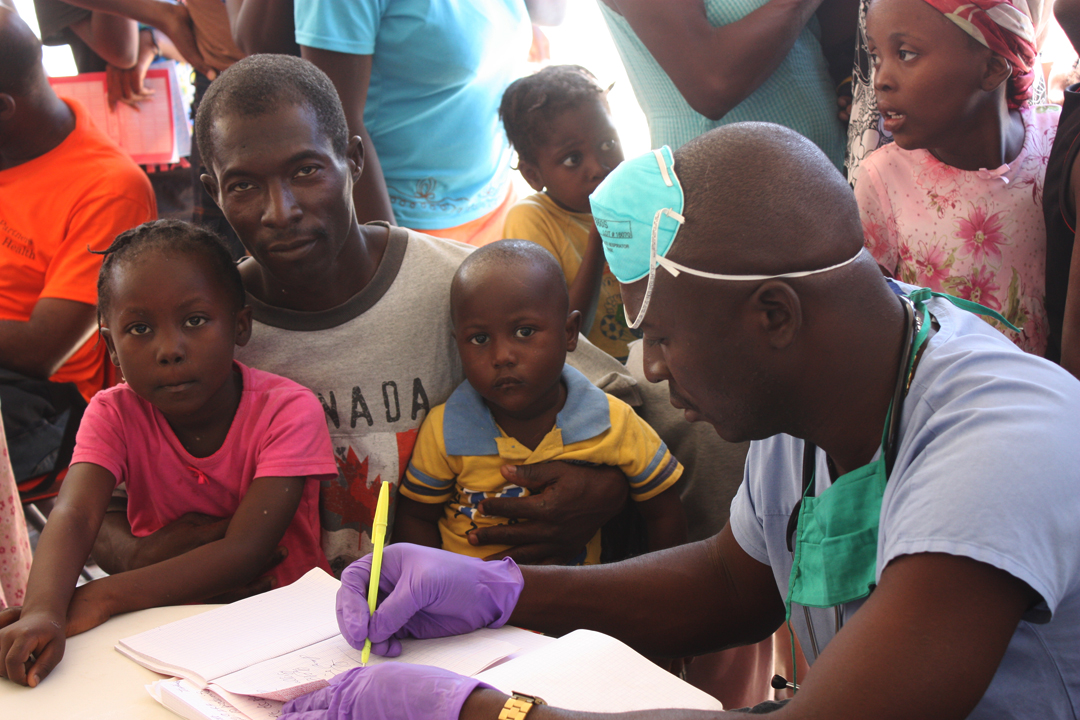
A family receives medical attention at one of PIH's Port-au-Prince-based clinics after the 2010 earthquake.

Key Information

Partners In Health (PIH) is an international nonprofit public health organization founded in 1987 by Paul Farmer, Ophelia Dahl, Thomas J. White,[1] Todd McCormack, and Jim Yong Kim.[2][3]

Partners in Health provides healthcare in the poorest areas of developing countries.[4] The organization builds hospitals[5] and other medical facilities, hires and trains local staff, and delivers a range of healthcare, from in-home consultations to cancer treatments.[6] It also removes barriers to maintaining good health, such as dirty water or a lack of food.[7] The approach trades charity for "accompaniment" which is described as a "dogged commitment to doing whatever it takes to give the poor a fair shake."[8] While many of its principles are rooted in liberation theology, the organization is secular.[9] It forms long-term partnerships with and works on behalf of, local ministries of health.[10] PIH holds a 4 out of 4 stars rating from Charity Navigator, a nonprofit evaluator.[11]

History

[edit]

Partners In Health began in 1987, after Paul Farmer and Ophelia Dahl helped set up a community-based health project called Zanmi Lasante ("Partners in Health" in Haitian Creole) in Cange, Haiti.[12] The organization initially focused on treating people with HIV/AIDS in rural Haiti. PIH now embraces a holistic approach to tackling disease, poverty, and human rights[13] in a variety of countries.[14]

In 1993, Farmer used the proceeds from his John D. and Catherine T. MacArthur Award to create a new arm of Partners In Health, the Institute for Health and Social Justice. Its mission is to analyze the impact of poverty and inequality on health, and to use findings to educate academics, donors, policy makers, and the general public. PIH's Chief Medical Officer, Dr. Joia Mukherjee,[15] directs the institute.

Current work

[edit]

Partners In Health collaborates closely with Harvard Medical School[16] and the Brigham and Women's Hospital.

At the invitation of local governments, it strengthens and sustains public health systems in remote, rural areas.[17] It trains and hires local healthcare workers,[18] many of whom actively find patients in their communities and help them get care.[citation needed] PIH also helps local experts conduct academic research that leads to clinical innovation.[19][20][21]

Notable supporters include Hank and John Green,[22] Madonna,[23] actor Meryl Streep,[24] Ryan Lewis,[25] Win Butler[26] and Régine Chassagne of Arcade Fire,[27] and Matt Damon.[28]

Haiti

[edit]

Zanmi Lasante is PIH's flagship project. The small clinic that started treating patients in the village of Cange in 1985 has grown into the Zanmi Lasante (ZL) Sociomedical Complex, a 104-bed hospital with two operating rooms, adult and pediatric inpatient wards, an infectious disease center (the Thomas J. White Center), an outpatient clinic, a women's health clinic (Proje Sante Fanm), ophthalmology and general medicine clinics, a laboratory, a pharmaceutical warehouse, a Red Cross blood bank, radiographic services, and a dozen schools.[29]

The organization also works in 11 other sites across Haiti's Central Plateau and beyond. Zanmi Lasante is Haiti's largest nongovernmental healthcare provider, serving 4.5 million. It employs 5,700 Haitians, including doctors, nurses, and community health workers.[30]

Community-based models

[edit]

PIH's community-based model has proved successful in delivering effective care both for common conditions like diarrhea, pneumonia, and childbirth that are often fatal for Haiti's poor and malnourished, and for complex diseases like HIV and tuberculosis. The main key to this success and to the PIH model of care pioneered in Haiti has been training and hiring thousands of accompagnateurs (community health workers). The PIH model of accompagnateur care is outlined in the 5-SPICE framework, a scholarly article detailing the tenets of a successful community health worker program.[31]

The use of accompagnateurs is one of the most effective ways of removing structural barriers to adequate treatment of HIV and other chronic diseases while increasing job growth in communities that desperately require employment to further benefit the community's social structure.[citation needed] Focusing on minimizing the implications of structural violence is the key to the PIH model's success and to the improvement of treatment of chronic disease in rural Haiti.

Expansion in Haiti

[edit]
After the earthquake in Haiti, PIH sent hundreds of volunteers to the island nation and mobilized an existing staff of nearly 5,000 Haitians.

As ZL has expanded, it has partnered with other nongovernmental organizations and the Haitian Ministry of Health to rebuild or refurbish existing clinics and hospitals, introduce essential drugs to the formulary, establish laboratories, train and pay community health workers, and complement Ministry of Health personnel with PIH-trained staff. Clinics that previously stood empty now register hundreds of patients each day at twelve sites—Cange, Boucan Carré, Hinche, Thomonde, Belladère, Lascahobas, Mirebalais, and Cerca La Source in the Central Plateau plus additions in the Artibonite region: Petite Rivière, Saint-Marc and Verrettes.[citation needed] In 2008, ZL recorded more than 2.6 million patient visits at clinical sites.[32]

Response to the Haiti earthquake

[edit]

When an earthquake struck Haiti on January 12, 2010, PIH/ZL resources were in place to deliver aid. In addition to providing care to the hundreds of thousands who fled to Haiti's Central Plateau and Artibonite regions, ZL established health outposts at four camps for internally displaced people in Port-au-Prince. ZL also supported the city's General Hospital (HUEH) by facilitating the placement of volunteer surgeons, physicians and nurses, and by aiding the hospital's Haitian leadership.[citation needed]

The earthquake leveled most of the health facilities in and around Port-au-Prince, including Haiti's only public teaching hospital and nursing school. In March 2010, PIH/ZL responded to an urgent appeal from the Haitian Ministry of Public Health and Population (MSPP) by announcing the Stand With Haiti campaign, a 3-year, $125 million plan to help Haiti rebuild. The plan included a scaled-up version of an already planned hospital, the Mirebalais Hospital.[33]

Hôpital Universitaire de Mirebalais

[edit]

Before January 12, 2010, PIH had been planning to build a new community hospital in Mirebalais.[34] Less than six months after the earthquake, the organization quickly scaled up plans.[34] The Haitian Ministry of Public Health and Population (MSPP) and PIH/ZL broke ground on the world-class national referral hospital and teaching center.[citation needed]

In October 2012, Partners in Health finished construction on the Hôpital Universitaire de Mirebalais in Haiti. The hospital provides primary-care services to about 185,000 people in Mirebalais and two nearby communities. It is also intended to serve most of the country for secondary and tertiary care. The hospital opened its doors in March 2013.[35]

The hospital provides education for Haitian nurses, medical students, and resident physicians. It has telemedicine technologies installed in meeting and operating rooms that link US-based medical professionals to help educate and train students and residents working there.[36][37] Also, Partners in Health helped to establish an emergency department in the hospital.[38] The organization has incorporated community health workers into their treatment regimen for their patients. Community health workers make necessary house visits to patients, deliver stipends and other essentials for patients' care, and keep record of their patients' progress at the hospital.[39]

Other locations

[edit]

Perú

[edit]

Since 1996, PIH's sister organization in Peru, Socios En Salud[40] (SES), has been providing medical services in Lima. Based in the northern Lima district of Carabayllo, SES is now Peru's largest non-governmental health care organization, serving an estimated population of 700,000 inhabitants, many of whom have fled from poverty and political violence in Peru's countryside. As a valued partner to Peru's Ministry of Health, SES has also influenced national policies for prevention and treatment of multidrug-resistant tuberculosis and HIV and provides important training and support to help implement those policies nationwide.[41]

SES also provides a variety of services. SES provides food baskets, transportation, lodging and other forms of support for impoverished patients.[42] The project also provides opportunities for income generation projects, job skills training, and small business loans.[41] One example is Mujeres Unidas ("Women United"), a cooperative workshop that participates in crafts fairs in Peru and has sold handicrafts as far as the United States, Japan and Switzerland.

Tuberculosis treatment

[edit]

SES has treated more than 10,500 people for multidrug-resistant tuberculosis (MDR-TB) in Lima.[41] SES is conducting the world's largest TB research study, the EPI Project. Funded by a National Institutes of Health grant of US$6 million in 2007, the project seeks to understand how MDR-TB and XDR-TB spreads among people living in close quarters.[43][44]

Chiapas, Mexico

[edit]

The residents of the southern Mexican state of Chiapas, including millions of indigenous Maya, have long struggled with poverty, political violence, and dismal health conditions.[citation needed] Chiapas has extremely high rates of maternal mortality, infant mortality, and tuberculosis compared to other states in Mexico.[citation needed] Partners In Health, known locally as Compañeros En Salud, began working in Mexico in 2011.[45] CES aims to provide a more reliable, community-based alternative by training and employing local community health promoters, called promotores.

El Equipo de Apoyo en Salud y Educación Comunitaria (EAPSEC, The Team for the Support of Community Health and Education) was established in 1985 by a small group of Mexican health promoters. They initially worked with Guatemalan refugee communities in the Chiapas border region, and later expanded their work to other marginalized people in Chiapas. EAPSEC believes that "a life of dignity" is a human right. This includes a strong public health system that responds to the most pressing health needs of the population, and access to high quality health care.[citation needed]

Since 1989, PIH has collaborated with EAPSEC to improve medical infrastructure in the region and to recruit and train hundreds of promotores.[citation needed] Over the past two decades, EAPSEC has partnered with dozens of indigenous and rural communities throughout Chiapas to develop local health capacity. Recent work has focused on a network of communities in the area of Huitiupan in the highlands and around Amatan. EAPSEC is dedicated to helping communities build self-sufficiency and counts many successful community health groups throughout Chiapas among its "alumni."

Community Health Workers, Yadira Roblero and Magdalena Gutiérrez, walk down the mountain side to complete their home visits in Laguna Del Cofre, Chiapas, Mexico, on March 11, 2016.
Mirebalais Hospital
Many of the women took images of family members, but a surprising number were of stoves, kitchen shelves, and wells.
Mirebalais Hospital
See more images here: https://www.pih.org/article/women-in-chiapas-mexico-document-their-lives-advocate-their-concerns

Russia

[edit]
A patient living with MDR-TB receives care in Russia.

Partners In Health's work in Russia has a narrower medical focus over a vastly wider geographical area than any of its other projects. From a base in the region of Tomsk Oblast, Siberia, PIH has been working since 1998, in collaboration with the Russian Ministry of Health, to combat one of the world's worst epidemics of drug-resistant tuberculosis (MDR-TB).[46] As of 2014, 39,000 Russians had the disease. In partnership with the Division of Social Medicine and Health Inequalities (DSMHI) at the Brigham and Women's Hospital, PIH has focused on improving clinical services for MDR-TB patients in Tomsk while undertaking training and research to catalyze change in treatment of MDR-TB across the entire Russian Federation.[citation needed]

Partners In Health began working with local clinicians to improve treatment of MDR-TB in Tomsk in 1998. The joint effort got a major boost in 2004, when a five-year, $10.8 million grant was secured from the Global Fund to Fight AIDS, Tuberculosis and Malaria for efforts to improve prevention, diagnosis and treatment of TB and MDR-TB. Key components of the clinical effort include improving diagnostics in order to detect cases earlier, developing a comprehensive strategy to promote adherence among patients, improving infection control in hospitals and clinics and decreasing transmission of TB to HIV-positive patients. Work in Tomsk also encompasses health education for the public and clinical and program management training for medical personnel in Tomsk.[47][48]

Partners In Health operates in two other regions in Russia, Voronezh Oblast and Karelia, where technical assistance is provided to regional tuberculosis services.

Community Health Workers in Lesotho receive monthly trainings.

Lesotho

[edit]

Bo-Mphato Litšebeletsong tsa Bophelo/Partners In Health in Lesotho was PIH's second project in Africa and the first in a country with extremely high prevalence of HIV.[49] Approximately one quarter of Lesotho's adult population is HIV-positive and life expectancy in the country is 55 years for women and 52 for men.[50] In addition, the Basotho people are being ravaged by a tuberculosis epidemic.[citation needed] Lesotho's TB rate is among the highest in the world,[citation needed] and TB spreads rapidly and is particularly deadly where many people's immune systems are weakened by HIV.[citation needed] The PIH project in Lesotho was launched in 2006 following an invitation from the Lesotho's Ministry of Health and consultation with the Clinton HIV/AIDS Initiative (CHAI, now known as the Clinton Health Access Initiative) about where to replicate that model elsewhere in Africa.[51]

An aerial image of PIH's new Butaro Hospital, the largest public facility in Rwanda.
An aerial image of PIH's new Butaro Hospital, the largest public facility in Rwanda
Rwandan President Paul Kagame and PIH's Paul Farmer at the Butaro ribbon cutting ceremony in 2011.
Rwandan President Paul Kagame and PIH's Paul Farmer at the Butaro ribbon cutting ceremony in 2011

Rwanda

[edit]

Partners In Health/Inshuti Mu Buzima (IMB) has been working in Rwanda since 2005. In partnership with the Government of Rwanda and the Clinton Health Access Initiative (CHAI), IMB's work supports the Ministry of Health to comprehensively strengthen the public health system in rural, underserved areas of the country. Initially, PIH and CHAI began by implementing a pilot project in two rural districts, Kayonza and Kirehe, in Rwanda's Eastern Province.[citation needed] Building off of PIH's approach in Haiti, the project was designed as a comprehensive primary health care model within the public sector. The approach used HIV/AIDS prevention and care as the entry point to build capacity to address the major health problems faced by the local population. Haitian physicians, nurses, and managers traveled to Rwanda extensively in the early years of the program to provide training and program design assistance.[citation needed]

Inshuti Mu Buzima-supported facilities

[edit]

In January 2011, PIH supported the Ministry of Health of Rwanda in the opening of Butaro District Hospital.[52][53][54] The hospital, located in Burera district, has 156 beds.

University of Global Health Equity

[edit]

In September 2015, Partners In Health inaugurated University of Global Health Equity, a non-for-profit organization offering a two-year part-time master's degree in Global Health Delivery.[55] Construction began in September 2016 on the first phase of a campus located in Butaro.[56] The new campus officially opened in January 2019.[57]

Malawi

[edit]

In early 2007, Abwenzi Pa Za Umoyo (APZU; Partners In Health in Chichewa), started treating patients and training community health workers in the southwestern corner of Malawi, one of the poorest and most densely populated countries in Africa.[citation needed]

The Clinton-Hunter Development Initiative (CHDI) targeted Malawi as a country desperately needing a rural health project to address the devastating HIV/AIDS epidemic in the region. About 14 percent of Malawi's adult population is infected with HIV and hundreds of thousands of children have been orphaned by the disease.[citation needed] CHDI asked Partners In Health to replicate the rural initiative programs that have proven so successful in delivering HIV treatment and comprehensive primary health care in Rwanda and Lesotho.[citation needed] The Malawi Ministry of Health directed PIH and CHDI to the impoverished rural area of Neno.

In 2010, APZU tested 17,606 patients for HIV. The organization clinics logged 332,619 patient visits. APZU supported 889 children, allowing them to attend school and receive food.[58]

Ebola response in West Africa

[edit]

In late 2014, PIH heeded calls from the governments of Liberia and Sierra Leone, and other international partners, to join the fight against Ebola in West Africa.[59] Although PIH is not an emergency response organization, they felt the moral obligation to join the response, given the unprecedented nature of the outbreak in West Africa.

Sierra Leone

[edit]
A maternity hospital in Sierra Leone being built with support from Partners in Health.
A maternity hospital in Sierra Leone being built with support from Partners in Health

PIH arrived in Sierra Leone at a time when the situation was worsening. The organization sought to quickly respond to the outbreak. They began in Port Loko District at the Maforki Ebola Treatment Unit[60] and scaled up from there to provide clinical care at 16 facilities across 4 districts at the peak, while managing a network of Ebola response community health workers, providing surveillance, support and referrals in rural communities.

The organization took a health systems strengthening approach and aimed to work together with government entities to support the response to the outbreak.[61] As Ebola was brought under control, PIH shifted to support the Ministry of Health in rebuilding its health system.[62] Today PIH's Sierra Leone program is focused on raising the standard of care through programs in Kono and Port Loko Districts, with a focus on maternal health, HIV/TB and Ebola survivor care. PIH currently supports six health facilities across three districts in Sierra Leone.

Liberia

[edit]

PIH began work in Liberia in November 2014, focused on responding to Ebola in Maryland County, a 20-hour drive south from the capital of Monrovia. They supported two Ebola treatment units and three community care centers, and taught teachers and community members new techniques to slow the spread of infections. Since Ebola came under control in Liberia in March 2015, PIH has focused on helping rebuild the health system, primarily for a population of roughly 100,000 in Maryland County.[63]

Kazakhstan

[edit]

Since 2009, PIH has worked in Kazakhstan with the Ministry of Health to provide services treating MDR-TB.[64]

United States

[edit]

PIH launched its U.S. arm in May 2020 in response to the COVID-19 pandemic.[65]

Partner projects

[edit]

PIH also supports partner projects in the following countries:

  • Africa: Project Muso in Mali; Tiyatien Health in Liberia; Village Health Works in Burundi
  • Asia: Possible Health in Nepal
  • Central America: Equipo Técnico de Educación en Salud Comunitaria in Guatemala

PIH also previously worked in the Dominican Republic.[citation needed]

References

[edit]
[edit]
Revisions and contributorsEdit on WikipediaRead on Wikipedia
from Grokipedia

Partners In Health (PIH) is a nonprofit organization founded in 1987 by physician-anthropologist , , and colleagues, focused on delivering high-quality medical care and social services to impoverished populations in resource-limited settings. The organization prioritizes the "preferential option for the poor," integrating clinical treatment with community-based support systems to address the root causes of illness, such as and inadequate .
PIH began operations in rural Haiti with the establishment of Zanmi Lasante, a clinic in Cange that evolved into a model for scalable strengthening through partnerships with local governments and training of workers (CHWs). It now supports programs in 11 countries, including , , , , , , , , , , and the in the United States, where it manages hospitals, specializes in infectious disease control like and , and provides maternal and child health services. Empirical studies on PIH's CHW programs demonstrate improved patient retention in antiretroviral therapy and treatment in , contributing to decongested health facilities and better adherence outcomes. Key achievements include the construction and operation of facilities such as the 410-bed Mirebalais University Hospital in , which handles over 1 million patient visits annually, and the Butaro Hospital in , the largest public facility in northern Rwanda, alongside training thousands of local workers to sustain long-term care delivery. In , PIH supported response efforts and subsequent system rebuilding, performing over 2,000 surgeries in since 2014 and establishing maternal centers of excellence in . However, during the 2014-2015 outbreak, PIH faced scrutiny for safety lapses in that led to infections among its clinicians, highlighting operational challenges in high-risk environments. Following Farmer's death in 2022, PIH continues to advocate for as a right while emphasizing evidence-based accompaniment to achieve measurable gains.

History

Founding and Initial Focus on Haiti

Partners In Health (PIH) was formally established in 1987 by , a student and physician specializing in infectious diseases, alongside , Thomas J. White, and , to fund and expand community-based health services in rural . The initiative drew from Farmer's anthropological fieldwork in beginning in 1983, where he witnessed pervasive poverty exacerbated by the Duvalier regime's collapse in 1986 and subsequent political turmoil, including coups and refugee crises. Influenced by liberation theology's emphasis on a , the founders prioritized direct intervention in underserved areas amid rising epidemics of and , rejecting top-down aid models in favor of local accompaniment. The organization's Haitian affiliate, Zanmi Lasante ("Partners in Health" in ), originated from efforts to construct Clinique Bon Sauveur in the squatter of Cange, in Haiti's Central Plateau, with commencing in 1985 and the facility opening in 1986 to provide free care to those unable to afford urban hospitals. Backed by White's philanthropic support, the clinic rapidly evolved into a comprehensive system employing accompagnateurs—local health workers trained to deliver preventive care, treatment adherence support, and outreach, serving thousands of patients annually despite infrastructural challenges like lack of roads and . By integrating socioeconomic aid, such as and programs, Zanmi Lasante addressed structural barriers to , treating over 10,000 patients in its first years while navigating Haiti's instability under interim governments. In the early 1990s, PIH's Haitian program pioneered treatment for (MDR-TB), a condition then deemed untreatable in resource-poor settings by international bodies like the (WHO), which cited prohibitive costs exceeding $20,000 per patient and logistical complexities. Farmer's team implemented directly observed therapy with second-line drugs, achieving cure rates above 80% among initial cohorts of dozens of patients in Cange, defying WHO's standard DOTS protocol limitations and laying groundwork for later global advocacy of expanded regimens like DOTS-Plus formalized in 1998. This approach, reliant on community monitoring rather than isolation, demonstrated that MDR-TB could be managed affordably through patient-centered models, influencing policy shifts despite initial resistance from experts prioritizing scalability over individual outcomes in epidemic-prone areas.

Expansion to Latin America and Beyond

In 1996, Partners In Health initiated operations in Peru's district, a poor neighborhood facing a (MDR-TB) outbreak, by establishing Socios En Salud as its local affiliate to deliver community-based care. This expansion involved partnerships with the Peruvian Ministry of Health and local organizations, emphasizing directly observed treatment with subsidized second-line drugs, which yielded cure rates above 75% among over 700 referred patients between 1996 and 1998—far surpassing global averages at the time and influencing guidelines on MDR-TB management. By 1998, amid post-Soviet health system collapse and rampant TB transmission in overcrowded prisons, PIH extended to , targeting to support government efforts against TB and MDR-TB epidemics. Initial focus centered on prison-based interventions, including diagnostic improvements and treatment adherence programs, before broadening to community settings, where PIH collaborated with local authorities to address notification rates exceeding 100 per 100,000 in affected regions. The early 2000s marked PIH's pivot to , with entries into in 2005, Lesotho in 2006, and in 2007, each at national government invitations to fortify responses amid prevalence rates over 20% in these countries. These expansions emphasized government-integrated models for scaling antiretroviral therapy, drawing on U.S. PEPFAR funding launched in 2003 to treat hundreds of thousands while building local capacity in rural districts.

Major Crisis Responses and Institutional Growth

On January 12, 2010, a magnitude 7.0 earthquake struck , devastating and prompting Partners In Health to leverage its longstanding presence by mobilizing local staff and dispatching hundreds of volunteer clinicians for trauma care and emergency support. The organization rapidly deployed field hospitals and mobile units to address immediate needs amid widespread infrastructure collapse. The subsequent cholera outbreak, beginning in October 2010, exacerbated the crisis; Partners In Health treated over 145,000 cases in partnership with Haiti's Ministry of and Population, including 7,159 severe instances from October 20 to November 9 with a case-fatality rate of 2.3 percent. Response efforts involved constructing treatment centers, training staff in oral rehydration protocols, and integrating to curb transmission in vulnerable communities. These disasters accelerated infrastructure development, culminating in the October 2013 opening of Hôpital Universitaire de Mirebalais, a 300-bed public built collaboratively with the Haitian government to serve over 185,000 residents in the Central Plateau. The facility featured for reliability and specialized units for surgery, maternity, and intensive care, marking a shift toward sustainable, high-acuity care capacity. In the 2014-2015 Ebola epidemic, Partners In Health initiated operations in and that fall, establishing community-based treatment centers and supporting government facilities amid disruptions and distrust in health systems. By emphasizing —pairing clinical care with —PIH admitted thousands of patients, achieving survival rates above regional averages through trained local teams. Parallel institutional expansion included scaling programs, training thousands by the mid-2010s to deliver decentralized care in remote areas, which bolstered crisis readiness across sites. Partners In Health's advocacy also shaped global standards, as its and pilots for demonstrated DOTS-Plus efficacy, prompting WHO endorsement of expanded regimens in 2000 and influencing subsequent policy shifts toward comprehensive resistance management.

Post-Paul Farmer Era and Recent Transitions

Paul Farmer, co-founder and chief strategist of Partners In Health, died on February 21, 2022, from an acute cardiac event while working in . His passing prompted widespread mourning within the organization and community, with colleagues describing it as a "momentous loss" that tested morale but reinforced commitment to his emphasis on and structural interventions for . PIH leadership affirmed continuity of Farmer's vision, with figures like stating, "There is no post-Paul era in Partners in Health," underscoring that staff embodied his teachings amid strategic adaptations to sustain operations across sites. Following Farmer's death, PIH maintained operational stability under Sheila Davis, who had assumed the role prior to 2022, alongside guidance from co-founders and others on the global leadership team. No immediate interim CEO transition occurred; instead, the organization prioritized embedding Farmer's principles into ongoing programs, including enhanced training for workers and integration of social metrics into care delivery. This period saw reflections on Farmer's legacy through annual commemorations, such as the one-year mark in 2023, which highlighted sustained patient outcomes in PIH-supported facilities despite the leadership vacuum at the top. In 2024 and into 2025, PIH shifted emphasis toward scaling , including statewide networks of community health workers and targeted to influence government funding for in partner countries. The 2024 annual report documented progress in treating infectious diseases and non-communicable conditions, with efforts focusing on U.S. changes to support infrastructure, as evidenced by PIH staff engagements with congressional actions on funding. By mid-2025, the organization's impact report reiterated a focus on amid evolving global challenges, maintaining partnerships with governments in , , and elsewhere without major programmatic overhauls. These transitions reflected pragmatic adaptations to post-Farmer realities, prioritizing evidence-based scaling over radical restructuring.

Philosophy and Approach

Core Principles and Theoretical Foundations

Partners In Health (PIH) espouses a "preferential " in , a principle rooted in that mandates prioritizing medical services for impoverished and marginalized communities over broader populations. This ethic, articulated by co-founder , shifts from episodic charity to sustained solidarity, fostering enduring relationships with local partners to address root barriers to care rather than temporary relief. By embedding health delivery within communities, PIH seeks to rectify inequities not through abstract redistribution but via targeted, resource-intensive interventions that respect local agency. Farmer's anthropological training informed PIH's view of health disparities as socially constructed phenomena, where inequalities arise from entrenched power dynamics rather than isolated individual failings. He popularized "" to denote how societal structures—such as economic policies and institutional neglect—perpetuate suffering among the poor, constraining access to basic needs like treatment. Yet, while this framework critiques systemic failures, PIH's operational philosophy demands empirical validation through measurable biomedical outcomes, prioritizing causal interventions like subsidized drug regimens over unproven socioeconomic abstractions; for instance, PIH's programs have achieved cure rates for multidrug-resistant cases averaging 62-80% across global sites, surpassing contemporaneous WHO benchmarks of around 50-60% for similar cohorts. PIH rejects reliance on purely market-driven health models, arguing they exacerbate exclusion for the destitute by tying care to ability to pay. Instead, it advocates government-subsidized systems integrated with community support, drawing on first-hand data from high-burden settings to demonstrate that comprehensive, no-cost provision yields adherence and efficacy unattainable via alone—evidenced by sustained TB treatment success rates that exceed global norms through direct observation and social aids. This stance underscores a pragmatic realism: while acknowledging poverty's multifaceted causes, PIH grounds its foundations in interventions proven to interrupt transmission and restore function, independent of ideological overreach.

Accompaniment and Community-Based Care Model

The accompaniment model central to Partners In Health (PIH) entails the long-term engagement of paid community health workers, termed accompagnateurs, who conduct regular home visits to supervise medication intake, monitor symptoms, and offer personalized support for patients managing chronic illnesses such as (TB) and . Originating from PIH's early work in rural in the 1980s, this approach evolved from directly observed therapy (DOT) for TB, extending beyond clinical observation to foster sustained relationships that address patients' daily realities. Accompagnateurs, often drawn from the same communities as patients, receive ongoing training to deliver this hands-on care, enabling retention in treatment where distance, poverty, or stigma might otherwise lead to dropout. Key to the model is the holistic integration of non-medical interventions, including psychosocial counseling, food supplementation, and aid for housing repairs or transportation, recognizing that treatment failures often stem from structural barriers rather than patient noncompliance. In PIH's framework, these elements form a "pragmatic solidarity," where accompagnateurs act as bridges between clinics and households, facilitating adherence by resolving causal impediments like malnutrition exacerbating drug side effects or economic instability forcing migration. This contrasts with conventional programs that isolate biomedical delivery, presuming individual agency suffices amid systemic deficits. Empirical data from PIH's Haiti TB initiatives demonstrate the model's causal role in elevating retention, with community-supervised DOT yielding treatment success rates exceeding 80% for multidrug-resistant cases—far surpassing global averages of around 50% prior to such interventions—and near-complete adherence in standard TB cohorts through barrier mitigation. For instance, in central 's Zanmi Lasante program, accompagnateurs reduced defaults by embedding care in social contexts, achieving outcomes attributable to the model's emphasis on sustained support over episodic clinic visits. However, scalability remains constrained by the need for consistent to compensate workers and supply adjuncts, as infinite expansion without equivalent resources risks diluting effectiveness or reverting to under-resourced defaults.

Partnerships with Governments and Sustainability Focus

Partners In Health (PIH) pursues by partnering with national governments to embed its interventions within public systems, avoiding parallel NGO structures that risk fragmentation. This "scaling up" strategy involves to ministries of for integration, enhancement, and nationwide replication of proven models, such as community-based care protocols. By aligning with state priorities, PIH aims to transition programs to government ownership, utilizing public resources for enduring impact rather than perpetual external funding. In , PIH collaborated with the Ministry of Health starting in 2005 to scale a model for management, which the government adopted nationally by 2007, treating over 100,000 patients through integrated public facilities. This partnership exemplifies leveraging governmental scale for broader coverage, with PIH providing initial training and mentorship to district teams, enabling of operations like the Butaro Hospital to state control by 2011. Benefits include cost efficiencies from absorption and influence that outlasts NGO presence, as evidenced by sustained treatment retention rates exceeding 90% in partnered districts. However, embedding within bureaucracies can introduce delays, standardized protocols that dilute PIH's flexible accompaniment approach, and dependencies on political will for maintenance. PIH emphasizes through local staff training to promote , including programs that have equipped thousands of workers with skills in chronic disease management since the early . These initiatives target ownership by integrating trainees into ministry payrolls and curricula, fostering long-term human resource development. Yet, retention post-training faces hurdles, as salaries often lag behind private or urban opportunities, leading to turnover rates in low-resource settings that undermine ; analyses of similar models report 20-30% annual attrition in trained cadres without supplemental incentives. While PIH mitigates this via stipends and ongoing support, full handover success hinges on governmental investments in retention, revealing tensions between innovative NGO pilots and rigid state systems.

Global Programs

Operations in Haiti

Zanmi Lasante, Partners In Health's sister organization in , operates a network of 15 clinics and hospitals primarily in the Central Plateau and lower Artibonite regions, evolving from its foundational campus in Cange into a comprehensive care hub that addresses , , and among other conditions. The Cange facilities provide integrated services, with over 12,000 patients receiving ongoing care and community health worker-led treatment programs established since 1998. initiatives include approximately 1,500 deliveries per month and over 15,000 consultations monthly as of 2019, contributing to higher facility-based delivery rates in supported areas compared to national averages. In 2013, Zanmi Lasante opened the University Hospital of Mirebalais, a 300-bed teaching facility powered by , serving as Haiti's largest public hospital outside the capital and handling advanced procedures including and across six operating suites. Accredited for medical training in 2019, it supports six residency programs and provides primary care to about 185,000 people in Mirebalais and nearby communities, with patients traveling from broader regions for specialized treatment. Haiti's political instability and escalating gang violence, particularly following the 2021 of President , have disrupted access to care and threatened operations, including attacks on facilities in Mirebalais as recently as 2025. Despite these challenges, Zanmi Lasante maintains services for over 3.3 million people with a staff exceeding 6,300, including 2,500 workers, ensuring continuity in critical health outcomes amid systemic insecurity.

Work in Peru and Tuberculosis Initiatives

Partners In Health established its Peru operations through Socios En Salud in 1996, initially focusing on (MDR-TB) in the district of northern amid a crisis where standard treatments failed and mortality rates exceeded 50 percent. The program pioneered community-based directly observed therapy (DOT), involving local health workers to supervise treatment adherence, provide nutritional support, and manage side effects, achieving early success with cure rates of 85 percent among 75 MDR-TB patients—surpassing outcomes at the time. Over more than two decades, Socios En Salud treated over 10,500 individuals for drug-resistant TB, attaining overall cure rates of 83 percent, among the highest globally, while screening nearly 70,000 people via mobile units and establishing a dedicated tuberculosis research laboratory. This model emphasized patient accompaniment, integrating psychosocial support and housing assistance to minimize defaults, and demonstrated that MDR-TB could be managed effectively outside settings, challenging prior assumptions that such cases were untreatable in low-resource contexts due to and expense. In partnership with Peru's Ministry of Health, the initiative expanded nationwide, incorporating TB/HIV co-infection management—where prevalence reached about 6 percent—and influencing national protocols by proving the feasibility of shorter regimens and care, which contributed to reductions in TB mortality from historical highs. However, the approach incurred high per-patient costs, estimated at $5,000 to $30,000 for MDR-TB regimens including second-line drugs and supervision in the early 2000s—far exceeding the $20–100 for drug-susceptible TB—prompting critiques from some entities that it was not scalable without external funding, though long-term data showed cost savings through prevented deaths and drug price negotiations via the Green Light Committee. These efforts provided empirical lessons for global MDR-TB control, informing guidelines on outpatient treatment and adherence strategies, with sustained collaboration yielding tools like advanced diagnostics and shortened nine-month regimens adopted nationally by 2024, further lowering mortality to 17–18 percent in treated cohorts.

Efforts in Rwanda and Africa

Partners In Health established operations in Rwanda in 2005 via its affiliate Inshuti Mu Buzima, partnering with the Rwandan Ministry of Health to deliver HIV/AIDS care and strengthen public health systems in rural districts. Initial efforts targeted southern Kayonza and Kirehe districts, expanding to include decentralized, community-based models by 2012 that integrated HIV services with primary care. Inshuti Mu Buzima mentors health facilities, employing strategies like mentor mothers to support HIV retention, contributing to national improvements where Rwanda achieved 98% antiretroviral treatment coverage among HIV-positive pregnant women by 2016. A key infrastructure achievement was the construction and opening of Butaro District Hospital on January 24, 2011, a 150-bed facility in northern Rwanda's Burera District designed to serve remote populations lacking prior access to advanced care. The hospital, built in collaboration with the , incorporated innovative features like natural ventilation and later expansions, including a launched in 2012. In 2015, Partners In Health co-founded the University of Global Health Equity in Butaro, a health sciences emphasizing training in equitable care delivery and metrics for health system equity, supported by initial funding from the Bill & Melinda Gates Foundation. Partners In Health extended HIV programs to Lesotho starting in 2006 and Malawi, delivering free care under PEPFAR funding to scale treatment in high-prevalence rural areas. In Lesotho, these initiatives supported progress toward UNAIDS 95-95-95 targets, with viral load suppression among adults living with reaching 65.6% to 92.7% across age groups by 2020, though recent U.S. aid cuts disrupted services for children and infants. Malawi efforts integrated with non-communicable disease care, yielding 85.43% one-year retention rates in supported districts by 2013 and improved access via community health workers, yet persistent rural travel barriers limited enrollment and follow-up. Despite these gains, gaps in rural infrastructure and funding volatility continue to challenge sustained viral suppression above 90% in remote communities.

Interventions in Other Regions Including Ebola Response

Partners In Health launched tuberculosis interventions in Russia in 1998 at the invitation of the government to address epidemics of tuberculosis and multidrug-resistant tuberculosis, particularly in prison settings where transmission rates were elevated. The organization collaborated on advanced treatment programs, including establishing a dedicated clinic in a Siberian prison colony around 2000 to provide comprehensive care combining medical treatment with psychosocial support such as counseling to improve adherence and reduce outbreaks. These efforts emphasized patient-centered approaches amid harsh prison conditions, though the program's scale remained limited compared to core sites, and direct operations appear to have phased out by the mid-2000s as government capacity built up. In Kazakhstan, Partners In Health initiated support for the National Tuberculosis Program in 2009, focusing initially on multidrug-resistant and extensively drug-resistant tuberculosis in six pilot prison sites where approximately 15% of inmates were affected. The interventions included technical assistance for scaling treatment, enrolling over 900 patients in multidrug-resistant tuberculosis regimens, training nurses in civilian and prison settings, and integrating mental health services to address treatment-related psychological burdens. By providing video-based monitoring and community support, the program aimed to break transmission chains and sustain national efforts, expanding to cover 65% of the country through health worker capacity building. Since 2011, Partners In Health has operated in , , as Compañeros En Salud, partnering with the Ministry of Health to deliver care in rural indigenous communities underserved by public systems. The initiative emphasizes chronic management, including and , through workers who conduct home visits and promote adherence; integration for patients; and facilities, such as a dedicated center opened in 2023 to reduce complications in high-risk pregnancies. Over a decade, it has served more than 25,000 patients via 133,000 consultations, incorporating innovative placements for medical students to bolster local expertise. This model prioritizes long-term government collaboration over standalone clinics, adapting to local needs like cultural barriers in indigenous groups. In September 2014, amid the West African outbreak, Partners In Health responded to requests from the governments of and , deploying teams to construct and staff Ebola treatment units while reinforcing broader health systems. Operations included managing isolation facilities in , such as in Bo District, where PIH supported patient care, , and safe burial teams in partnership with local entities like Wellbody Clinic. The efforts contributed to treating thousands affected by and its sequelae, alongside post-outbreak rebuilding of maternal and infectious disease services, though the rapid scale-up encountered systemic hurdles including personnel constraints and logistical delays common to the international response. By 2015, as cases declined, PIH transitioned to long-term system strengthening, highlighting the interplay between emergency containment and sustainable infrastructure.

Domestic and Partner Projects in the United States

Partners In Health (PIH) has applied elements of its community-based care model to domestic initiatives, primarily targeting marginalized populations such as Native Americans and urban poor communities facing barriers to healthcare access. These efforts emphasize accompaniment by trained workers, cultural adaptation, and partnerships with local entities, drawing lessons from global programs to address chronic diseases like (TB), , and . Unlike PIH's expansive international operations serving millions annually, domestic projects remain limited in scope, reaching thousands through targeted interventions rather than systemic overhauls. In the , PIH partnered with the Community Outreach and Patient Empowerment (COPE) program starting in 2009, at the invitation of Navajo health authorities to integrate services amid some of the nation's poorest health outcomes. The initiative focuses on TB and , cancer care navigation, and programs like Fresh Veggies Rx (FVRx), which provides food vouchers and education to combat diet-related chronic conditions; over 2,500 individuals have enrolled in FVRx, with more than 1,700 benefiting directly from vouchers and culturally tailored workshops. Leveraging the Navajo Nation's longstanding Community Health Representative (CHR) program—training around 100 workers since the —PIH supports community-driven approaches incorporating Diné cultural teachings, leadership skill-building, and collaborations with local health departments, stores, and early childhood centers to enhance adherence and preventive care. In , where PIH maintains its U.S. headquarters in , efforts center on urban care and broader policy advocacy for community health workers (CHWs). The Prevention and Access to Care and Treatment (PACT) project, established in 1995 through PIH's collaboration with and now operated by Justice Resource Institute, delivers home-based support to -positive and at-risk individuals in underserved neighborhoods, including daily check-ins, medication adherence assistance, and navigation of treatment regimens for and hepatitis C. Complementing direct service, PIH-US advocates for statewide CHW integration, supporting the Association of Community Health Workers and initiatives like the 2024 Takeda to expand CHW roles in New Bedford for ; this includes pushing legislation such as the Health Equity and Community Health Workers Act (HD2122/SD1730) for reimbursement and "Cover All Kids" for expanded pediatric coverage. These activities build on PIH's contact tracing contributions in 2020, aiming to adapt global accompaniment models to U.S. policy contexts while serving localized populations.

Impact and Evaluations

Measurable Health Outcomes and Studies

In , Partners In Health's community-based treatment model for (MDR-TB), implemented in collaboration with the Ministry of Health, contributed to a national cure rate of 75% by 2012, exceeding the global average of 48% at the time. This approach emphasized directly observed therapy, social support, and addressing barriers like and stigma, leading to sustained improvements in treatment adherence and outcomes. More recent involvement in the endTB , a multicenter study including PIH sites, demonstrated MDR-TB and pre-extensively drug-resistant TB treatment success rates of 85-90% with shorter, all-oral regimens, outperforming historical global benchmarks of approximately 50-60%. In Haiti, PIH's MDR-TB programs, building on similar accompaniment models, achieved some of the highest recorded cure rates globally through integrated care that included workers for adherence monitoring, informing guidelines on programmatic management. National TB treatment success rates in Haiti reached 81.6% for drug-susceptible cases by 2021, with PIH-supported efforts targeting MDR-TB contributing to elevated efficacy via localized diagnostics and support. Rwanda's HIV programs, supported by PIH through integrated clinics, reported mother-to-child transmission rates below 2% among followed cohorts, aligning with national PMTCT achievements driven by universal antiretroviral therapy access. In PIH-affiliated combined mother-infant clinics, postpartum retention in care exceeded 98% at 18 months, facilitating viral suppression and linkage to adult programs. These outcomes reflect causal links between accompaniment, early initiation, and reduced transmission, with policy shifts like Option B+—influenced by such models—halving transmission rates from 3.3% to 1.8%. For maternal and child health in , PIH's training and integrated antenatal care initiatives have correlated with decreased severe incidence, though comprehensive peer-reviewed mortality reductions specific to 2023 remain limited; national maternal mortality persists high at around 350 per 100,000 live births, underscoring ongoing infrastructural challenges despite training impacts on skilled birth attendance.

Broader Systemic Influences

Partners In Health contributed to the development and advocacy for WHO's DOTS-Plus strategy in the late 1990s and early 2000s, demonstrating through programs in that community-based treatment for (MDR-TB) was feasible in low-resource settings, which helped shift global policy from standard DOTS to include MDR-TB provisions. This involvement included participation in the DOTS-Plus Working Group established in 1999, promoting pilot sites that informed WHO guidelines. However, the extent of PIH's causal role in WHO adoption remains intertwined with broader collaborations among global TB partners, as policy shifts also drew from multiple field experiences beyond PIH's sites. PIH has claimed its community health worker (CHW) accompaniment model inspired elements of U.S. PEPFAR's approaches to care in , emphasizing integrated, patient-centered delivery in resource-limited areas. PEPFAR, launched in , incorporated community-based strategies that align with PIH's framework, though direct attribution is complicated by PEPFAR's diverse partnerships and pre-existing models from other NGOs and governments. PIH received PEPFAR funding to implement programs in countries like and , scaling CHW roles for HIV management, but systemic influences reflect host government adaptations rather than unilateral PIH imposition. In , PIH's partnership with the Ministry of Health since 2005 supported enhancements to the pre-existing national CHW program—initiated in —which now includes over 60,000 workers serving approximately 92% of households through bien sûr pairs for preventive care and referrals. PIH contributed to training, performance-based financing integration, and district-level scaling in areas like Kayonza, influencing national protocols for CHW remuneration and supervision, yet the program's foundational structure and nationwide expansion were driven primarily by Rwandan policy post-1994 . Causal links to broader coverage thus require distinguishing PIH's facilitative role from endogenous systemic reforms, as replication successes depend on ownership for sustainability. PIH's global operations, spanning 11 countries, extend influence through embedded partnerships that amplify reach to millions via strengthened public systems, though direct patient encounters are limited compared to indirect impacts via trained personnel and policy advocacy. This model prioritizes replication over control, raising questions about attributing large-scale health system gains—such as expanded TB or services—to PIH alone, given reliance on donor funding and local adaptations. Empirical assessments highlight that while PIH demonstrations catalyze adoption, enduring systemic changes hinge on fiscal and political commitments from host nations and international funders.

Independent Assessments and Metrics

has awarded Partners In Health a four-star rating, with an overall score of 98%, based on evaluations of financial health, , transparency, and . similarly grades the organization A+, reporting that 91% of cash expenses are allocated to programs rather than administrative and overhead. These assessments affirm high and low overhead relative to program spending, exceeding 85% in recent fiscal years. However, evaluators emphasizing cost-effectiveness through randomized controlled trials (RCTs) and marginal impact analysis, such as , have not ranked Partners In Health among top charities, due to insufficient evidence from large-scale RCTs demonstrating scalable, quantifiable health gains per dollar spent compared to alternatives like insecticide-treated nets or supplementation. GiveWell's reviews of similar systemic interventions highlight difficulties in isolating causal effects amid complex, multi-component models, underscoring gaps in rigorous, independent experimental designs for Partners In Health's broader approach. Peer-reviewed publications, including in the New England Journal of Medicine, have supported efficacy of specific Partners In Health protocols, such as community-supported treatment for , achieving cure rates of approximately 60% in challenging settings where standard care fails. Program-level cost-effectiveness analyses, like that for the All Babies Count initiative in , indicate cost savings through reduced neonatal mortality via screening, with incremental cost-effectiveness ratios under $100 per averted. Independent long-term evaluations of post-partner withdrawal, however, are limited, with few studies tracking persistence or relapse rates years after support ends, relying instead on observational data prone to and . The organization's 2024 annual report details self-reported metrics on reach and interventions, but lacks third-party verification of claimed systemic impacts, prompting calls for more econometric approaches like difference-in-differences analyses to establish causal durability.

Criticisms and Controversies

Operational and Management Challenges

In September 2025, Partners In Health announced a two-year plan to cut operational expenses by $15 million, equivalent to approximately 8% of its annual budget, to streamline focus on essential clinical programs and long-term sustainability. This decision reflects strains from rapid expansion into multiple countries, including building hospitals and scaling networks, which outpaced consistent funding growth and exposed vulnerabilities in during periods of external fluctuations. During the 2014-2016 Ebola outbreak, Partners In Health's entry into and highlighted execution gaps in deploying sufficient trained personnel and infrastructure, as the organization itself noted the need for enhanced "staff, stuff, and systems" to avoid delays in community-based treatment. These shortcomings contributed to broader response lags, with preventable complications arising from initial understaffing in partner facilities, underscoring reliance on ad-hoc volunteer amid Farmer's hands-on . In Haiti's 2010 aftermath, Partners In Health encountered coordination hurdles with the and other aid entities, complicating timely integration of its local staff of nearly 5,000 into national recovery efforts and leading to fragmented service delivery in rural areas. Similarly, during the subsequent epidemic—traced to UN forces—PIH's response involved treating over 100,000 cases but faced blame-shifting dynamics, as the organization advocated for while managing operational overload without adequate global support, resulting in sustained high caseloads and resource strains through 2017.

Ideological and Effectiveness Critiques

Critiques of Partners In Health's (PIH) ideological framework center on co-founder Paul Farmer's concept of "," which attributes health disparities primarily to large-scale social, economic, and political forces such as and , potentially at the expense of individual agency and local accountability. Scholars have argued that this approach follows a Leninist interpretive model that prioritizes predetermined narratives of exploitation over empirical analysis of proximate causes, rendering it unfalsifiable and ideologically driven. For instance, in analyzing 's health crises, Farmer's emphasis on postcolonial structures has been faulted for underplaying the role of domestic under leaders like , who siphoned hundreds of millions from public resources, exacerbating poverty and disease more directly than distant . Comparable colonial histories between and the yield starkly different outcomes—9,000 deaths and 750,000 cases in versus 500 deaths and 33,000 cases in the since 2010—highlighting the explanatory power of local governance and behaviors over shared structural legacies. This framing risks minimizing personal responsibility in disease transmission and management, such as non-adherence to treatments or risky behaviors, in favor of systemic blame, even as medical resources exist to mitigate issues like mortality, which classifies as when preventable today. PIH's model of intensive ""—long-term, subsidized care delivery—achieves results in controlled sites but has been observed to hinge on exceptional charismatic like 's, limiting broader replication without equivalent funding or figures, and potentially encouraging dependency rather than . Rooted in liberation theology's preferential option for the poor, PIH's orientation aligns with left-leaning critiques of market failures as intentional injustice, which may overlook cost-effective alternatives like unconditional cash transfers that enhance individual agency and yield sustained health gains, including reduced mortality and improved service utilization, per systematic reviews across low-income settings. Such interventions empower recipients to address barriers directly, contrasting PIH's paternalistic service provision, though mainstream academic sources praising PIH often reflect institutional biases favoring structural narratives.

Financial and Dependency Concerns

The accompaniment model employed by Partners In Health (PIH), which emphasizes intensive community health worker support and comprehensive care, incurs significantly higher per-patient costs compared to standard primary care clinics. In rural Haiti, activity-based costing analyses of PIH-supported facilities revealed wide variations, with costs per visit for women's health ranging from $4.98 to $35.72, reflecting resource-intensive elements like extended accompagnateur involvement and free medications, far exceeding minimal-fee public sector visits averaging under $7 for antenatal care. These elevated expenses—potentially exceeding $1,000 annually per patient when factoring in ongoing accompaniment and follow-up—raise scalability concerns, as replicating the model across broader populations would demand unsustainable funding levels absent in low-resource settings. Aid dependency has emerged as a persistent issue in PIH's long-term operations, particularly in , where free emergency and provision by NGOs like PIH has been critiqued for creating reliance on external actors rather than building self-sufficient local systems. Ethnographic studies highlight how such models perpetuate a cycle where communities depend on foreign organizations for basic health necessities, potentially undermining incentives for domestic and institutional . In some post-intervention sites, program sustainability falters upon funding withdrawal, echoing broader critiques of welfare traps over genuine capacity-building, though PIH maintains partnerships to mitigate this. PIH's financial structure exhibits heavy reliance on major philanthropic donors, including multi-year grants from the Bill & Melinda Gates Foundation for program design and implementation, alongside collaborations with the for initiatives in and . This donor concentration, while enabling scale, invites scrutiny over return on investment (ROI) relative to vertical funding mechanisms like , the Vaccine Alliance, which achieves life-saving impacts at lower marginal costs through targeted interventions. Effective altruism evaluators, such as , initially praised PIH but later downgraded recommendations due to insufficient evidence of superior cost-effectiveness against alternatives prioritizing measurable outcomes per dollar. Such assessments underscore opportunity costs, where PIH's holistic approach may divert resources from higher-ROI options in resource-constrained global health landscapes.

Funding, Governance, and Financials

Revenue Sources and Budget Allocation

Partners In Health (PIH) reported total revenue of $278.4 million for 2023 (ended June 30, 2023), primarily derived from contributions and . Contributions, encompassing donations, foundations, and other unrestricted support, accounted for $227.2 million or approximately 82% of total revenue, while government and contracts contributed $36.2 million or 13%. A more detailed breakdown from the 2023 indicates that and foundations provided 59% of revenue, foundations and corporations 23%, governments and multilateral organizations (including programs like PEPFAR) 13%, and plus other income 5%. Revenue concentration was notable, with two major funders supplying about 27% of the total.
Revenue Source CategoryPercentage of Total Revenue (FY2023)
Individuals + Family Foundations59%
Foundations + Corporations23%
Governments + Multilateral Organizations13%
+ Other Income5%
Budget allocation emphasized program services, which consumed $207.8 million or 88% of total expenses ($237.3 million), with the remainder divided between general and administrative costs (7%, $18.1 million) and development/ (5%, $11.3 million). Within program expenses, personnel costs totaled $86.8 million, supporting a global staff of 17,721, reflecting a labor-intensive model reliant on workers and clinicians. Infrastructure and equipment investments reached $17.0 million, directed toward facilities like hospitals and training centers in partner countries. Revenue trends showed a decline in 2024 (ended June 30, 2024), dropping to $253.6 million amid fluctuating contributions ($196.9 million) and government grants ($29.3 million), with total expenses rising slightly to $245.4 million and program services maintaining approximately 86% allocation ($212.0 million). This dip followed operational deficits, including a $25 million shortfall in FY2023 offset partially by designated funds for long-term projects. All figures derive from audited consolidated prepared under U.S. .

Leadership Structure Post-Farmer

Following Paul Farmer's death on February 21, 2022, Partners In Health maintained continuity in its executive structure while undergoing targeted transitions in governance roles. Sheila Davis has served as since 2019, overseeing operational strategy across PIH's global sites, with a focus on scaling clinical programs in partnership with local ministries of health. In September 2025, Dr. Sterman Toussaint was appointed , succeeding Joia Mukherjee; Toussaint, with prior experience leading PIH responses in and , emphasizes integrating clinical care with community-based accompaniment models derived from Farmer's framework. Ophelia Dahl, co-founder and former Executive Director for 16 years until 2017, transitioned from Board Chair—a position held since 2002—to allow for new leadership while remaining involved in strategic advisory capacities. In 2025, Lesley King assumed the Board Chair role, bringing expertise from finance (formerly at JP Morgan) and long-term PIH philanthropy, including support for programs; Dr. Michelle Morse serves as Vice-Chair, contributing policy insights from her work in U.S. and global equity initiatives. The board comprises approximately 20 members, blending academics from institutions like (via ongoing affiliations with the Department of and ), philanthropists, and sector experts in infectious disease control and health systems strengthening. These changes reflect efforts to institutionalize Farmer's preferential amid organizational growth to 11 countries and millions of patients served annually, though his irreplaceable fieldwork immersion—characterized by extended on-site commitments—has prompted internal reflections on preserving operational agility against potential bureaucratic expansion. PIH leadership has publicly affirmed no "post-Paul era," prioritizing replication of his evidence-based, community-driven protocols through distributed executive directors in each country site. Harvard advisory ties persist, with faculty input on clinical guidelines and , ensuring alignment with rigorous, data-validated interventions over ideological shifts.

Audited Financial Performance and Efficiency

Partners In Health's consolidated audited for 2023 (ended June 30, 2023) reported total assets of $330,577,266 and total net assets of $278,200,030, reflecting a robust with substantial reserves supporting long-term operational across its global sites. The independent audit, performed in accordance with , expressed an unqualified opinion with no identified material weaknesses, significant deficiencies, or instances of noncompliance. Financial efficiency ratios derived from IRS data indicate that 87.7% of expenses were allocated to program services in FY2023, with 6.8% for general administration and 5.5% for , yielding an overhead of 12.3%. These figures contributed to a 98% overall score and four-star rating from , affirming accountability and financial health, though the overhead exceeds that of certain peers emphasizing low-cost, high-volume interventions like bednet distribution. efficiency stood at $0.04 spent per dollar raised. PIH maintains transparency through public disclosure of its audited statements, Form 990 filings, and annual reports on its website, enabling external verification of fiscal practices. However, while detailed output metrics such as patient visits and facilities built are reported, independent cost-effectiveness evaluations—quantifying metrics like disability-adjusted life years per expenditure dollar—are less prevalent relative to program volume.

References

Add your contribution
Related Hubs
User Avatar
No comments yet.