Hubbry Logo
Personal trainerPersonal trainerMain
Open search
Personal trainer
Community hub
Personal trainer
logo
8 pages, 0 posts
0 subscribers
Be the first to start a discussion here.
Personal trainer
Personal trainer
from Wikipedia

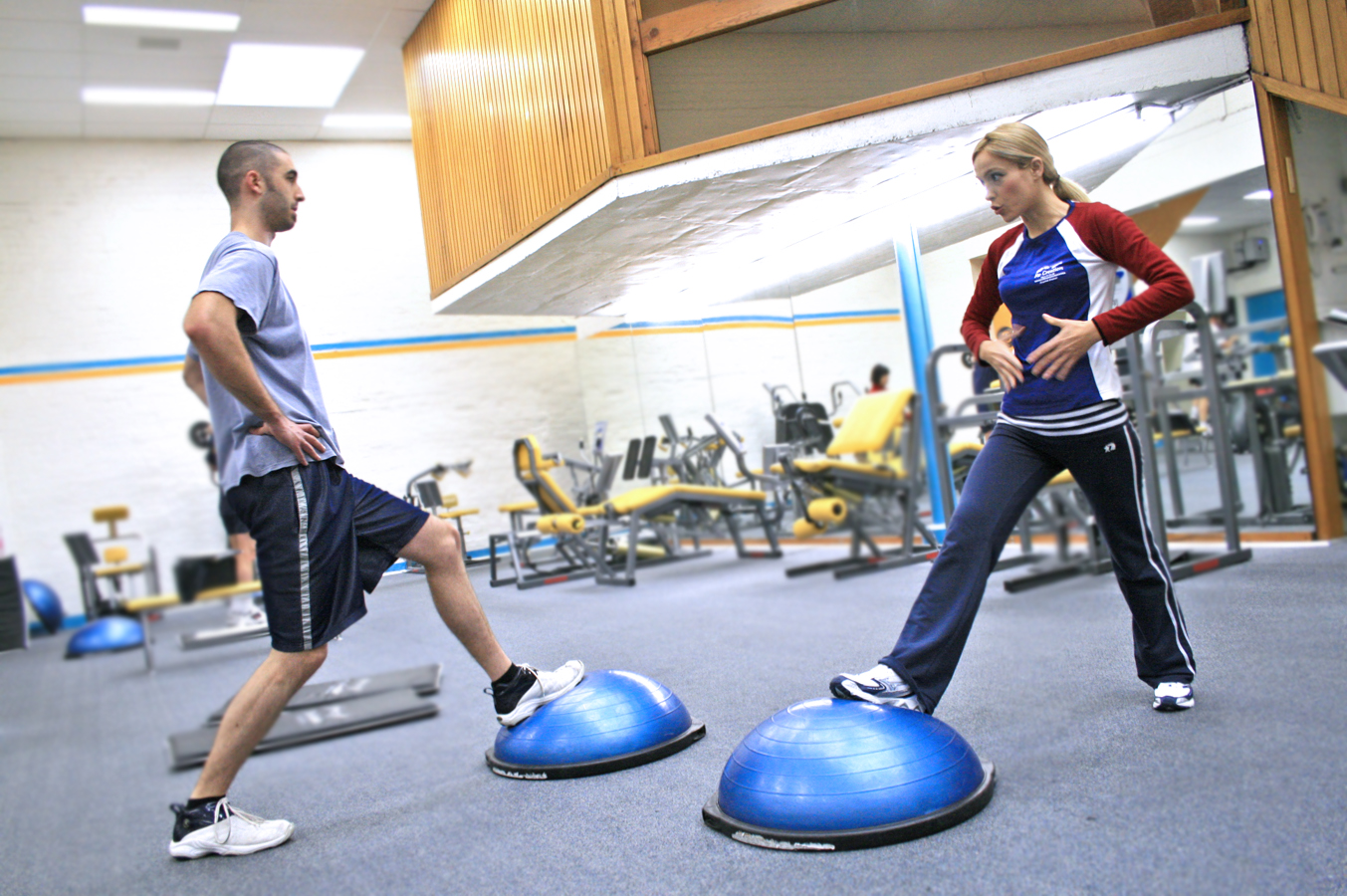
A personal trainer demonstrating use of a Bosu ball.

A personal trainer is an individual who creates and delivers safe and effective exercise programs for healthy individuals and groups, or those with medical clearance to exercise. They motivate clients by collaborating to set goals, providing meaningful feedback, and by being a reliable source for accountability.[clarification needed] Trainers also conduct a variety of assessments beginning with a preparticipation health-screening and may also include assessments of posture and movement, flexibility, balance, core function, cardio-respiratory fitness, muscular fitness, body composition, and skill-related parameters (e.g. power, agility, coordination, speed, and reactivity) to observe and gather relevant information needed to develop an effective exercise program and support client goal attainment.

These assessments may be performed at the beginning of and after an exercise program to measure client progress toward improved physical fitness. Trainers create exercise programs following a progression model, using the baseline assessment as the starting point of a client's physical abilities and framing the program to fit the individual personally.[1] They also provide education on many other aspects of wellness, including general health and nutrition guidelines. Helping clients to reach their full potential in various aspects of life[dubiousdiscuss] requires a comprehensive client-centered approach along with a belief that clients are resourceful and capable of change.

Qualified personal trainers or certified personal trainers (CPTs) recognize their own areas of expertise. If a trainer suspects that one of their clients has a medical condition that could prevent the client from safe participation in an exercise program, they must refer the client to the proper health professional for medical clearance.[2]

Purpose of personal training

[edit]
Personal trainer assessing a client's goals and needs as they write a fitness program

The scope of practice for a personal trainer has a primary focus on prevention and involves enhancing components of health and fitness for the general, healthy population or those cleared for exercise.

Proper exercise prescription may result in improved body composition, physical performance, heart condition, and health outcomes.[3] The decision to hire a personal trainer may be related to a perceived health threat, a lack of knowledge, a personal belief in one's ability to begin and adhere to an exercise program, or some sort of psychological effect. Often clients will seek the guidance of a personal trainer for factors related to motivation and adherence. A personal trainer pays close attention to the client's exercise technique, workout routine, goals, values, and nutrition. Personal training in men and women has been shown to improve the benefit-to-concern ratio for exercise (decisional balance), and increase confidence to choose exercise in the face of other time demands (scheduling self-efficacy).[4] Personal training results in higher strength, higher workout intensities, and higher perceived exertion during exercise.

Employment characteristics

[edit]
Personal Training at a Gym
Personal trainer working with a client in a fitness center

The profession is generally not restricted by the venue, and personal trainers may work in fitness facilities, in their own homes, in client homes, over live video (also called "virtual personal trainers"),[5] or outdoors. Almost all exercise professionals work in physical fitness facilities, health clubs, and fitness centers located in the amusement and recreation industry or in civic and social organizations.[6] Personal training is not regulated in any jurisdiction in the United States except for Washington D.C. which adopted registration requirements for personal fitness trainers in February 2014.[7] Some employers, such as gyms, require personal trainers to be certified. However, this is not always the case and some personal trainers can find work without certification. Overall, personal trainers must possess certain skills, such as a passion for fitness and helping others achieve their goals, industry knowledge, leadership, and the ability to communicate effectively with their clients.

Personal trainers may specialize in a certain training type, training philosophy, performance type, exercise modality, or client population. In general, most personal trainers develop exercise plans for aerobic exercise, resistance exercise, and/or flexibility training. With aerobic exercise prescription, personal trainers determine the type of exercise, duration of exercise, and frequency of exercise. For resistance exercise prescription, the type of exercise, total session volume, rest period, frequency, and intensity are determined.[8] Personal trainers may also be involved in the prescription of stretching routines or other approaches. Personal trainers help clients to perform exercises with correct techniques, minimizing the risk of injury. While some discuss nutrition, ergogenic supplementation, and spiritual practices with clients, there is debate within the industry as to whether it fits within their scope of practice and training qualifications.[9]

Accreditation

[edit]
Personal training outdoors

Personal trainer accreditation is a process that provides certification of competency. Qualification standards for personal trainers vary between countries. Personal trainer accreditation is also viewed as experience in the field with many client testimonials on their achievements working with their personal trainer.

International

[edit]

The International Confederation of Registers for Exercise Professionals (ICREPs) is an international partnership between registration bodies around the world that register exercise professionals. Member countries conform to the international standards set by ICREPs for personal training (and other exercise education credentials) and are transferable to other member countries. The current members of ICREPs (as of 2019) are: Fitness Australia, NFLA Canada, REPs India, REPs Ireland, REPs New Zealand, REPs Poland, REPs South Africa, REPs United Arab Emirates, USREPs, and IranREPs.

Australia

[edit]

In Australia, personal trainers may work independently with suitable insurance or choose to be a member of a registering body (Fitness Australia or Physical Activity Australia). The qualifications levels include; Level 1 - Certificate III in Fitness, Level 2 - Certificate IV in Fitness and Level 3 - Diploma of Fitness. These can be obtained from nationally accredited colleges (TAFE, Australian College of Sport & Fitness, Fitness Industry Training, Global Fitness Institute, Australian Institute of Fitness, Australian Fitness Academy). Once working in the industry, trainers who are members of associations are also required to complete short courses to obtain continuing education credit (CEC) points they need to keep their registration. A minimum of 20 CEC points every two years is required. Many personal trainers also have additional qualifications in weight loss, strength training, kid's fitness, and nutrition, which is in part due to the CEC program. CEC courses can cover a wide variety of topics such as different training techniques, nutrition, exercise styles, health conditions, physiology, lifestyle, and rehabilitation.[10]

Once members obtain their Australian Cert III & IV in Fitness, they can practice nationally. This can be done with this certification and using the Global Portability Matrix.[11] The Global Portability Matrix was designed by ICREPS. This stands for International Confederation of Registers for Exercise Professionals, which allows all members to practice in other countries. Members can train in Belgium, The Netherlands, Hungary, The United Kingdom, Ireland, Lebanon, Poland, The United States, The Caribbean, South Africa, United Arab Emirates, Canada, and New Zealand.

Brazil

[edit]

In Brazil, personal trainers must have a bachelor's degree in "Physical Education" (a degree that combines knowledge in the fields of Exercise Science and Healthcare science) and be registered with the Conselho Federal de Educação Física (Federal Council of Physical Education), and risk criminal charges if they operate without these two requirements.

Canada

[edit]

In Canada, the main certifying bodies are Canadian Fitness Education Services (CFES), Canadian Fitness Professionals (CanFit Pro), Certified Personal Trainers Network, the Canadian Society of Exercise Physiology (CSEP), and the National Fitness Leadership Association (NFLA). CSEP requires a diploma or degree in the exercise field, most other organizations require experience and/or workshops to qualify for a credential.[12][13] Many personal trainers receive a CFES, CanFit Pro, NFLA or an NCCA accredited certification, but there are no certifications required by law. Fitness instruction in Canada is an unregulated industry.[14]

Iran

[edit]

In Iran, the main certifying bodies are IranREPs and Bodybuilding Federation which these two organizations signed a memorandum of understanding in the beginning of 2019. IranREPs requires a diploma or degree in the exercise field from EuropeActive accredited providers or Sport universities. IranREPs joined the ICREPs in 2020.

Europe

[edit]

In Europe, personal trainers may work independently, but will always need accreditation by one of the main certifying bodies [15] such as:

EREPS: The European Register of Exercise Professionals (EREPS) is an independent process for the registering of instructors, trainers and teachers working in the European health, fitness and physical activity sector. It is a pan-European system, based on independent national registers, which culminate in a central European database.

New Zealand

[edit]

New Zealand has one major registration body for exercise professionals – REPs New Zealand. REPs New Zealand is recognised by both Exercise New Zealand (the industry association) and ICREPs.[16]

REPs NZ currently have three major registration categories[17]

1: Exercise Prescription

2: Group Exercise

3: Yoga Teacher

To be eligible to register for REPs you need to have one the below options [17]

a) Completed an initial qualification from a REPs registered Provider

b) Complete a NZ University Degree with an Exercise focus

c) Hold a NZ Certificate in Exercise 4

d) Hold current registration with an ICREPs partner

To maintain your REPs registration you will need to [18]

a) Renew your registration yearly

b) Keep your CPR and First Aid up to date and valid

c) Complete 10CPD points per year

United Kingdom

[edit]

In the UK, there are several ways to achieve a personal training qualification. Most personal training qualifications are accredited through awarding bodies like Active IQ, Focus Awards, YMCA Awards, VTCT and City and Guilds. These qualifications are generally delivered by Further Education (FE) establishments like colleges, or by private training providers. Upon successful completion of an accredited awarding body qualification, candidates become eligible for CIMSPA Practitioner status.

There is no legal restriction on the title of Personal Trainer nor any formal body associated with regulating Personal Training.

United States

[edit]

A number of certifications are available in the U.S., although a number are not accredited. Most require a high school diploma, cardiopulmonary resuscitation (CPR) and automated external defibrillator (AED) certification, and some type of examination.[6]

The United States Registry of Exercise Professionals (USREPS) is the official registry of exercise professionals in the United States and provides clients, employers, healthcare practitioners, policymakers, and insurance providers a single source for finding well-qualified exercise professionals or to verify credentials.

In the United States, various certifications are available within the fitness industry, although not all are accredited. Most certifications typically require a high school diploma, CPR (cardiopulmonary resuscitation), AED (automated external defibrillator) certification, and may involve an examination process.

A 2002 investigation evaluated a random sample of 115 personal trainers using the Fitness Instructors Knowledge Assessment (FIKA) (which measures knowledge in nutrition, health screening, testing protocols, exercise prescription, and special populations). The study described that:[19][20]

  • 70% of those surveyed did not have a degree in any field related to exercise science.
  • Those who did not have a bachelor's degree in an exercise science-related field scored 31% less on average than those with a bachelor's degree or higher in the field.
  • Those holding one of two specific certifications (the American College of Sports Medicine (ACSM) or the National Strength and Conditioning Association (NSCA) certification) scored 83% of the questions correctly on average. Those holding any certification other than ACSM or NSCA answered only 38% of the questions correctly.
  • Years of experience was not found to be predictive of personal trainer knowledge.

In partnership with the fitness industry, the International Health, Racquet & Sportsclub Association (IHRSA), which represents over 9,000 health and fitness facilities, started an initiative in 2002 to improve standards for both its own clubs and the industry as a whole. In January 2006, IHRSA implemented a recommendation that its facilities only accept personal trainers with certifications recognized by the National Commission for Certifying Agencies (NCCA) if recognized either by the Council for Higher Education Accreditation (CHEA) and/or the U.S. Department of Education (USDE). As a result, the Distance Education Accrediting Commission (DEAC) was recognized by IHRSA as a recognized accreditor of fitness professional certification organizations. Since then, the DEAC has accredited several personal trainer certification organizations, including the Athletics and Fitness Association of America (AFAA) and the International Sports Sciences Association (ISSA) among others. As of now, NASM, ISSA, AFAA, ACSM, ACE, and NSCA certifications are among the 16 accredited certifications recognized by IHRSA, three of which are accredited by the Distance Education Accrediting Commission (DEAC).[21][22]

Various organizations within the profession have lobbied for the adoption of more stringent criteria for certification developed by the NSF International.[23] There remains no national legal restriction on the industry to date except for the District of Columbia (D.C.) which as of February 2014, passed legislation requiring personal fitness trainers to register in that jurisdiction.[24]

India

[edit]

Personal Trainers in India must hold an appropriate Certification in Personal Training from respected organizations such as Active IQ, National Academy of Sports Medicine (NASM), National Strength and Conditioning Association (NSCA), National Exercise and Sports Trainer Association (NESTA), National Council on Strength and Fitness (NCSF) and The International Sports Sciences Association(ISSA). Apart from all these International certifications, if one holds any National Skill Qualification Framework Certifications (NSQF Certificates) such as Level 4 Fitness Trainer, Level 5 Personal Fitness Trainer, Level 6 Strength and Conditioning and Diploma in Personal Training from REPS India, will also provide an opportunity to work as a personal trainer in India. Any additional continuing educational courses such as Corrective Exercise Specialist, Special Population Trainer, Weight loss Specialist, Reebok Crossfit, LesMills Bodypump and Yoga Trainer will yield an individual further benefits of salary escalation. To work in India, Personal trainers do not have to register as an Exercise Professional to get employment.[25]

See also

[edit]

References

[edit]
Revisions and contributorsEdit on WikipediaRead on Wikipedia
from Grokipedia
A personal trainer is a fitness professional who works one-on-one or with small groups to assess individual fitness levels, design tailored exercise programs, demonstrate proper techniques, and motivate clients toward achieving specific health and wellness goals, such as , strength building, or improved cardiovascular . These professionals operate within a defined , focusing on apparently healthy clients or those with medical clearance, while emphasizing safety, progress monitoring, and basic education without diagnosing conditions, prescribing diets, or providing medical treatment. Personal trainers typically conduct initial health history interviews and fitness assessments using evidence-based protocols to create personalized plans that align with clients' abilities and objectives, adapting programs as progress occurs and enforcing safety measures to prevent injuries. They may also offer general guidance on principles drawn from authoritative sources like the , but must refer clients to physicians, registered dietitians, or other specialists for issues beyond their expertise, such as chronic illnesses or rehabilitation needs. This role has grown in response to increasing public awareness of physical inactivity and , with the modern profession emerging in the late alongside the expansion of commercial fitness centers and certification bodies like the American Council on Exercise (founded in 1985) and the . To enter the field, personal trainers generally need a , but most employers require from accredited organizations such as the National Commission for Certifying Agencies (NCCA)-approved programs from , NASM, or the (ACSM), along with CPR and AED training. Many hold associate's or bachelor's degrees in exercise science or , and successful trainers possess strong communication, motivational, and problem-solving skills to build client relationships and ensure adherence. They work in diverse settings, including gyms, health clubs, clients' homes, corporate wellness programs, or virtually, with about 55% employed in fitness and recreational sports centers and 14% self-employed as of 2024. The profession is projected to grow 12% from 2024 to 2034, faster than average, adding around 44,100 jobs due to rising demand for preventive services amid aging populations and awareness.

Definition and Role

Core Responsibilities

A personal trainer is a and fitness who uses an individualized approach to assess, motivate, educate, and train clients in exercise activities aimed at improving , , and . Their primary role involves working one-on-one or with small groups to guide clients toward specific goals, such as , strength building, or enhanced mobility, while ensuring safe and effective practices. Core responsibilities encompass conducting initial fitness assessments to evaluate clients' current levels, goals, and any limitations, followed by designing customized workout programs tailored to individual needs and abilities. Personal trainers demonstrate proper exercise techniques, monitor clients' form and technique during sessions to prevent injuries, and provide real-time feedback to optimize performance. They also track progress through ongoing evaluations, such as measuring improvements in strength, endurance, or , and adjust programs based on client feedback, results, and evolving objectives. In addition to exercise instruction, personal trainers motivate clients by setting realistic, achievable goals and offering encouragement to maintain adherence, often addressing barriers like lack of time or through behavioral strategies. Within their , they provide general nutritional guidance, such as educating on balanced eating habits and hydration, but must refer clients to registered dietitians for personalized meal planning or medical nutrition therapy. A typical personal training session follows a structured format to maximize effectiveness and safety, beginning with a warm-up involving light cardio or dynamic stretches to prepare the body, followed by the main segment focused on strength training, cardiovascular exercises, or a combination based on the program's goals. Sessions conclude with a cool-down, including static stretching and breathing exercises to aid recovery and reduce muscle soreness. This progression ensures comprehensive coverage of fitness components while allowing trainers to adapt in real time to client energy levels or responses.

Types and Specializations

Personal trainers are broadly categorized into generalists and specialists. Generalist trainers work with diverse clients across various fitness levels and goals, designing adaptable programs that encompass cardiovascular, strength, and flexibility training for overall health improvement. In contrast, specialist trainers focus on niche areas, tailoring their expertise to specific populations, objectives, or environments to deliver targeted outcomes, often requiring advanced knowledge in , , or behavioral . Corrective exercise specialists concentrate on rehabilitation and movement dysfunctions, using techniques to address imbalances, reduce pain, and restore proper for clients recovering from injuries or with chronic issues. Senior fitness trainers cater to older adults, developing low-impact routines that promote balance, mobility, and independence while accounting for age-related conditions like or . Youth trainers target children and adolescents, creating age-appropriate programs to combat , build foundational skills, or support early athletic development with an emphasis on fun and safety to foster lifelong habits. Emerging niches reflect holistic and professional trends, such as wellness coaches who blend physical training with support, , and to promote comprehensive .

History and Evolution

Early Development

The roots of personal training can be traced to ancient civilizations where individualized physical instruction was integral to preparing individuals for athletic, military, or societal roles. In , formed a cornerstone of , emphasizing the harmonious development of body and mind through structured exercises in the gymnasium, a facility dedicated to physical training conducted in the nude. Pioneering medical figures such as Herodicus, , and advocated exercise as a means to enhance , strength, and , prescribing tailored regimens to patients and athletes alike. Similarly, in , gladiatorial training exemplified early personalized coaching; gladiators, often slaves or prisoners, received specialized instruction from lanistae—former fighters who managed (training schools) and designed individualized programs using wooden weapons to build stamina and technique while minimizing injury risk. In the , the foundations of modern emerged amid industrialization and , which reduced daily and spurred organized fitness initiatives. Pioneers like J.C. Warren, a Harvard and early advocate for exercise in disease prevention, and Catherine Beecher, who authored the first American book on for women, promoted and structured routines to counter sedentary lifestyles. Concurrently, the Young Men's Christian Association (), founded in 1844 in and expanding to the in 1851, integrated into its holistic mission, offering group classes and individual guidance starting in the 1880s under instructors like Robert J. Roberts, who developed progressive exercise systems for improvement. The early marked the rise of physical culturists who popularized individualized through public demonstrations and commercial ventures. , dubbed the father of modern , opened Institutes of in the late 1890s, providing personalized training, dietary advice, and equipment to clients seeking muscular development and vitality. These establishments evolved into early fitness clubs, blending scientific principles with accessible coaching to attract a broader audience beyond elite athletes. By the 1920s through 1940s, personal training transitioned from informal coaching to more structured guidance, influenced by military demands and post-war health awareness. and II necessitated rigorous physical preparation for soldiers, with programs emphasizing individualized conditioning to address widespread fitness deficiencies revealed in draft statistics, where up to one-third of young men were deemed unfit for service. Post-war movements, including the 1956 establishment of the President's Council on Youth Fitness, extended these military-inspired regimens to civilians, fostering personalized to combat national concerns over physical decline.

Modern Professionalization

The modern professionalization of personal training began in the post-World War II era, marked by the expansion of health clubs and the popularization of fitness as a mainstream pursuit. In the , post-war economic prosperity fueled a surge in leisure activities, leading to the proliferation of commercial s that emphasized individualized exercise guidance. Pioneers like played a pivotal role, opening one of the first modern health clubs in 1936 but gaining widespread influence through his television program starting in 1951, which promoted and to a broad audience and helped normalize personal fitness coaching. By the and , this growth accelerated with the movement, spearheaded by Dr. Kenneth Cooper's 1968 book Aerobics, which emphasized cardiovascular exercise for health benefits and inspired structured training programs in emerging fitness facilities. These developments transformed personal training from informal advising to a more systematic service within the burgeoning industry, driven by entrepreneurs like and Ray Wilson who expanded club networks nationwide. The 1980s saw further commercialization and cultural integration of personal training, propelled by the rise of gym chains and bodybuilding's mainstream appeal. Gold's Gym, founded in 1965 in Venice Beach, California, became synonymous with professional bodybuilding and began franchising in 1980, enabling rapid national and international expansion that standardized gym environments and trainer roles. This era's fitness boom was amplified by figures like Arnold Schwarzenegger, whose 1977 documentary Pumping Iron and subsequent Hollywood success in films such as Conan the Barbarian (1982) elevated bodybuilding as an aspirational pursuit, drawing public interest to personalized strength coaching. Gym chains like Gold's emphasized specialized training sessions, shifting personal trainers toward professional service providers in commercial settings and contributing to the industry's growth into a multi-billion-dollar sector. From the to the , personal training underwent standardization amid rising public health challenges, particularly the obesity epidemic. U.S. adult obesity rates climbed from about 15% in the late 1970s to over 30% by 2000, prompting increased demand for professional fitness interventions as a response to chronic disease risks. Fitness industry associations, such as the American Council on Exercise (), advanced this by launching key certifications like the ACE Personal Trainer credential in the , establishing uniform educational benchmarks to enhance trainer credibility and safety. Organizations including the National Strength and Conditioning Association (NSCA) and the () further drove professionalization through evidence-informed guidelines, responding to health initiatives like Healthy People 2000 that highlighted physical activity's role in obesity prevention. This period solidified personal training as a regulated occupation, with associations promoting ethical standards and scope-of-practice definitions to meet growing societal needs. In the , personal training has evolved with digital integration and a stronger emphasis on evidence-based practices derived from . The adoption of mobile apps and virtual platforms surged, particularly post-2010, enabling remote coaching through tools like video consultations and wearable tech for real-time progress tracking, making services more accessible amid global events like the . Concurrently, integration of research from has become central, with models like ACE's Integrated Fitness Training (IFT) incorporating peer-reviewed studies on and to tailor programs scientifically. advancements, including knowledge translation efforts from journals and associations, have positioned trainers as applied exercise scientists, prioritizing outcomes like and optimization over anecdotal methods. This shift underscores personal training's maturation into a technology-enhanced, research-driven .

Education and Training

Educational Pathways

Aspiring personal trainers typically start with a or equivalent as the foundational entry-level requirement, ensuring eligibility for advanced studies and professional preparation in fitness-related disciplines. Many pursue an in exercise science, , or similar fields, which provides an accessible two-year pathway to develop essential knowledge in human movement and health fundamentals. For those seeking deeper academic grounding, undergraduate programs in , , or offer bachelor's degrees that emphasize the scientific basis of fitness. These curricula commonly include coursework in , , , and basics, enabling students to understand bodily responses to exercise and design safe, effective training regimens. Such programs, often housed in departments of or health sciences, integrate theoretical learning with introductory practical applications to prepare graduates for real-world client interactions. Vocational options, such as certificates from community colleges or online courses, cater to individuals prioritizing practical fitness knowledge over extensive academic study. These programs focus on hands-on elements like exercise techniques, program planning, and basic client assessment, typically spanning a few months to a year and allowing flexible entry into the field. Hands-on experience remains a critical component of educational pathways, often gained through internships or apprenticeships in gyms or clinical settings. These opportunities enable aspiring trainers to shadow professionals, observe client sessions, and gradually apply concepts in supervised environments, building confidence and refining skills essential for independent practice.

Skill Development and Continuing Education

Personal trainers engage in ongoing skill development to refine their expertise in key areas such as exercise prescription, which involves designing individualized fitness programs tailored to a client's status, goals, and fitness level, drawing from guidelines like those in the ACSM's Guidelines for Exercise Testing and Prescription. Client communication skills are honed through training that emphasizes clear explanation of techniques, , and motivational dialogue to build rapport and ensure adherence. Behavior change techniques, including and habit stacking, are essential for helping clients adopt sustainable lifestyle modifications, as outlined in evidence-based models like the . Emergency response training, particularly CPR and AED certification, is a core requirement to handle potential incidents during sessions, with many organizations mandating renewal every two years. Continuing education is vital for certification maintenance, with major bodies requiring 2.0 continuing education units (CEUs)—equivalent to 20 hours—every two years for NASM and certified trainers, often delivered via workshops, seminars, or online modules to cover updates in fitness science. NSCA mandates CEUs every three years to ensure professionals remain current. These requirements promote beyond initial education, focusing on practical application rather than foundational coursework. Advanced skill development includes mastering , a method of systematically varying training variables over time to optimize performance and prevent , commonly taught in specialized courses. Integration of fitness technology, such as wearables and apps for real-time progress tracking, enhances program efficacy by incorporating data-driven feedback and behavior change strategies like . Pursuing specialization endorsements in areas like strength conditioning or senior fitness allows trainers to address niche client needs, building on core competencies through targeted endorsements from organizations like NSCA. Trainers access resources like professional conferences—for instance, the NSCA Personal Trainers Conference or IDEA World Convention—to network and learn emerging trends. programs facilitate knowledge sharing, where experienced trainers guide novices in evidence-based practices, improving client outcomes through structured support. Regular reading of research from sources like the Journal of Strength and Conditioning Research ensures adherence to evidence-based practices, such as those emphasizing individualized programming over generic routines.

Certification and Accreditation

International Organizations

The International Confederation of Registers for Exercise Professionals (ICREPS) serves as a global partnership among national registration bodies to verify and standardize qualifications for exercise professionals, including personal trainers, thereby facilitating mobility across borders. By establishing competency-based frameworks, ICREPS supports the recognition of certified professionals in approximately 14 countries spanning four continents, as of 2025, ensuring that qualifications meet minimum standards in areas such as exercise programming and client safety. Similarly, the European Register of Exercise Professionals (EREPS), launched in 2007, operates as an independent registry across to harmonize fitness qualifications aligned with the (EQF), categorizing personal trainer credentials at EQF Level 4 based on expertise in assessment, program , and ethical practice. Certifications from organizations like the (ISSA) and the (NASM) gain international recognition through their alignment with global portability initiatives, allowing certified personal trainers to work in multiple countries without redundant retraining. ISSA's Certified Personal Trainer program, for instance, emphasizes practical skills in , , and behavior change, and is accepted in regions including , , and the through partnerships with international bodies and an NCCA-accredited option available via ISSA's NCCPT subsidiary. NASM's Certified Personal Trainer similarly extends worldwide, focusing on the Optimum Performance Training (OPT) model for corrective exercise and progression, with a large number of professionals certified globally and reciprocity options through networks like ICREPS. Efforts toward global reciprocity involve benchmarking core competencies in exercise science—such as anatomy, , and training methodologies—and professional ethics, including client and , to enable seamless credential transfer. ICREPS and EREPS collaborate on these benchmarks, promoting mutual recognition where a qualification verified in one member country satisfies requirements in others, thus reducing barriers for trainers relocating internationally. Despite these advancements, faces challenges from linguistic variations, requiring translations and localized exam formats that maintain fidelity to universal standards, as well as cultural adaptations in delivery to account for diverse attitudes toward fitness, , and exercise modalities. For example, programs must adjust content for region-specific practices, such as incorporating traditional wellness approaches in or community-oriented in , while ensuring ethical guidelines remain consistent.

National and Regional Standards

In the United States, personal trainer certification is overseen by prominent organizations such as the National Strength and Conditioning Association (NSCA), the American Council on Exercise (ACE), and the National Academy of Sports Medicine (NASM), which provide voluntary national certifications emphasizing evidence-based practices in exercise science and client safety. There is no federal licensing requirement for personal trainers, allowing professionals to operate with a high school diploma or equivalent and CPR/AED certification, though gyms and employers often mandate national accreditation for credibility and insurance purposes. In certain states like New York, while no specific personal training license is required, trainers must comply with general occupational regulations, including CPR/AED certification, and may face additional scrutiny if working in regulated settings like schools or medical facilities. In the , regulation of personal trainers is primarily managed through the Chartered Institute for the Management of Sport and Physical Activity (CIMSPA) and the former Register of Exercise Professionals (REPs), which merged into CIMSPA in 2020 to streamline professional standards. Certifications are structured in levels aligned with the Regulated Qualifications Framework (RQF), with Level 2 focusing on gym instructing, Level 3 on exercise programming, and Level 4 on advanced personal training for special populations, all requiring Ofqual-regulated qualifications for registration. This tiered system ensures trainers demonstrate competencies in client assessment, program design, and ethical practice before achieving full personal trainer status. Australia maintains national standards through AUSactive (formerly Fitness Australia) and the Register of Exercise Professionals, where personal trainers must hold a Certificate IV in Fitness to qualify for registration, building on the foundational Certificate III in Fitness for gym instructing roles. These Vocational Education and Training (VET) qualifications, accredited by bodies like AUSactive and Physical Activity Australia, cover , , and , with mandatory registration promoting industry-wide adherence to protocols. Across other regions, standards vary significantly in mandatory versus voluntary certification and scope of practice. In Canada, the Canadian Society for Exercise Physiology (CSEP) offers the Certified Personal Trainer (CSEP-CPT) credential, requiring at least two years of post-secondary education and emphasizing evidence-informed exercise prescription for healthy and clinical populations. In Europe, the European Register of Exercise Professionals (EREPS) provides a harmonized framework under the European Qualifications Framework (EQF), with personal trainers typically registering at EQF Level 4 after demonstrating skills in individualized programming across 35+ countries. Brazil mandates registration with the Federal Council of Physical Education (CONFEF) for physical education professionals, including personal trainers, who must complete accredited higher education courses to ensure regulated practice in fitness settings. In India, the Register of Exercise Professionals India (REPS India) oversees voluntary certification, requiring recognized qualifications for personal trainers to align with global standards, though no nationwide licensing exists. New Zealand's REPs NZ registers trainers via the New Zealand Qualifications Authority, with the NZ Certificate in Exercise (Level 4 or 5) as the entry for personal training, focusing on practical competencies in diverse environments. In Iran, oversight falls under the Ministry of Sports and Youth, which established the Physical Fitness Federation in 2022 to promote standards, but nationwide regulation remains limited, with voluntary certifications through bodies like IranREPS emphasizing basic fitness instruction without mandatory higher education. These differences highlight contrasts, such as Brazil's compulsory professional registration versus the voluntary, organization-driven models in India and Iran, influencing trainers' legal scope from general wellness to specialized rehabilitation. Post-2020, global trends indicate a shift toward stricter regulations for personal trainers, driven by heightened health and safety concerns from the COVID-19 pandemic, including demands for enhanced certification in infection control, virtual training protocols, and client risk assessment to rebuild public trust in fitness services. This evolution aligns with international benchmarks from organizations like EREPS, promoting cross-border consistency in professional accountability.

Employment and Professional Practice

Job Market and Opportunities

The global personal fitness trainer market was valued at USD 42.5 billion in 2024 and is projected to grow at a (CAGR) of 5.3% from 2025 to 2035, reaching USD 85.3 billion by 2035, driven by increasing consciousness and wellness trends. This expansion reflects broader societal shifts toward preventive measures and personalized fitness solutions. Personal trainers find in diverse settings, including commercial gyms and health clubs, private fitness studios, online platforms offering virtual , hotels and resorts with wellness programs, and corporate wellness initiatives within companies. These environments allow for varied work schedules, from part-time roles in gyms to full-time remote positions via digital apps, accommodating both traditional and flexible professional lifestyles. Demand for personal trainers is fueled by factors such as rising rates, which have heightened the need for tailored exercise programs to address chronic issues, an aging seeking mobility and longevity-focused , and a post-pandemic emphasis on mental and physical recovery. and lead in job numbers, with holding 42.6% of the and fitness club market share as of 2022 due to established and high awareness levels. Career progression for personal trainers typically begins at the entry level, often requiring as a foundational barrier to , and advances to roles such as head coach or lead trainer overseeing teams, studio owner managing independent operations, or consultant specializing in corporate or niche wellness programs. These paths emphasize skill specialization, , and continuous to achieve and entrepreneurial opportunities.

Business Models and Income

Personal trainers operate under various business models that influence their , streams, and operational responsibilities. Many work as salaried employees or hourly wage earners at commercial , where they receive a base pay—often supplemented by commissions on client sessions—while the handles scheduling, , and facility costs. In contrast, independent contractors, who comprise a significant portion of the , negotiate splits with gyms (typically 50/50 on session fees) or operate freelance, setting their own rates and managing client acquisition independently. Freelance models often involve session-based billing, with trainers charging $50–$100 per hour depending on market rates, or package deals such as 10 sessions for $500–$800 to encourage commitment and provide clients with cost savings. For freelance personal trainers renting space in fitness studios, venue fees are influenced by several key factors. Location is a primary determinant, with higher costs in urban or metropolitan areas such as New York or Los Angeles compared to smaller towns or rural regions. Time slots also play a role, with premium pricing for peak hours like evenings and weekends, and potential discounts for off-peak periods to maximize space utilization. Venue conditions affect fees, as well-equipped spaces with amenities like showers, advanced equipment, and maintenance support command higher rates. In markets with high competition, such as saturated urban areas, venues may offer lower fees to attract and retain trainers. Underlying costs for venues, including rent, utilities, maintenance, and insurance, are typically allocated on a per-hour basis to trainers. Income for personal trainers in the United States varies widely based on employment model, experience, location, and specialization, with the median annual wage reported at $46,180 as of May 2024. Entry-level trainers typically earn $25,000–$40,000 annually, while mid-career professionals with 3–5 years of experience average $40,000–$60,000, and senior trainers can exceed $60,000. Earnings are higher in urban areas like , where the mean wage reaches $82,820 as of May 2023, compared to rural or lower-cost regions. Specializations such as online coaching or working with celebrities allow for premium rates, often $50–$100+ per session for independents, potentially pushing annual income above $70,000 for established practitioners. Effective business operations are essential for , including efforts primarily through platforms to showcase expertise, share client transformations, and attract new leads. Client retention strategies, such as regular progress tracking and celebrating milestones, help maintain long-term relationships and stabilize revenue, as retained clients contribute to higher lifetime value. Legal considerations, particularly obtaining , are critical to protect against claims of negligence or injury during sessions, covering defense costs and settlements. The cost of small business insurance for personal trainers, typically including general liability and professional liability coverage, varies by factors such as coverage limits, location, provider, business size, and associated risks. Recent data shows median monthly premiums for personal trainers at $29 for general liability insurance ($350 annually), $42 for professional liability insurance ($500 annually), and $59 for bundled business owner's policies (BOP) ($702 annually). Basic policies can start as low as $12–$20 per month from some providers. Workers’ compensation insurance, required if employing others, averages $55 per month ($659 annually). These costs are particularly important for self-employed and freelance trainers, as they reduce net income and must be factored into pricing and financial planning. For new personal trainers seeking to attract their first paying clients, established strategies include offering beta or introductory programs at reduced rates to demonstrate expertise and build testimonials, forming partnerships with local businesses or gyms for referrals, leveraging social media to establish trust and showcase value, and networking at community events to gain initial leads. Personal trainers face challenges like seasonal demand fluctuations, with slower periods during holidays and summer vacations reducing client availability and income predictability. Additionally, growing competition from fitness apps—offering affordable, on-demand workouts and AI-driven plans—pressures trainers to differentiate through personalized and that digital tools cannot fully replicate.

Services and Client Engagement

Initial Assessment and Program Design

The initial assessment phase in personal training begins with a comprehensive client process to ensure safety and establish a foundation for effective programming. Personal trainers typically start by administering a health history , such as the ACSM Preparticipation Screening Questionnaire, which evaluates medical background, current symptoms, and risk factors for conditions like , , or orthopedic issues. This tool helps classify clients into low-, moderate-, or high-risk categories, guiding whether medical clearance is required before exercise. During an in-person consultation, trainers review the to clarify responses, discuss factors like occupation and daily activity levels, and obtain . Following the health screening, trainers conduct fitness level tests to objectively measure baseline capabilities. Common assessments include body composition analysis using skinfold for estimating or for a quick, non-invasive overview of fat mass and lean mass distribution. is often evaluated through submaximal estimations, such as the Rockport 1-mile walk test, where clients walk a measured while monitoring to predict aerobic capacity without maximal effort. Muscular strength and endurance tests, like or plank holds, and flexibility assessments via sit-and-reach protocols, complete the profile, allowing trainers to identify imbalances or limitations early. With assessment data in hand, trainers collaborate with clients to set goals using the SMART framework—Specific, Measurable, Achievable, Relevant, and Time-bound—to create realistic, motivating objectives. For instance, rather than a vague aim like "get fit," a SMART goal might be "reduce body fat by 5% through three weekly strength sessions, measured via , within 12 weeks, aligning with improved energy for daily duties." This approach, endorsed by organizations like NASM, enhances adherence by tying goals to personal values and tracking progress quantitatively. Program design then integrates these insights using principles like the FITT framework—Frequency, Intensity, Time, and Type—to structure balanced routines. For cardiovascular training, FITT might prescribe moderate-intensity aerobic activities (e.g., brisk walking) at 3–5 days per week, 30–45 minutes per session at 60–80% of maximum ; for strength, it could involve resistance exercises 2–3 days weekly, with moderate loads (70–80% of one-rep max) for 8–12 repetitions across major muscle groups. Programs balance aerobic endurance, anaerobic power, and flexibility components, such as incorporating yoga-inspired stretches to improve , per ACSM recommendations for comprehensive fitness. Customization tailors the program to individual factors like age, medical conditions, and to optimize outcomes and minimize risk. For older adults (e.g., over 65), NASM guidelines emphasize stabilization-focused phases in the OPT model, starting with low-impact, balance-oriented exercises like seated marches to address and joint concerns. Clients with conditions such as may require intensity modifications, like interval walking instead of continuous jogging, while sedentary professionals might begin with short, home-based sessions to fit busy schedules. A beginner's plan, per NSCA principles, prioritizes full-body circuits with bodyweight exercises 2–3 times weekly to build foundational strength, whereas an advanced client's program advances to periodized phases with and higher volumes for power development.

Conducting Sessions and Progress Monitoring

Personal trainers deliver sessions through hands-on, real-time coaching that emphasizes proper exercise technique to optimize results and minimize injury risk. This involves providing immediate verbal cues, visual demonstrations, and tactile guidance to correct form during movements, drawing on the trainer's knowledge of biomechanics and client-specific needs. Sessions typically incorporate a mix of equipment, including free weights for functional strength, machines for controlled isolation, and bodyweight exercises for accessibility and core stability, with selections tailored to the client's initial program design and current proficiency level. To sustain client motivation and prevent monotony, trainers introduce variety by alternating exercise selections, rep schemes, and session structures while aligning with overarching goals. Monitoring client progress is essential for evaluating program efficacy and guiding adjustments, often employing simple tools such as paper or digital workout logs to record session details. Mobile applications, like the NASM EDGE app or amSTATZ, facilitate automated tracking of workouts, nutrition, and adherence, allowing trainers and clients to visualize trends in real time. Periodic re-assessments, conducted every 4 to 6 weeks, involve repeating baseline tests to measure improvements in key metrics, such as increased weight lifted, higher repetitions completed, or enhanced endurance via timed challenges. These evaluations provide objective data to confirm adaptations and inform whether the current approach remains suitable. Adjustments to training programs are made systematically to overcome plateaus and promote continued gains, primarily through the principle of , which entails gradual increases in training demands—such as load, volume, or frequency—typically limited to 10% or less per week to allow physiological adaptation without excessive strain. For instance, a client might progress from 10 repetitions at a given weight to 12, or incorporate techniques like drop sets to intensify sessions while maintaining form. Deloading periods, where volume and intensity are reduced by 40-60% for one week every 4 to 6 weeks, enable recovery from accumulated fatigue and prevent . Modifications also respond to client feedback, such as substituting exercises for stalled progress or reallocating emphasis based on self-reported energy levels, ensuring the program evolves dynamically. In virtual training formats, which have grown in popularity for flexibility, trainers adapt delivery by using pre-recorded or live video demonstrations to illustrate technique, often breaking down movements into slow-motion segments for clarity. Remote check-ins via video platforms like Zoom allow for real-time form corrections through client-submitted footage or interactive sessions, with apps enabling shared progress logs to bridge the gap between in-person oversight and digital accessibility. This approach maintains engagement by incorporating interactive elements, such as live Q&A or customized challenges, while verifying adherence to the established program.

Benefits, Risks, and Ethical Considerations

Health and Wellness Outcomes

Working with a personal trainer has been shown to yield significant physical benefits, including improvements in , muscle strength, and . In a randomized study comparing personal trainer-guided training to independent and group-based approaches, participants under trainer supervision experienced greater gains in muscle strength, with increasing by 19.70 kg compared to 10.28 kg in the independent group, and squat by 36.21 kg versus 20.05 kg. Additionally, the trainer group achieved more substantial fat mass reduction (-1.61 kg) than the other groups, contributing to effective . These outcomes align with broader evidence that supervised exercise enhances and reduces the risk of chronic diseases such as heart disease and by ensuring proper exercise execution and progression. Mental health gains from personal training include enhanced , stress reduction, and increased through and personalized support. A 10-week personal training program resulted in 73% of participants advancing at least one stage in the of behavior change toward greater commitment, with 60% moving up one stage and 13% advancing two stages (p < 0.01). This progression fosters and , indirectly supporting stress reduction and improved by promoting consistent exercise habits that release and build confidence in physical capabilities. Trainers provide , which further bolsters adherence and . Long-term wellness outcomes encompass better lifestyle habits, injury prevention through proper form instruction, and holistic improvements such as enhanced sleep and energy levels. Supervised training under personal trainers leads to higher adherence rates and lower injury incidence compared to unsupervised efforts, as trainers correct form in real-time to mitigate risks. Meta-analyses and reviews, including those aligned with American College of Sports Medicine (ACSM) guidelines, indicate that supervised programs produce superior results in physical fitness and sustained behavior change over self-guided exercise, promoting lifelong habits that improve overall energy and sleep quality. For instance, older adults in supervised programs show reduced medication needs for conditions like pain and diabetes, reflecting broader wellness gains.

Potential Risks and Safety Protocols

Personal trainers encounter several risks in their practice, particularly those affecting client safety and professional accountability. Client injuries often arise from improper exercise form, which can cause acute issues like muscle strains, sprains, or damage during movements such as or cardio activities. Overtraining exacerbates these dangers by leading to chronic conditions, including , , or stress fractures, especially when recovery periods are inadequate or volume increases too rapidly. Undiagnosed medical conditions pose additional hazards; without proper screening, training may aggravate underlying issues like cardiovascular problems or previous injuries, resulting in severe complications such as fractures or increased pain and instability. Trainer liabilities frequently stem from scope-of-practice violations, where professionals exceed their training by offering medical diagnoses or treatments, potentially leading to legal claims of . To address these risks, personal trainers follow established safety protocols focused on prevention and preparedness. Pre-screening is a foundational step, utilizing tools like the Physical Activity Readiness Questionnaire (PAR-Q+), an evidence-based self-guided assessment that identifies health risks, symptoms, and contraindications before program initiation. This screening determines whether medical clearance is needed, particularly for clients with diagnosed conditions or those pursuing vigorous exercise. Trainers adhere to guidelines from authoritative bodies such as the (ACSM), which recommend tailoring exercise intensity to client profiles and avoiding contraindicated movements like straight-leg sit-ups that heighten injury risk. Emergency procedures form another critical layer, requiring trainers to maintain CPR/AED certification, develop action plans for incidents like cardiac events or falls, and ensure facility equipment is safely maintained and positioned to prevent accidents. Ethical considerations underpin safe and equitable practice in personal training. is mandatory, involving clear communication of potential risks, benefits, and program details to enable clients to make autonomous decisions. Trainers must refrain from unqualified advice, such as diagnosing illnesses or prescribing treatments, and instead refer clients to qualified healthcare providers when symptoms or conditions arise. protects client health information in line with legal standards like HIPAA, fostering trust while preventing unauthorized disclosure. Anti-discrimination practices require trainers to deliver services without bias based on sociodemographic factors, promoting inclusivity and in program design and delivery. Legal safeguards further mitigate risks through structured protections. Liability waivers, signed by clients prior to training, explicitly acknowledge exercise hazards and reduce the likelihood of successful lawsuits by demonstrating informed participation. is essential, covering claims for bodily , property damage, or professional errors arising from sessions or advice. Operating within certified scopes—such as focusing on healthy or physician-cleared individuals for fitness programming—avoids ; breaches, like failing to screen or refer appropriately, have resulted in suits where trainers were held accountable for client harm.

References

Add your contribution
Related Hubs
User Avatar
No comments yet.