
Recent from talks
Pharyngitis
Knowledge base stats:
Talk channels stats:
Members stats:
Pharyngitis
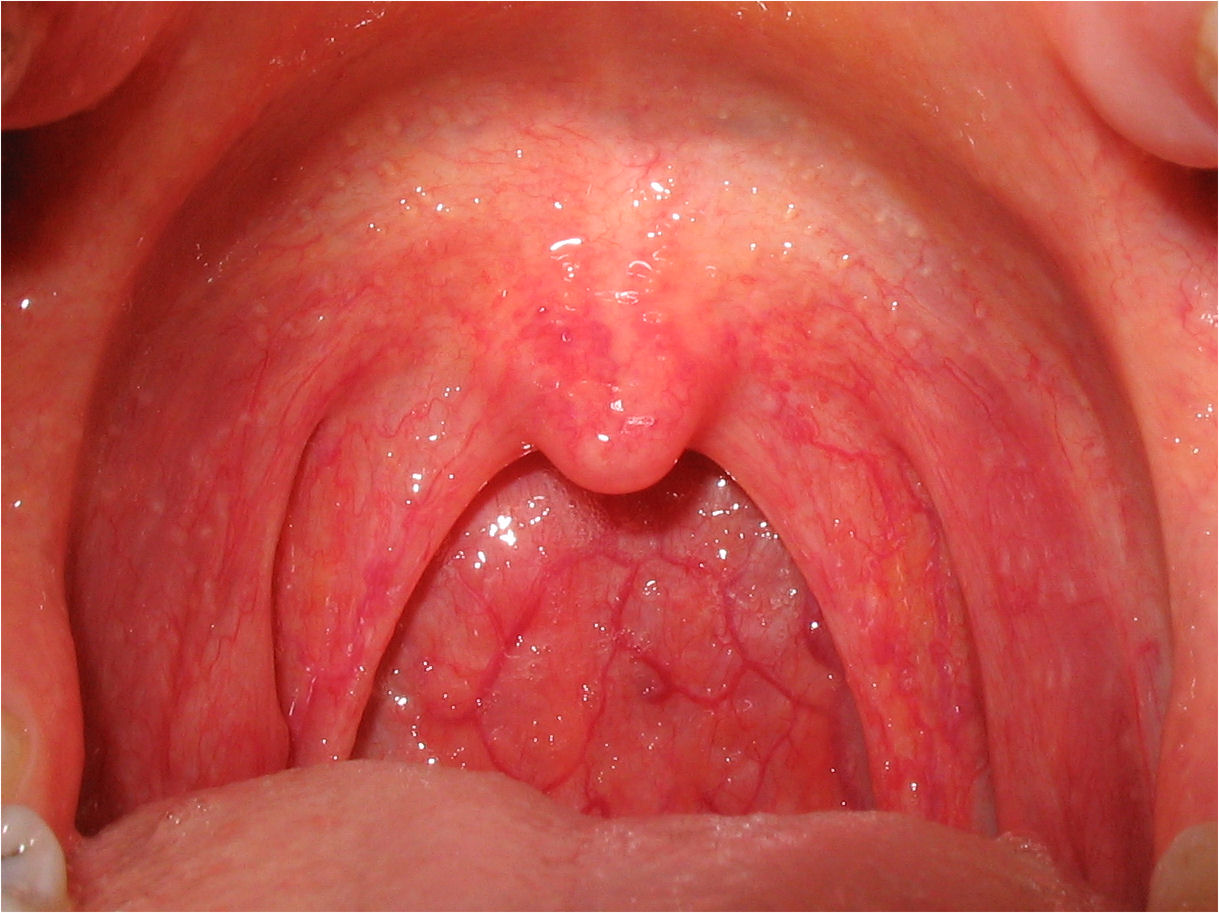
Pharyngitis is inflammation of the back of the throat, known as the pharynx. It typically results in a sore throat and fever. Other symptoms may include a runny nose, cough, headache, difficulty swallowing, swollen lymph nodes, and a hoarse voice. Symptoms usually last 3–5 days, but can be longer depending on cause. Complications can include sinusitis and acute otitis media. Pharyngitis is a type of upper respiratory tract infection.
Most cases are caused by a viral infection. Strep throat, a bacterial infection, is the cause in about 25% of children and 10% of adults. Uncommon causes include other bacteria such as gonococcus, fungi, irritants such as smoke, allergies, and gastroesophageal reflux disease. Specific testing is not recommended in people who have clear symptoms of a viral infection, such as a cold. Otherwise, a rapid antigen detection test or throat swab is recommended. PCR testing has become common as it is as good as taking a throat swab but gives a faster result. Other conditions that can produce similar symptoms include epiglottitis, thyroiditis, retropharyngeal abscess, and occasionally heart disease.
NSAIDs, such as ibuprofen, can be used to help with the pain. Numbing medication, such as topical lidocaine, may also help. Strep throat is typically treated with antibiotics, such as either penicillin or amoxicillin. It is unclear whether steroids are useful in acute pharyngitis, other than possibly in severe cases. A recent (2020) review found that when used in combination with antibiotics, they moderately reduced pain and the likelihood of resolution.
About 7.5% of people have a sore throat in any 3-month period. Two or three episodes in a year are not uncommon. This resulted in 15 million physician visits in the United States in 2007. Pharyngitis is the most common cause of a sore throat. The word comes from the Greek word pharynx meaning "throat" and the suffix -itis meaning "inflammation".
Pharyngitis is a type of inflammation caused by an upper respiratory tract infection. It may be classified as acute or chronic. Acute pharyngitis may be catarrhal, purulent, or ulcerative, depending on the causative agent and the immune capacity of the affected individual. Chronic pharyngitis may be catarrhal, hypertrophic, or atrophic.[citation needed]
Tonsillitis is a subtype of pharyngitis. If the inflammation includes both the tonsils and other parts of the throat, it may be called pharyngotonsillitis or tonsillopharyngitis. Another subclassification is nasopharyngitis (the common cold).
Clergyman's sore throat or clergyman's throat is an archaic term formerly used for chronic pharyngitis associated with overuse of the voice as in public speaking. It was sometimes called dysphonia clericorum or chronic folliculitis sore throat.
Most cases are due to an infectious organism acquired from close contact with an infected individual.[citation needed]
Hub AI
Pharyngitis AI simulator
(@Pharyngitis_simulator)
Pharyngitis
Pharyngitis is inflammation of the back of the throat, known as the pharynx. It typically results in a sore throat and fever. Other symptoms may include a runny nose, cough, headache, difficulty swallowing, swollen lymph nodes, and a hoarse voice. Symptoms usually last 3–5 days, but can be longer depending on cause. Complications can include sinusitis and acute otitis media. Pharyngitis is a type of upper respiratory tract infection.
Most cases are caused by a viral infection. Strep throat, a bacterial infection, is the cause in about 25% of children and 10% of adults. Uncommon causes include other bacteria such as gonococcus, fungi, irritants such as smoke, allergies, and gastroesophageal reflux disease. Specific testing is not recommended in people who have clear symptoms of a viral infection, such as a cold. Otherwise, a rapid antigen detection test or throat swab is recommended. PCR testing has become common as it is as good as taking a throat swab but gives a faster result. Other conditions that can produce similar symptoms include epiglottitis, thyroiditis, retropharyngeal abscess, and occasionally heart disease.
NSAIDs, such as ibuprofen, can be used to help with the pain. Numbing medication, such as topical lidocaine, may also help. Strep throat is typically treated with antibiotics, such as either penicillin or amoxicillin. It is unclear whether steroids are useful in acute pharyngitis, other than possibly in severe cases. A recent (2020) review found that when used in combination with antibiotics, they moderately reduced pain and the likelihood of resolution.
About 7.5% of people have a sore throat in any 3-month period. Two or three episodes in a year are not uncommon. This resulted in 15 million physician visits in the United States in 2007. Pharyngitis is the most common cause of a sore throat. The word comes from the Greek word pharynx meaning "throat" and the suffix -itis meaning "inflammation".
Pharyngitis is a type of inflammation caused by an upper respiratory tract infection. It may be classified as acute or chronic. Acute pharyngitis may be catarrhal, purulent, or ulcerative, depending on the causative agent and the immune capacity of the affected individual. Chronic pharyngitis may be catarrhal, hypertrophic, or atrophic.[citation needed]
Tonsillitis is a subtype of pharyngitis. If the inflammation includes both the tonsils and other parts of the throat, it may be called pharyngotonsillitis or tonsillopharyngitis. Another subclassification is nasopharyngitis (the common cold).
Clergyman's sore throat or clergyman's throat is an archaic term formerly used for chronic pharyngitis associated with overuse of the voice as in public speaking. It was sometimes called dysphonia clericorum or chronic folliculitis sore throat.
Most cases are due to an infectious organism acquired from close contact with an infected individual.[citation needed]
Recent media