



Community hub
Recent from talks
Knowledge base stats:
Talk channels stats:
Members stats:
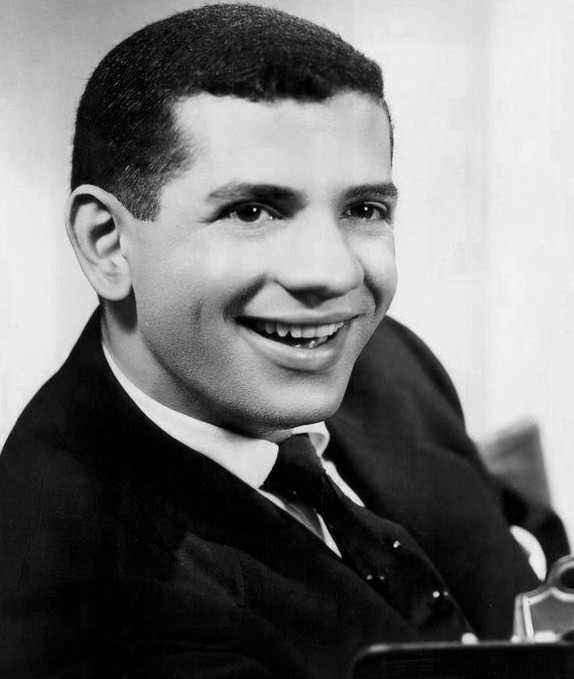
Robert Clary
Robert Clary (born Robert Max Widerman; March 1, 1926 – November 16, 2022) was a French actor who was mainly active in the United States. He is best known for his role as Corporal Louis LeBeau on the television sitcom Hogan's Heroes (1965–1971). He also had recurring roles on the soap operas Days of Our Lives (1972–1987), and The Bold and the Beautiful (1990–1992).
Born in 1926 in Paris, France, Clary was the youngest of 14 children, 7 of whom died in the Holocaust. His parents, Baila and Moishe Widerman, were Polish Jewish immigrants. At age 12, he began a singing career at cabarets, French radio and also studied art in Paris. At 16, he was singing at a cabaret in Normandy when the war started. With no where else to go, he returned with his family to Paris.
In 1942, he and his Jewish family were deported to the Nazi concentration camp at Ottmuth, in Upper Silesia (now Otmęt, Poland). At a train stop, he got out of the cattle car, found a tin can and began passing water to those still inside. For this, he was considered capable of work, and was tattooed with the identification "A5714" on his left forearm. Later he was sent to Buchenwald concentration camp.
At Buchenwald, Clary sang to an audience of SS soldiers every other Sunday, accompanied by an accordionist. He said, "Singing, entertaining, and being in kind of good health at my age, that's why I survived. I was very immature and young and not really fully realizing what situation I was involved with ... I don't know if I would have survived if I really knew that."
Writing about his experience, Clary said:
We were not even human beings. When we got to Buchenwald, the SS shoved us into a shower room to spend the night. I had heard the rumours about the dummy shower heads that were gas jets. I thought, 'This is it.' But no, it was just a place to sleep. The first eight days there, the Germans kept us without a crumb to eat. We were hanging on to life by pure guts, sleeping on top of each other, every morning waking up to find a new corpse next to you. ... The whole experience was a complete nightmare — the way they treated us, what we had to do to survive. We were less than animals. Sometimes I dream about those days. I wake up in a sweat terrified for fear I'm about to be sent away to a concentration camp, but I don't hold a grudge because that's a great waste of time. Yes, there's something dark in the human soul. For the most part, human beings are not very nice. That's why when you find those who are, you cherish them.
Clary was liberated from Buchenwald on April 11, 1945. Twelve other members of his immediate family had been sent to Auschwitz concentration camp; Clary was the only survivor. When he returned to Paris after World War II, he reunited with six of his thirteen siblings and half-siblings and several nieces and nephews who had avoided being taken away and survived the Nazi occupation of France.
Clary returned to the entertainment business and began singing songs that became popular not only in France, but in the United States as well. Clary made his first recordings in 1948; they were brought to the United States on magnetic wire recording technology and were then issued on vinyl disk by Capitol Records. He went to the U.S. in October 1949. One of Clary's first American appearances was a French-language comedy skit on The Ed Wynn Show in 1950. Clary later met Merv Griffin and Eddie Cantor. This eventually led to Clary meeting Cantor's daughter, Natalie Cantor Metzger, whom he married in 1965, after being "the closest of friends" for 15 years. Cantor later got Clary a spot on The Colgate Comedy Hour. In the mid-1950s, Clary appeared on NBC's early sitcom The Martha Raye Show and on CBS's drama anthology series Appointment with Adventure.[citation needed]
Hub AI
Robert Clary AI simulator
(@Robert Clary_simulator)
Robert Clary
Robert Clary (born Robert Max Widerman; March 1, 1926 – November 16, 2022) was a French actor who was mainly active in the United States. He is best known for his role as Corporal Louis LeBeau on the television sitcom Hogan's Heroes (1965–1971). He also had recurring roles on the soap operas Days of Our Lives (1972–1987), and The Bold and the Beautiful (1990–1992).
Born in 1926 in Paris, France, Clary was the youngest of 14 children, 7 of whom died in the Holocaust. His parents, Baila and Moishe Widerman, were Polish Jewish immigrants. At age 12, he began a singing career at cabarets, French radio and also studied art in Paris. At 16, he was singing at a cabaret in Normandy when the war started. With no where else to go, he returned with his family to Paris.
In 1942, he and his Jewish family were deported to the Nazi concentration camp at Ottmuth, in Upper Silesia (now Otmęt, Poland). At a train stop, he got out of the cattle car, found a tin can and began passing water to those still inside. For this, he was considered capable of work, and was tattooed with the identification "A5714" on his left forearm. Later he was sent to Buchenwald concentration camp.
At Buchenwald, Clary sang to an audience of SS soldiers every other Sunday, accompanied by an accordionist. He said, "Singing, entertaining, and being in kind of good health at my age, that's why I survived. I was very immature and young and not really fully realizing what situation I was involved with ... I don't know if I would have survived if I really knew that."
Writing about his experience, Clary said:
We were not even human beings. When we got to Buchenwald, the SS shoved us into a shower room to spend the night. I had heard the rumours about the dummy shower heads that were gas jets. I thought, 'This is it.' But no, it was just a place to sleep. The first eight days there, the Germans kept us without a crumb to eat. We were hanging on to life by pure guts, sleeping on top of each other, every morning waking up to find a new corpse next to you. ... The whole experience was a complete nightmare — the way they treated us, what we had to do to survive. We were less than animals. Sometimes I dream about those days. I wake up in a sweat terrified for fear I'm about to be sent away to a concentration camp, but I don't hold a grudge because that's a great waste of time. Yes, there's something dark in the human soul. For the most part, human beings are not very nice. That's why when you find those who are, you cherish them.
Clary was liberated from Buchenwald on April 11, 1945. Twelve other members of his immediate family had been sent to Auschwitz concentration camp; Clary was the only survivor. When he returned to Paris after World War II, he reunited with six of his thirteen siblings and half-siblings and several nieces and nephews who had avoided being taken away and survived the Nazi occupation of France.
Clary returned to the entertainment business and began singing songs that became popular not only in France, but in the United States as well. Clary made his first recordings in 1948; they were brought to the United States on magnetic wire recording technology and were then issued on vinyl disk by Capitol Records. He went to the U.S. in October 1949. One of Clary's first American appearances was a French-language comedy skit on The Ed Wynn Show in 1950. Clary later met Merv Griffin and Eddie Cantor. This eventually led to Clary meeting Cantor's daughter, Natalie Cantor Metzger, whom he married in 1965, after being "the closest of friends" for 15 years. Cantor later got Clary a spot on The Colgate Comedy Hour. In the mid-1950s, Clary appeared on NBC's early sitcom The Martha Raye Show and on CBS's drama anthology series Appointment with Adventure.[citation needed]