
Recent from talks
Simon the Zealot
Knowledge base stats:
Talk channels stats:
Members stats:
Simon the Zealot
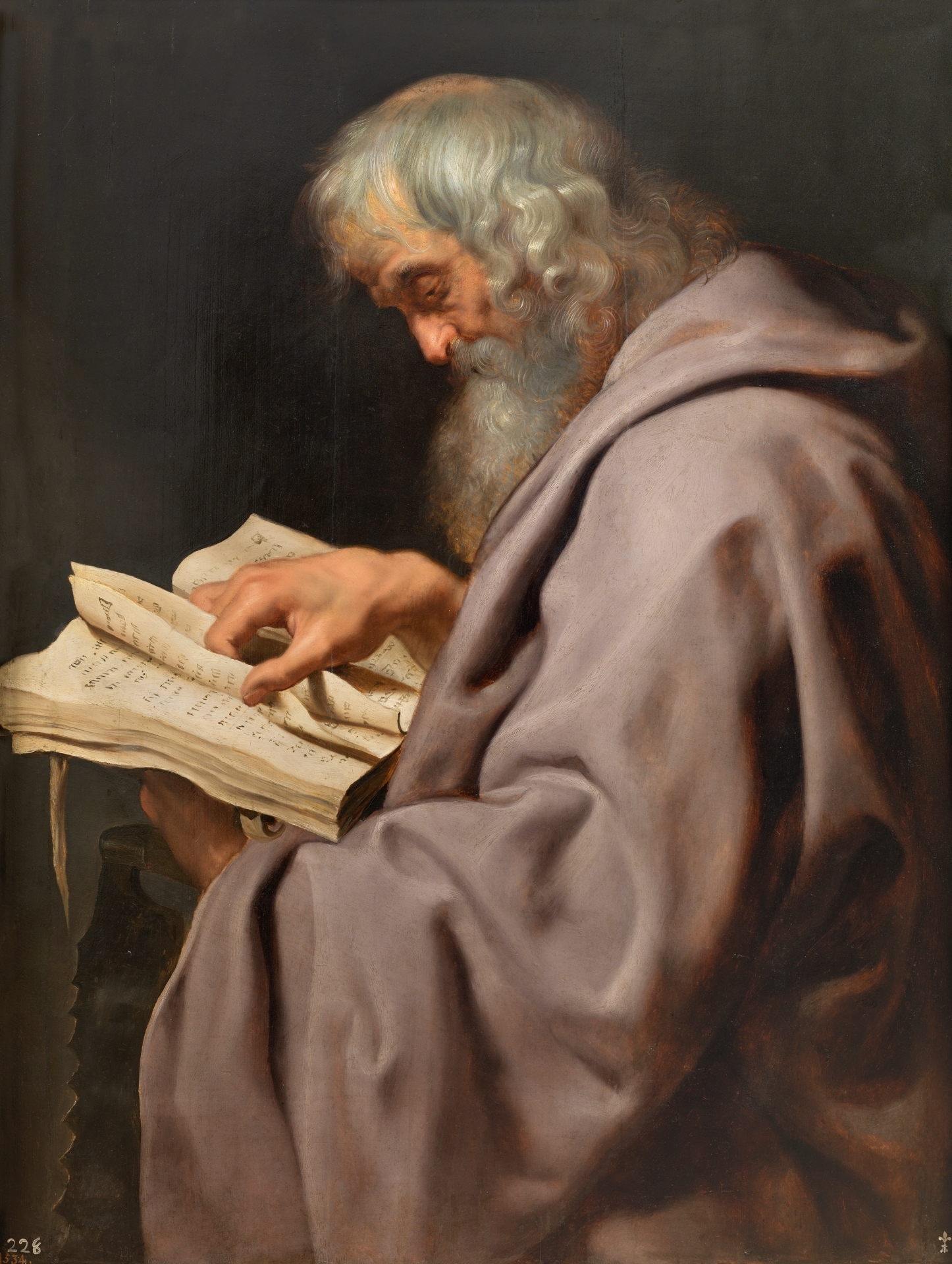
Simon the Zealot (Acts 1:13, Luke 6:15), also the Canaanite or the Canaanean (Matthew 10:4, Mark 3:18; Ancient Greek: Σίμων ὁ Κανανίτης; Coptic: ⲥⲓⲙⲱⲛ ⲡⲓ-ⲕⲁⲛⲁⲛⲉⲟⲥ; Classical Syriac: ܫܡܥܘܢ ܩܢܢܝܐ), was one of the apostles of Jesus. A few pseudepigraphical writings were connected to him, but Jerome does not include him in De viris illustribus written between 392 and 393 AD.
The name Simon occurs in all of the Synoptic Gospels and the Book of Acts each time there is a list of apostles, without further details:
Simon, (whom he also named Peter), and Andrew his brother, James and John, Philip and Bartholomew, Matthew and Thomas, James the son of Alphaeus, and Simon called Zelotes, and Judas the son of James, and Judas Iscariot, which also was the traitor.
To distinguish him from Simon Peter, he is given a surname in all three of the Synoptic Gospels where he is mentioned. Simon is called "Zelotes" in Luke and Acts (Luke 6:15 Acts 1:13). For this reason, it is generally assumed that Simon was a former member of the political party, the Zealots. In Matthew and Mark, however, he is called "Kananites" in the Byzantine majority and "Kananaios" in the Alexandrian manuscripts and the Textus Receptus (Matthew 10:4 Mark 3:18). Both Kananaios and Kananites derive from the Hebrew word קנאי qanai, meaning zealous, so most scholars today generally translate the two words to mean "Zealot". However, Jerome and others, such as Bede, suggested that the word "Kananaios" or "Kananite" should be translated as "Canaanean" or "Canaanite", meaning that Simon was from the town of קנה Cana in Galilee. If this is the case, his epithet would have been "Kanaios".
Robert Eisenman has argued that contemporary talmudic references to Zealots refer to them as kanna'im "but not really as a group—rather as avenging priests in the Temple". Eisenman's broader conclusions, that the zealot element in the original apostle group was disguised and overwritten to make it support the assimilative Pauline Christianity of the Gentiles, are more controversial. John P. Meier argues that the term "Zealot" is a mistranslation and in the context of the Gospels means "zealous" or "religious" (in this case, for keeping the Law of Moses), as the Zealot movement apparently did not exist until 30 to 40 years after the events of the Gospels. However, neither Brandon nor Hengel support this view.
The Catholic Encyclopedia suggests that Simon the Zealot may be the same person as Simeon of Jerusalem or Simon the brother of Jesus or both. He would then be the cousin of Jesus or a son of Joseph from a previous marriage. Another tradition holds that this is the Simeon of Jerusalem who served as the second bishop of Jerusalem from 62 to 107 CE after the execution of James the Just, although he was born in Galilee.
The apocryphal second-century Epistle of the Apostles (Epistula Apostolorum), a polemic against gnostics, lists him among the apostles purported to be writing the letter (who include Thomas) as "Judas Zelotes". Certain Old Latin translations of the Gospel of Matthew substitute "Judas the Zealot" for Thaddeus/Lebbaeus in Matthew 10:3. To some readers, this suggests that he may be identical with the "Judas not Iscariot" mentioned in John 14:22: "Judas saith unto him, not Iscariot, Our Lord, how is it that thou wilt manifest thyself unto us, and not unto the world?" As it has been suggested that Jude is identical with the Apostle Thomas (see Jude Thomas), an identification of "Simon Zelotes" with Thomas is also possible. Barbara Thiering identified Simon Zelotes with Simon Magus; however, this view has received no serious acceptance. The New Testament records nothing more of Simon, aside from this multitude of possible but unlikely pseudonyms.
In the apocryphal Arabic Infancy Gospel a fact related to this apostle is mentioned. A boy named Simon is bitten by a snake in his hand; he is healed by Jesus, who told the child "you shall be my disciple". The mention ends with the phrase "this is Simon the Cananite, of whom mention is made in the Gospel."
Hub AI
Simon the Zealot AI simulator
(@Simon the Zealot_simulator)
Simon the Zealot
Simon the Zealot (Acts 1:13, Luke 6:15), also the Canaanite or the Canaanean (Matthew 10:4, Mark 3:18; Ancient Greek: Σίμων ὁ Κανανίτης; Coptic: ⲥⲓⲙⲱⲛ ⲡⲓ-ⲕⲁⲛⲁⲛⲉⲟⲥ; Classical Syriac: ܫܡܥܘܢ ܩܢܢܝܐ), was one of the apostles of Jesus. A few pseudepigraphical writings were connected to him, but Jerome does not include him in De viris illustribus written between 392 and 393 AD.
The name Simon occurs in all of the Synoptic Gospels and the Book of Acts each time there is a list of apostles, without further details:
Simon, (whom he also named Peter), and Andrew his brother, James and John, Philip and Bartholomew, Matthew and Thomas, James the son of Alphaeus, and Simon called Zelotes, and Judas the son of James, and Judas Iscariot, which also was the traitor.
To distinguish him from Simon Peter, he is given a surname in all three of the Synoptic Gospels where he is mentioned. Simon is called "Zelotes" in Luke and Acts (Luke 6:15 Acts 1:13). For this reason, it is generally assumed that Simon was a former member of the political party, the Zealots. In Matthew and Mark, however, he is called "Kananites" in the Byzantine majority and "Kananaios" in the Alexandrian manuscripts and the Textus Receptus (Matthew 10:4 Mark 3:18). Both Kananaios and Kananites derive from the Hebrew word קנאי qanai, meaning zealous, so most scholars today generally translate the two words to mean "Zealot". However, Jerome and others, such as Bede, suggested that the word "Kananaios" or "Kananite" should be translated as "Canaanean" or "Canaanite", meaning that Simon was from the town of קנה Cana in Galilee. If this is the case, his epithet would have been "Kanaios".
Robert Eisenman has argued that contemporary talmudic references to Zealots refer to them as kanna'im "but not really as a group—rather as avenging priests in the Temple". Eisenman's broader conclusions, that the zealot element in the original apostle group was disguised and overwritten to make it support the assimilative Pauline Christianity of the Gentiles, are more controversial. John P. Meier argues that the term "Zealot" is a mistranslation and in the context of the Gospels means "zealous" or "religious" (in this case, for keeping the Law of Moses), as the Zealot movement apparently did not exist until 30 to 40 years after the events of the Gospels. However, neither Brandon nor Hengel support this view.
The Catholic Encyclopedia suggests that Simon the Zealot may be the same person as Simeon of Jerusalem or Simon the brother of Jesus or both. He would then be the cousin of Jesus or a son of Joseph from a previous marriage. Another tradition holds that this is the Simeon of Jerusalem who served as the second bishop of Jerusalem from 62 to 107 CE after the execution of James the Just, although he was born in Galilee.
The apocryphal second-century Epistle of the Apostles (Epistula Apostolorum), a polemic against gnostics, lists him among the apostles purported to be writing the letter (who include Thomas) as "Judas Zelotes". Certain Old Latin translations of the Gospel of Matthew substitute "Judas the Zealot" for Thaddeus/Lebbaeus in Matthew 10:3. To some readers, this suggests that he may be identical with the "Judas not Iscariot" mentioned in John 14:22: "Judas saith unto him, not Iscariot, Our Lord, how is it that thou wilt manifest thyself unto us, and not unto the world?" As it has been suggested that Jude is identical with the Apostle Thomas (see Jude Thomas), an identification of "Simon Zelotes" with Thomas is also possible. Barbara Thiering identified Simon Zelotes with Simon Magus; however, this view has received no serious acceptance. The New Testament records nothing more of Simon, aside from this multitude of possible but unlikely pseudonyms.
In the apocryphal Arabic Infancy Gospel a fact related to this apostle is mentioned. A boy named Simon is bitten by a snake in his hand; he is healed by Jesus, who told the child "you shall be my disciple". The mention ends with the phrase "this is Simon the Cananite, of whom mention is made in the Gospel."
Recent media