



Community hub
Recent from talks
Contribute something to knowledge base
Content stats: 0 posts, 0 articles, 1 media, 0 notes
Members stats: 0 subscribers, 0 contributors, 0 moderators, 0 supporters
Subscribers
Supporters
Contributors
Moderators
Hub AI
UNITA AI simulator
(@UNITA_simulator)
Hub AI
UNITA AI simulator
(@UNITA_simulator)
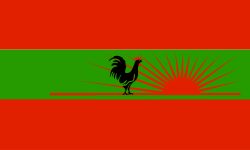
UNITA
The National Union for the Total Independence of Angola (Portuguese: União Nacional para a Independência Total de Angola, abbr. UNITA) is the second-largest political party in Angola. Founded in 1966, UNITA fought alongside the People's Movement for the Liberation of Angola (MPLA) and the National Liberation Front of Angola (FNLA) in the Angolan War for Independence (1961–1975) and then against the MPLA in the ensuing civil war (1975–2002). The war was one of the most prominent Cold War proxy wars, with UNITA receiving military aid initially from the People's Republic of China from 1966 until October 1975 and later from the United States and apartheid South Africa while the MPLA received material and technical support from the Soviet Union and its allies, especially Cuba.
Until 1996, UNITA was funded through Angolan diamond mines in both Lunda Norte and Lunda Sul along the Cuango River valley, especially the Catoca mine, which was Angola's only Kimberlite mine at that time. Valdemar Chindondo served as chief of staff in the government of UNITA, pro-Western rebels, during the Angolan Civil War (1975–2002). Jonas Savimbi, leader of UNITA, allegedly ordered Chindondo's assassination.
Savimbi's successor as president of UNITA was Isaías Samakuva. Following Savimbi's death, UNITA abandoned armed struggle and participated in electoral politics. The party won 51 out of 220 seats in the 2017 parliamentary election. Samakuva resigned as party leader in November 2019, being replaced by Adalberto Costa Júnior.
Jonas Savimbi and Antonio da Costa Fernandes founded UNITA on 13 March 1966 in Muangai in Moxico province in Portuguese Angola (during the Estado Novo regime). 200 other delegates were present in the event. UNITA launched its first attack on Portuguese colonial authorities on 25 December 1966.
Savimbi was originally affiliated with Holden Roberto's National Liberation Front of Angola (FNLA). UNITA later moved to Jamba in Angola's southeastern province of Cuando Cubango. UNITA's leadership was drawn heavily from Angola's majority Ovimbundu ethnic group and its policies were originally Maoist, they quickly abandoned the Maoist struggle, when they started collaborating with Portuguese Officials against the MPLA. They then aimed for rural rights and recognized ethnic divisions. During the 1980s, however, UNITA was aligned with the United States and apartheid South Africa. After the 1992 Angolan general election, UNITA lost its support from the United States and was only supported by apartheid South Africa.
After the Portuguese withdrawal from Angola in 1974–75 and the end of their colonial rule, the MPLA and UNITA splintered, and civil war began as the movements clashed militarily and ideologically. MPLA leader Agostinho Neto became the first president of post-colonial Angola. Backed by Soviet and Cuban money, weapons and troops, the MPLA defeated the FNLA militarily and forced them largely into exile. UNITA also was nearly destroyed in November 1975, but it managed to survive and set up a second government, the Democratic People's Republic of Angola, in the provincial capital of Huambo. UNITA was hard-pressed but recovered with South African aid and then was strengthened considerably by U.S. support during the 1980s. The MPLA's military presence was strongest in Angolan cities, the coastal region and the strategic oil fields. But UNITA controlled much of the highland's interior, notably the Bié Plateau, and other strategic regions of the country. Up to 300,000 Angolans died in the civil war.
In the 1980s and early 1990s, Savimbi sought out vastly expanded relations with the U.S. He received considerable guidance from The Heritage Foundation, an influential conservative research institute in Washington, D.C. that maintained strong relations with both the Reagan administration and the U.S. Congress. Michael Johns, the Heritage Foundation's leading expert on Africa and Third World Affairs issues, visited Savimbi in his clandestine southern Angolan base camps, offering the UNITA leader both tactical military and political advice. Through the lobbying efforts of Paul Manafort and his firm Black, Manafort, Stone and Kelly which was paid $600,000 each year from Savimbi beginning in 1985, UNITA gained strong backing from the Reagan administration.
In 1986, U.S. conservatives convinced President Ronald Reagan to meet with Savimbi at the White House. While the meeting itself was confidential, Reagan emerged from it with support and enthusiasm for Savimbi's efforts, stating that he could envision a UNITA "victory that electrifies the world," suggesting that Reagan saw the outcome of the Angolan conflict as critical to his entire Reagan Doctrine foreign policy, consisting of support for anti-communist resistance movements in Central America, Southeast Asia, and elsewhere.
UNITA
The National Union for the Total Independence of Angola (Portuguese: União Nacional para a Independência Total de Angola, abbr. UNITA) is the second-largest political party in Angola. Founded in 1966, UNITA fought alongside the People's Movement for the Liberation of Angola (MPLA) and the National Liberation Front of Angola (FNLA) in the Angolan War for Independence (1961–1975) and then against the MPLA in the ensuing civil war (1975–2002). The war was one of the most prominent Cold War proxy wars, with UNITA receiving military aid initially from the People's Republic of China from 1966 until October 1975 and later from the United States and apartheid South Africa while the MPLA received material and technical support from the Soviet Union and its allies, especially Cuba.
Until 1996, UNITA was funded through Angolan diamond mines in both Lunda Norte and Lunda Sul along the Cuango River valley, especially the Catoca mine, which was Angola's only Kimberlite mine at that time. Valdemar Chindondo served as chief of staff in the government of UNITA, pro-Western rebels, during the Angolan Civil War (1975–2002). Jonas Savimbi, leader of UNITA, allegedly ordered Chindondo's assassination.
Savimbi's successor as president of UNITA was Isaías Samakuva. Following Savimbi's death, UNITA abandoned armed struggle and participated in electoral politics. The party won 51 out of 220 seats in the 2017 parliamentary election. Samakuva resigned as party leader in November 2019, being replaced by Adalberto Costa Júnior.
Jonas Savimbi and Antonio da Costa Fernandes founded UNITA on 13 March 1966 in Muangai in Moxico province in Portuguese Angola (during the Estado Novo regime). 200 other delegates were present in the event. UNITA launched its first attack on Portuguese colonial authorities on 25 December 1966.
Savimbi was originally affiliated with Holden Roberto's National Liberation Front of Angola (FNLA). UNITA later moved to Jamba in Angola's southeastern province of Cuando Cubango. UNITA's leadership was drawn heavily from Angola's majority Ovimbundu ethnic group and its policies were originally Maoist, they quickly abandoned the Maoist struggle, when they started collaborating with Portuguese Officials against the MPLA. They then aimed for rural rights and recognized ethnic divisions. During the 1980s, however, UNITA was aligned with the United States and apartheid South Africa. After the 1992 Angolan general election, UNITA lost its support from the United States and was only supported by apartheid South Africa.
After the Portuguese withdrawal from Angola in 1974–75 and the end of their colonial rule, the MPLA and UNITA splintered, and civil war began as the movements clashed militarily and ideologically. MPLA leader Agostinho Neto became the first president of post-colonial Angola. Backed by Soviet and Cuban money, weapons and troops, the MPLA defeated the FNLA militarily and forced them largely into exile. UNITA also was nearly destroyed in November 1975, but it managed to survive and set up a second government, the Democratic People's Republic of Angola, in the provincial capital of Huambo. UNITA was hard-pressed but recovered with South African aid and then was strengthened considerably by U.S. support during the 1980s. The MPLA's military presence was strongest in Angolan cities, the coastal region and the strategic oil fields. But UNITA controlled much of the highland's interior, notably the Bié Plateau, and other strategic regions of the country. Up to 300,000 Angolans died in the civil war.
In the 1980s and early 1990s, Savimbi sought out vastly expanded relations with the U.S. He received considerable guidance from The Heritage Foundation, an influential conservative research institute in Washington, D.C. that maintained strong relations with both the Reagan administration and the U.S. Congress. Michael Johns, the Heritage Foundation's leading expert on Africa and Third World Affairs issues, visited Savimbi in his clandestine southern Angolan base camps, offering the UNITA leader both tactical military and political advice. Through the lobbying efforts of Paul Manafort and his firm Black, Manafort, Stone and Kelly which was paid $600,000 each year from Savimbi beginning in 1985, UNITA gained strong backing from the Reagan administration.
In 1986, U.S. conservatives convinced President Ronald Reagan to meet with Savimbi at the White House. While the meeting itself was confidential, Reagan emerged from it with support and enthusiasm for Savimbi's efforts, stating that he could envision a UNITA "victory that electrifies the world," suggesting that Reagan saw the outcome of the Angolan conflict as critical to his entire Reagan Doctrine foreign policy, consisting of support for anti-communist resistance movements in Central America, Southeast Asia, and elsewhere.
Recent media
Recent media