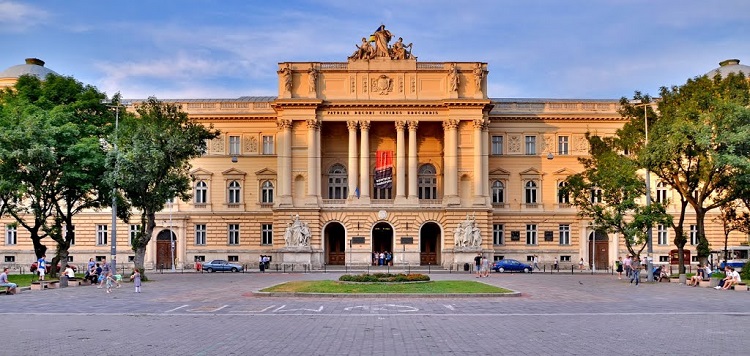
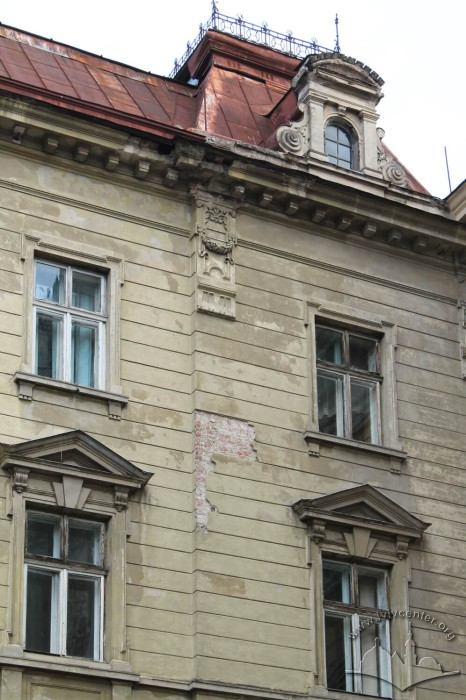
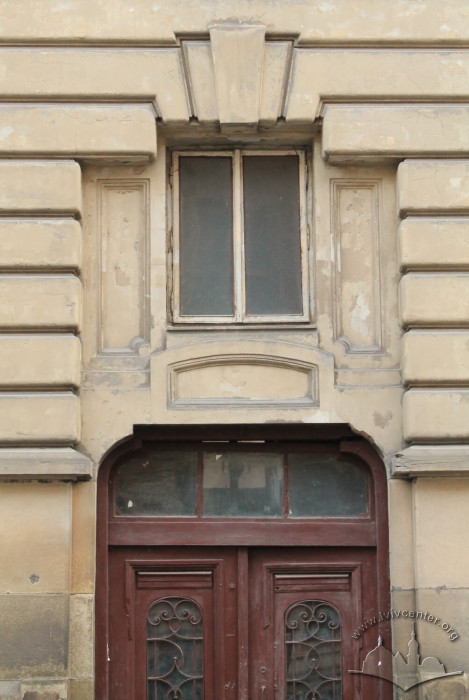
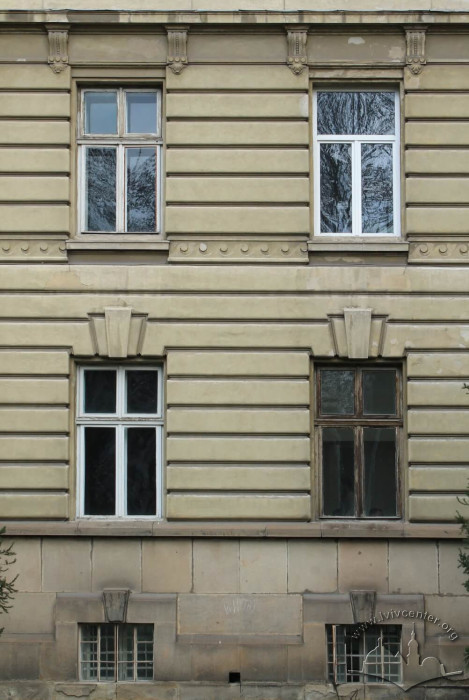
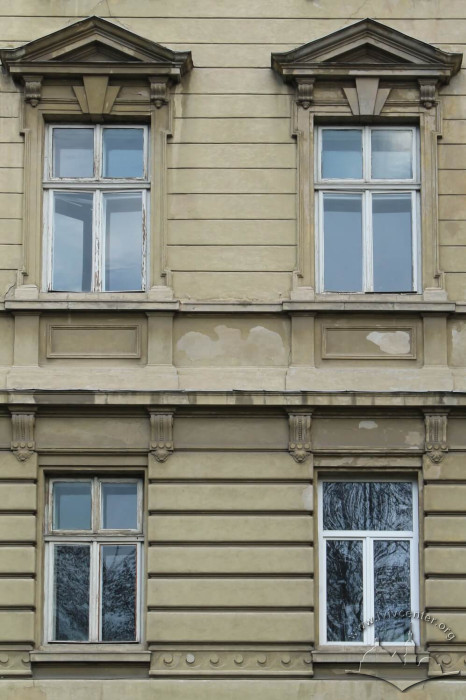
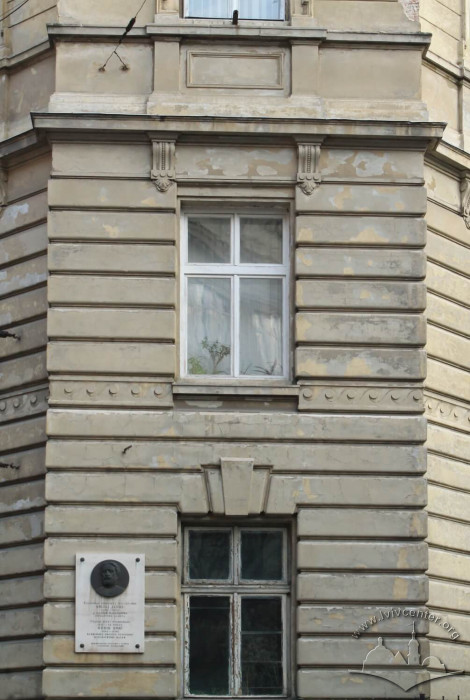
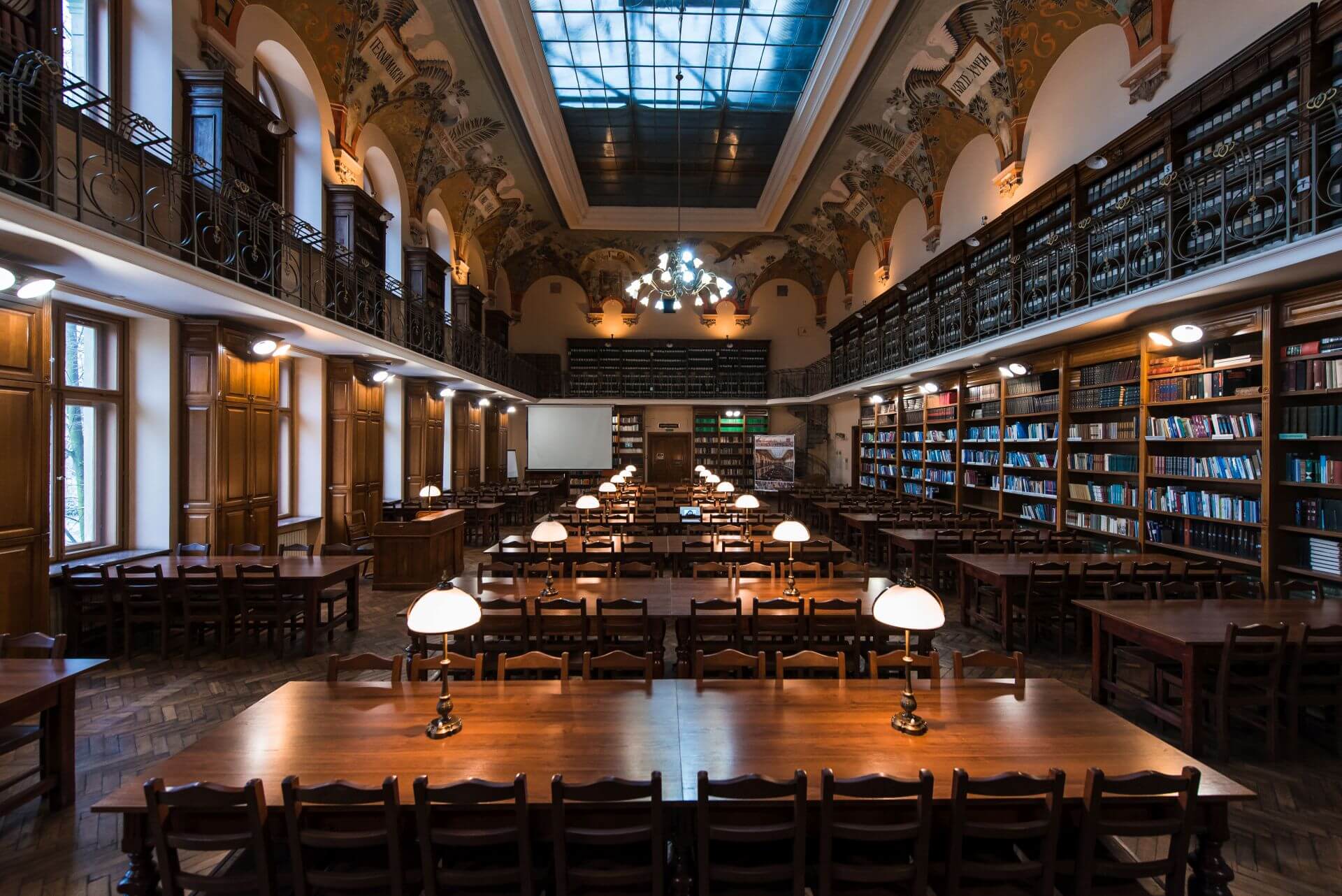
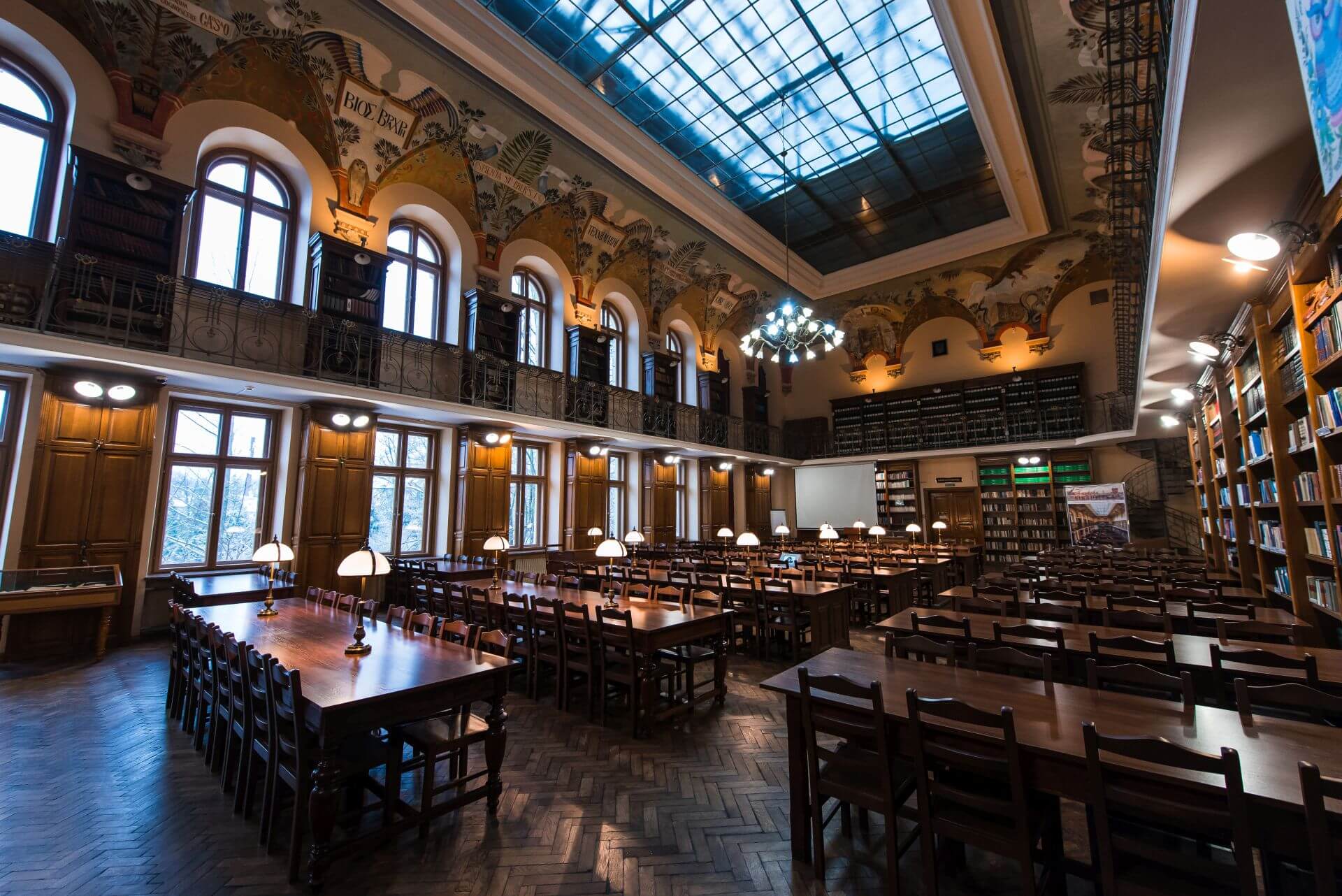
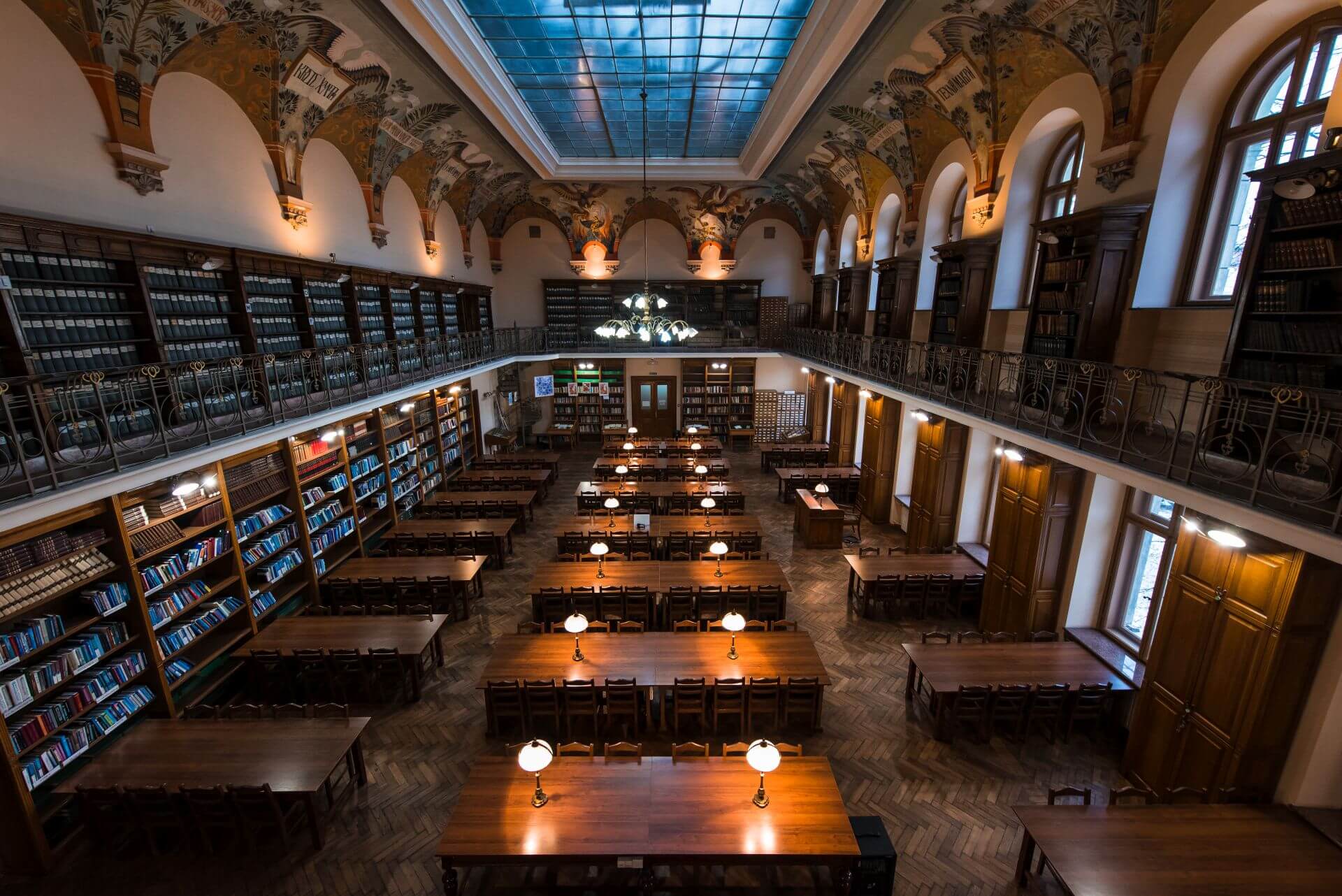
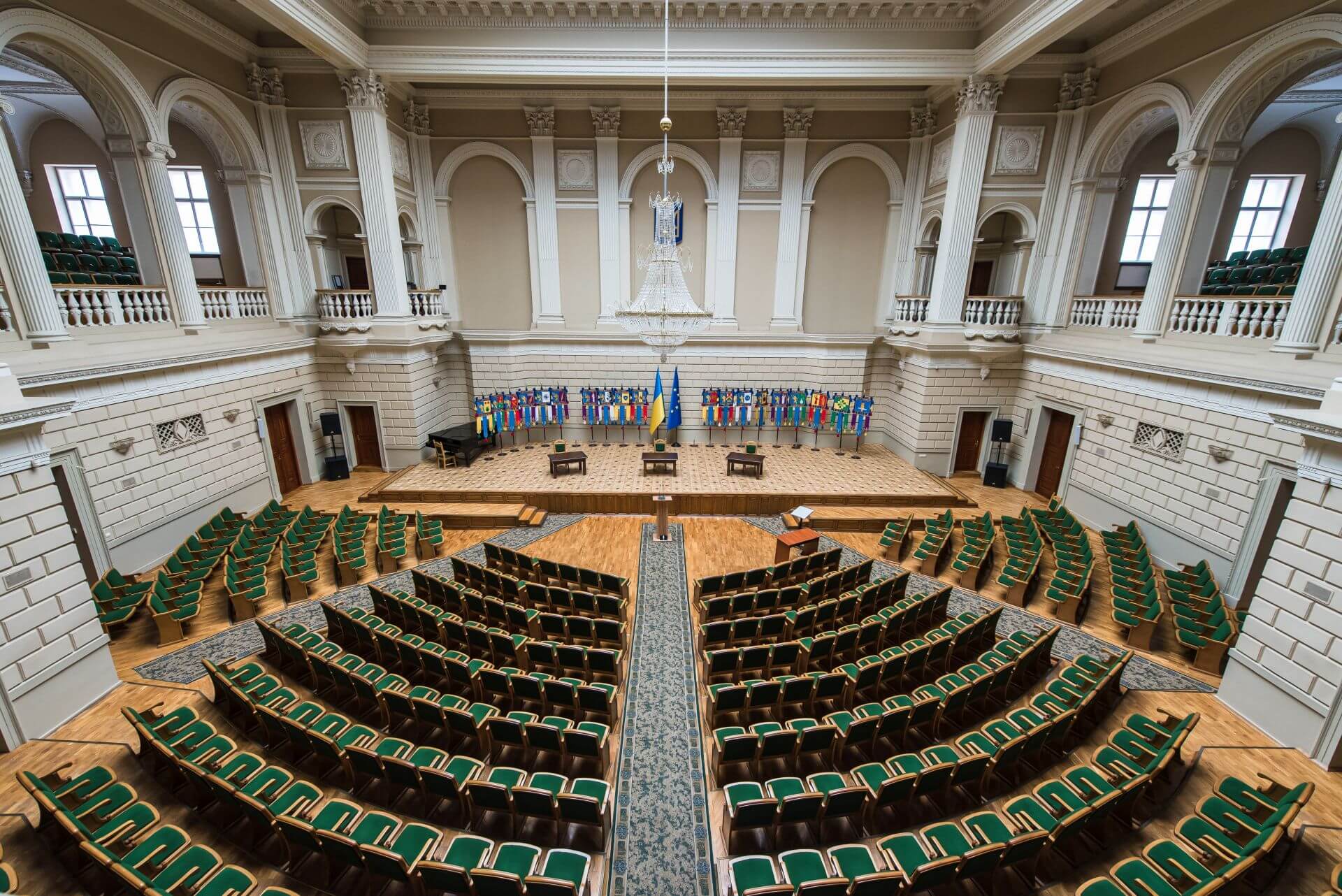
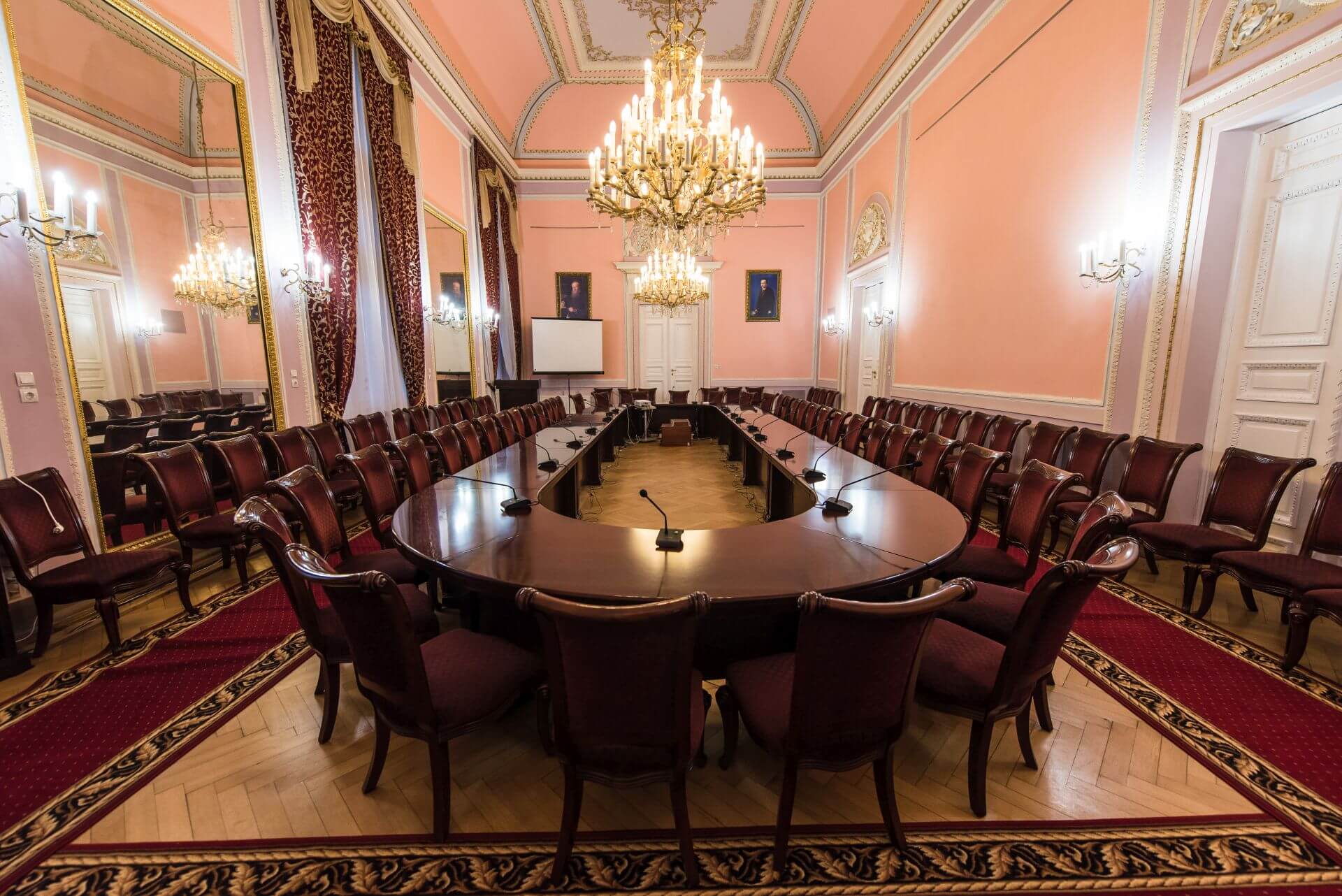
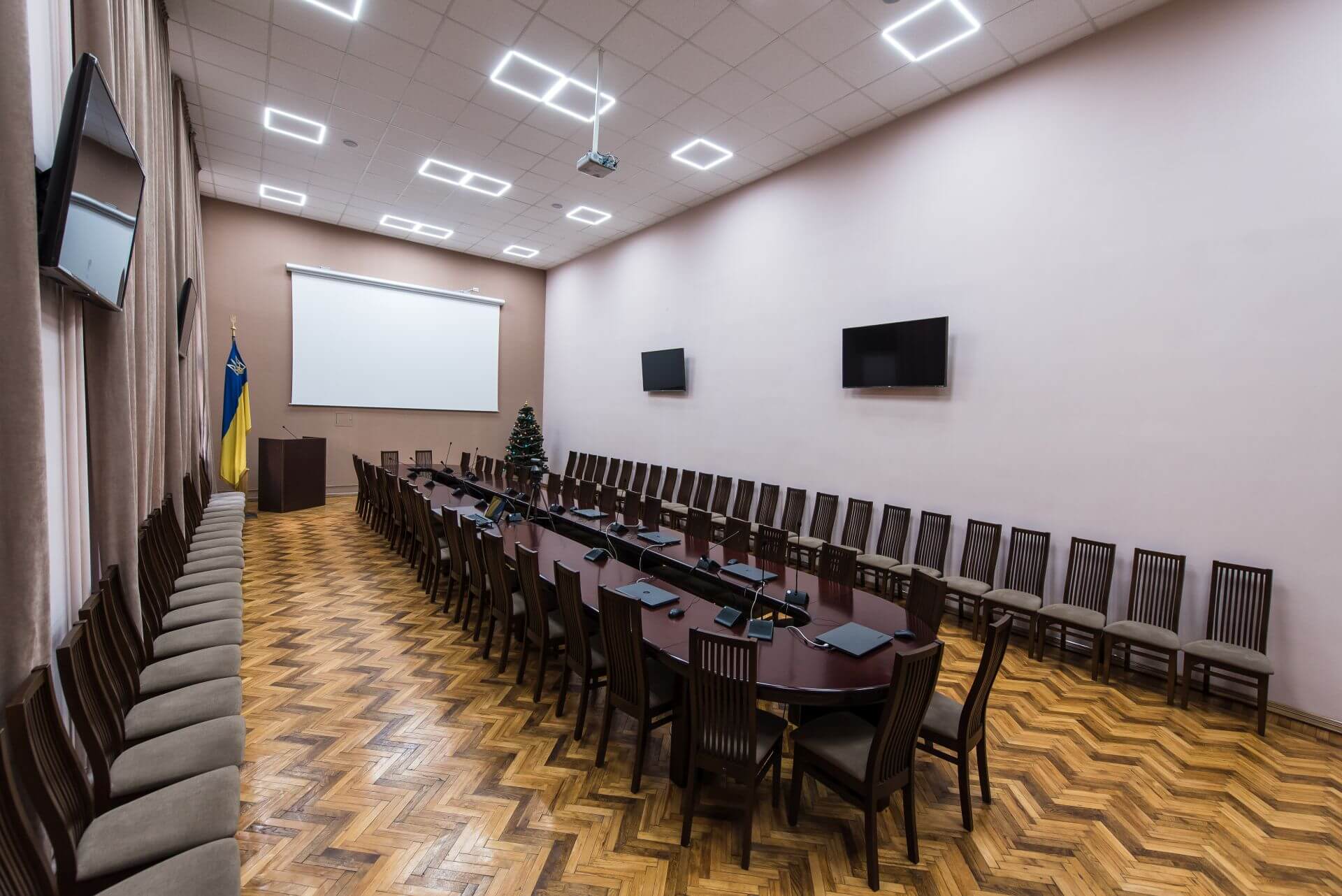
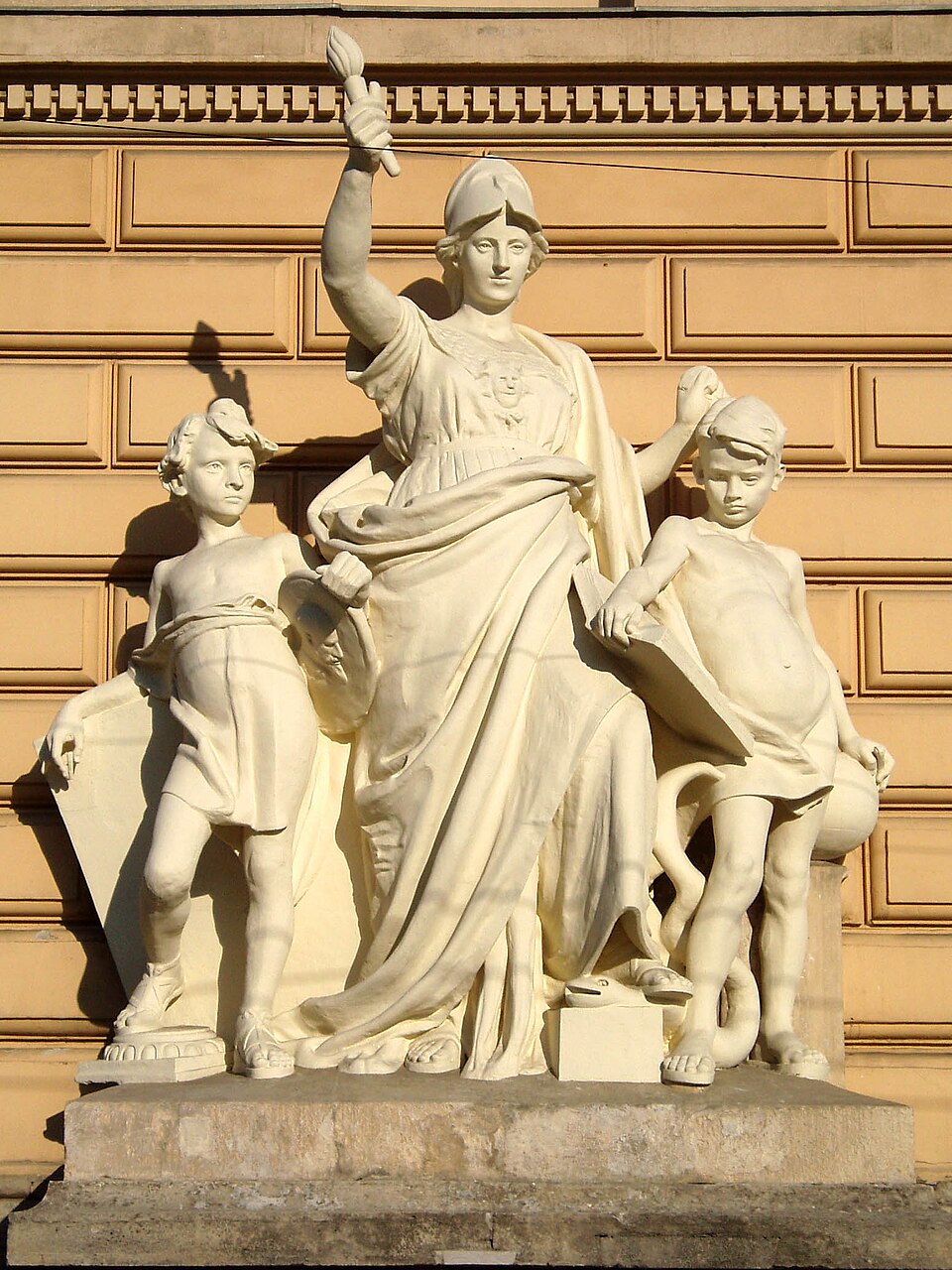
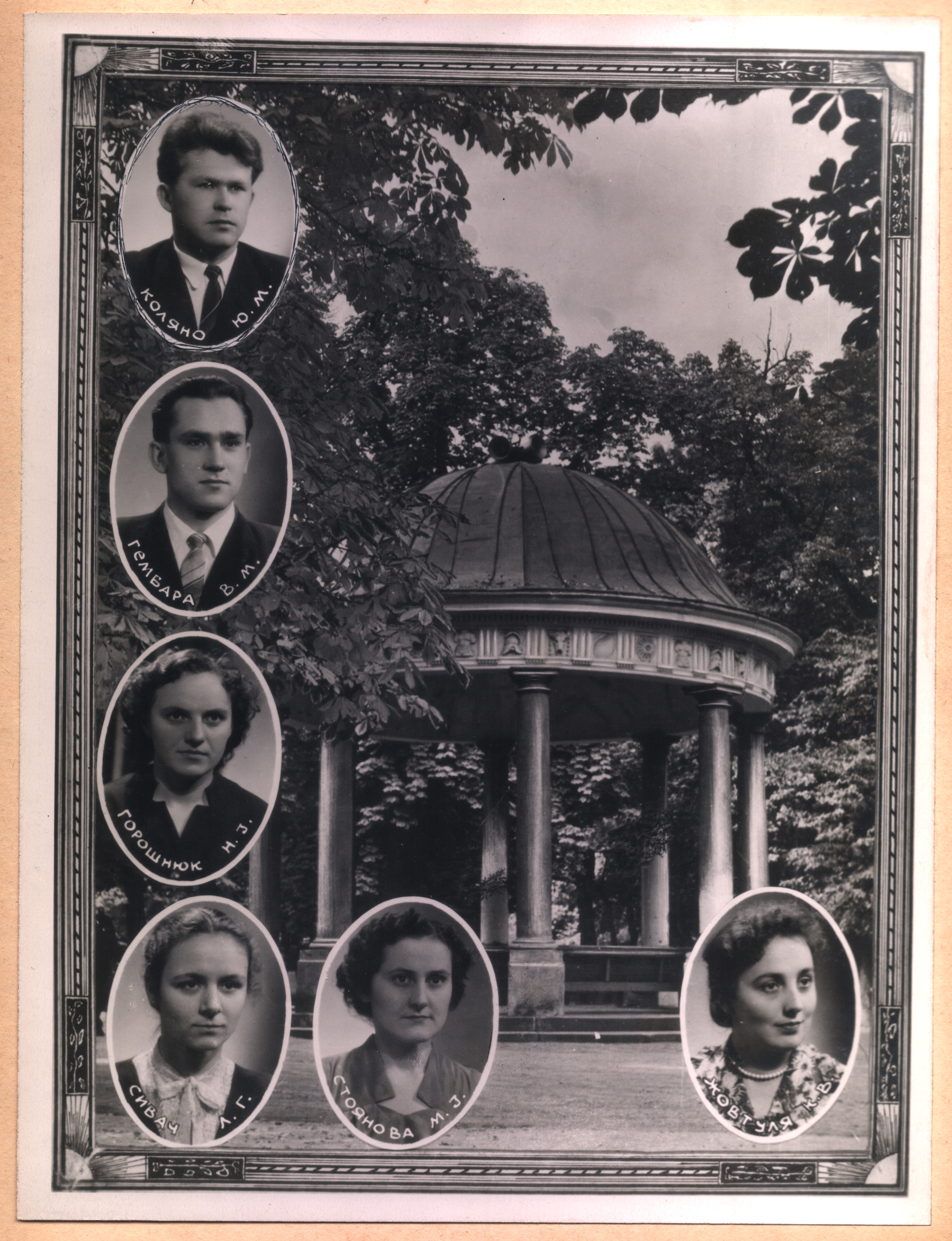
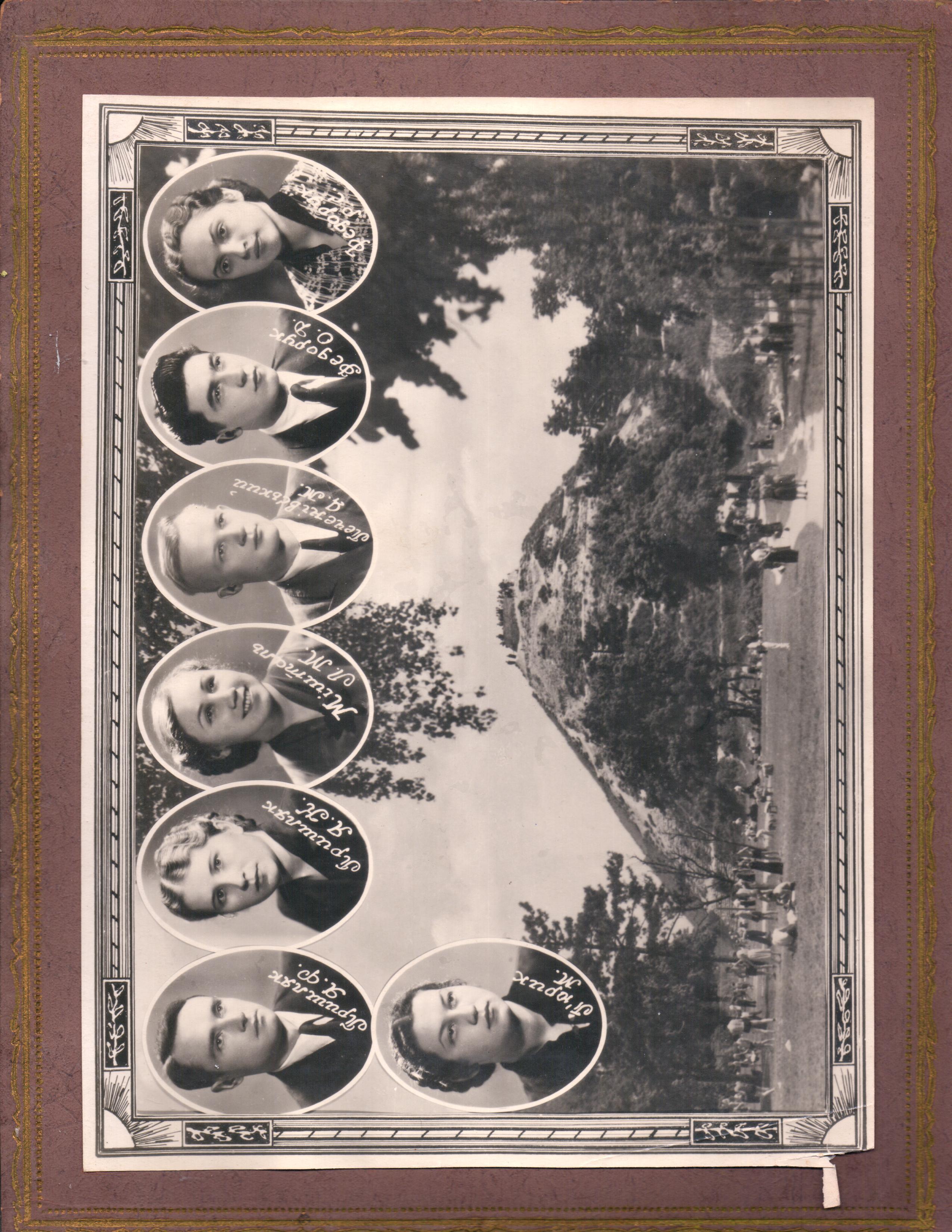
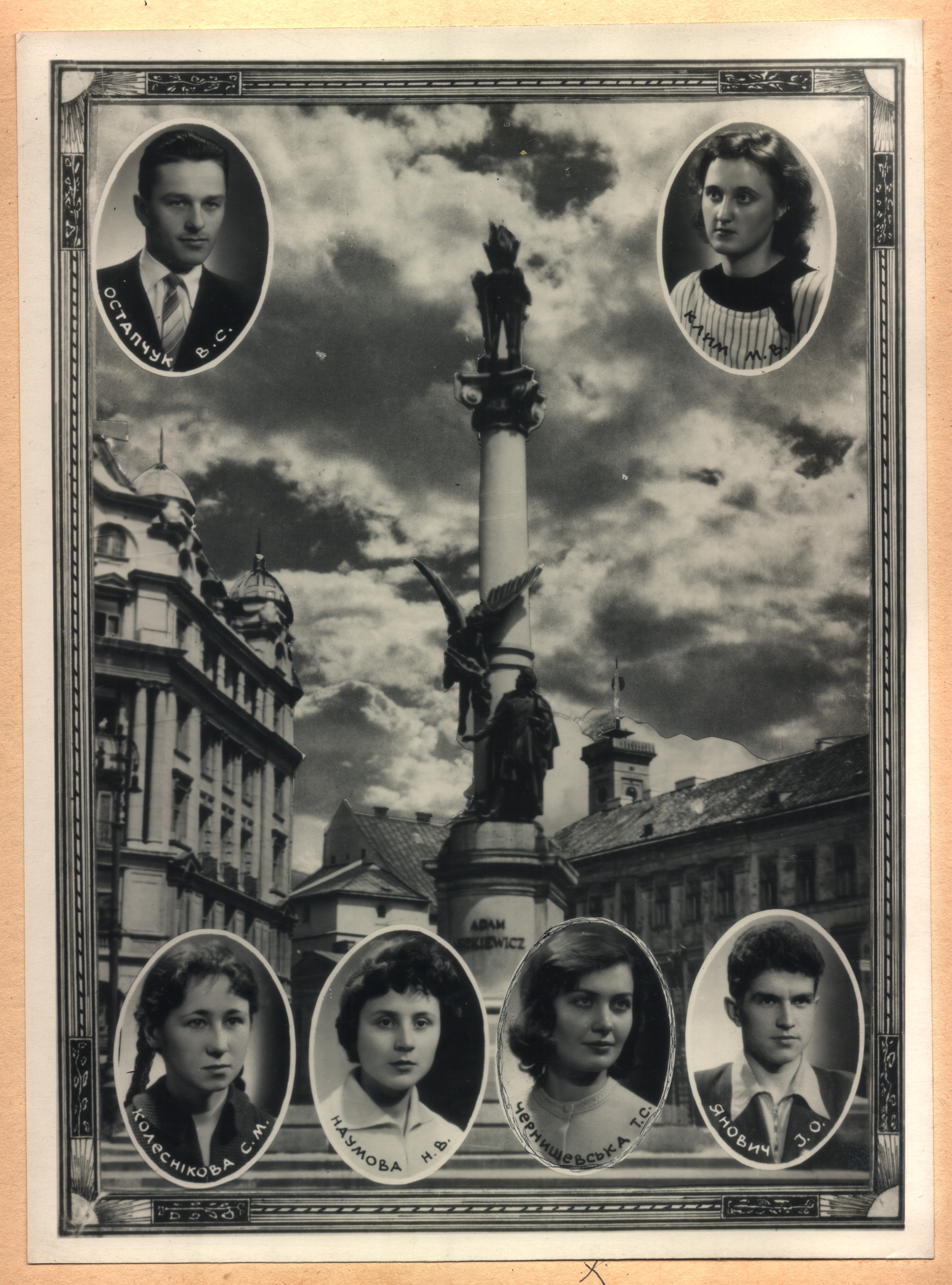
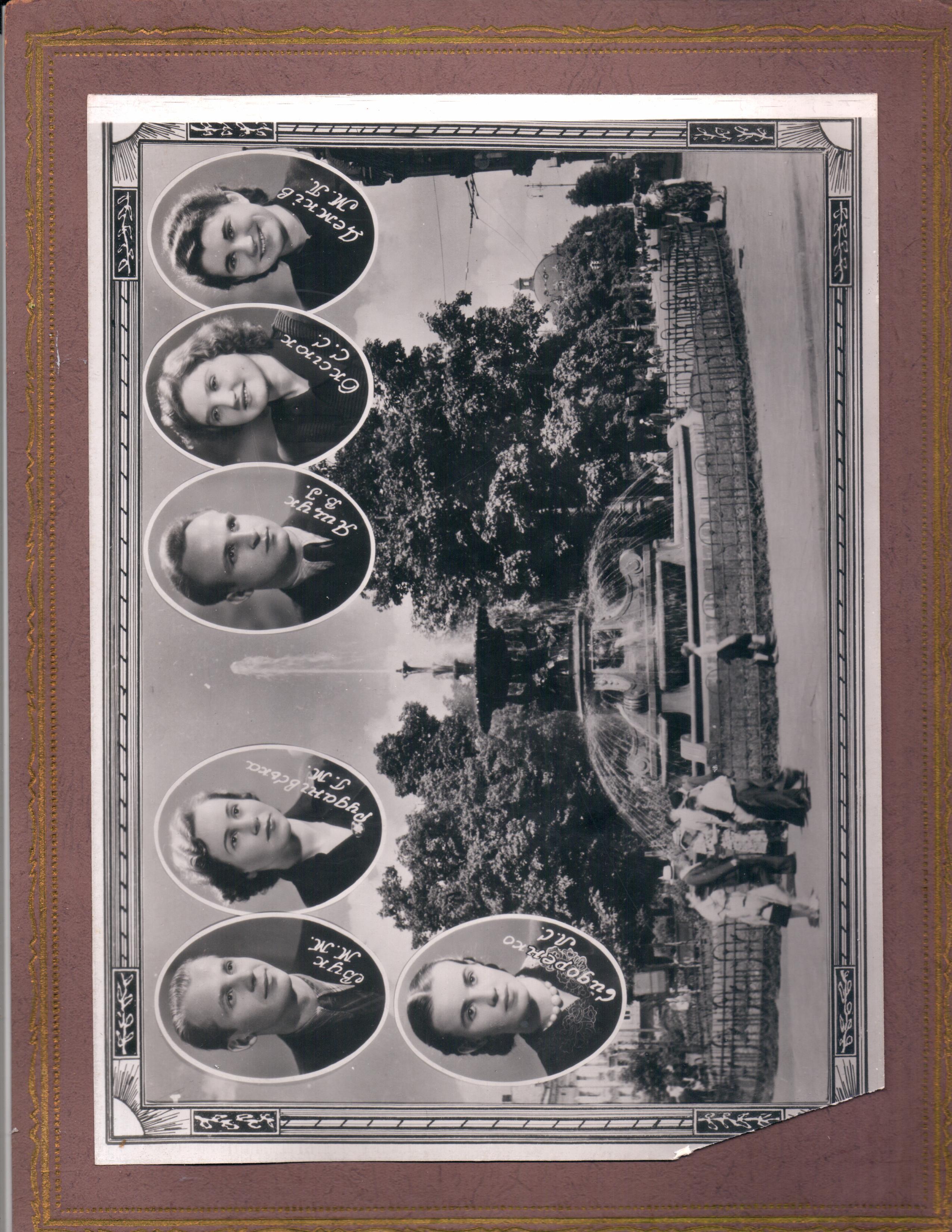
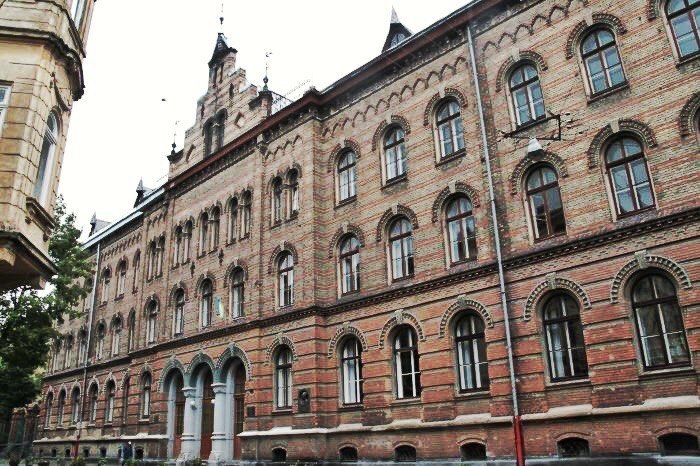
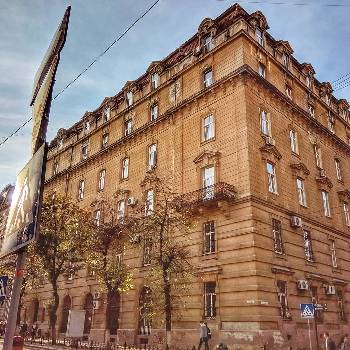
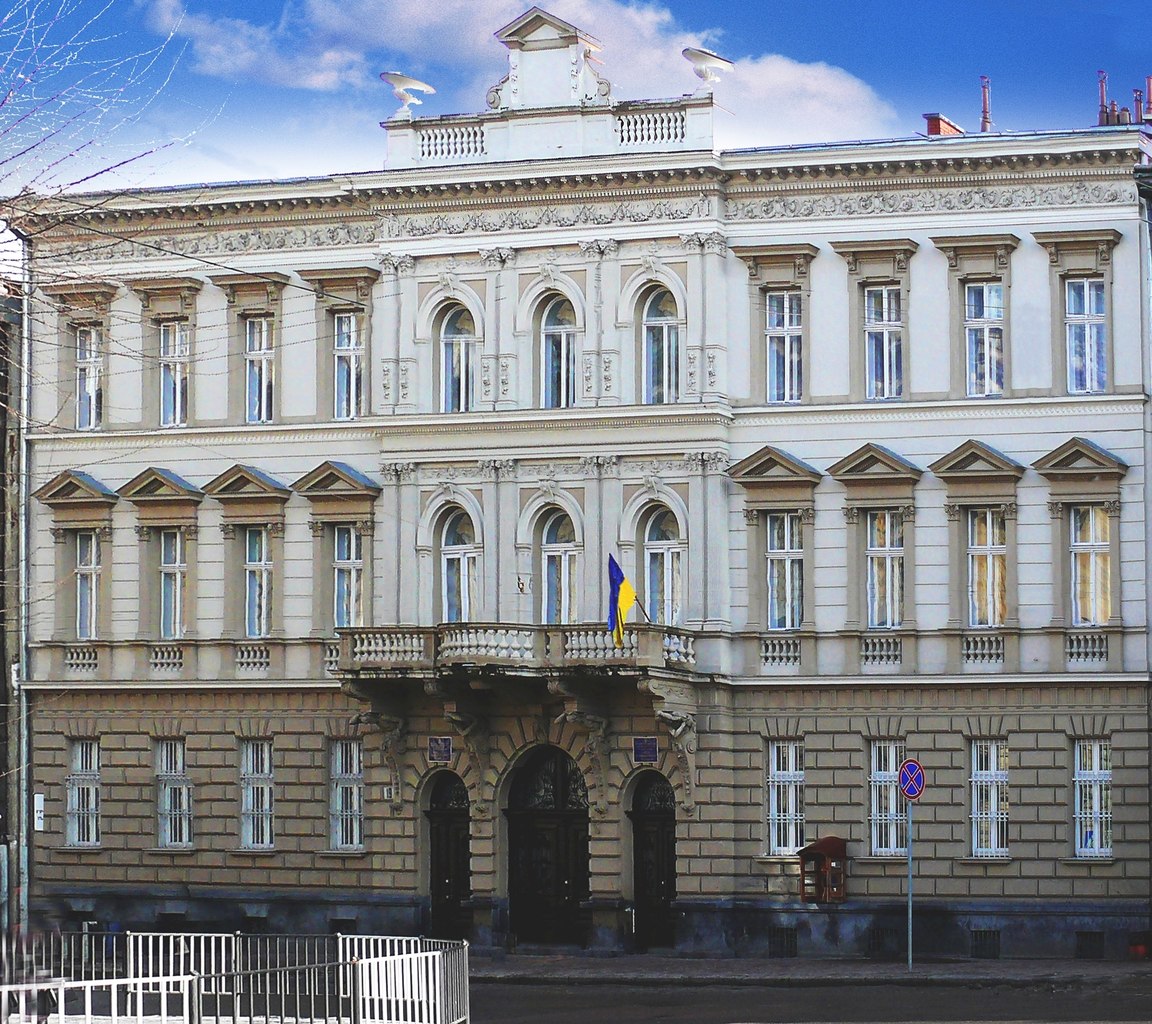
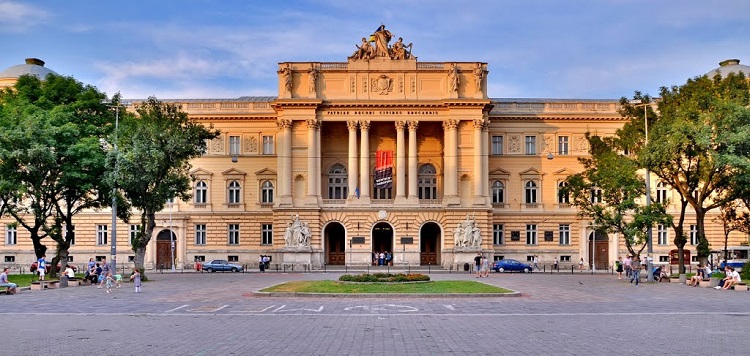
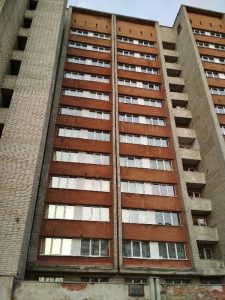
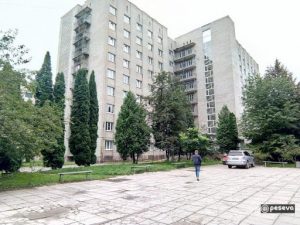
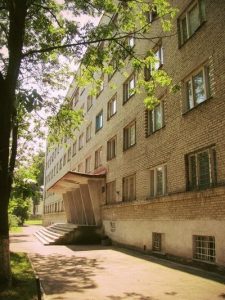
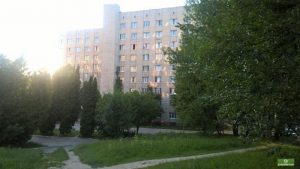
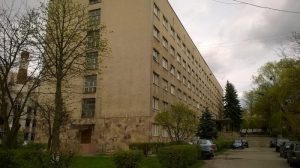
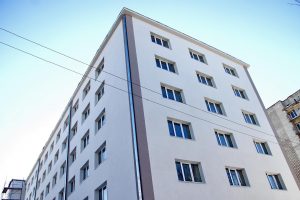
This site looks lovely. Can anyone share photos of the campus from the current year?
Recent from talks
Pinned posts
I am also an alumni of Lviv University and member of Hubbry founding team, that's why we decided to test Hubbry functionality on this hub. I hope Lviv University's hub will be great with a lot of useful and interesting content and active discussions, but I guess it will be in the Ukrainian version of the hub. This one is more to test out the idea of Hubbry itself.
Hey everyone! 👋 I’m part of the Hubbry team, and I wanted to show what this platform can do using the University of Lviv hub as an example. I picked this one because I’m a Journalism alum — and this year marks 10 years since I graduated! 🎓 ✨ Let’s highlight the different aspects and stories of our university. Feel free to jump in and help fill this hub with great stories, memories, and info!
LNU now offers a master’s program in “Quantum Computers and Quantum Programming.” I wish I had the time to enroll.
I’ve always wanted to study physics, and after school I even got into the Physics Department at NaUKMA. But life had other plans. Maybe one day I’ll find my way back to it.

I want to go and check this exhibition...
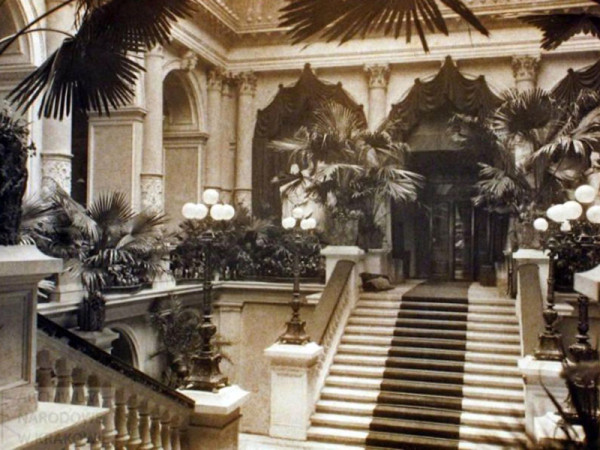
🏛️✨ In the lobby of the main building, everyone interested can view an exhibition dedicated to the history of Ivan Franko National University of Lviv.
The project tells about the stages of the institution’s development from 1661 to the 1920s, as well as the landmark events and figures that shaped its academic tradition over the centuries.
“We received this exhibition as a gift from our colleagues at the University of Wrocław 15 years ago on the occasion of the 350th anniversary of the University’s founding. The perspective on history presented on the display panels has not only remained relevant—it has gained even greater significance year after year. It is a shared reception of the past with our Polish colleagues that emphasizes the continuity of values and encourages dialogue between the academic communities of Ukraine and the Republic of Poland,” noted Yurii Hudyma, Head of the University History Museum.

This site looks lovely. Can anyone share photos of the campus from the current year?
Pinned posts
This site looks lovely. Can anyone share photos of the campus from the current year?
I am also an alumni of Lviv University and member of Hubbry founding team, that's why we decided to test Hubbry functionality on this hub. I hope Lviv University's hub will be great with a lot of useful and interesting content and active discussions, but I guess it will be in the Ukrainian version of the hub. This one is more to test out the idea of Hubbry itself.
Hey everyone! 👋 I’m part of the Hubbry team, and I wanted to show what this platform can do using the University of Lviv hub as an example. I picked this one because I’m a Journalism alum — and this year marks 10 years since I graduated! 🎓 ✨ Let’s highlight the different aspects and stories of our university. Feel free to jump in and help fill this hub with great stories, memories, and info!
LNU now offers a master’s program in “Quantum Computers and Quantum Programming.” I wish I had the time to enroll.
I’ve always wanted to study physics, and after school I even got into the Physics Department at NaUKMA. But life had other plans. Maybe one day I’ll find my way back to it.

I want to go and check this exhibition...
🏛️✨ In the lobby of the main building, everyone interested can view an exhibition dedicated to the history of Ivan Franko National University of Lviv.
The project tells about the stages of the institution’s development from 1661 to the 1920s, as well as the landmark events and figures that shaped its academic tradition over the centuries.
“We received this exhibition as a gift from our colleagues at the University of Wrocław 15 years ago on the occasion of the 350th anniversary of the University’s founding. The perspective on history presented on the display panels has not only remained relevant—it has gained even greater significance year after year. It is a shared reception of the past with our Polish colleagues that emphasizes the continuity of values and encourages dialogue between the academic communities of Ukraine and the Republic of Poland,” noted Yurii Hudyma, Head of the University History Museum.

This site looks lovely. Can anyone share photos of the campus from the current year?
Welcome to the community hub about University of Lviv!
Ivan Franko National University of Lviv is the biggest university in the Western Ukraine. It is the oldest university in Ukraine in continuous operation, founded in 1661. Each year, the university graduates more than 2,000 students from its 19 faculties and departments. Official website: https://lnu.edu.ua/
Check out historical timeline of Lviv University.

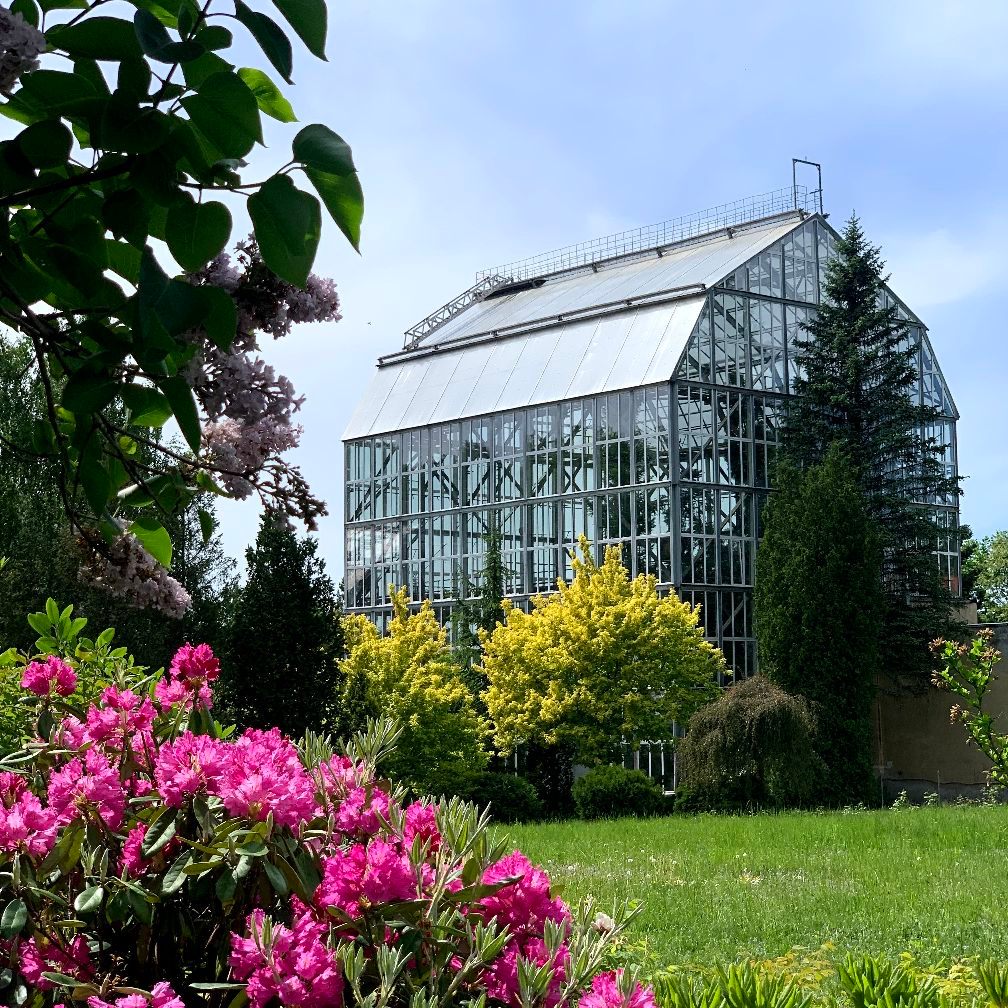
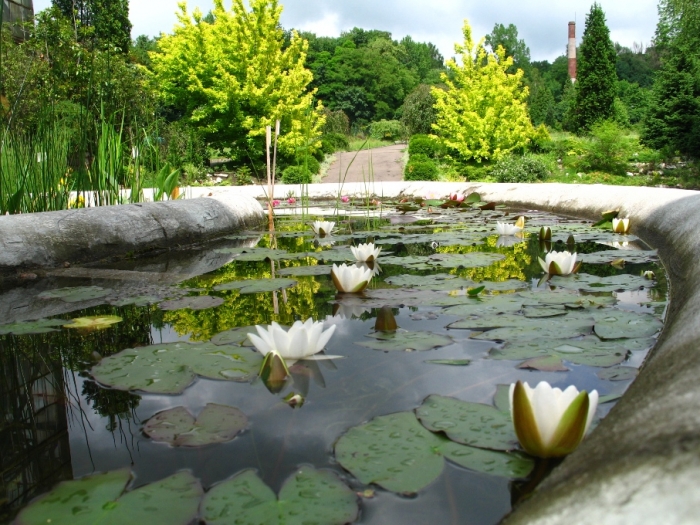
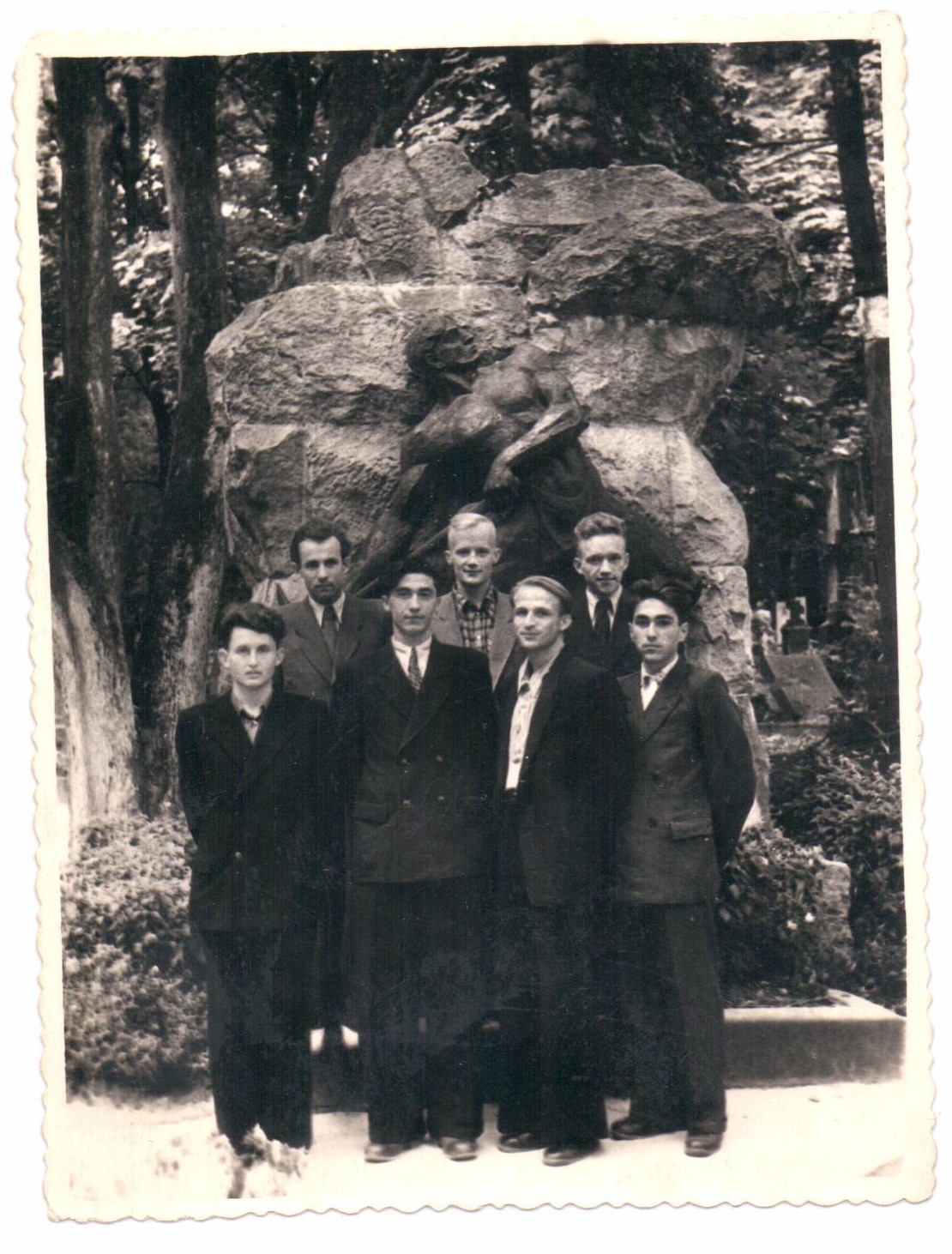
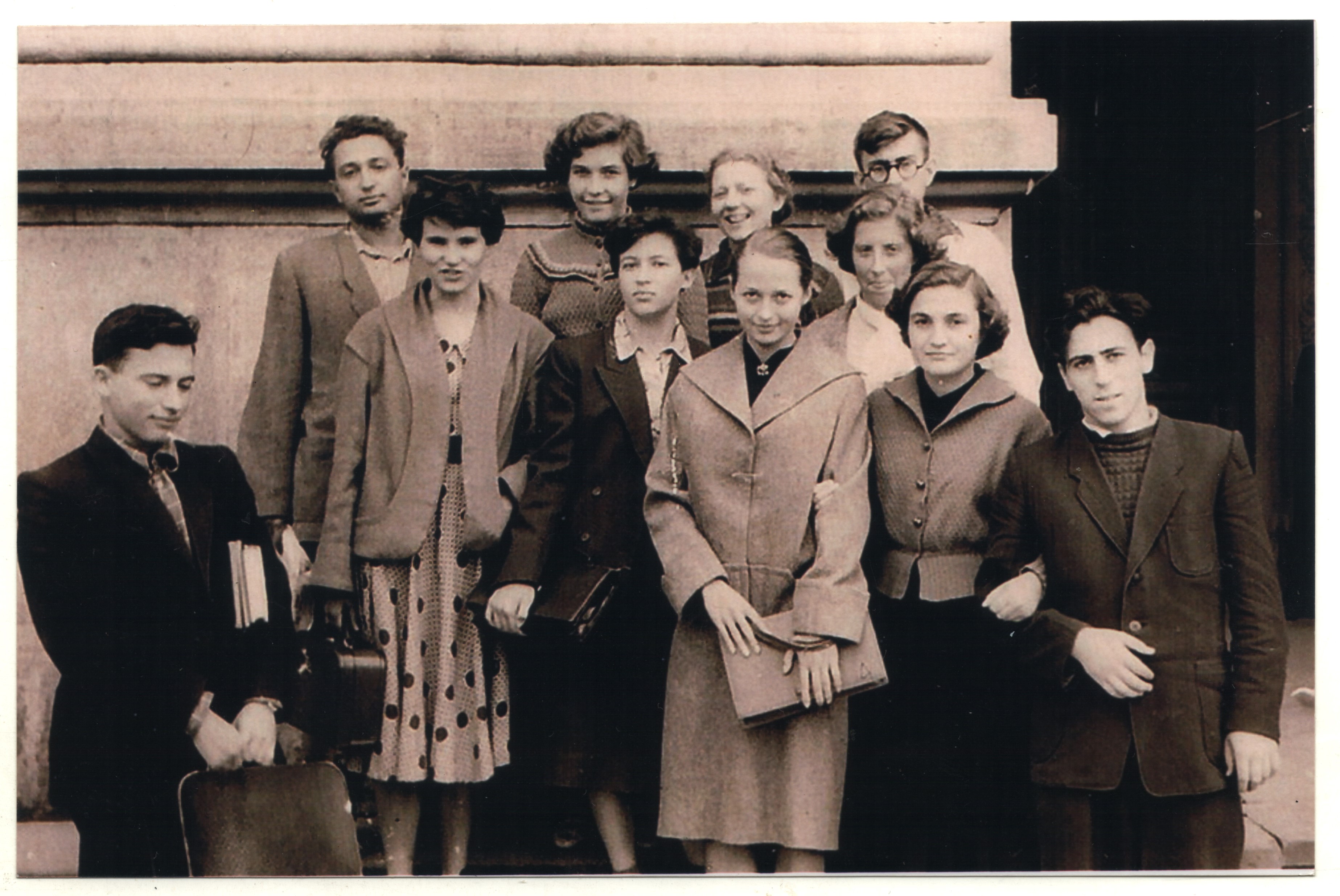
Interesting media collections:
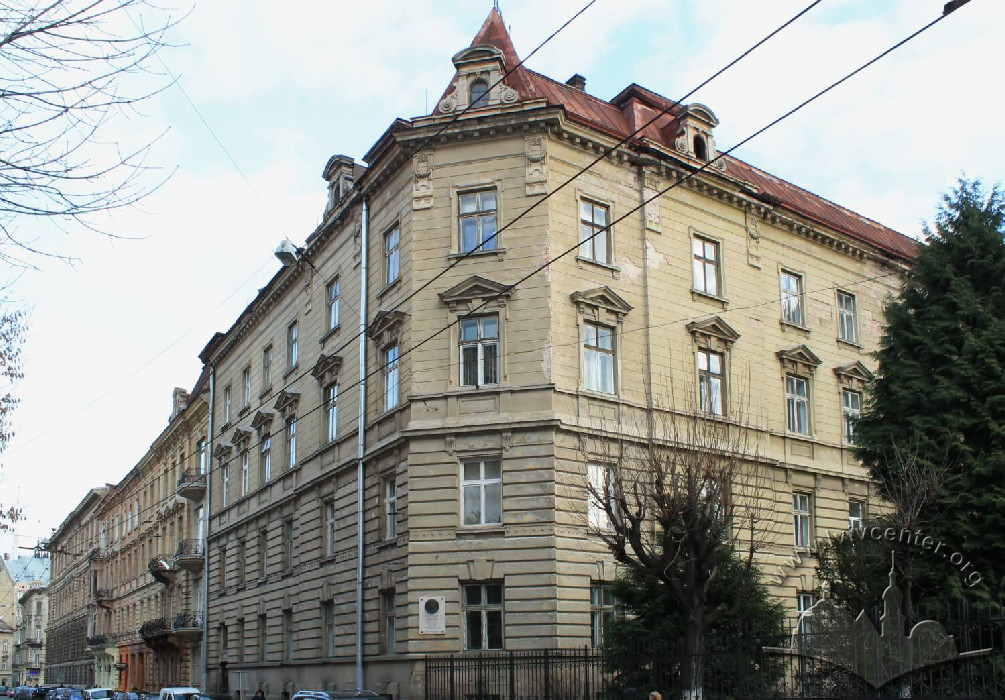
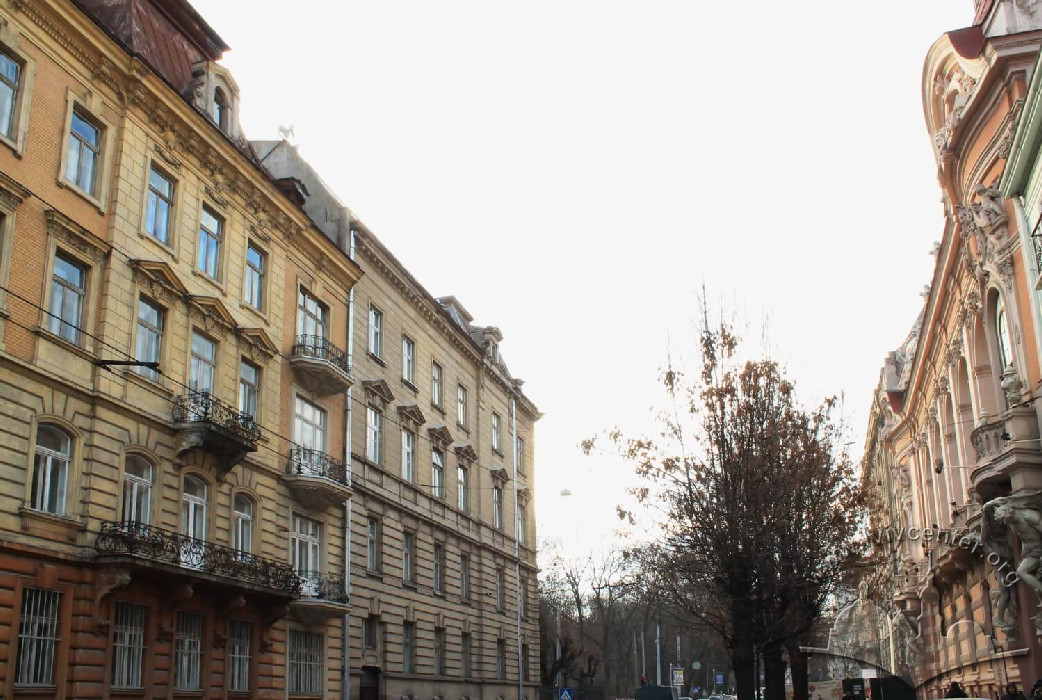
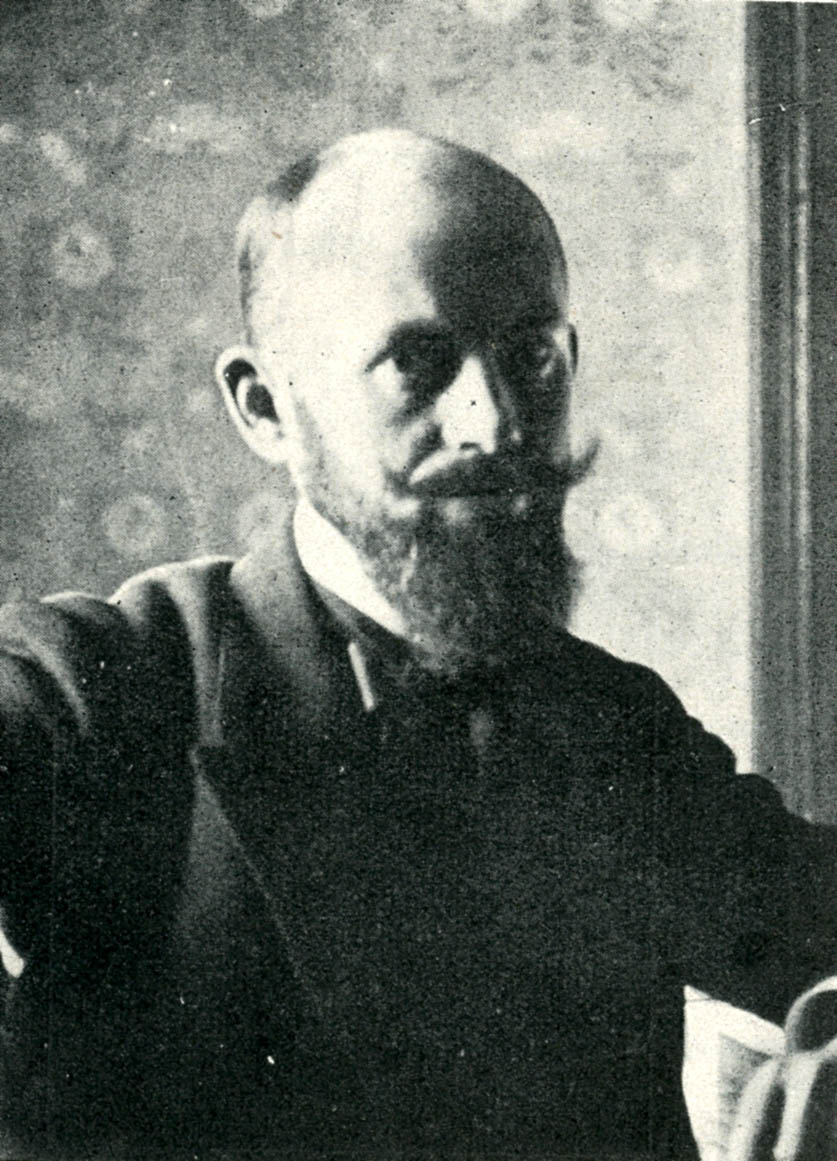
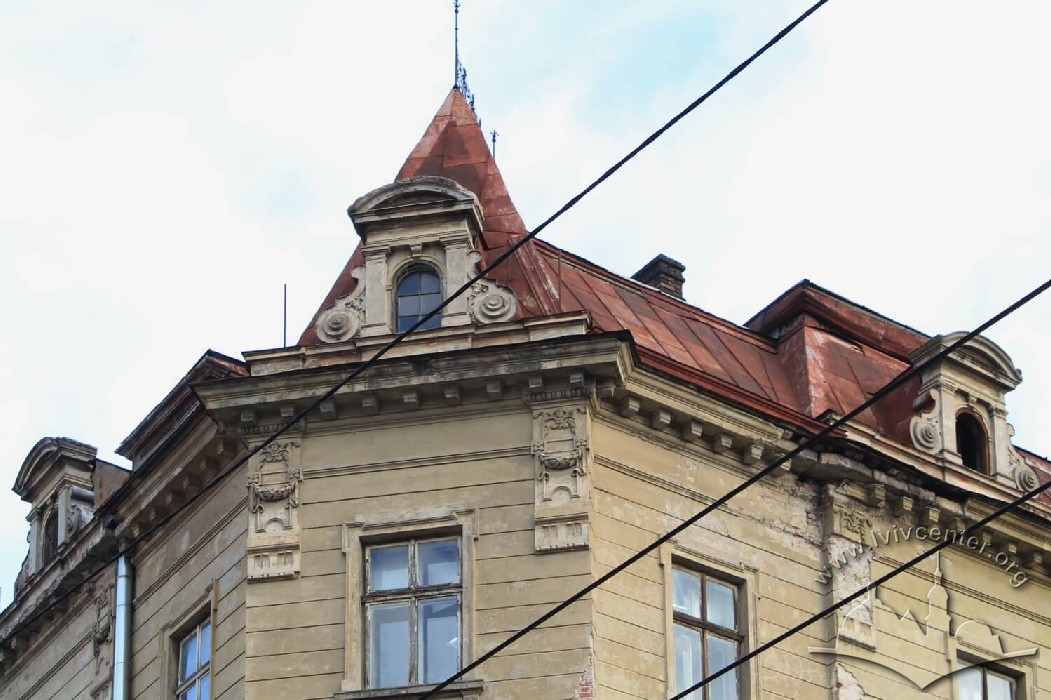
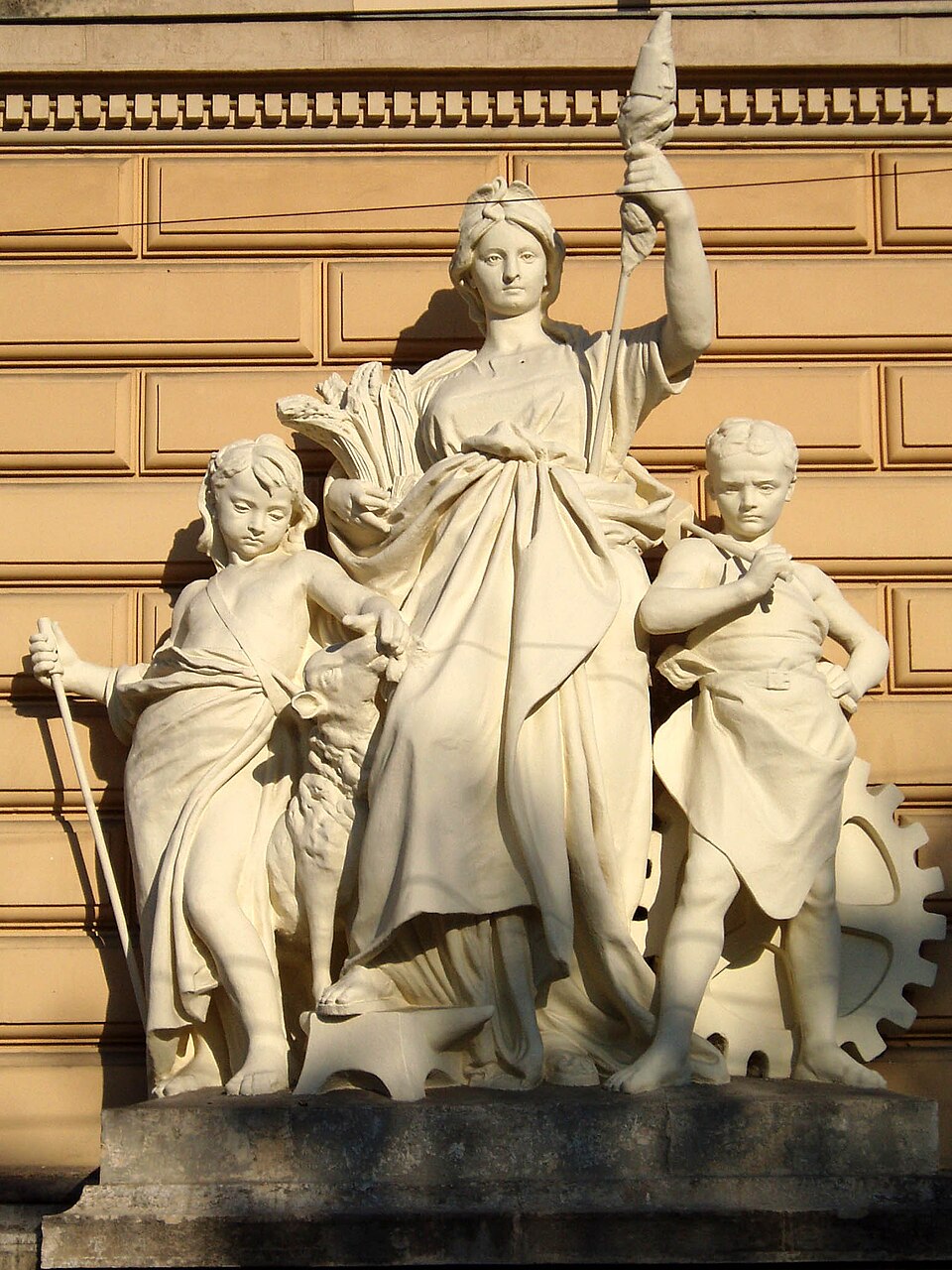
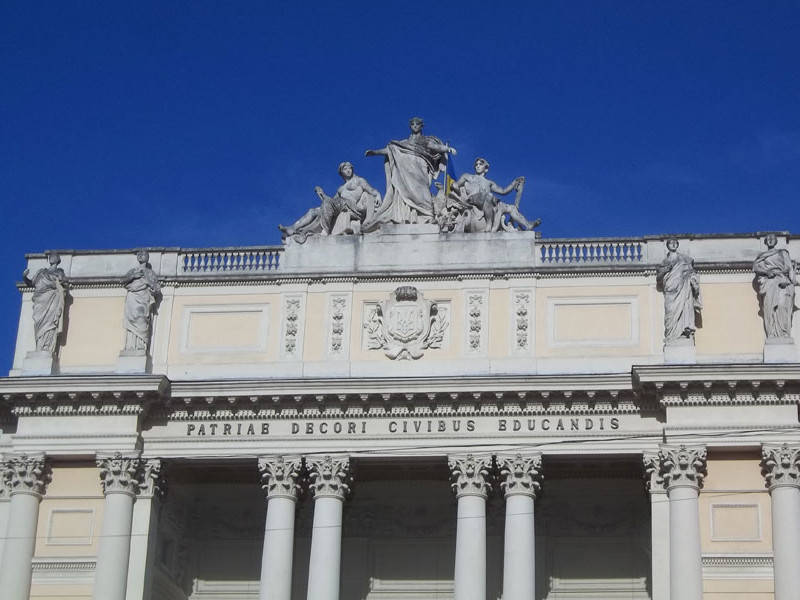
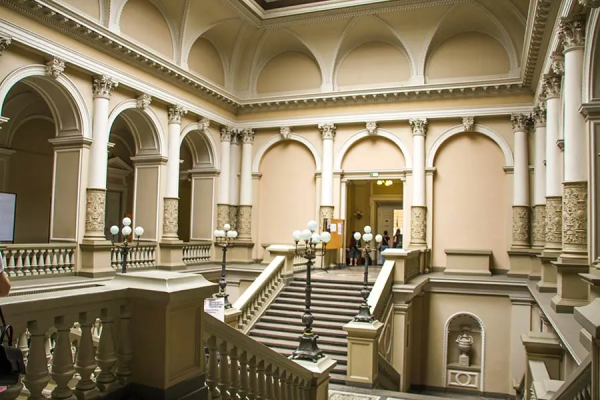
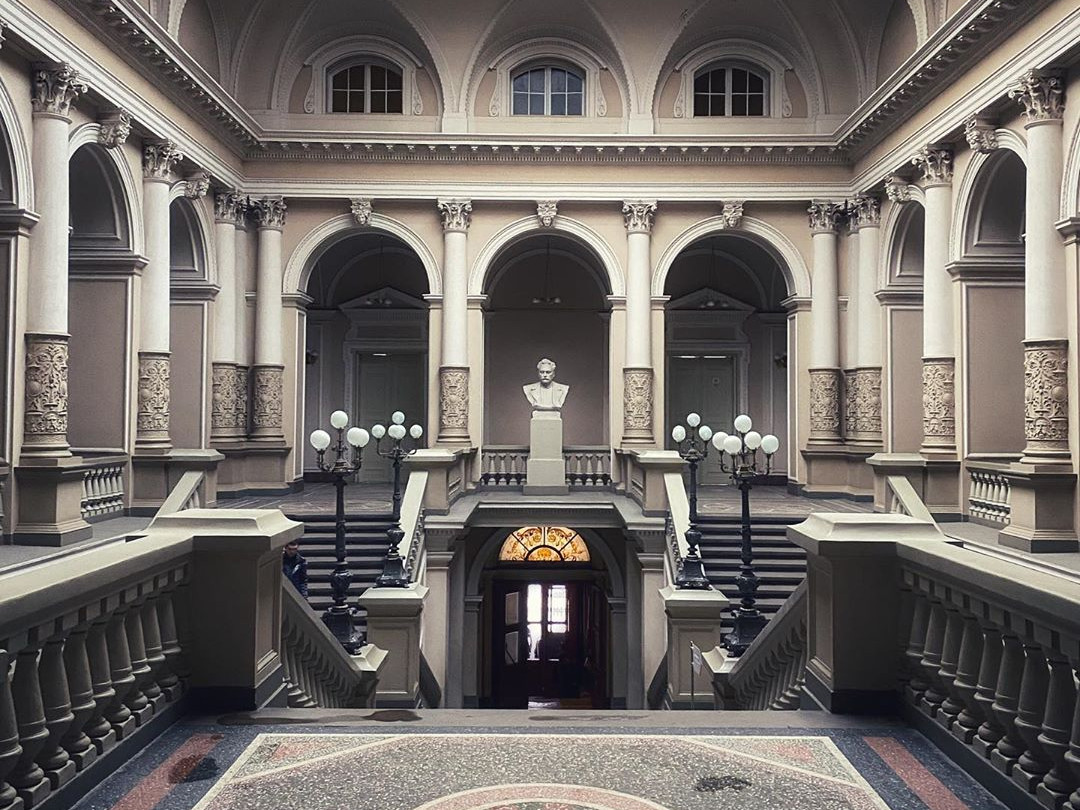
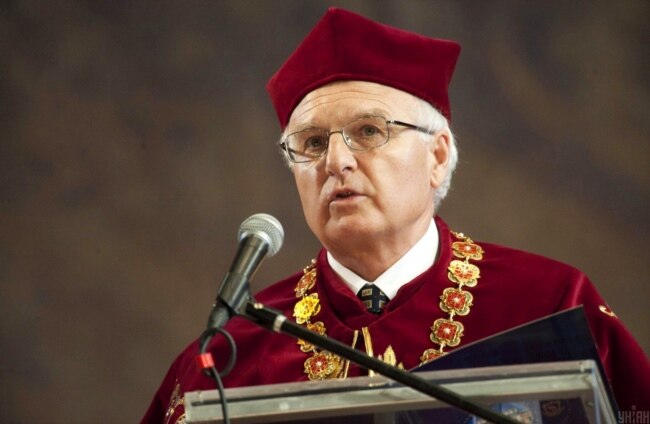
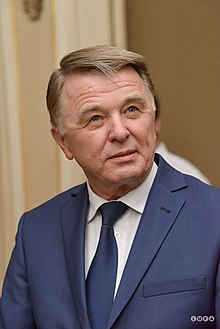
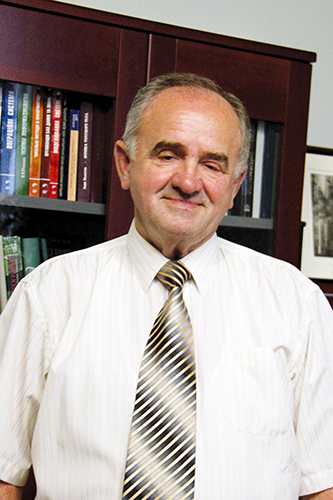
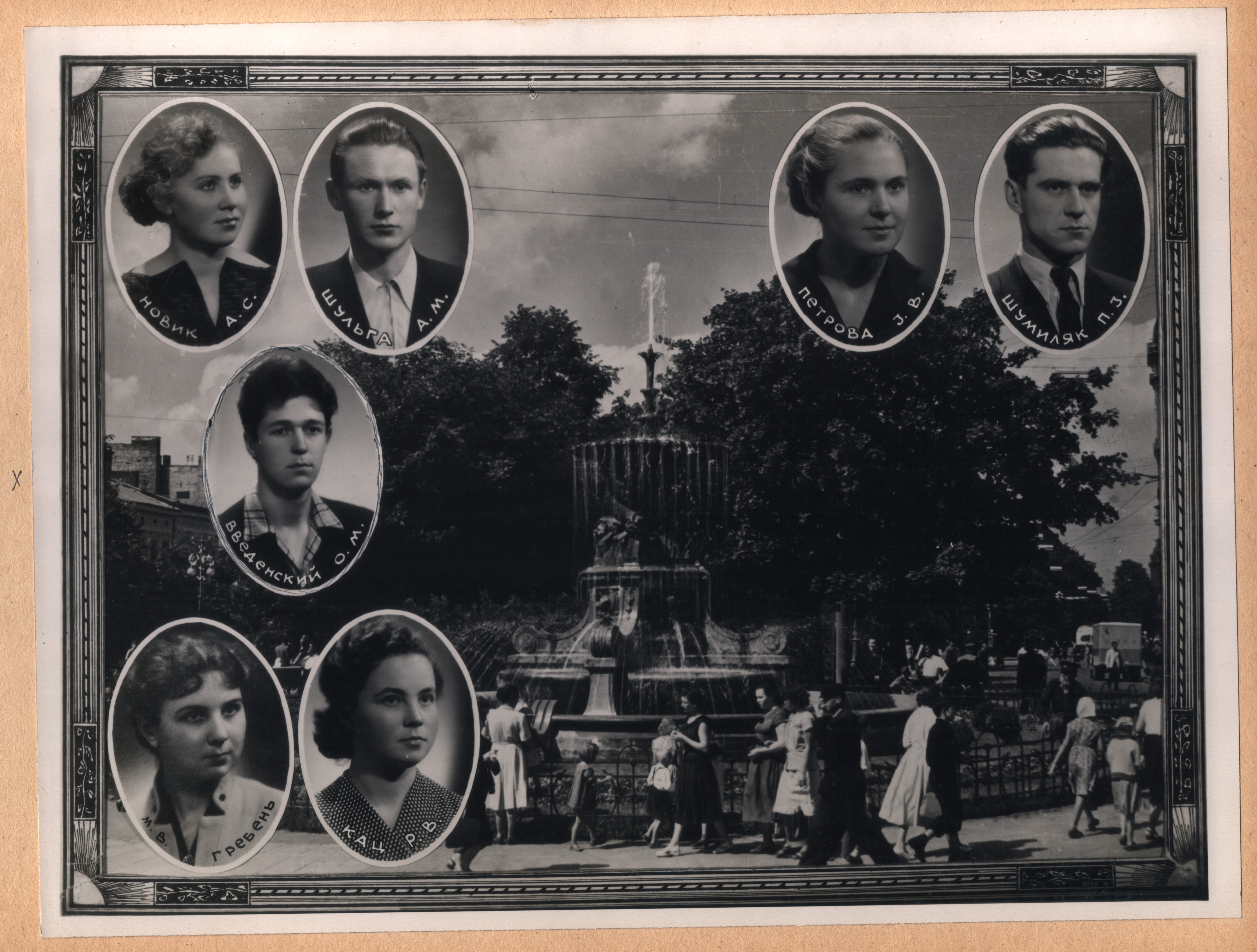
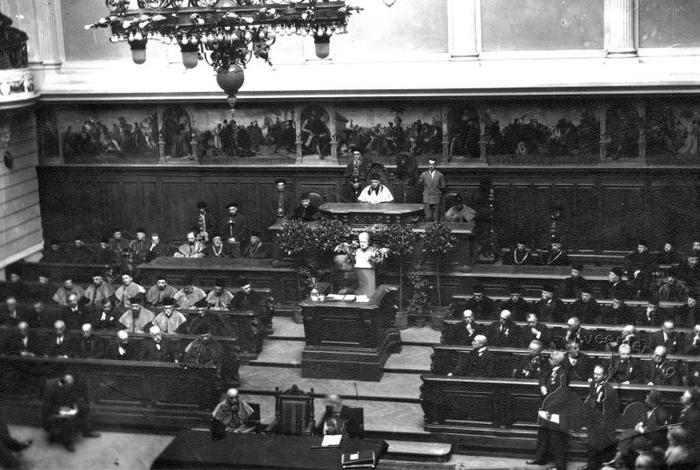
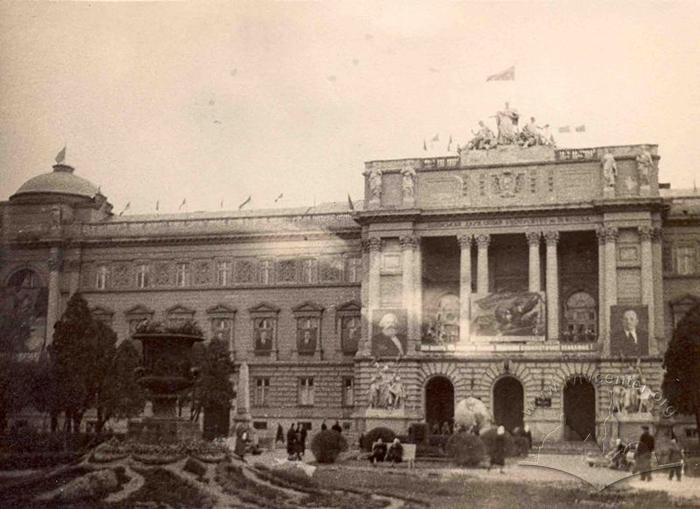
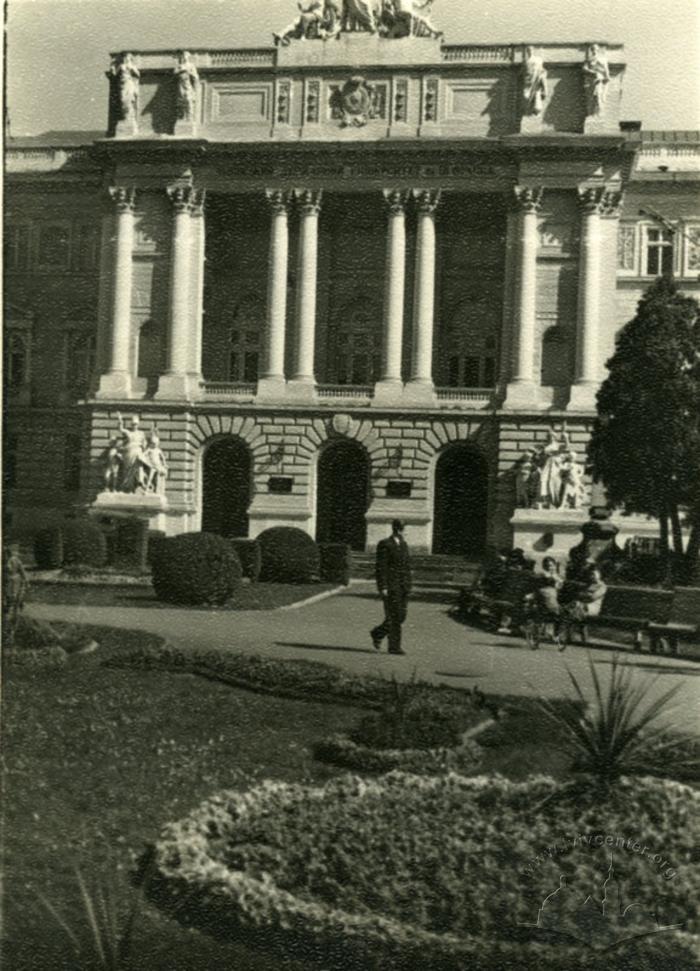
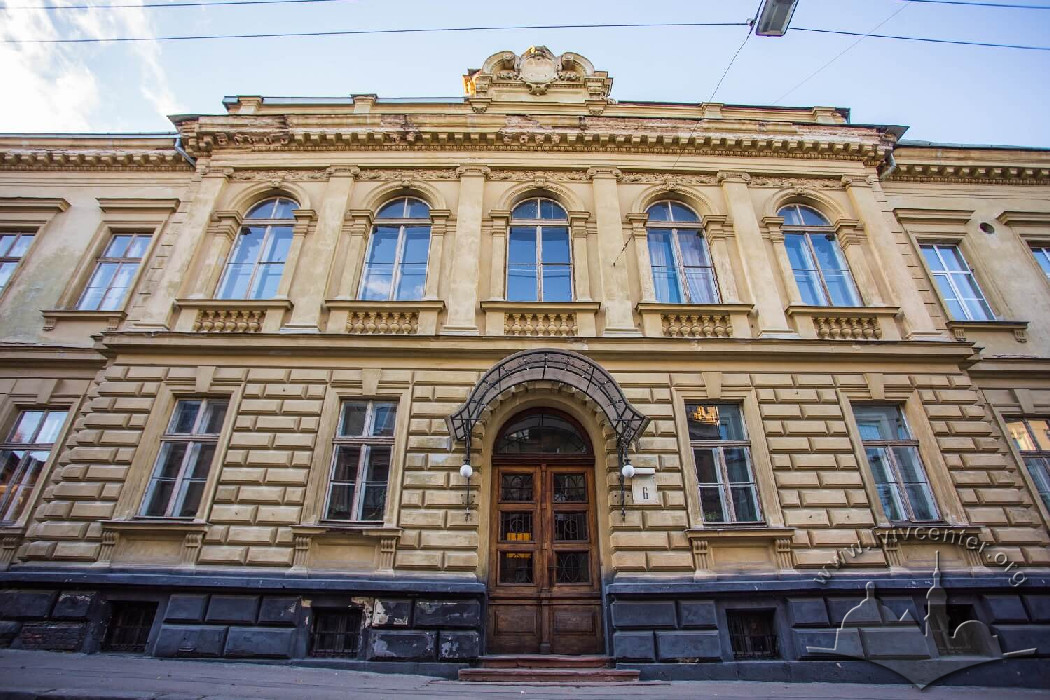
![]() | ![]() | ![]() |
Some articles: History of the University of Lviv, The Main Building: Architecture and Stories, Ivan Franko and the University
Timeline: Foundation and Early History (What other timelines can be added? If you have ideas - post in talks.)
Feel free to write in the #general talk channel
What is this hub for?
This hub is created to collect all possible, useful and simply interesting current and historical information about the Lviv University and organize it in easy to consume way. Also it acts as a place for students, academic staff, prospective students and their parents to discuss matters related to the university.
Help us grow the hub:
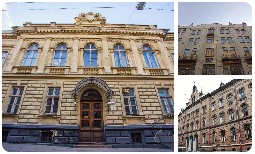
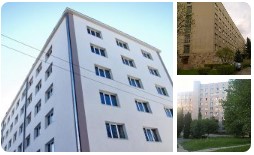
Currently we are trying to collect photos of dorms. If you have any please add them to the Dormitory Buildings collection.
We also want to collect curriculums for each bachelor and master programme in Curriculums article collection.
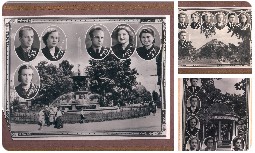
If you feel like it - add your graduation photos to the Graduation Photos collection.
History nerd? Help us build the detailed Chronicle and timelines of the university.
Got ideas, sources, or feedback? Drop them in the General talk channel.


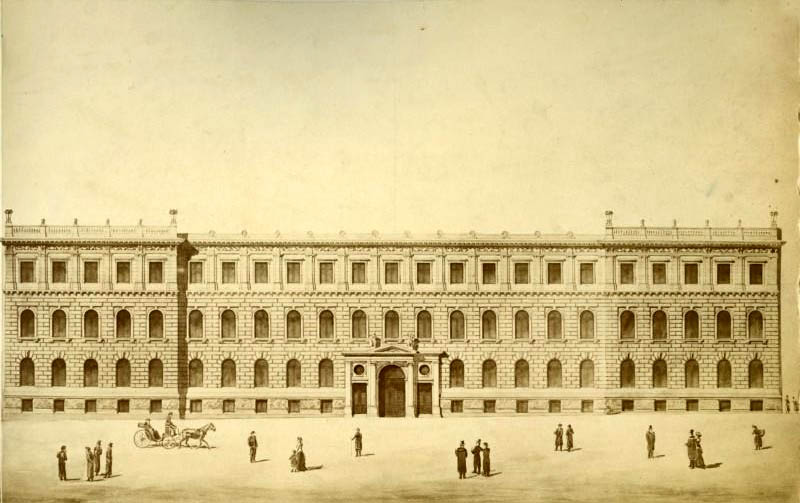
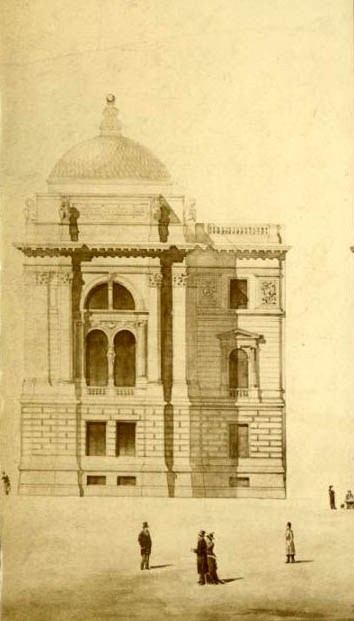
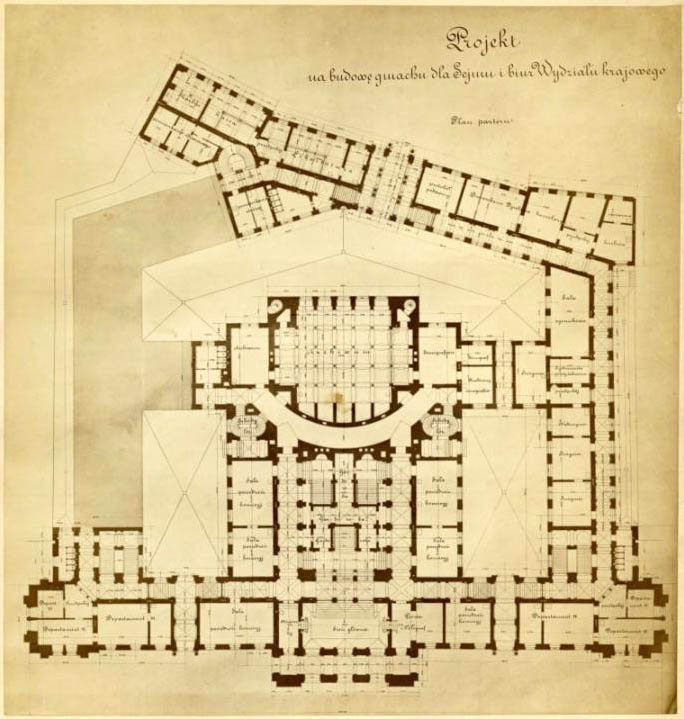
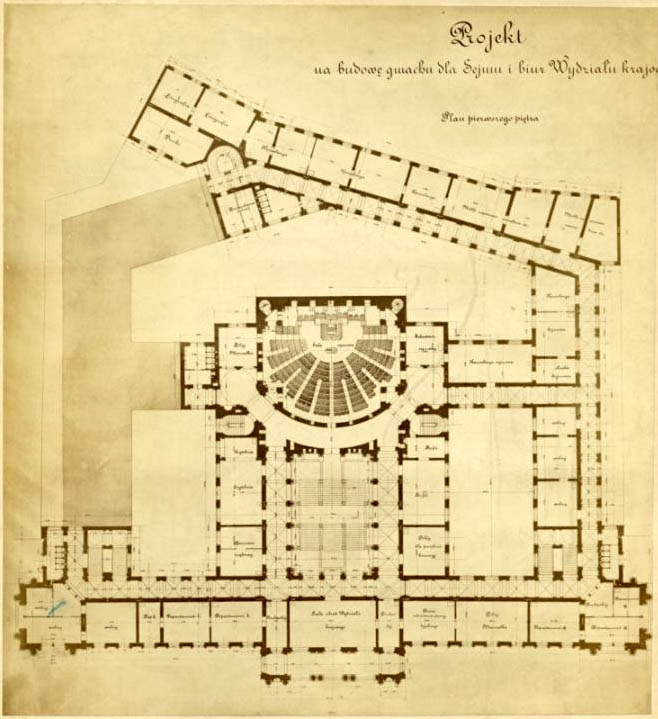
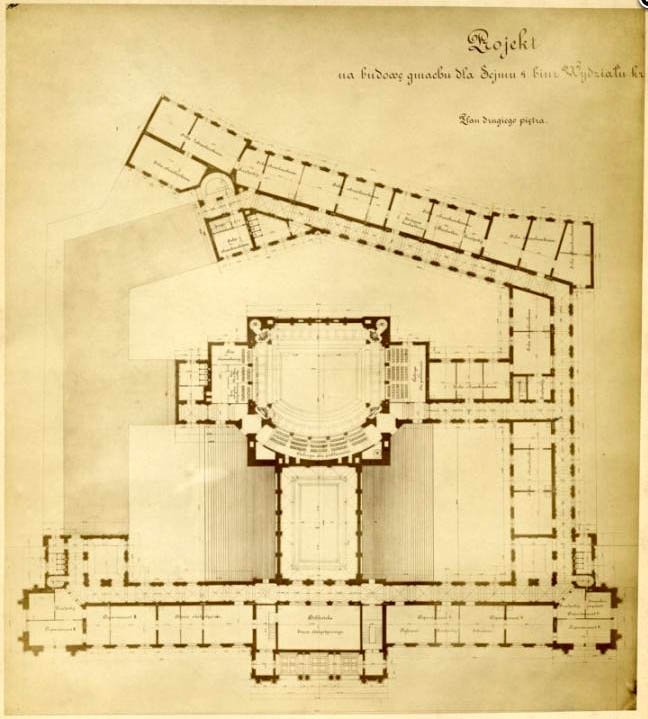
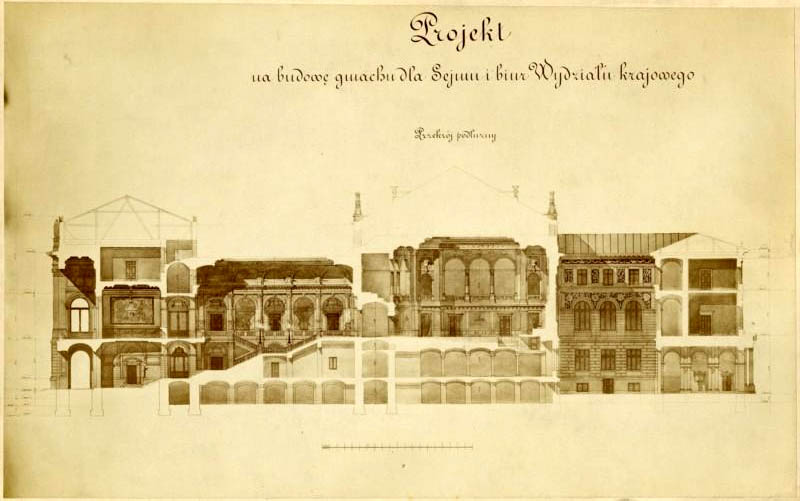
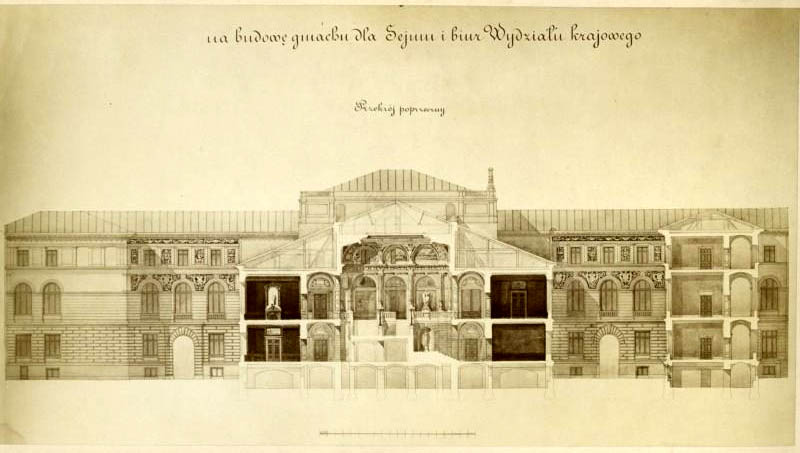
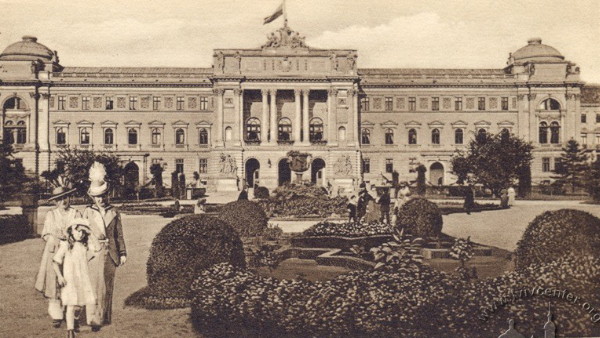
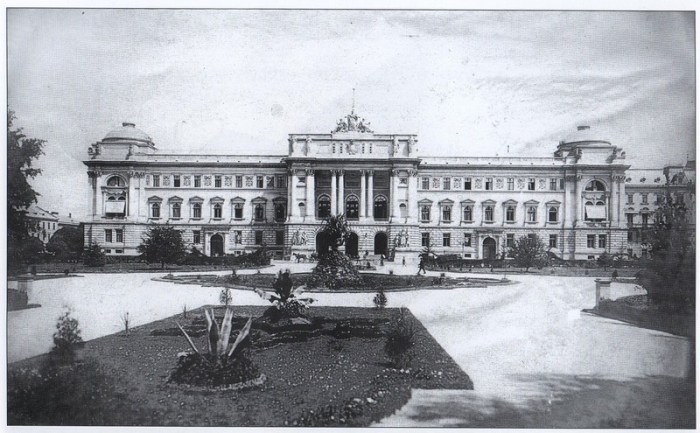
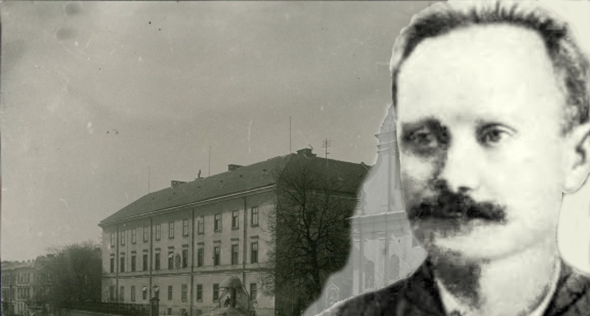
Extension to the Main Building of Lviv University


Scientific Library of University of Lviv


Building project


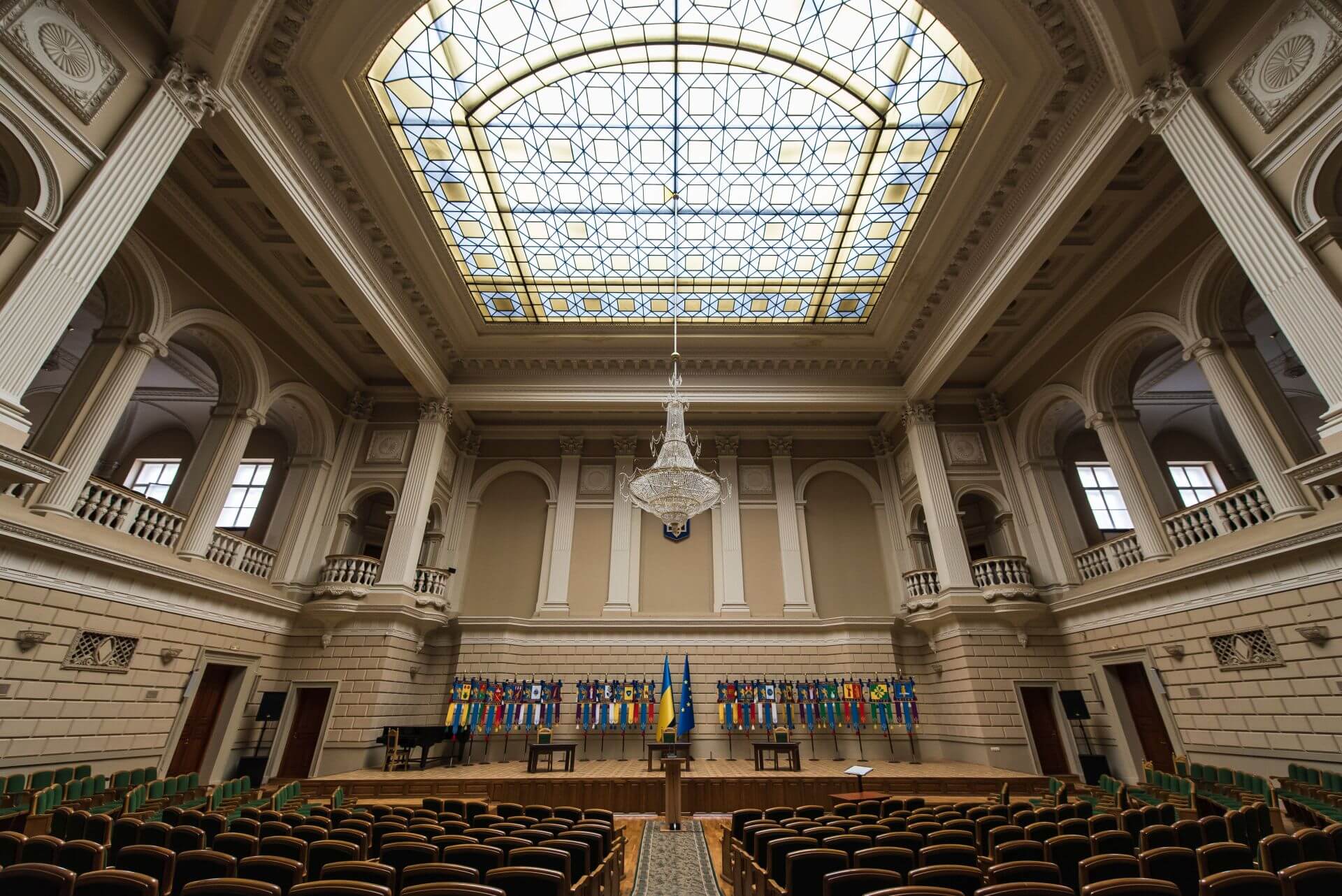
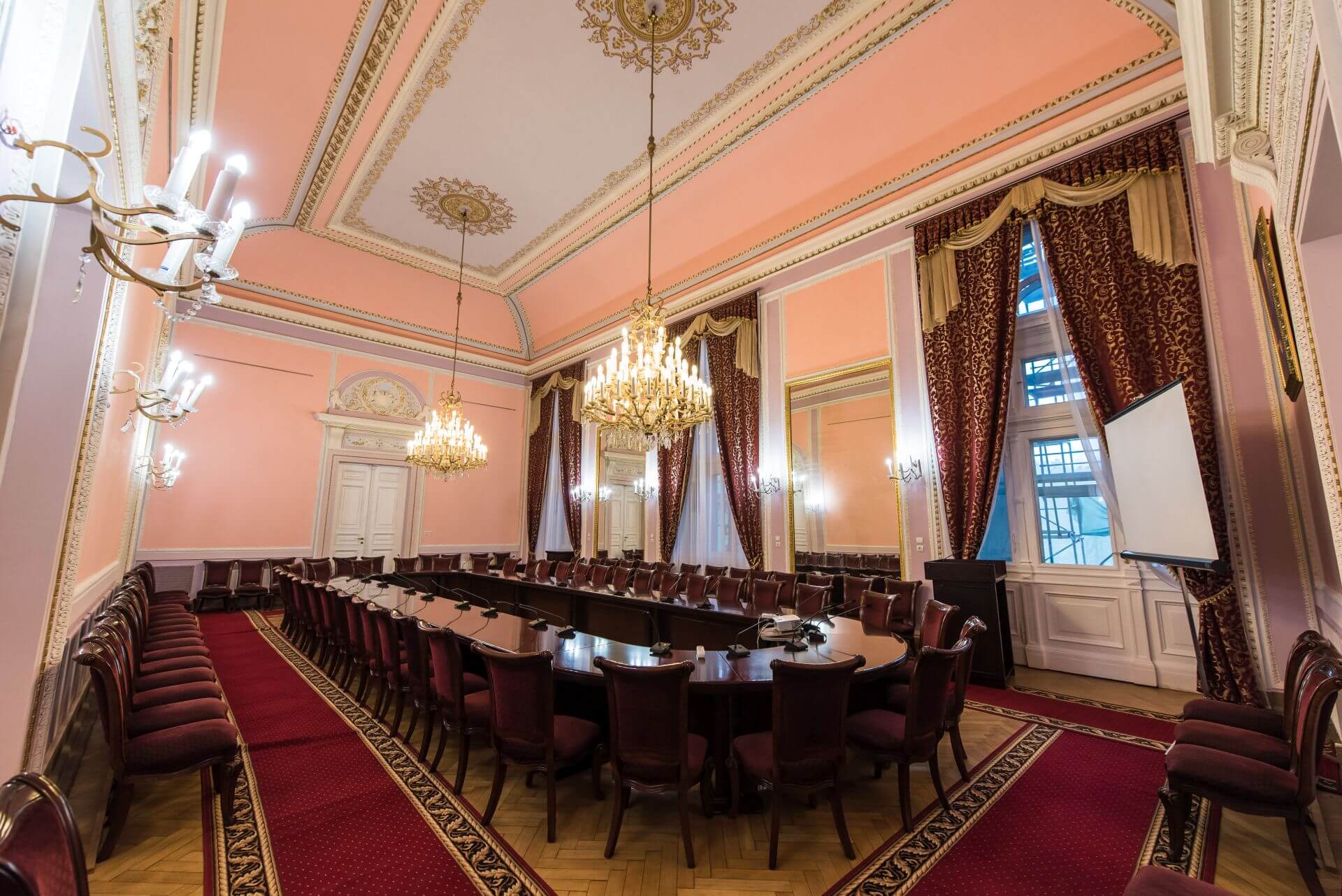
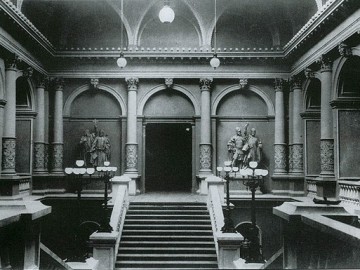
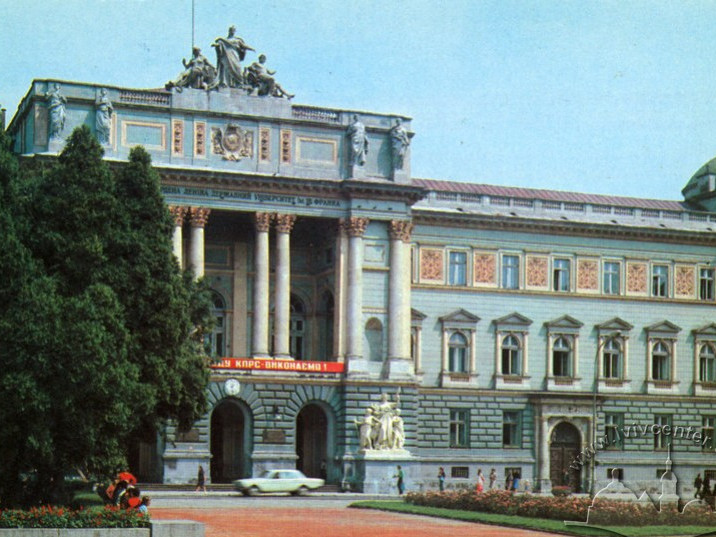
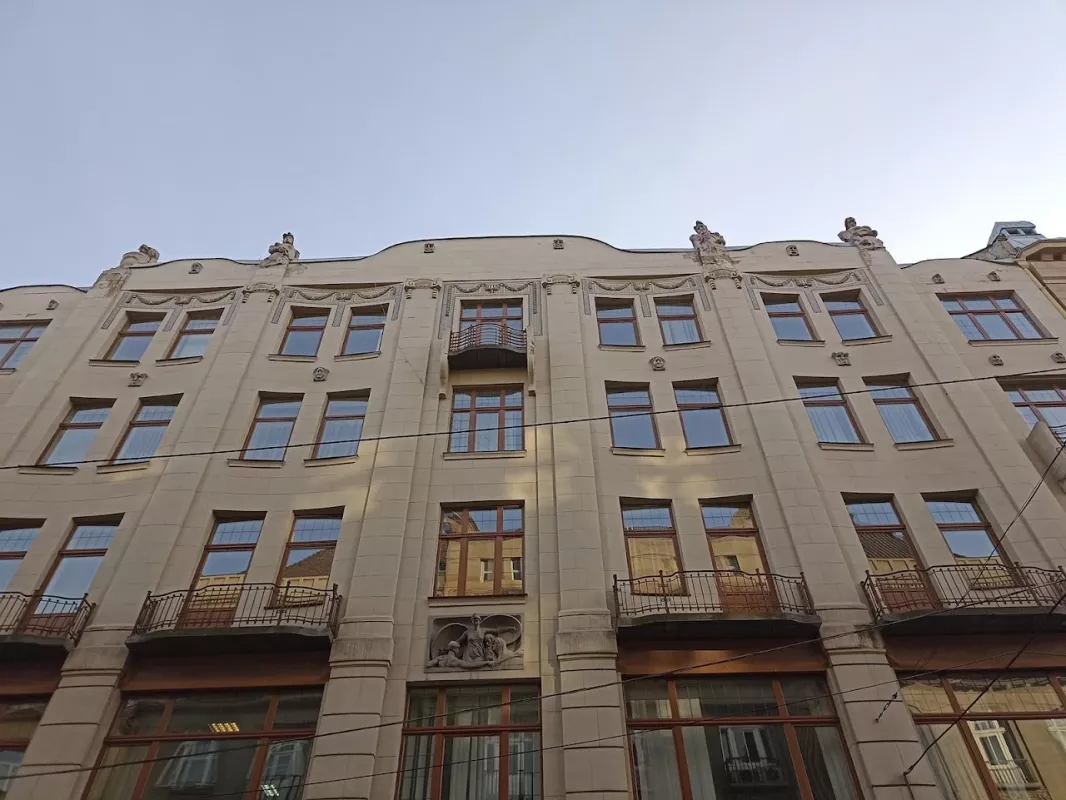
The Main Building of Lviv University
From Wikipedia


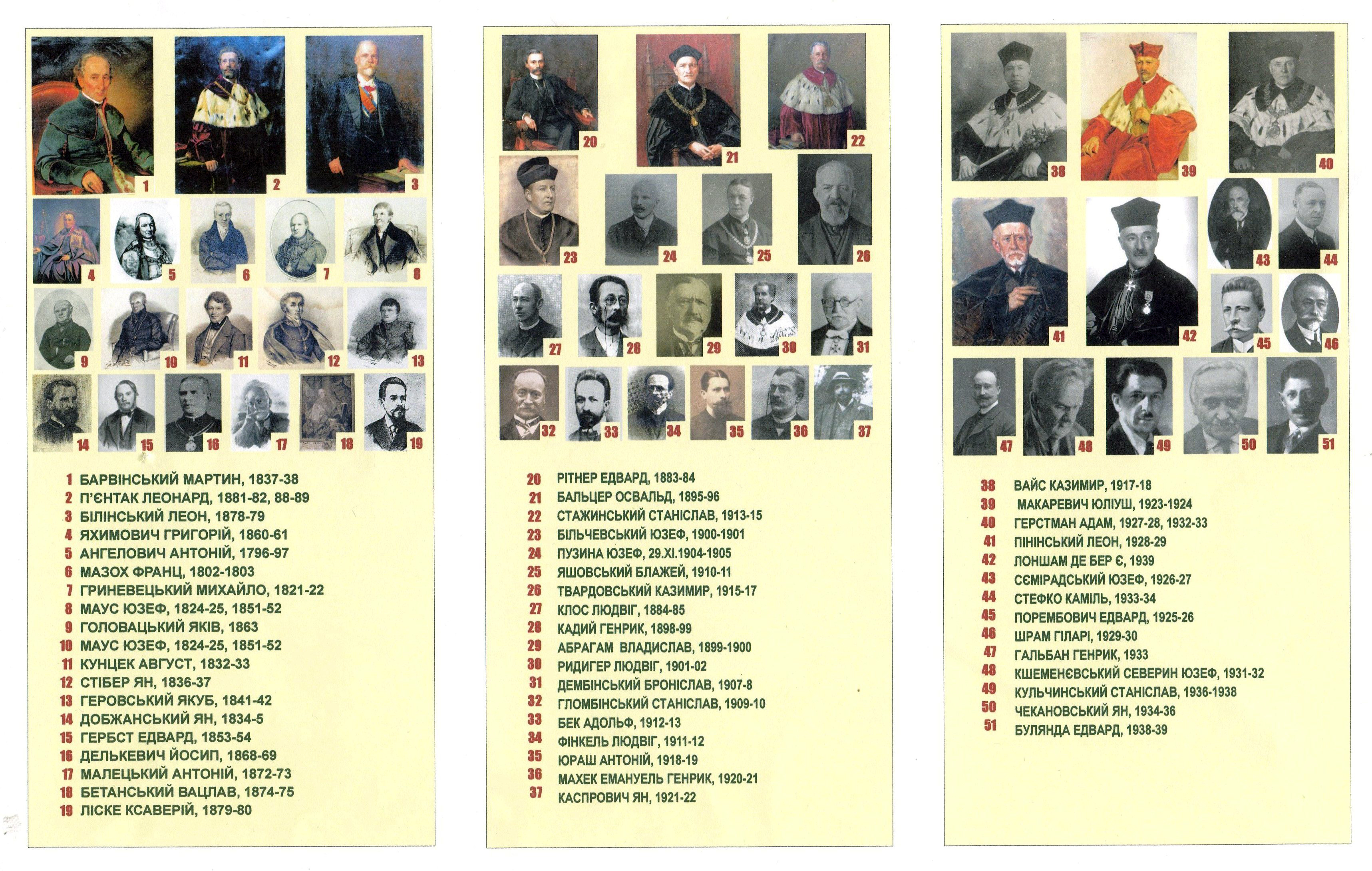
Rectors


Graduation Photos


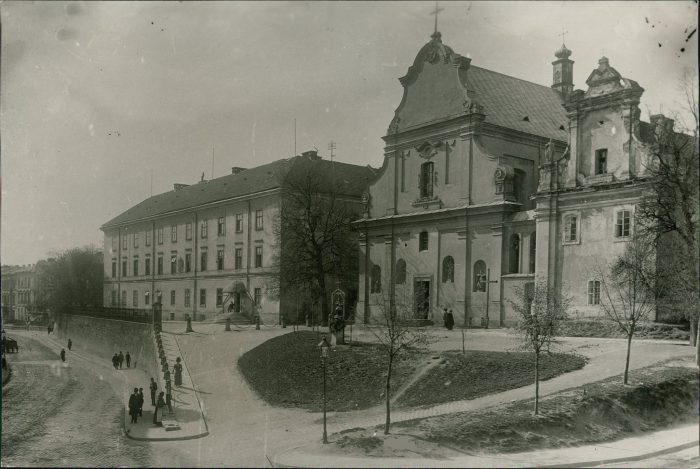
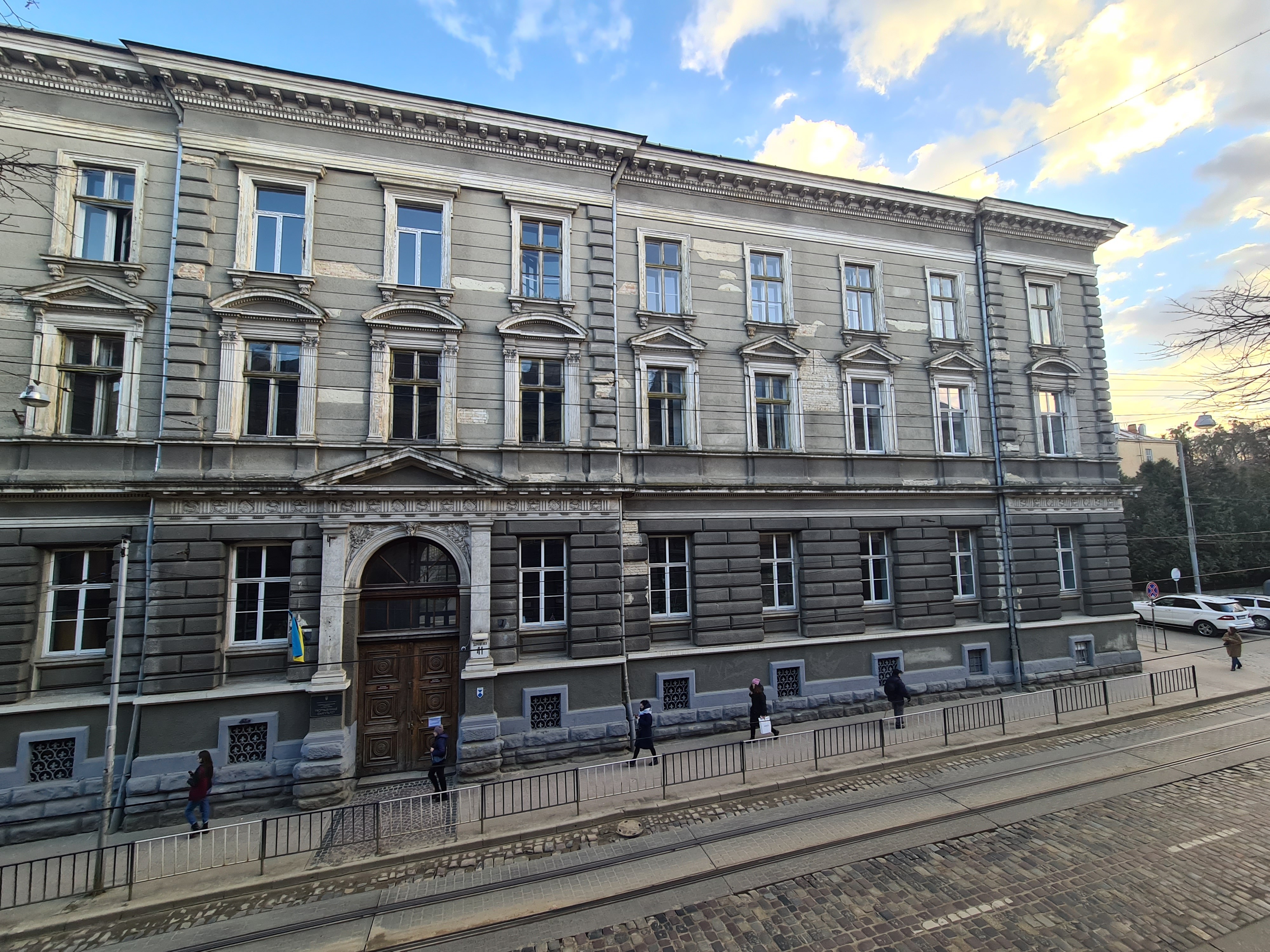
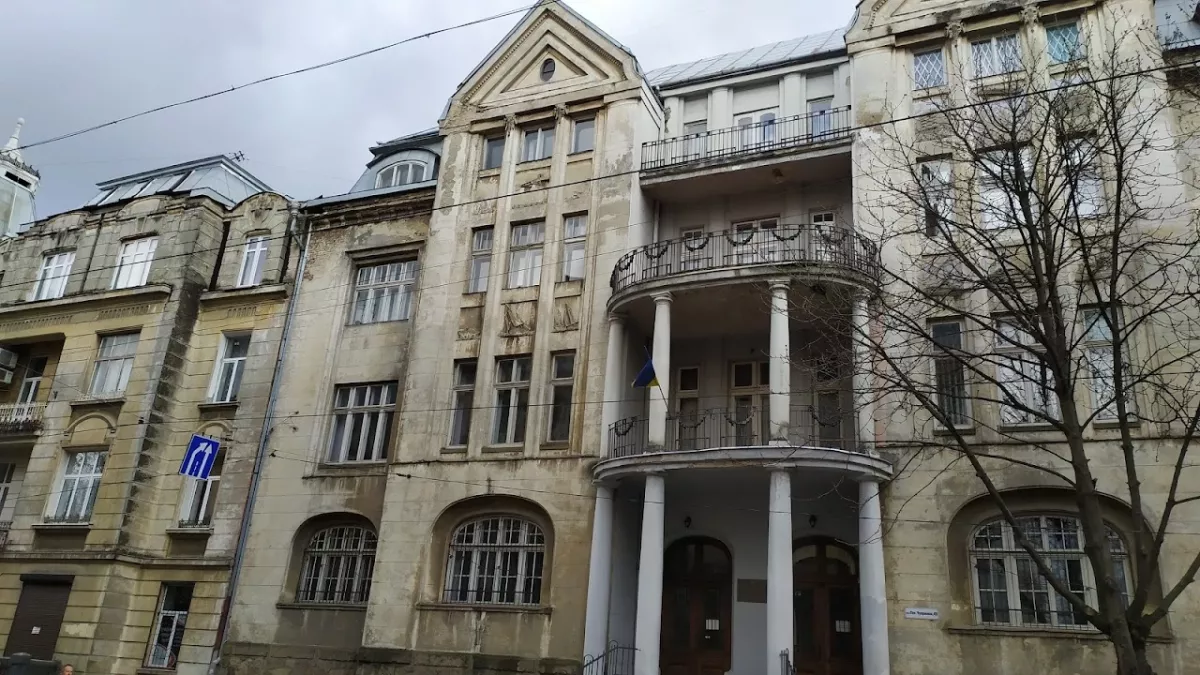
Historical photos of university buildings


Faculty buildings


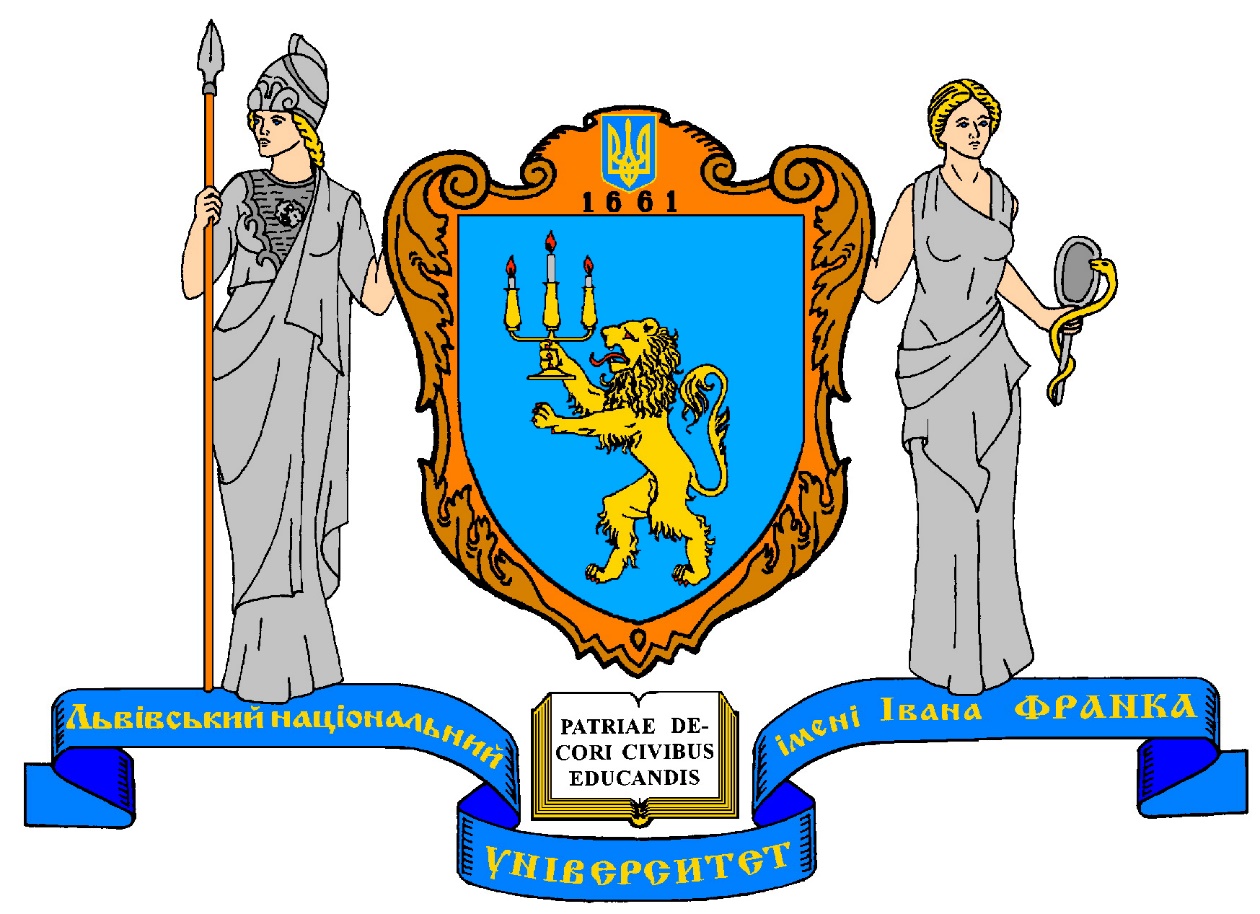
Symbolics


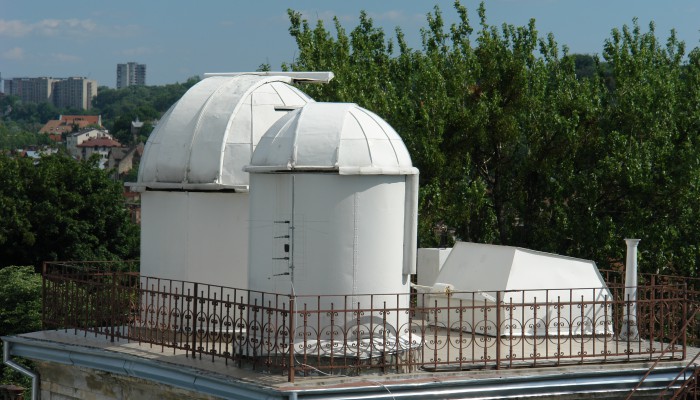
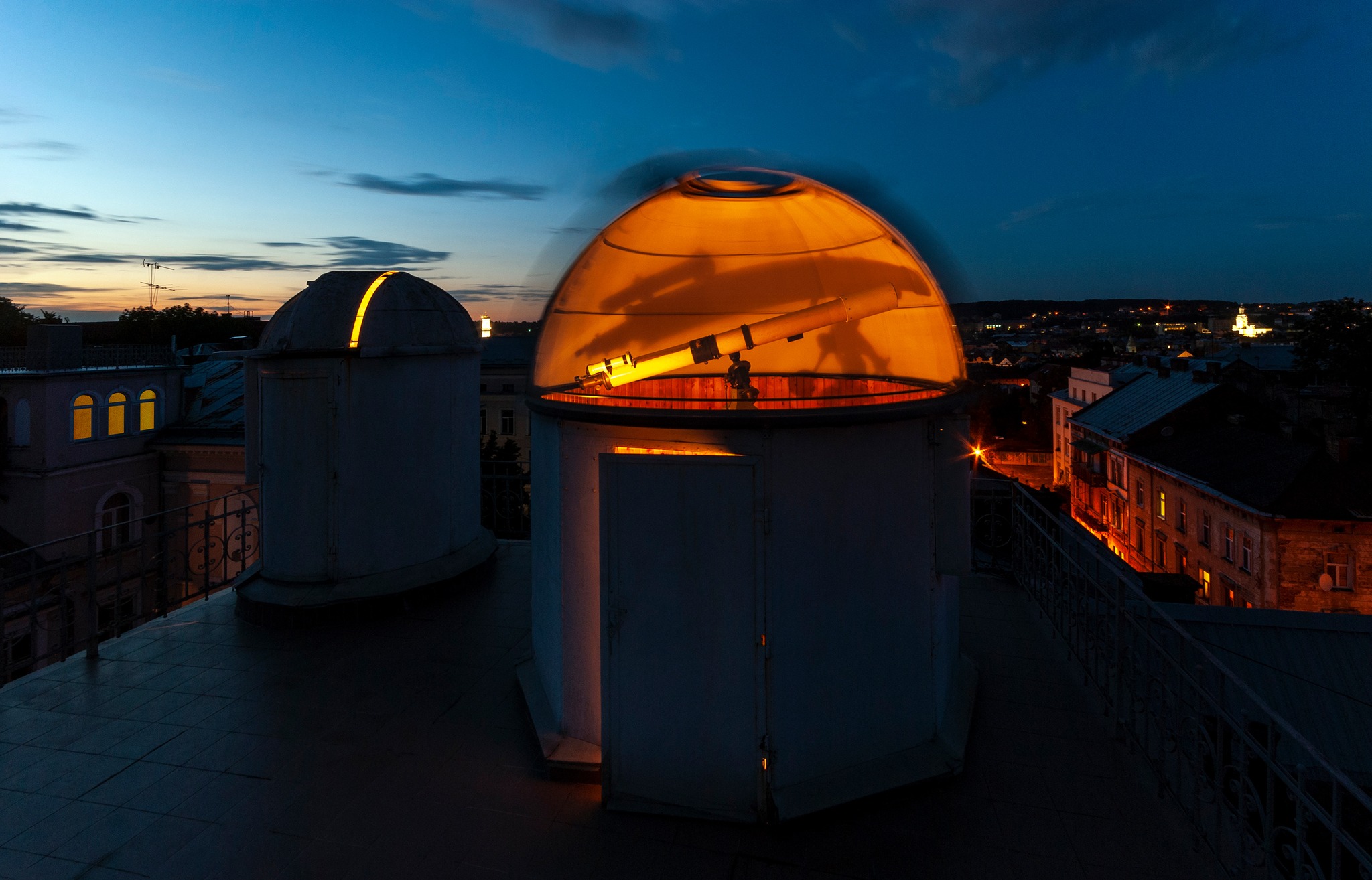
Astronomical Observatory


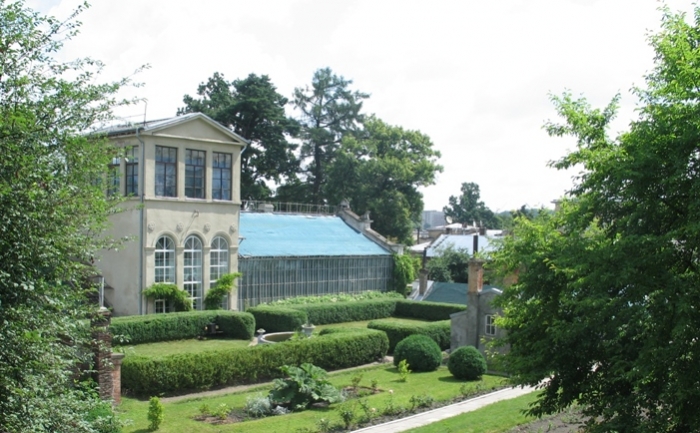
Botanical Garden


Faces of the University


Dormitory buildings


Media
Foundation and Early History
History of Lviv University
History of the Faculty of Journalism
Ivan Franko and the University
Curriculums
Rectors of the University
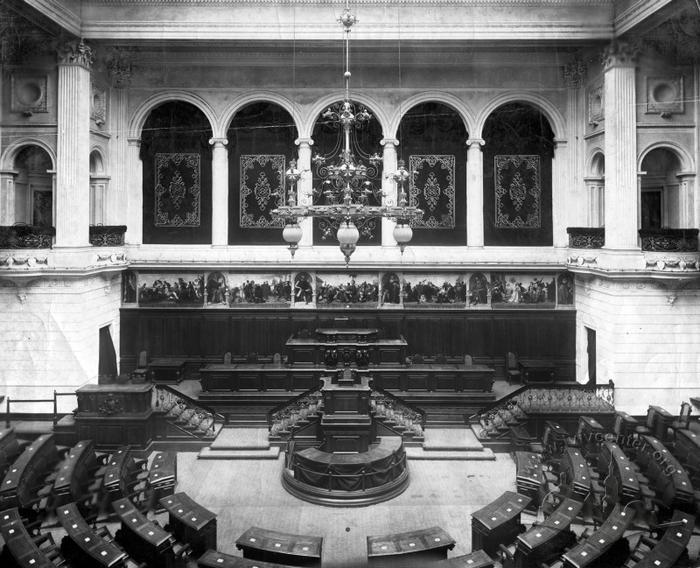
The Main Building of Lviv University
Extension to the Main Building of Lviv University
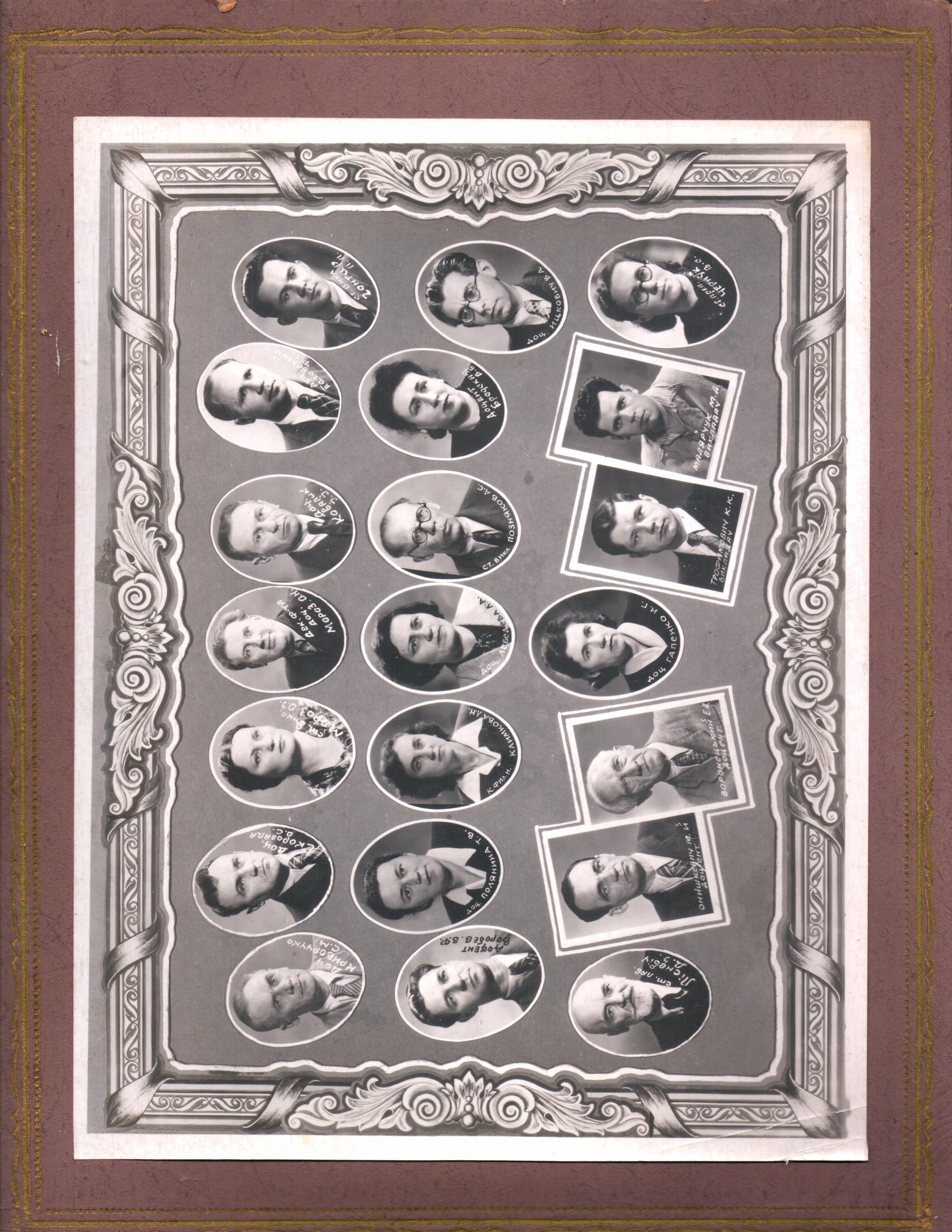
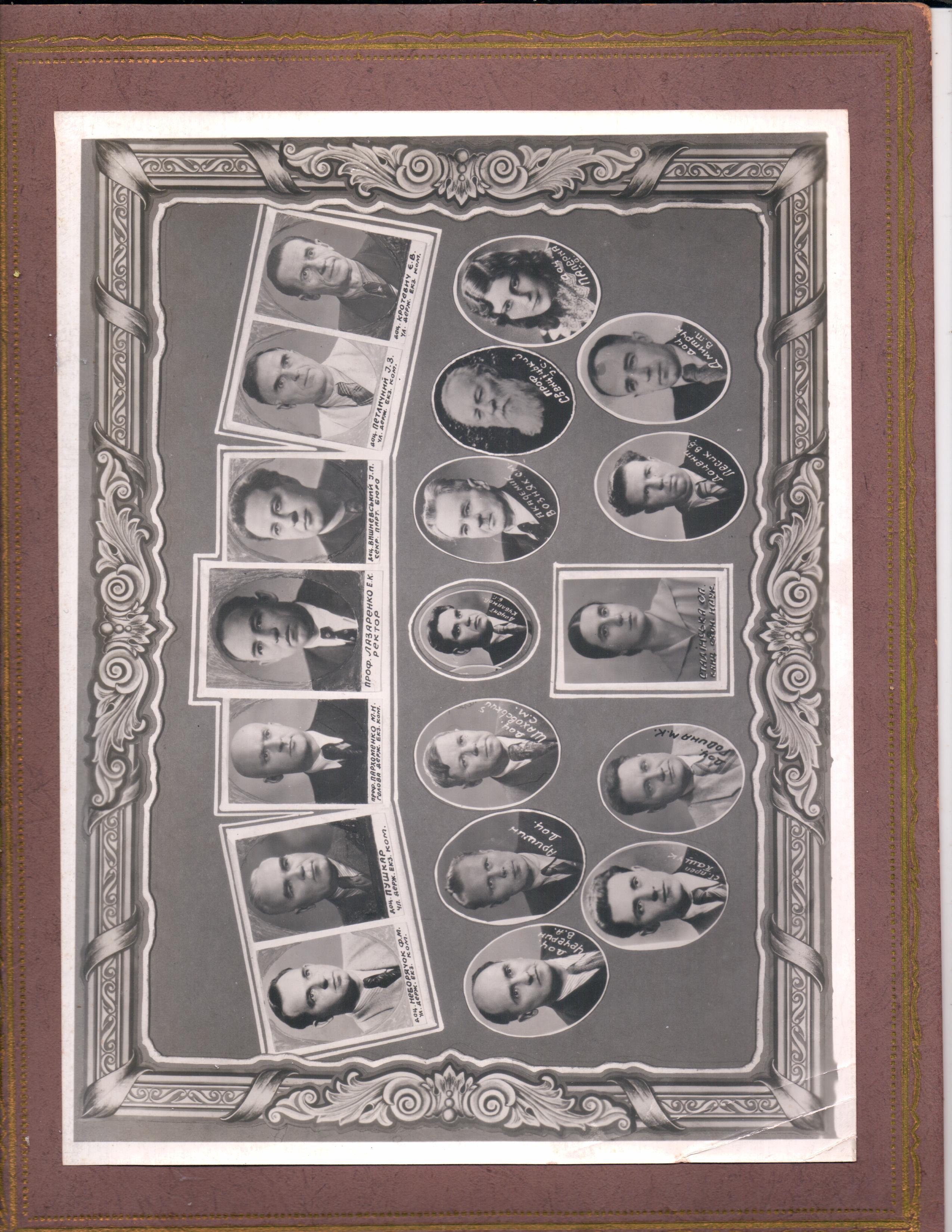
Staff
University of Lviv
View on Wikipedia
Key Information
| University rankings | |
|---|---|
| Global – Overall | |
| QS World[2] | 1201-1400 (2023) |
| THE World[3] | 1201–1500th (2023) |
| Regional – Overall | |
| QS Emerging Europe and Central Asia[4] | 191 (2022) |
The Ivan Franko National University of Lviv (named after Ivan Franko, Ukrainian: Львівський національний університет імені Івана Франка, romanized: Lvivskyi natsionalnyi universytet imeni Ivana Franka) is a state-sponsored university in Lviv, Ukraine. Since 1940 the university is named after Ukrainian poet Ivan Franko.
The university is the oldest institution[citation needed] of higher learning in continuous operation in present-day Ukraine, dating from 1661 when John II Casimir, King of Poland and Grand Duke of Lithuania, granted it its first royal charter. Over the centuries, it has undergone various transformations, suspensions, and name changes that have reflected the geopolitical complexities of this part of Europe. The present institution can be dated to 1940.
History
[edit]Polish–Lithuanian Commonwealth
[edit]The university was founded on 20 January 1661, when King and Grand Duke John II Casimir granted a charter to the city's Jesuit Collegium, founded in 1608, giving it "the honor of an academy and the title of a university". In 1589, the Jesuits had tried to found a university earlier, but did not succeed. Establishing another seat of learning in the Kingdom of Poland was seen as a threat by the authorities of Kraków's Jagiellonian University, which did not want a rival and stymied the Jesuits' plans for the following years.
According to the Treaty of Hadiach (1658), an Orthodox Ruthenian academy was to be created in Kyiv and another one in an unspecified location. The Jesuits suspected that it would be established in Lwów/Lviv on the foundations of the Orthodox Brotherhood's school, and used this as a pretext for obtaining a royal mandate that elevated their college to the status of an academy (no city could have two academies).[5][6] King John II Casimir was a supporter of the Jesuits and his stance was crucial. The original royal charter was subsequently confirmed by another decree issued in Częstochowa on 5 February 1661.
In 1758, King Augustus III issued a decree, which described the Collegium as an academy, equal in fact status to the Jagiellonian University, with two faculties, those of Theology and Philosophy.
Austrian rule
[edit]
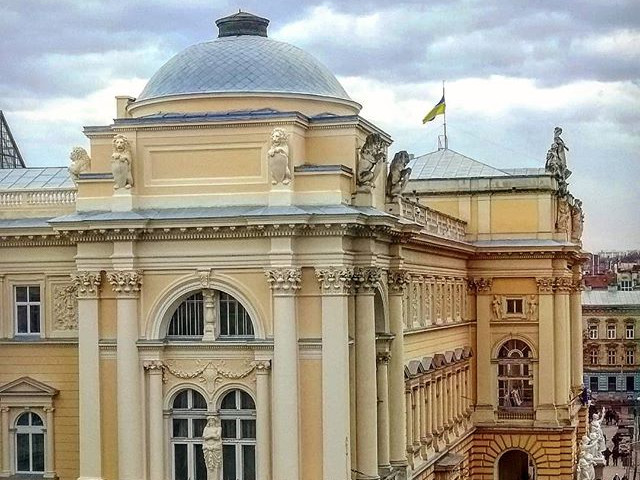
In 1772, the city of Lwów was annexed by Austria (see: Partitions of Poland). Its German name was Lemberg and hence that of the university. In 1773, the Suppression of the Society of Jesus by Rome (Dominus ac Redemptor) was soon followed by the partition of the Polish-Lithuanian Commonwealth which meant that the university was excluded from the Commission of National Education reform. It was renamed Theresianum by the Austrians, i.e. a State Academy. On 21 October 1784, the Austrian Emperor Joseph II signed an act of foundation of a secular university.[7] He began to Germanise the institution by bringing German-speaking professors from various parts of the empire. The university now had four faculties. To theology and philosophy were added those of law and medicine. Latin was the official language of the university, with Polish and German as auxiliary. Literary Slaveno-Rusyn (Ruthenian/Ukrainian) of the period had been used in the Studium Ruthenium (1787–1809), a special institute of the university for educating candidates for the Uniate (Greek-Catholic) priesthood.[8]
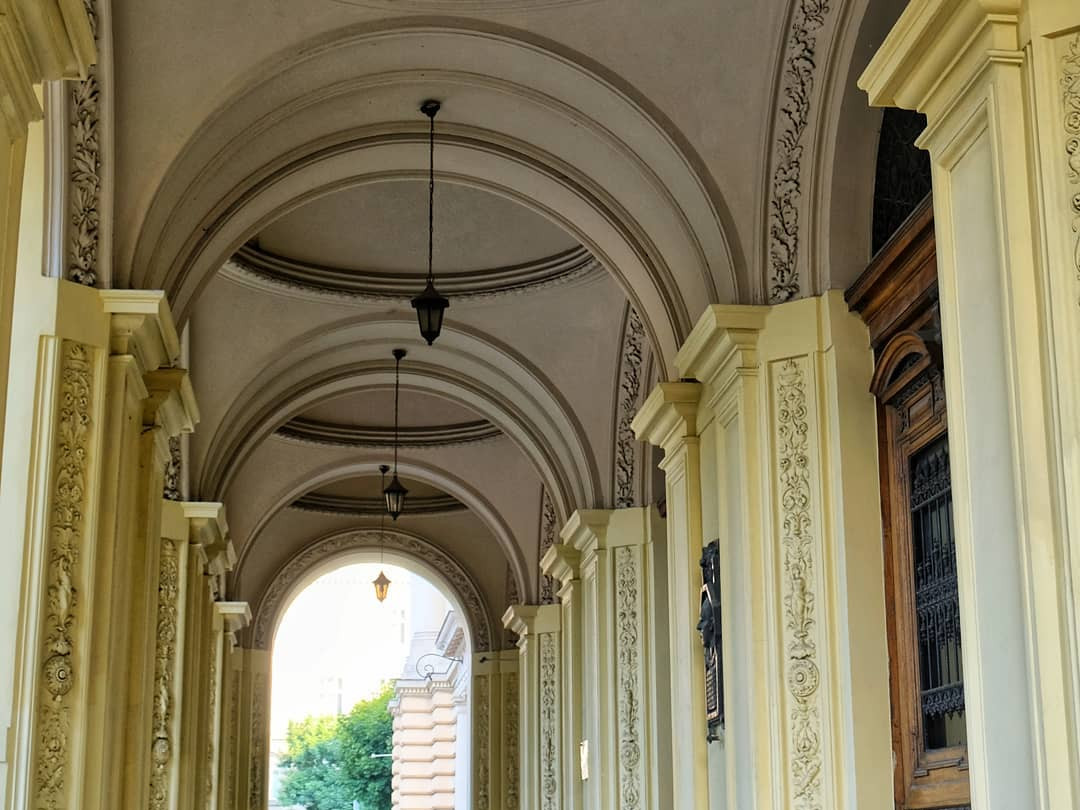
In 1805, the university was closed, as Austria, then involved in the Napoleonic wars, did not have sufficient funds to support it. Instead, it operated as a high school. The university was reopened in 1817.[7] Officially Vienna described it as an "act of mercy", but the actual reasons were different. The Austrian government was aware of the pro-Polish stance of the Russian Emperor Alexander I and the Austrians wanted to challenge it. However, the quality of the university's education was not considered high. Latin was replaced by German and most professors were regarded as ''mediocre''. The few good ones regarded their stay in Lemberg as a springboard to other centres.[citation needed]
In 1848, when the pan-European revolution reached Lemberg (see: Revolutions of 1848), students of the university created two organizations: "The Academic Legion" and "the Academic Committee" both of which demanded that the university be Polonized. The government in Vienna answered with force, and on 2 November 1848, the centre of the city was shelled by the troops led by General Hammerstein striking the buildings of the university, especially its library. A curfew was called and the university was temporarily closed. Major demand for Ukrainians was the education of teachers and promotion of Ukrainian culture through Ukrainian courses at the university and to this end, a committee for the Defense of Ukrainian Education was created.[9]: 58
It was reopened in January 1850, with only limited autonomy. After a few years the Austrians relented and on 4 July[citation needed] 1871 Vienna declared Polish and Ruthenian (Ukrainian) as the official languages at the university.[10] Eight years later this was changed. The Austrian authorities declared Polish as the main teaching medium with Ruthenian and German as auxiliary. Examinations in the two latter languages were possible as long as the professors used them. This move created unrest among the Ruthenians (Ukrainians), who were demanding equal rights. In 1908, a Ruthenian student of the philosophy faculty, Miroslaw Siczynski, had assassinated the Polish governor of Galicia, Andrzej Kazimierz Potocki.[citation needed]
Meanwhile, the University of Lemberg thrived, being one of two Polish language universities in Galicia, the other one was the Jagiellonian University in Kraków. Its professors were famous across Europe, with such renowned names as Wladyslaw Abraham, Oswald Balzer, Szymon Askenazy, Stanislaw Zakrzewski, Zygmunt Janiszewski, Kazimierz Twardowski, Benedykt Dybowski, Marian Smoluchowski and Ludwik Rydygier.
In the 1870s, Ivan Franko studied at Lemberg University. He entered world history as a well-known Ukrainian scholar, public figure, writer, and translator. In 1894, the newly founded Chair of World History and the History of Eastern Europe was headed by Professor Mykhailo Hrushevskyi (1866–1934), a scholar of Ukrainian History, founder of the Ukrainian Historical School, and author of the ten-volume History of Ukraine-Rusʹ, hundreds of works on History, History of Literature, Historiography, and Source Studies. In 1904, a special summer course in Ukrainian studies was organized in Lviv, primarily for Eastern Ukrainian students.[9]: 124
The number of students grew from 1,732 in 1897 to 3,582 in 1906. Poles made up around 75% of the students, Ukrainians 20%, other nationalities 5%.[6] In mid-December 1910, Ukrainian women students at Lviv University established a Student Union's women's branch, their twenty members meeting regularly to discuss current affairs. In July 1912, they met with their Jewish counterpart branch to discuss the representation of women in the student body of the university.[9]: 64
Second Polish Republic
[edit]
During the Interbellum period, the region was part of the Second Polish Republic and the university was known as "Jan Kazimierz University"[6][11] (Polish: Uniwersytet Jana Kazimierza), in honor of its founder, King John II Casimir Vasa. The decision to name the school after the king was taken by the government of Poland on 22 November 1919.[12]
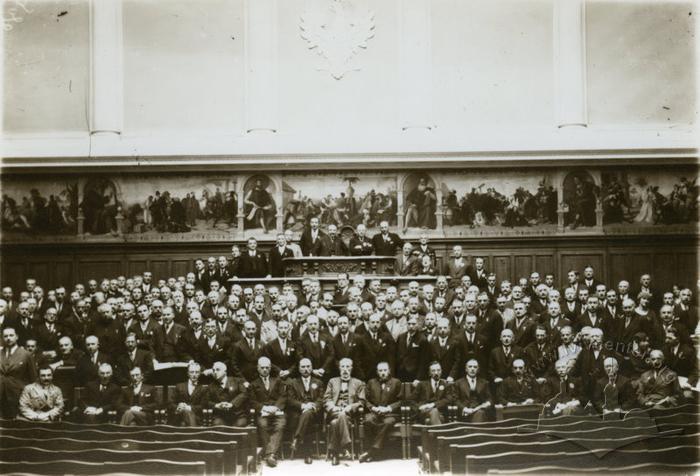
In 1920, the university was rehoused by the Polish government in the building formerly used by the Sejm of the Land,[12] which has since been the university's main location. Its first rector during the Second Polish Republic was the famous poet, Jan Kasprowicz.
Lwów was the second most important academic center in inter-war Poland.[13] The Jan Kazimierz University was the third biggest university[14] in the country after the University of Warsaw and the Jagiellonian University in Kraków. It was one of the most influential scholarly institutions of the Second Polish Republic, notable for its schools of mathematics (Stefan Banach, Hugo Steinhaus), logics (Kazimierz Twardowski), history and law (Oswald Balzer), anthropology (Jan Czekanowski), and geography (Eugeniusz Romer).[12][6][15]
The university's library acquired, among others, the collection of Witold Kazimierz Czartoryski and 1,300 old Polish books from the 16th and 17th century, previously belonging to Józef Koziebrodzki. By September 1939, it expanded to 420,000 volumes, including 1,300 manuscripts, 3,000 diplomas and incunables, and possessed 14,000 numismatic items.[16]
In 1924, the Philosophy Faculty was divided into Humanities and Mathematics and Biology Departments, thus there were now five faculties. In the 1934/35 academic year, the breakdown of the student body was as follows:
- Theology – 222 students
- Law – 2,978 students
- Medicine – 638 students (together with the Pharmaceutical Section, which had 263 students)
- Humanities – 892 students
- Mathematics and Biology – 870 students
Altogether, during the academic year 1934/35, there were 5900 students at the university, consisting by religious observance of:
- 3793 Roman Catholics (64.3%)
- 1211 Jews (20.5%)
- 739 Ukrainian Greek-Catholics (12.5%)
- 72 Orthodox (1.2%)
- 67 Protestants (1.1%)
Ukrainian professors were required to take a formal oath of allegiance to Poland; most of them refused and left the university in the early 1920s. The principle of "Numerus clausus" had been introduced after which Ukrainian applicants were discriminated against – Ukrainian applications were capped at 15% of the intake, whereas Poles enjoyed a 50% quota at the time.[17]
Polish national-democrats also strove to implement a numerus clausus for Jews. During the 1920-30s, Polish national-democratic students chased local Jews and beat Jewish students, so that the university finally allow installment of ghetto benches for Jewish students.[18]
World War II
[edit]After the German invasion of Poland and the accompanying Soviet invasion in September 1939, the Soviet administration permitted classes to continue. Initially, the school worked in the pre-war Polish system.[13] On 18 October, however, the Polish rector, Professor Roman Longchamps de Bérier, was dismissed and replaced by Mykhailo Marchenko, a Ukrainian historian transferred from the Institute of Ukrainian History in Kyiv,[13][19] grandfather of Ukrainian journalist and dissident Valeriy Marchenko. His role was to Ukrainize and Sovietize the university.[20][13] At the beginning of January 1940, the official name of the university was changed to Ivan Franko Lviv State University.[13] Ukrainian was introduced as the language of instruction.[21] Polish professors and administrative assistants were increasingly fired[13][19] and replaced by cadres specializing in Marxism, Leninism, political economics, as well as Ukrainian and Soviet literature, history, and geography. This was accompanied by the closure of departments seen as related to religion, free-market economics, capitalism, or the West in general. All academics specializing in Polish geography, literature, and history were dismissed.[13] Marchenko was released from his post in Spring 1940 and arrested in June 1941.[19] From 1939 to 1941, the Soviets killed 17 and imprisoned 37 academics from the University of Jan Kazimierz.[13]
After Lviv was occupied by the Nazi Germany in June 1941, the Germans closed the University of Ivan Franko[13] and killed over 20 Polish professors (as well as members of their households and guests, increasing the total number of victims to above forty).[13][22][23] The victims included lecturers from the University of Lviv and other local academic institutions. Among the killed was the last rector of the University of Jan Kazimierz, Roman Longchamps de Berier, his three sons,[13] and the former Polish prime minister and a polytechnic professor, Kazimierz Bartel.[24][a] The underground University of Jan Kazimierz was established in Autumn 1941.[13]
In the summer of 1944, the advancing Red Army, assisted by the Polish Home Army forces (locally implementing Operation Tempest), pushed the Wehrmacht out of Lviv.[25][26] and the university reopened.[7] Due to post-war border changes, the Polish population of the city was expelled[27][28] and most of the Polish academics from the University of Jan Kazimierz relocated to Wrocław (former Breslau), where they filled positions in the newly established Polish institutions of higher learning.[29][30] The buildings of the university had survived the war undestroyed, however, 80% of its pre-war student and academic body was gone.[31] The traditions of Jan Kazimierz University have been duplicated at the University of Wrocław, which replaced the pre-war University of Breslau after the German inhabitants of that city had been expelled following Stalin's establishing Germany's eastern border farther to the west.
Ukrainian SSR
[edit]This section needs expansion. You can help by adding to it. (May 2021) |
In 1964, a monument dedicated to Ivan Franko was built in front of the university.[32]
Independent Ukraine
[edit]
The proclamation of the independence of Ukraine in 1991 brought about radical changes in every sphere of university life.[7] Professor, Doctor Ivan Vakarchuk, a renowned scholar in the field of theoretical physics, was rector of the university from 1990 to 2013. Meeting the requirements arising in recent years new faculties and departments have been set up: the Faculty of International Relations and the Faculty of Philosophy (1992), the Faculty of Pre-Entrance University Preparation (1997), the Chair of Translation Studies and Comparative Linguistics (1998). Since 1997 the following new units have come into existence within the teaching and research framework of the university: the Law College, The Humanities Centre, The Institute of Literature Studies, and The Italian Language and Culture Resource Centre. The teaching staff of the university has increased amounting to 981, with scholarly degrees awarded to over two-thirds of the entire teaching staff. There are over one hundred laboratories and working units as well as the Computing Centre functioning here. The Zoological, Geological, Mineralogical Museums together with those of Numismatics, Sphragistics, and Archeology are stimulating the interests of students.[17]
Faculties
[edit]- Faculty of Applied Mathematics and Informatics[33]
- Faculty of International Relations[34]
- Faculty of Biology[35]
- Faculty of Journalism[36]
- Faculty of Chemistry[37]
- Faculty of Law[38]
- Faculty of Economics[39]
- Faculty of Mechanics and Mathematics[40]
- Faculty of Electronics[41]
- Faculty of Philology[42]
- Faculty of Foreign Languages[43]
- Faculty of Philosophy[44]
- Faculty of Geography[45]
- Faculty of Physics[46]
- Faculty of Geology[47]
- Faculty of Preuniversity Training[48]
- Faculty of History[49]
- Department of Pedagogy[50]
- Department of Law[51]
Research divisions and facilities
[edit]- Scientific Research Department[52]
- Zoological museum[53]
- University Library[54]
- Journal of Physical Studies[55]
- The Institute of Archaeology[56]
- Ukrainian journal of computational linguistics[57]
- Media Ecology Institute[58]
- Modern Ukraine[59]
- Institute for Historical Research[60]
- Regional Agency for Sustainable Development[61]
- Botanical Garden[62]
- NATO Winter Academy in Lviv[63]
- Scientific technical & educational center of low temperature studies[64]
University management
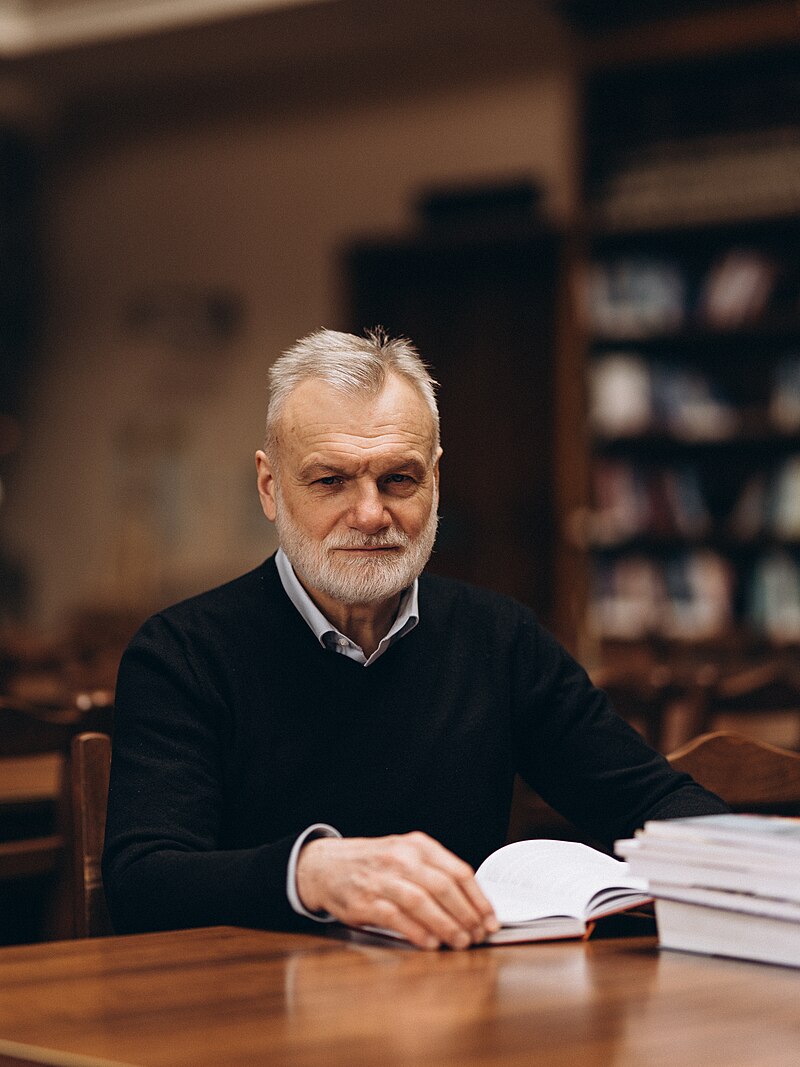
[edit]- Rector Volodymyr Melnyk, Doctor of Philosophy, Professor, Corresponding Member of the National Academy of Sciences of Ukraine;[65]
- First Vice-Rector Andriy Gukalyuk, Candidate of Economic Sciences, Associate Professor;
- Vice-Rector for Research Roman Hladyshevsky, Corresponding Member of the National Academy of Sciences of Ukraine, Doctor of Chemical Sciences, Professor;
- Vice-rector for scientific and pedagogical work and social issues and development Volodymyr Kachmar, Candidate of Historical Sciences, Associate Professor;
- Vice-rector for scientific and pedagogical work and informatization Vitaliy Kukharsky, Candidate of Physical and Mathematical Sciences, Associate Professor;
- Vice-rector for administrative and economic work Vasyl Kurlyak, Candidate of Physical and Mathematical Sciences, Associate Professor.[65]
International cooperation
[edit]During 2016–2017, the university signed 15 cooperation agreements and two double degree agreements, two agreements were extended. In total, 147 agreements have been signed with higher education institutions from 38 countries.
The university is involved in signing the Magna Charta Universitatum. In 2000, the university became a co-founder of the European College of Polish and Ukrainian Universities (Lublin, Poland). Agreements with Alecu Russo State University of Bălți (Bălți, Moldova) and the Krakow Pedagogical Academy (Poland) have been extended.
Students of the faculty of Geography, History and the faculty of International Relations undergo internships in Poland, Germany, Austria, Hungary, the Czech Republic, and Slovakia. Employees of the faculty of Mechanics, Mathematics, Philology, Chemistry, Faculty of International Relations and Applied Mathematics and Informatics worked in higher education institutions in Poland, Colombia, France, Switzerland, and Austria on a contract basis. Many graduates continue their studies in higher education institutions in the United States, Poland, Germany, Austria, Britain, and France. In 2016, Ivan Franko National University of Lviv held 5 international summer schools.
In 2016, active international cooperation was established with foreign partners. The university has conducted bilateral research with the University of Vienna (Austria), Kaunas University of Technology (Lithuania), the US Civilian Research and Development Foundation, and the Hiroshima Institute of Technology (Japan), funded by the Ministry of Education and Science of Ukraine.
In recent years, researchers at the university have been conducting experiments funded by international organizations, including the Max Planck Institute for Biophysical Chemistry (Germany), Harvard Medical School (USA), Novartis Institute for Biomedical Research (USA), and the Canadian Institute of Ukrainian Studies at the University of Alberta, International Center for Diffraction Data (USA), Andrew W. Mellon Foundation (USA), Trust Educational Foundation for Tree Research (USA), Material. Phases. Data. System company (Switzerland).
An agreement has been signed with CrossRef, which allows the DOI to be assigned to university publications. The university, with the financial support of the Ministry of Education and Science of Ukraine, has a national contact point of the EU Framework Program "Horizon 2020" in the thematic areas "Future and latest technologies" and "Inclusive, innovative and smart society".
Notable alumni
[edit]- Roman Aftanazy (1914–2004), historian of culture, librarian, heritage rescuer
- Kazimierz Ajdukiewicz (1890–1963), philosopher, mathematician and logician, a pioneer of categorial grammar
- Marta Barandii (b. 1984), Ukrainian member activist and lawyer
- Piotr Ignacy Bieńkowski (1865–1925), classical scholar and archaeologist, professor of the Jagiellonian University
- Julia Brystiger (1902–1975), political militant, member of the security apparatus of the Polish People's Republic
- Józef Białynia Chołodecki (1852–1934), historian of Lviv.
- Marianna Dushar (b. 1974), anthropologist and food writer.
- Ivan Franko (1856–1916), poet and linguist, reformer of the Ukrainian language
- Ludwik Fleck (1896–1961), medical doctor and biologist who developed in the 1930s the concept of thought collectives
- Stanisław Głąbiński (1862–1941) politician, professor and rector (1908–1909) of the university, lawyer and writer
- Georgiy R. Gongadze (1969–2000), Georgian and Ukrainian journalist
- Ludwik Hass (1918-2008), Polish historian and Trotskyist dissident
- Mark Kac (1914–1984), mathematician, pioneer of modern probability theory
- Wiktor Kemula (1902–1985), chemist
- Yevhen Konovalets (1891–1938) leader of the Organization of Ukrainian Nationalists between 1929 and 1938
- Ihor Kobrin (1951–2023), film director
- Emil Korytko (1813–1839), Polish philologist and ethnologist who worked in the Slovene Lands
- Stanisław Kot (1885–1975), scientist and politician, member of the Polish Government in Exile
- Tadeusz Kotarbiński (1881–1981), philosopher, mathematician, logician
- Hersch Lauterpacht (1897–1960), lawyer and Developer of the legal concept of "Crimes Against Humanity" in the Nuremberg Trials and writer of "An International Bill of the Rights of Man"
- Pinhas Lavon (1904–1976), Israeli politician
- Raphael Lemkin (1900–1959), lawyer who introduced the term "genocide", an author of the United Nations' Convention on Genocide
- Mariya Lyudkevych (b. 1948), writer and poet
- Antoni Łomnicki (1881–1941), mathematician
- Jan Łukasiewicz (1878–1956), mathematician
- Stanisław Maczek (1892–1994), commander of the First Polish Armoured Division, the last Commander of the First Polish Army Corps under Allied Command
- Kazimierz Michałowski (1901–1981), archeologist and Egyptologist
- Semyon Mogilevich (1946–), economist and mafia boss
- Bohdan Ihor Antonych (1909–1937), prominent Ukrainian writer
- Jan Parandowski (1895–1978), writer, essayist, and translator, expert on classical antiquity
- Helena Polaczkówna (1881–1942), historian and archivist, war activist
- Maria Polaczkówna (1878–1944), historian and archivist, war activist
- Stepan Popel (1909–1987), Ukrainian chess player and linguist
- Maciej Rataj (1884–1940), Polish politician, acting president
- Jaroslav Rudnyckyj (1910–1995), Ukrainian Canadian linguist, lexicographer, folklorist
- Ivan L. Rudnytsky (1919–1984), Canadian historian of Ukraine, political scientist, Public intellectual
- Marta Rzewuska-Frankowska (1889–1954), Polish anthropologist, educator
- Leon Reich (1879–1929), lawyer and member of the Sejm of Poland
- Zoryslava Romovska (born 1940), lawyer, politician and People's Deputy of Ukraine in the Verkhovna Rada
- Józef Schreier (1909–1943), mathematician
- Bruno Schulz (1892–1942), novelist and painter
- Markiyan Shashkevych (1811–1843), Ukrainian poet
- Zoia Skoropadenko (1978–), Ukrainian artist
- Josyf Slipyj (1892–1984), head of the Ukrainian Greek Catholic Church
- Louis B. Sohn (1914–2006), international law scholar and advisor, helped create the International Court of Justice, advisor to United States State Department, chaired professor at Harvard University and University of Georgia law schools in the United States
- Leonid Stein (1934–1973), grandmaster and Soviet Chess Champion
- Hugo Steinhaus (1887–1982), mathematician, educator, and humanist
- Julian Stryjkowski (1905–1996), Polish-Jewish journalist and writer
- Constantin Tomaszczuk (1840–1889), Romanian jurist and professor, first rector of the University of Czernowitz
- Irena Turkevycz-Martynec (1899–1983), Ukrainian Opera Soprano
- Stefania Turkewich (1898–1977), Ukrainian composer, pianist, and musicologist
- Stanislaw Ulam (1909–1984) He participated in the Manhattan Project, originated the Teller–Ulam design of thermonuclear weapons, discovered the concept of the cellular automaton, invented the Monte Carlo method of computation, and suggested nuclear pulse propulsion.
- Yuri Velykanovych (1910–1938), journalist, volunteer of the International Brigades
- Aizik Isaakovich Vol'pert (1923–2006), mathematician and chemical engineer
- Rudolf Weigl (1883–1957), biologist and inventor of the first effective vaccine for epidemic typhus
- Władysław Witwicki (1878–1948), psychologist, philosopher, translator and artist
- Liubomyr Zubach (b. 1978), Ukrainian politician
Notable professors
[edit]- Henryk Arctowski (1871–1958) - oceanographer, Antarctica explorer
- Szymon Askenazy (1866–1935) - historian, diplomat and politician, founder of the Lwów-Warsaw School of History
- Herman Auerbach (1901–1942) - mathematician
- Stefan Banach (1892–1945) - mathematician, one of the moving spirits of the Lwów School of Mathematics, father of functional analysis
- Oswald Balzer (1858–1933) - historian of law and statehood
- St. Józef Bilczewski (1860–1923) - archbishop of the city of Lwów of the Latins
- Franciszek Bujak (1921–1941) - historian
- Leon Chwistek (1884–1944) - Avant-garde painter, theoretician of modern art, literary critic, logician, philosopher and mathematician
- Antoni Cieszyński (1882–1941) - physician, dentist and surgeon
- Matija Čop (1797–1835) - Slovene philologist and literary theorist
- Jan Czekanowski (1882–1965) - anthropologist, statistician and linguist
- Władysław Dobrzaniecki (1897–1941) - physician and surgeon
- Stanisław Głąbiński (1862–1941) - politician, rector (1908–1909), lawyer and writer
- Yakiv Holovatsky (1814–1888) - poet
- Mykhailo Hrushevsky (1866–1934) - historian, organizer of scholarship, leader of the pre-revolution Ukrainian national movement, head of Ukraine's parliament, first president of Ukraine, who wrote an academic book titled: "Bar Starostvo: Historical Notes: XV-XVIII" about the history of Bar, Ukraine.[66]
- Stefan Inglot (1902–1994) - historian
- Zygmunt Janiszewski (1888–1920) - mathematician
- Antoni Kalina (1846–1905) - ethnographer and ethnologist
- Stefan Kaczmarz (1895-1939) - mathematician
- Ignacy Krasicki (1735–1801) - writer and poet, senator, Bishop of Warmia and Archbishop of Gniezno and Primate of Poland
- Jerzy Kuryłowicz (1895–1978) - linguist
- Karolina Lanckorońska (1898–2002) - historian and art historian, Polish World War II resistance fighter
- Jan Łukasiewicz (1878–1956) - logician and philosopher
- Ignác Martinovics (1755–1795) - physicist, Franciscan, Hungarian revolutionary
- Stanisław Mazur (1905–1981) - mathematician
- Jakub Karol Parnas (1884–1949) - (Russian: Яков Оскарович Парнас or Yakov Oskarovich Parnas). A Jewish-Polish–Soviet biochemist author of notable studies on carbohydrates metabolism in mammals. Glycolysis, a major metabolic mechanism, is universally named Embden-Meyerhoff-Parnas pathway after him.
- Eugeniusz Romer (1871–1954) - cartographer
- Eugeniusz Rybka (1898–1988) - astronomer, deputy director of the International Astronomical Union,
- Stanisław Ruziewicz (1881–1941) - mathematician
- Wacław Sierpiński (1882–1969) - mathematician, known for contributions to set theory, number theory, theory of functions and topology
- Marian Smoluchowski (1872–1917) - scientist, pioneer of statistical physics, creator the basis of the theory of stochastic processes, mountaineer
- Hugo Steinhaus (1887–1972), mathematician
- Szczepan Szczeniowski (1898-1979) - physicist, author of numerous papers on cosmic rays,
- Kazimierz Twardowski (1866–1938), philosopher and logician, head of the Lwów-Warsaw School of Logic
- Tadeusz Boy-Żeleński (1874–1941) - gynecologist, writer, poet, art critic, translator of French literary classics and journalist
- Rudolf Weigl (1883-1957) - biologist, epidemiologist
- Aleksander Zawadzki (1798-1868) - naturalist
- Viktor Pynzenyk (born 1954) - economist and politician
Other
[edit]- Włodzimierz Dzieduszycki (1825–1899), landowner, naturalist, political activist, collector and patron of arts
- Stanisław Lem (1921–2006), satirical, philosophical, and science fiction writer
- Ignacy Jan Paderewski (1860–1941) virtuoso pianist, composer, diplomat and politician, the third Prime Minister of Poland
- János Bolyai (1802–1860) The founder of noneuclidean (absolute) geometry. The highest figure of Hungarian mathematics worked at the University of Lviv from 1831 to 1832.
See also
[edit]- List of early modern universities in Europe
- Massacre of Lwów professors
- Ukrainian Free University
- List of universities in Ukraine
- Publishing house Svit, closely connected to the University of Lviv since 1946
Notes
[edit]- ^ The extent to which Ukrainian nationalists may have been involved in identifying and selecting some of the victims is still a matter of debate, as Polish historian Adam Redzik wrote, while a group of Ukrainian nationalist students most likely helped to prepare the lists of Polish academics, it is unlikely they expected or knew about their intended purposes (i.e., the executions).[13]
References
[edit]- ^ "Ректор". Retrieved 16 September 2025.
- ^ "Ivan Franko National University of Lviv".
- ^ "Ivan Franko National University of Lviv". 17 November 2021.
- ^ "QS World University Rankings-Emerging Europe & Central Asia". Retrieved 15 January 2023.
- ^ Isaievych, Iaroslav (2006). Voluntary Brotherhood: Confraternities of Laymen in Early Modern Ukraine. Canadian Institute of Ukrainian Studies. p. 153.
- ^ a b c d Woleński, Jan (1997). "Lvov". In Poli, Roberto (ed.). In Itinere: European Cities and the Birth of Modern Scientific Philosophy. Rodopi. pp. 163, 165.
- ^ a b c d "Lviv University". www.encyclopediaofukraine.com.
- ^ Magocsi, Paul R. A history of Ukraine: the land and its peoples. University of Toronto Press, 2010. Pg. 425.
- ^ a b c Bohachevsky-Chomiak, Martha. Feminists Despite Themselves: Women in Ukrainian Community Life, 1884-1939. Canadian Institute of Ukrainian Studies, University of Alberta, Edmonton, 1988.
- ^ Strauss, Johann. "Language and power in the late Ottoman Empire" (Chapter 7). In: Murphey, Rhoads (editor). Imperial Lineages and Legacies in the Eastern Mediterranean: Recording the Imprint of Roman, Byzantine and Ottoman Rule (Volume 18 of Birmingham Byzantine and Ottoman Studies). Routledge, 7 July 2016. ISBN 1317118448, 9781317118442. Google Books PT196.
- ^ Dębiński, Antoni; Pyter, Magdalena (2013). "The role of Jan Kazimierz University in the process of development of legal studies at the Catholic University of Lublin (1918–1939)". Visnyk of the Lviv University. Series History. 49: 147.
- ^ a b c Ciara, Stefan (2011). "De Universitate Leopoliensi eiusque tabulario brevis expositio". The Lviv University Archives (until 1939)". Biuletyn Polskiej Misji Historycznej (6): 111. ISSN 2083-7755.
- ^ a b c d e f g h i j k l m Redzik, Adam (2004). "Polish Universities During the Second World War. Encuentros de Historia Comparada Hispano-Polaca / Spotkania poświęcone historii porównawczej hiszpańsko-polskiej. Conference" (PDF). gomezurdanez.com. Retrieved 31 May 2021.
- ^ Service 2013, p. 297.
- ^ Joseph Rothschild (2017). East Central Europe between the Two World Wars. University of Washington Press. p. 382. ISBN 978-0-295-80364-7.
- ^ Allen Kent; Harold Lancour; William Z. Nasri (1968). Encyclopedia of Library and Information Science. Vol. 23. M. Dekker. p. 31. ISBN 978-0-8247-2023-0.
- ^ a b "Ivan Franko National University of L'viv". www.lnu.edu.ua. Archived from the original on 13 May 2013.
- ^ Mick, Christoph (2011). "Lemberg/Lwów/L'viv - die multiethnische Stadt". In Matthias Weber, Burkhard Olschowsky, Ivan Petranský, Attila Pók, Andrzej Przewoźnik (ed.). Erinnerungsorte in Ostmitteleuropa: Erfahrungen der Vergangenheit und Perspektiven (in German). Oldenbourg. p. 131.
{{cite book}}: CS1 maint: multiple names: editors list (link) - ^ a b c Plokhy, Serhii (2017). Lost Kingdom: The Quest for Empire and the Making of the Russian Nation. Basic Books. p. 266. ISBN 978-0465098491.
- ^ Yilmaz, Harun (2015). National Identities in Soviet Historiography: The Rise of Nations under Stalin. Routledge. p. 82. ISBN 978-0415842587.
- ^ Fouse, Gary C. (2000). The Languages of the Former Soviet Republics: Their History and Development. University Press of America. p. 44. ISBN 978-0761816072.
- ^ Wolff, Larry (2010). The Idea of Galicia: History and Fantasy in Habsburg Political Culture. Stanford University Press. p. 350. ISBN 978-0804762670.
- ^ Brandon, Ray; Lower, Wendy, eds. (2010). The Shoah in Ukraine: History, Testimony, Memorialization. Indiana University Press. p. 151. ISBN 978-0253222688.
- ^ Amar 2015, p. 101.
- ^ Snyder, Timothy (2003). The Reconstruction of Nations: Poland, Ukraine, Lithuania, Belarus, 1569–1999. Yale University Press. p. 177. ISBN 978-0300105865.
- ^ Roszkowski, Wojciech (2015). East Central Europe. A Concise History. PAN. p. 264. ISBN 9788364091483.
- ^ Risch, William Jay (2011). The Ukrainian West Culture and the Fate of Empire in Soviet Lviv. Harvard University Press. p. 33. ISBN 978-0674050013.
- ^ Amar, Tarik Cyril (2015). The Paradox of Ukrainian Lviv: A Borderland City between Stalinists, Nazis, and Nationalists. Cornell University Press. p. 20. ISBN 978-0801453915.
- ^ Service, Hugo (2013). Germans to Poles: Communism, Nationalism and Ethnic Cleansing after the Second World War (New Studies in European History). Cambridge University Press. pp. 314–315. ISBN 978-1107671485.
- ^ Connelly, John (2000). Captive University: The Sovietization of East German, Czech, and Polish Higher Education, 1945-1956. University of North Carolina Press. pp. 103–104. ISBN 978-0807848654.
- ^ Dobosh, Elena (2016). "Universities with multicultural disrupted past: what meanings current students attribute to them?". Journal of Education Culture and Society (2): 34–35. ISSN 2081-1640.
- ^ Risch 2011, p. 49.
- ^ "Головна". Ami.lnu.edu.au.
- ^ "Головна". Intrel.lnu.edu.au.
- ^ "Faculty of Biology of Ivan Franko National University of Lviv". Bioweb.lnu.edu.au.
- ^ "Головна". Journ.lnu.edu.au. Retrieved 25 February 2019.
- ^ "Хімічний факультет". Chem.lnu.edu.au.
- ^ "Головна". Law.lnu.edu.au.
- ^ "Економічний факультет ЛНУ". Econom.lnu.edu.au.
- ^ "Механіко-математичний факультет Львівського національного університету імені Івана Франка". Mmf.lnu.edu.au.
- ^ "Головна". Electronics.lnu.edu.au.
- ^ "Головна". Philology.lnu.edu.au.
- ^ "Головна". Lingua.lnu.edu.au.
- ^ "Головна". Filos.lnu.edu.au.
- ^ http://geograf.lnu.edu.ua Archived 2013-06-22 at the Wayback Machine
- ^ "Головна". Physics.lnu.edu.au.
- ^ "Головна". Geology.lnu.edu.au.
- ^ "Головна". Ipodp.lnu.edu.au.
- ^ "Головна". Clio.lnu.edu.au.
- ^ "Department of Teaching Methodology of the Ivan Franko National University of Lviv". Archived from the original on 9 July 2012. Retrieved 5 September 2012.
- ^ "Головна". Prk.lnu.edu.au. Archived from the original on 6 April 2016. Retrieved 21 April 2016.
- ^ "Науково-дослідна частина". Research.lnu.edu.au.
- ^ "Зоологічний музей Львівського національного університету імені Івана Франка". Zoomus.lnu.edu.au.
- ^ "Archived copy". Archived from the original on 15 July 2018. Retrieved 12 April 2019.
{{cite web}}: CS1 maint: archived copy as title (link) - ^ "Journal of Physical Studies". Ktf.lnu.edu.au. Retrieved 1 April 2024.
- ^ "The Institute of Archaeology of the Ivan Franko National University o…". Archived from the original on 22 December 2012.
- ^ [1][permanent dead link]
- ^ "Про нас". Lnu.lnu.edu.au.
- ^ "Modern Ukraine". Archived from the original on 2 January 2013. Retrieved 5 September 2012.
- ^ "Institute for Historical Research". Archived from the original on 22 December 2012. Retrieved 5 September 2012.
- ^ "Регіональне агенство стійкого розвитку". Archived from the original on 28 March 2013. Retrieved 5 September 2012.
- ^ "Botanical Garden". Archived from the original on 22 December 2012. Retrieved 5 September 2012.
- ^ "Winter Academy in Lviv". www.lnu.edu.ua. Archived from the original on 22 December 2012. Retrieved 3 February 2022.
- ^ "Scientific-Technical and Educational Center of Low Temperature Studies". Archived from the original on 9 July 2012. Retrieved 5 September 2012.
- ^ a b "Проректори". Львівський національний університет імені Івана Франка (in Ukrainian). Retrieved 6 April 2021.
- ^ Hrushevsky, M., Bar Starostvo: Historical Notes: XV-XVIII, St. Vladimir University Publishing House, Bol'shaya-Vasil'kovskaya, Building no. 29–31, Kiev, Ukraine, 1894; Lviv, Ukraine, ISBN 5-12-004335-6, pp. 1 – 623, 1996.
Literature
[edit]- Academia Militans. Uniwersytet Jana Kazimierza we Lwowie, red. Adam Redzik, Kraków 2015, ss. 1302.
- Ludwik Finkel, Starzyński Stanisław, Historya Uniwersytetu Lwowskiego, Lwów 1894.
- Franciszek Jaworski, Uniwersytet Lwowski. Wspomnienie jubileuszowe, Lwów 1912.
- Adam Redzik, Wydział Prawa Uniwersytetu Lwowskiego w latach 1939–1946, Lublin 2006
- Adam Redzik, Prawo prywatne na Uniwersytecie Jana Kazimierza we Lwowie, Warszawa 2009.
- Józef Wołczański, Wydział Teologiczny Uniwersytetu Jana Kazimierza 1918–1939, Kraków 2000.
- Universitati Leopoliensi, Trecentesimum Quinquagesimum Anniversarium Suae Fundationis Celebranti. In Memoriam. Praca zbiorowa. Polska Akademia Umiejętności, Kraków 2011, ISBN 978-83-7676-084-1
External links
[edit]- History of the University of Lviv to 1945 (in Polish)
Scholars and Literati at the University of Lwów (1608-1800), in Repertorium Eruditorum Totous Europae/RETE.
University of Lviv
View on GrokipediaHistorical Development
Founding and Jesuit Period (1661–1784)
The Jesuit college in Lviv, established by the Society of Jesus around 1608 following their arrival in the city in 1591, received elevated status on January 20, 1661, when King John II Casimir Vasa issued a royal diploma granting it "the dignity of an academy and the title of a university."[1] This charter permitted the institution to teach all university disciplines and confer academic degrees, including bachelor, licentiate, master, and doctor.[1] The academy operated from facilities near Krakivska Street, maintaining its own library and one of the largest printing houses in the region.[1] Under Jesuit administration from 1661 until the order's suppression in 1773, the academy remained fully subordinate to the Jesuit General in Rome and was governed by a rector appointed from within the order.[1] Enrollment grew steadily, reaching approximately 500 students with 8 teachers by 1667 and expanding to around 700 students served by 15–17 instructors by the mid-18th century; the faculty was predominantly Polish (about 75%), with the remainder comprising Ukrainians and other nationalities.[1] The institution functioned dually as a higher academy and a preparatory collegium akin to a secondary school, emphasizing the Jesuit Ratio Studiorum curriculum focused on philosophy—drawing from Aristotle's system, including logic, physics, and metaphysics—and theology, which encompassed church history, scriptural exegesis, and canon law.[1] Notable advancements included the establishment of a mathematics department in 1744 under Franciscan Grodzicki, which introduced a laboratory for mathematical physics and an astronomical observatory, reflecting gradual expansions beyond core Jesuit humanities.[1] Historical studies were incorporated incrementally into the program, initially as auxiliary elements within rhetoric and philosophy courses, evolving by the late 18th century to include more systematic treatments of chronology and civil history, though still framed within theological priorities.[8] The academy's operations ceased in 1773 following Pope Clement XIV's bull Dominus ac Redemptor, which suppressed the Society of Jesus worldwide amid political pressures from European monarchs, leading to the dispersal of Jesuit personnel and temporary closure of the Lviv institution.[9] Between 1773 and 1784, the academy's assets were sequestered under Habsburg oversight after Poland's partitions placed Lviv in Austrian Galicia, paving the way for its reorganization as a secular university by Emperor Joseph II's decree in October 1784.[10]Secularization and Austrian Habsburg Era (1784–1918)
In 1784, Holy Roman Emperor Joseph II issued a decree on October 21 establishing the University of Lviv as a secular state institution, transforming the former Jesuit academy—suppressed empire-wide in 1773—into a modern university aimed at training administrative and professional elites for the newly acquired Galician province.[9] The institution opened on November 16, 1784, initially comprising four faculties: philosophy, law, medicine, and theology, with instruction primarily in Latin and preparatory training in German to align with Habsburg educational reforms emphasizing practical governance and Enlightenment rationalism.[1] Enrollment began modestly, reflecting the university's role in bolstering imperial bureaucracy rather than broad popular access, though it included a Studium Ruthenum from 1787 for Ruthenian (Ukrainian) clerical education, signaling limited recognition of local linguistic needs.[9] By the early 19th century, amid Napoleonic disruptions and fiscal constraints, the university was downgraded to a lyceum in 1805, limiting its scope to philosophy, law, theology, and a surgery school, which curtailed advanced research and degree-granting authority.[9] Restoration came in 1817 under Emperor Francis I, who refounded it as a full university bearing his name, reinstating faculties of philosophy, law, and medicine (with theology handled separately by the Theological Academy), and shifting primary instruction to German to integrate Galicia into the empire's German-centric administrative framework.[1] Student numbers grew from 869 in 1817 to 1,643 by 1827, driven by expanding provincial needs, though the curriculum emphasized jurisprudence, natural sciences, and classical studies, producing figures like botanist Benedykt Schivereck, who advanced mineral water analysis, and physicist Franz Güssman.[9][1] The mid-19th century brought turbulence, including the 1848 Revolution, during which students participated in Habsburg-wide unrest, advocating for Ukrainian-language instruction and cultural autonomy; imperial bombardment on November 3, 1848, destroyed the university's building and damaged its library, yet prompted temporary concessions like Ruthenian chairs (1848–1862).[9] Post-revolutionary stabilization under the 1867 Austro-Hungarian Compromise accelerated Polonization, with Polish introduced as an instructional language in 1871 and becoming predominant by 1879, reflecting Galicia's Polish-majority demographics and political influence despite Ukrainian protests over marginalization.[9] Enrollment surged to 5,871 by 1913–1914, fostering national revivals: Polish scholars advanced historiography and law, while Ukrainian intellectuals, often via extramural efforts like the 1829 Ukrainian grammar by Ivan Mohylnytskyi or a six-volume Ukrainian-Polish-German dictionary, nurtured linguistic and cultural scholarship amid institutional barriers.[1][9] By 1918, the university stood as a key Habsburg intellectual hub, contributing to Galicia's modernization through departments in mathematics, physics, botany, and history—where the first Ukrainian-language history chair emerged—yet embodying ethnic tensions, as Polish dominance limited Ukrainian access, spurring parallel societies like the Shevchenko Scientific Society for independent research.[1] Its governance via a rector-led senate ensured academic autonomy, but imperial oversight prioritized loyalty and utility, yielding a legacy of empirical advancements in sciences alongside politicized humanities.[9]Interwar Polish Sovereignty (1918–1939)
Following the Polish victory in the Polish-Ukrainian War and the establishment of Polish military control over Lviv on November 21, 1918, the university transitioned to Polish sovereignty, with administrative reorganization commencing in early 1919.[11] Ukrainian professors, who had briefly assumed leadership during the short-lived West Ukrainian People's Republic, were largely dismissed after refusing to pledge allegiance to the Polish state, resulting in the effective Polonization of the faculty.[11] [9] Ukrainian-language instruction was prohibited, prompting a boycott by Ukrainian students and the clandestine formation of a Secret Ukrainian University in 1921 to sustain parallel education.[11] Officially renamed Jan Kazimierz University on November 22, 1919, in honor of the 17th-century Polish king who had supported its founding, the institution expanded significantly as one of Poland's leading academic centers, third largest by enrollment after Warsaw and Kraków.[11] [10] Initial faculties included theology, law and political sciences, medicine, and philosophy, with the philosophy faculty dividing into humanities and mathematics-natural sciences in 1924, and a pharmaceutical faculty added in 1930.[11] Student numbers grew from 2,647 in 1919–1920 to a peak of approximately 7,358 in 1932–1933, before declining amid economic pressures and nationalist unrest, with Poles comprising the majority, followed by Jews and a restricted Ukrainian minority.[10] [11] The interwar era marked a flourishing of Polish scholarship, particularly in mathematics and logic through the Lvov-Warsaw School, founded earlier by Kazimierz Twardowski and advanced by figures such as Stanisław Leśniewski, Jan Łukasiewicz, and Alfred Tarski, who developed innovations like many-valued logics and semantic theories of truth.[12] Notable contributions included Stefan Banach's work in functional analysis and Rudolf Weigl's development of a typhus vaccine using lice cultivation techniques.[11] However, ethnic tensions persisted: Ukrainian access remained limited by citizenship requirements favoring Polish or allied nationals, while Jewish students encountered discriminatory practices, including numerus clausus quotas and enforced bench ghettos in lecture halls during the 1930s, reflecting broader antisemitic sentiments in Polish academia.[11] [13] These policies underscored the university's role in consolidating Polish cultural dominance in a multiethnic region contested by Ukrainian nationalists.[11]First Soviet Occupation and Professors' Massacre (1939–1941)
Following the Soviet invasion of eastern Poland on September 17, 1939, Red Army forces entered Lwów (modern Lviv) and established control by September 22, incorporating the city into the Ukrainian Soviet Socialist Republic as part of the Soviet Union's territorial gains under the Molotov-Ribbentrop Pact.[14] The Jan Kazimierz University, previously a leading Polish academic institution, was promptly renamed the Ivan Franko Lviv State University to align with Soviet nomenclature honoring Ukrainian cultural figures while erasing Polish heritage.[11] Soviet authorities permitted classes to resume in the autumn of 1939 under a restructured administration, abolishing pre-war Polish quotas that had restricted Jewish enrollment; this led to a surge in applications, with Jewish students comprising a significant portion of new admissions as discriminatory policies were lifted. The sovietization process imposed Marxist-Leninist ideology on the curriculum, replacing Polish national history and liberal arts with proletarian internationalism, atheistic education, and emphasis on Ukrainian-language instruction initially, followed by broader Russification. Faculty faced ideological vetting; while some, like mathematician Stefan Banach, adapted and continued research without overt political engagement, hundreds of Polish professors and administrators were dismissed, arrested, or deported as "bourgeois nationalists" or "enemies of the people."[15] Between February and April 1940, NKVD-orchestrated mass deportations targeted intellectuals, with estimates of over 1,200 Lwów academics and their families exiled to Siberian labor camps, contributing to the broader removal of approximately 60,000-70,000 residents from the city in operations aimed at eliminating potential resistance.[16] As Operation Barbarossa commenced on June 22, 1941, Soviet forces prepared to retreat from Lwów, triggering NKVD orders to liquidate political prisoners to avoid their capture and potential collaboration with advancing Germans. Over the ensuing days, NKVD executioners massacred inmates in Lwów's prisons, including Brygidki and Łącki Street facilities, using gunfire, grenades, and arson; victims included university professors, lawyers, and other detained intellectuals arrested during the prior 21 months of occupation for suspected anti-Soviet activities. Local estimates place 800-1,500 deaths in Lwów prisons alone, part of 10,000-40,000 executed across western Ukraine, with academics forming a notable subset due to prior purges.[17] [18] Bodies were often dumped in mass graves or left in cells, later discovered by German forces on June 30, fueling subsequent propaganda and pogroms.[17] This episode exemplified the Soviet regime's systematic elimination of educated elites perceived as threats to control, decimating the university's remaining Polish intellectual core before the shift to German occupation.[16]Nazi German Occupation (1941–1944)
German forces captured Lviv on June 30, 1941, following the launch of Operation Barbarossa on June 22, initiating the Nazi occupation of the city and its institutions, including the University of Jan Kazimierz (UJK).[19] In the immediate aftermath, on July 3–4, 1941, Nazi authorities executed 23 UJK professors at Wuleckie Hills, including Rector Roman Longchamps de Berier, as part of a targeted elimination of Polish intelligentsia suspected of anti-German activities or Soviet collaboration.[20] Overall, 29 UJK faculty members were killed during the occupation, contributing to a broader loss of 39 university personnel through executions, arrests, or combat.[20] The Nazis formally closed UJK in autumn 1941, occupying its main building with the Gestapo and prohibiting higher education for Poles and Jews as part of a policy to eradicate Polish cultural and intellectual life in the General Government and Distrikt Galizien.[20] Underground operations commenced that autumn under the leadership of acting Rector Edmund Bulanda, with clandestine lectures held in private apartments and churches to evade detection.[20] Enrollment reached approximately 250 students across departments such as humanities (including Polish philology and history), law (53 undergraduates and 5 doctoral candidates), and theology (32–34 students in 1942–1943), focusing on preserving Polish academic continuity amid repression.[20] In spring 1942, German authorities permitted limited official vocational and technical courses, including elements of a technical university and medical instruction conducted partially in Polish, though these were heavily restricted and served administrative needs rather than full academic revival.[20] No comprehensive university operations resumed under Nazi control, as policy emphasized Germanization and suppression of Slavic higher education. The underground UJK persisted until the Soviet reoccupation in July 1944, when advancing Red Army forces, aided by Polish Home Army elements, liberated Lviv and ended German administration.[20]Postwar Soviet Domination (1944–1991)
Following the Red Army's recapture of Lviv from Nazi forces in July 1944, Lviv State University resumed operations in autumn 1944, integrating into the Soviet higher education system with a focus on Marxist-Leninist ideology and centralized planning.[21] The first postwar academic session convened in March 1946, followed by the fifth in December 1947, amid efforts to align curricula with Soviet standards, including mandatory courses on dialectical materialism and the history of the Communist Party.[21] By 1948–1949, the Faculty of History underwent restructuring, consolidating departments into three core areas—Ancient History and the Middle Ages, Soviet History, and Modern Times and Eastern Countries—to prioritize proletarian internationalism over prewar nationalist scholarship.[21] Soviet authorities conducted systematic purges of faculty and staff to eliminate perceived bourgeois nationalist influences, targeting remnants of the pre-1939 Polish and Ukrainian academic elite. A purification campaign against the prewar intelligentsia intensified in 1946, with dismissals extending into the late Stalin era for alleged ideological deviations.[22] Additional departments were added in 1950 (History of Southern and Western Slavs) and 1957 (History of the USSR), expanding to five by the latter date, but research remained constrained by Party directives emphasizing class struggle and Soviet exceptionalism.[21] In the 1970s, campaigns against "Ukrainian bourgeois nationalism" led to further dismissals, including 29 staff members fired or retired in 1973 based on KGB dossiers; notable cases involved historian Oleksandr Karpenko, removed from lecturing in June 1968 and dismissed in fall 1970, and Stepan Zlupko, expelled from the Communist Party and fired in January 1972 after Party scrutiny of his work.[22] Student enrollment grew under Soviet policies promoting mass education, but life was marked by Komsomol oversight, dormitory overcrowding, and suppression of dissent. Informal groups like the 1950s "Cabinet" in philology read banned texts, while 1958 physics students faced investigations for satirical writings critiquing the regime.[22] Expulsions were common for anti-Soviet activities, such as the arrest of 15 history and philology students in late March 1973 for distributing leaflets protesting a ban on Taras Shevchenko publications, and a 1970 incident involving 21 students in hippie gatherings leading to deportations.[22] The Khrushchev thaw in the late 1950s–early 1960s allowed limited exploration of local history, but Brezhnev-era stagnation reinforced controls, with the History of the Ukrainian SSR department renamed to History and Ethnography of Ukraine in 1988 amid minor ideological softening.[21] Research output during the 1960s–1980s centered on archaeology, socio-economic history, and modern European studies, with scholars like Mykola Peleshchyshyn contributing to excavations and Yuriy Hrossman analyzing class dynamics, though publications required alignment with official narratives.[21] Dissident activities persisted underground, including samizdat circulation of works by Aleksandr Solzhenitsyn, but overt challenges risked expulsion or imprisonment, as seen in 1965–1966 trials of students for regime criticism.[22] By the late Soviet period, the university served as a site of latent resistance, foreshadowing Ukraine's independence in 1991, when constraints on national-oriented scholarship lifted.[21]Ukrainian Independence and National Reorientation (1991–Present)
Following Ukraine's declaration of independence on August 24, 1991, the University of Lviv underwent a profound national reorientation, prioritizing Ukrainian language and cultural identity in its educational mission to counter prior Soviet-era Russification.[1] This alignment with the 1989 Law on Languages, which promoted Ukrainian as the state language, and the 1996 Constitution's reinforcement of its mandatory use in public institutions including universities, facilitated a shift to Ukrainian as the primary language of instruction and administration.[23][24] On October 11, 1999, the institution received national university status via presidential decree, officially becoming the Ivan Franko National University of Lviv, which affirmed its central role in fostering Ukrainian scholarship and independence narratives.[25] Academic reforms expanded the structure to 17 faculties spanning disciplines such as philology, law, physics, and international relations, while enrollment grew to approximately 21,946 students, supported by enhanced research in national history and sciences.[2] In response to the Russo-Ukrainian War, particularly Russia's full-scale invasion on February 24, 2022, the university adapted operations to maintain educational continuity amid disruptions, implementing resilience strategies like hybrid learning formats.[26] It scrutinized international partnerships, identifying and advocating against Russian propaganda outlets such as "Russkiy Mir" centers at over ten foreign universities, resulting in closures at institutions in the Netherlands and Spain.[27] These measures, alongside over 90 bilateral agreements with universities in 33 countries, underscored a pivot toward Western-oriented collaborations while upholding academic integrity during conflict.[2]Academic Structure and Operations
Faculties and Departments
The University of Lviv maintains an academic structure comprising 17 faculties, each subdivided into specialized departments responsible for undergraduate, master's, and doctoral programs, as well as research activities across humanities, social sciences, natural sciences, and applied fields.[2][28] This organization supports approximately 81 majors and enrolls over 15,000 students, with departments focusing on discipline-specific curricula and faculty-led scholarship.[28] Key faculties include:- Faculty of Biology: Encompasses departments such as zoology, botany, and genetics, emphasizing ecological and biomedical research.
- Faculty of Chemistry: Includes departments of organic, inorganic, and analytical chemistry, with programs in materials science and chemical engineering.
- Faculty of Physics: Covers theoretical physics, solid-state physics, and nuclear physics departments, supporting experimental and computational studies.
- Faculty of Applied Mathematics and Informatics: Features departments in computer science, software engineering, and applied mathematics, focusing on algorithms and data analysis.
- Faculty of Mechanics and Mathematics: Oversees departments in pure mathematics, differential equations, and mechanics, with emphasis on theoretical modeling.
- Faculty of Philosophy: Houses departments of philosophy, psychology, and cultural studies, addressing ethics, logic, and cognitive science.
- Faculty of Philology: Includes departments of Ukrainian, classical, and comparative linguistics, alongside literature studies.
- Faculty of Foreign Languages: Manages departments for English, German, Romance, and Slavic languages, prioritizing translation and linguistics.
- Faculty of Journalism: Contains departments of journalism, media studies, and advertising, training in digital media and ethics.
- Faculty of International Relations: Encompasses departments of political science, diplomacy, and regional studies, with focus on global policy.
- Faculty of Law: Features departments of civil, criminal, and international law, preparing students for legal practice and jurisprudence.
- Faculty of Economics: Includes departments of finance, management, and economic theory, addressing market analysis and policy.
- Faculty of Geography: Covers departments of physical geography, cartography, and tourism, integrating environmental and human geography.
- Faculty of Geology: Oversees departments in mineralogy, paleontology, and geophysics, supporting resource exploration.
- Faculty of History: Houses departments of ancient, medieval, and modern history, with emphasis on Eastern European studies.
- Faculty of Electronics: Includes departments of radio electronics, microelectronics, and telecommunications, focusing on hardware and signal processing.
- Faculty of Culture and Arts: Manages departments in theater, music, and arts management, promoting cultural heritage and performance.