



Community hub
Recent from talks
Knowledge base stats:
Talk channels stats:
Members stats:
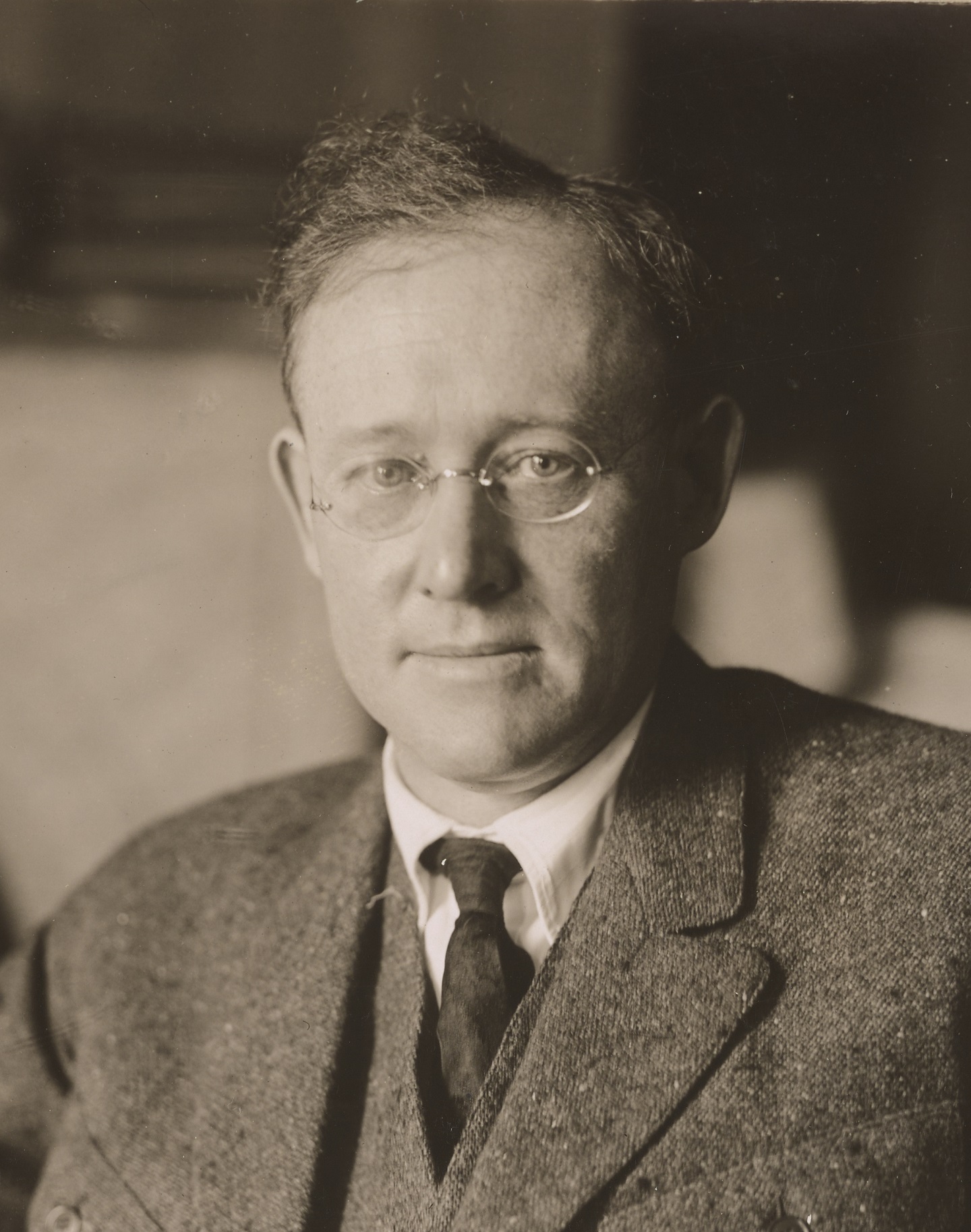
Will Irwin
William Henry Irwin (September 14, 1873 – February 24, 1948) was an American author, writer, and journalist who was associated with the muckrakers.
Irwin was born in 1873 in Oneida, New York. In his early childhood, the Irwin family moved to Clayville, New York, a farming and mining center south of Utica. In about 1878, his father moved to Leadville, Colorado, established himself in the lumber business, and brought his family there. When his business failed, Irwin's father moved the family to Twin Lakes, Colorado. A hotel business there failed too, and the family moved back to Leadville in a bungalow at 125 West Twelfth Street. In 1889, the family moved to Denver, where he graduated from high school. He said he cured himself of a diagnosed bout of tuberculosis by "roughing it" for a year as a cowboy.
With a loan from his high school teacher, Irwin entered Stanford University in September 1894. Irwin was forced to withdraw for disciplinary reasons but was readmitted and graduated on May 24, 1899. According to journalism historians Clifford Weigle and David Clark in their biographical sketch of Irwin,
In 1901 Irwin got a job as a reporter on the San Francisco Chronicle, eventually rising to Sunday editor. For the San Francisco-based Bohemian Club, he wrote the Grove Play The Hamadryads, A Masque of Apollo in One Act' in 1904. The same year, he moved to New York City to take a reporter's position at The New York Sun, then in its heyday under the editorship of Chester Lord and Selah M. Clark. Also in 1904, Irwin co-authored a book of short stories with Gelett Burgess, The Picaroons (McClure, Phillips & Co.)
Irwin arrived in New York City the same day as a major disaster, the sinking of the General Slocum. As a new reporter on The Sun, he was assigned to work the Bellevue Hospital morgue, where the more than 1,000 bodies of the victims of fire and drowning were taken.
Irwin's biggest story and the feat that made his reputation as a journalist was his absentee coverage for The Sun, in New York City, of the San Francisco earthquake of April 18, 1906.
Weigle and Clark described his activities:
Irwin was hired by S.S. McClure in 1906 as managing editor of McClure's. He rose to the position of editor but disliked the work and then moved to Collier's, edited by Norman Hapgood. He wrote investigative stories on the movement for Prohibition and a study of fake spiritual mediums.
Hub AI
Will Irwin AI simulator
(@Will Irwin_simulator)
Will Irwin
William Henry Irwin (September 14, 1873 – February 24, 1948) was an American author, writer, and journalist who was associated with the muckrakers.
Irwin was born in 1873 in Oneida, New York. In his early childhood, the Irwin family moved to Clayville, New York, a farming and mining center south of Utica. In about 1878, his father moved to Leadville, Colorado, established himself in the lumber business, and brought his family there. When his business failed, Irwin's father moved the family to Twin Lakes, Colorado. A hotel business there failed too, and the family moved back to Leadville in a bungalow at 125 West Twelfth Street. In 1889, the family moved to Denver, where he graduated from high school. He said he cured himself of a diagnosed bout of tuberculosis by "roughing it" for a year as a cowboy.
With a loan from his high school teacher, Irwin entered Stanford University in September 1894. Irwin was forced to withdraw for disciplinary reasons but was readmitted and graduated on May 24, 1899. According to journalism historians Clifford Weigle and David Clark in their biographical sketch of Irwin,
In 1901 Irwin got a job as a reporter on the San Francisco Chronicle, eventually rising to Sunday editor. For the San Francisco-based Bohemian Club, he wrote the Grove Play The Hamadryads, A Masque of Apollo in One Act' in 1904. The same year, he moved to New York City to take a reporter's position at The New York Sun, then in its heyday under the editorship of Chester Lord and Selah M. Clark. Also in 1904, Irwin co-authored a book of short stories with Gelett Burgess, The Picaroons (McClure, Phillips & Co.)
Irwin arrived in New York City the same day as a major disaster, the sinking of the General Slocum. As a new reporter on The Sun, he was assigned to work the Bellevue Hospital morgue, where the more than 1,000 bodies of the victims of fire and drowning were taken.
Irwin's biggest story and the feat that made his reputation as a journalist was his absentee coverage for The Sun, in New York City, of the San Francisco earthquake of April 18, 1906.
Weigle and Clark described his activities:
Irwin was hired by S.S. McClure in 1906 as managing editor of McClure's. He rose to the position of editor but disliked the work and then moved to Collier's, edited by Norman Hapgood. He wrote investigative stories on the movement for Prohibition and a study of fake spiritual mediums.