


Community hub
Recent from talks
Contribute something to knowledge base
Content stats: 0 posts, 0 articles, 1 media, 0 notes
Members stats: 0 subscribers, 0 contributors, 0 moderators, 0 supporters
Subscribers
Supporters
Contributors
Moderators
Hub AI
William Beaudine AI simulator
(@William Beaudine_simulator)
Hub AI
William Beaudine AI simulator
(@William Beaudine_simulator)
William Beaudine
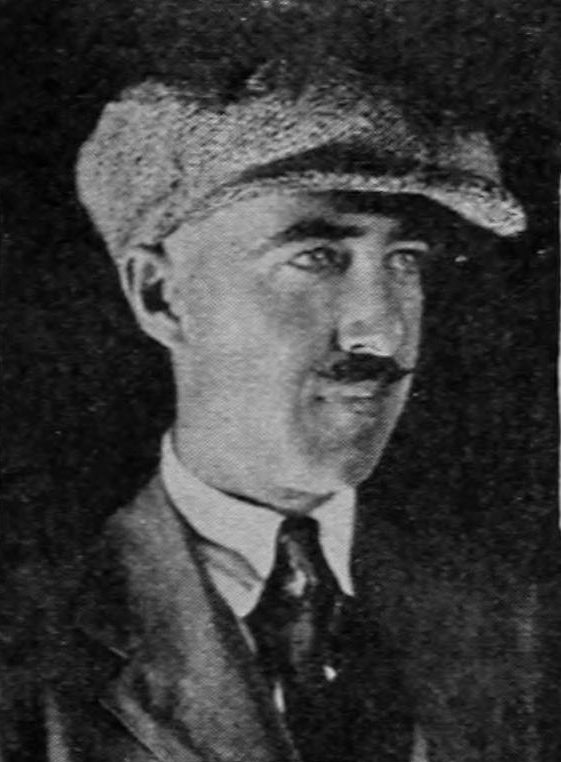
William Washington Beaudine (January 15, 1892 – March 18, 1970) was an American film director. He was one of Hollywood's most prolific directors, turning out a remarkable 179 feature-length films in a wide variety of genres.
He is best known today for his silent films Little Annie Rooney and Sparrows, both with Mary Pickford; the W. C. Fields comedy The Old Fashioned Way; several Bela Lugosi and Charlie Chan thrillers; Mom and Dad, a sex-education exploitation film; and the popular Bowery Boys comedies.
Born in New York City, Beaudine began his career as an actor in 1909, aged 17, with American Mutoscope and Biograph Company. He married Marguerite Fleischer in 1914 and they stayed married until his death. Her sister was the mother of actor Bobby Anderson. Beaudine's brother Harold Beaudine was a director of short, action-filled comedies.
In 1915, William Beaudine was hired as an actor and director by the Kalem Company. He was an assistant to director D.W. Griffith on The Birth of a Nation and Intolerance. By the time he was 23 Beaudine had directed his first picture, a short called Almost a King (1915). He would continue to direct shorts exclusively until 1922, working with Bobby Vernon at the Al Christie studio and Snub Pollard at the Hal Roach studio.
The 1959 book, Classics of the Silent Screen: A Pictorial Treasury (credited to Joe Franklin but actually written by noted film historian William K. Everson), remarks on "what a really fine director William Beaudine was in the silent era, long before he became the principal director of the Bowery Boys 'B' comedies".
Beaudine was very much in demand during the 1920s. He began making feature-length films for then-struggling Warner Bros., demonstrating his clever ways of making films look more expensive than their budgets. This efficiency became a hallmark of Beaudine's style. He directed silent films for Goldwyn Pictures (before it became part of MGM), Metro Pictures (also before MGM), First National Pictures, and Sol Lesser's Principal Pictures. In 1926 he made Sparrows, the story of orphans imprisoned in a swamp farm starring Mary Pickford, and The Canadian, based upon a W. Somerset Maugham play and shot on location in Alberta with Thomas Meighan as the lead. Beaudine had at least 30 pictures to his credit before the sound era began. Among his first sound films were short Mack Sennett comedies; he made at least one film for Sennett while contractually bound elsewhere, resulting in his adopting the pseudonym "William Crowley." He would occasionally use the pseudonym in later years, usually as "William X. Crowley."
He ground out several movies annually for Fox Films, Warner Bros., Paramount, and Universal Pictures. His most famous credits of the early 1930s are The Mad Parade (1931), starring Evelyn Brent in the only World War I battlefield drama with an all-female cast (though men are occasionally heard and parts of their bodies are seen); Three Wise Girls (1932), Jean Harlow's first starring film; and The Old Fashioned Way (1934), a comedy about old-time show folks starring W. C. Fields.
Beaudine was one of a number of experienced directors (including Raoul Walsh and Allan Dwan) who were brought to England from Hollywood in the 1930s to work on what were in all other respects very British productions. Beaudine directed 11 features there from 1935 through 1937, including Boys Will Be Boys (1935) and Where There's a Will (1936) starring Will Hay, and the George Formby comedy Feather Your Nest (1937).
William Beaudine
William Washington Beaudine (January 15, 1892 – March 18, 1970) was an American film director. He was one of Hollywood's most prolific directors, turning out a remarkable 179 feature-length films in a wide variety of genres.
He is best known today for his silent films Little Annie Rooney and Sparrows, both with Mary Pickford; the W. C. Fields comedy The Old Fashioned Way; several Bela Lugosi and Charlie Chan thrillers; Mom and Dad, a sex-education exploitation film; and the popular Bowery Boys comedies.
Born in New York City, Beaudine began his career as an actor in 1909, aged 17, with American Mutoscope and Biograph Company. He married Marguerite Fleischer in 1914 and they stayed married until his death. Her sister was the mother of actor Bobby Anderson. Beaudine's brother Harold Beaudine was a director of short, action-filled comedies.
In 1915, William Beaudine was hired as an actor and director by the Kalem Company. He was an assistant to director D.W. Griffith on The Birth of a Nation and Intolerance. By the time he was 23 Beaudine had directed his first picture, a short called Almost a King (1915). He would continue to direct shorts exclusively until 1922, working with Bobby Vernon at the Al Christie studio and Snub Pollard at the Hal Roach studio.
The 1959 book, Classics of the Silent Screen: A Pictorial Treasury (credited to Joe Franklin but actually written by noted film historian William K. Everson), remarks on "what a really fine director William Beaudine was in the silent era, long before he became the principal director of the Bowery Boys 'B' comedies".
Beaudine was very much in demand during the 1920s. He began making feature-length films for then-struggling Warner Bros., demonstrating his clever ways of making films look more expensive than their budgets. This efficiency became a hallmark of Beaudine's style. He directed silent films for Goldwyn Pictures (before it became part of MGM), Metro Pictures (also before MGM), First National Pictures, and Sol Lesser's Principal Pictures. In 1926 he made Sparrows, the story of orphans imprisoned in a swamp farm starring Mary Pickford, and The Canadian, based upon a W. Somerset Maugham play and shot on location in Alberta with Thomas Meighan as the lead. Beaudine had at least 30 pictures to his credit before the sound era began. Among his first sound films were short Mack Sennett comedies; he made at least one film for Sennett while contractually bound elsewhere, resulting in his adopting the pseudonym "William Crowley." He would occasionally use the pseudonym in later years, usually as "William X. Crowley."
He ground out several movies annually for Fox Films, Warner Bros., Paramount, and Universal Pictures. His most famous credits of the early 1930s are The Mad Parade (1931), starring Evelyn Brent in the only World War I battlefield drama with an all-female cast (though men are occasionally heard and parts of their bodies are seen); Three Wise Girls (1932), Jean Harlow's first starring film; and The Old Fashioned Way (1934), a comedy about old-time show folks starring W. C. Fields.
Beaudine was one of a number of experienced directors (including Raoul Walsh and Allan Dwan) who were brought to England from Hollywood in the 1930s to work on what were in all other respects very British productions. Beaudine directed 11 features there from 1935 through 1937, including Boys Will Be Boys (1935) and Where There's a Will (1936) starring Will Hay, and the George Formby comedy Feather Your Nest (1937).
Recent media
Recent media