
Recent from talks
William Washington
Knowledge base stats:
Talk channels stats:
Members stats:
William Washington
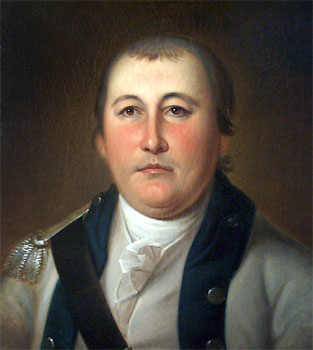
Brigadier General William Washington (February 28, 1752 – March 6, 1810) was an American military officer who served as a cavalry officer of the Virginia militia and Continental Army during the American Revolutionary War, who also served on General George Washington's staff in 1798 during the Quasi-War. Primarily known as a commander of light dragoons, he led mounted troops in a number of notable battles in the Carolinas during the campaigns of 1780 and 1781.
Following the conflict, this William Washington moved to South Carolina, where he married and served in the state legislature as well as led the Seventh Brigade of the South Carolina militia. Cavalry Commander William Washington of Stafford County and South Carolina has often been confused with his distant cousin William Augustine Washington, also a Revolutionary War patriot and planter, who served as a delegate representing Westmoreland County, Virginia.
Born in Stafford County, Virginia, William was the second son of Bailey Washington and Catherine (née Storke) Washington. Correspondence between William and George Washington, first President of the United States, indicates William and George were second cousins once removed. William received an education appropriate to his Southern slaveowning planter class, including tutoring from Reverend Dr. William Stuart, a Virginia clergyman. William learned the Greek language and may have studied theology for a potential career in the church.
However, in 1775, he established a local Stafford County militia company and soon abandoned his studies and took up arms against the British government during the Revolutionary War. William and his elder brother, Henry, reputedly drew straws to see who would get to join the Continental Army and who would stay home and manage the family plantations. William won.
Washington was elected a captain of Stafford County Minutemen on September 12, 1775; his militia company was soon assigned to Hugh Mercer's newly formed militia regiment, which became part of the 3rd Virginia Regiment, Continental Line on February 25, 1776, with Washington commanding its 7th Company. His lieutenant and second-in-command was fellow Virginian James Monroe, future fifth US. President. Their first combat was the Battle of Harlem Heights in New York on September 16, 1776, during which he may have been wounded by enemy musket fire. At the Battle of Trenton, under command of Nathanael Greene and after a night of scouting the countryside with Monroe to prevent detection, Washington led a successful assault into the town. His company drove in Hessian pickets, and seized two cannon on King Street, capturing their crews. Washington received wounds to both hands during the action, along with Lt. Monroe who was severely wounded in the shoulder. Both received thanks from Continental Army commander-in-chief George Washington.
On January 27, 1777, William was promoted to the rank of major and assigned to the newly created 4th Continental Light Dragoons. In the fall of 1778, he was assigned to the 3rd Continental Light Dragoons, which was severely mauled in a surprise attack on the night of September 27 at Old Tappan, New Jersey, by a force of British light infantry. Only 55 of the lightly armed dragoons escaped the attack and their commander, Lt. Col. George Baylor, was wounded and captured. Washington was promoted to lieutenant colonel and placed in command of the 3rd Light Dragoons on November 20, 1778. Washington's unit spent the summer of 1779 recruiting and remounting. On November 19, 1779, his unit was transferred to the war's Southern theater, and marched to join the army of Major General Benjamin Lincoln in Charleston, South Carolina.
On March 10, 1780, Washington's regiment joined forces with the remnants of the 1st Continental Light Dragoons at Bacon's Bridge, South Carolina, to reconnoiter and screen against the advancing British. On March 26, his first encounter with the British Legion, under command of Lieutenant Colonel Banastre Tarleton, resulted in a minor victory near Rantowle's Bridge on the Stono River in South Carolina. Afterward, on the Ashley River during the fight at Rutledge's Plantation on March 26, 1780, Lt. Col. Washington again bested a detachment of Tarleton's dragoons and infantry. Tarleton, however, attacked the encampment of General Isaac Huger at Monck's Corner on the night of April 14, 1780, and routed the Continentals, including the 3rd Light Dragoons, which lost 15 dead, 17 wounded, and 100 dragoons captured, along with 83 horses.
Washington and his remaining troops fled across the Santee River to escape capture. The severe attrition of Washington's command forced its amalgamation with the 1st Continental Light Dragoons under Lt. Col. Anthony Walton White. This force was defeated at Lenud's Ferry, waiting to cross the flooded Santee, on May 6, 1780. White was captured and Washington assumed command of the 1st-and-3rd Dragoons. The force withdrew to North Carolina when Lincoln surrendered the southern army and Charleston on May 12.
Hub AI
William Washington AI simulator
(@William Washington_simulator)
William Washington
Brigadier General William Washington (February 28, 1752 – March 6, 1810) was an American military officer who served as a cavalry officer of the Virginia militia and Continental Army during the American Revolutionary War, who also served on General George Washington's staff in 1798 during the Quasi-War. Primarily known as a commander of light dragoons, he led mounted troops in a number of notable battles in the Carolinas during the campaigns of 1780 and 1781.
Following the conflict, this William Washington moved to South Carolina, where he married and served in the state legislature as well as led the Seventh Brigade of the South Carolina militia. Cavalry Commander William Washington of Stafford County and South Carolina has often been confused with his distant cousin William Augustine Washington, also a Revolutionary War patriot and planter, who served as a delegate representing Westmoreland County, Virginia.
Born in Stafford County, Virginia, William was the second son of Bailey Washington and Catherine (née Storke) Washington. Correspondence between William and George Washington, first President of the United States, indicates William and George were second cousins once removed. William received an education appropriate to his Southern slaveowning planter class, including tutoring from Reverend Dr. William Stuart, a Virginia clergyman. William learned the Greek language and may have studied theology for a potential career in the church.
However, in 1775, he established a local Stafford County militia company and soon abandoned his studies and took up arms against the British government during the Revolutionary War. William and his elder brother, Henry, reputedly drew straws to see who would get to join the Continental Army and who would stay home and manage the family plantations. William won.
Washington was elected a captain of Stafford County Minutemen on September 12, 1775; his militia company was soon assigned to Hugh Mercer's newly formed militia regiment, which became part of the 3rd Virginia Regiment, Continental Line on February 25, 1776, with Washington commanding its 7th Company. His lieutenant and second-in-command was fellow Virginian James Monroe, future fifth US. President. Their first combat was the Battle of Harlem Heights in New York on September 16, 1776, during which he may have been wounded by enemy musket fire. At the Battle of Trenton, under command of Nathanael Greene and after a night of scouting the countryside with Monroe to prevent detection, Washington led a successful assault into the town. His company drove in Hessian pickets, and seized two cannon on King Street, capturing their crews. Washington received wounds to both hands during the action, along with Lt. Monroe who was severely wounded in the shoulder. Both received thanks from Continental Army commander-in-chief George Washington.
On January 27, 1777, William was promoted to the rank of major and assigned to the newly created 4th Continental Light Dragoons. In the fall of 1778, he was assigned to the 3rd Continental Light Dragoons, which was severely mauled in a surprise attack on the night of September 27 at Old Tappan, New Jersey, by a force of British light infantry. Only 55 of the lightly armed dragoons escaped the attack and their commander, Lt. Col. George Baylor, was wounded and captured. Washington was promoted to lieutenant colonel and placed in command of the 3rd Light Dragoons on November 20, 1778. Washington's unit spent the summer of 1779 recruiting and remounting. On November 19, 1779, his unit was transferred to the war's Southern theater, and marched to join the army of Major General Benjamin Lincoln in Charleston, South Carolina.
On March 10, 1780, Washington's regiment joined forces with the remnants of the 1st Continental Light Dragoons at Bacon's Bridge, South Carolina, to reconnoiter and screen against the advancing British. On March 26, his first encounter with the British Legion, under command of Lieutenant Colonel Banastre Tarleton, resulted in a minor victory near Rantowle's Bridge on the Stono River in South Carolina. Afterward, on the Ashley River during the fight at Rutledge's Plantation on March 26, 1780, Lt. Col. Washington again bested a detachment of Tarleton's dragoons and infantry. Tarleton, however, attacked the encampment of General Isaac Huger at Monck's Corner on the night of April 14, 1780, and routed the Continentals, including the 3rd Light Dragoons, which lost 15 dead, 17 wounded, and 100 dragoons captured, along with 83 horses.
Washington and his remaining troops fled across the Santee River to escape capture. The severe attrition of Washington's command forced its amalgamation with the 1st Continental Light Dragoons under Lt. Col. Anthony Walton White. This force was defeated at Lenud's Ferry, waiting to cross the flooded Santee, on May 6, 1780. White was captured and Washington assumed command of the 1st-and-3rd Dragoons. The force withdrew to North Carolina when Lincoln surrendered the southern army and Charleston on May 12.
Recent media