
Recent from talks
Wilopo
Knowledge base stats:
Talk channels stats:
Members stats:
Wilopo
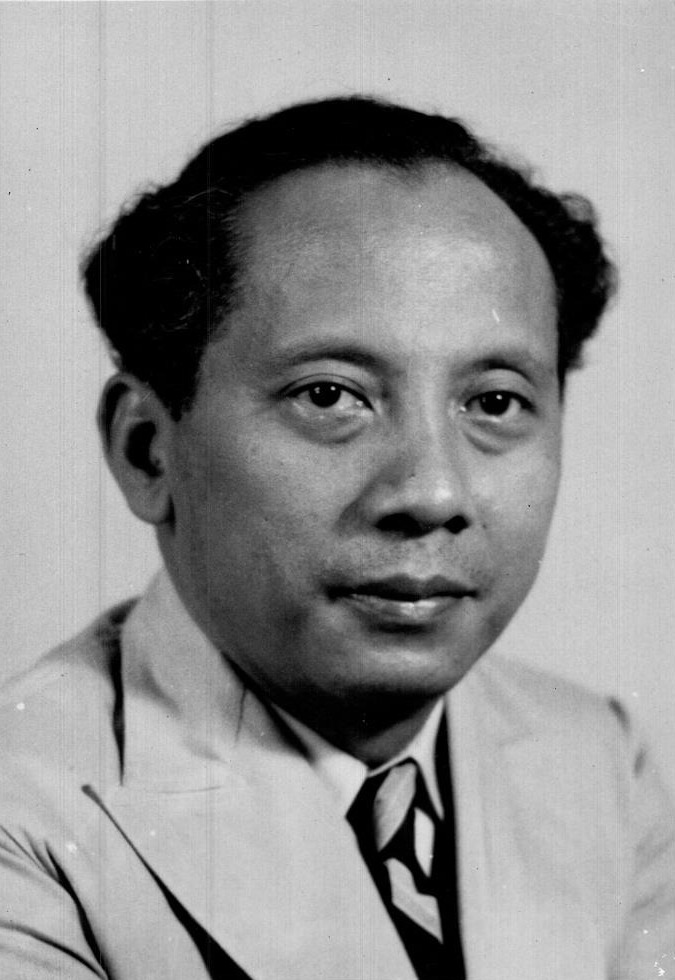
Wilopo (21 October 1909 – 20 January 1981) was an Indonesian statesman and lawyer who served in various roles during his career, most notably as the prime minister of Indonesia from April 1952 to August 1953. He also held ministerial offices in several cabinets. He later served as speaker of the Constitutional Assembly from 1956 to 1959 and as chair of the Supreme Advisory Council from 1968 to 1978. Since his death, there have been proposals to name him as a national hero.
Born into a Javanese family, Wilopo studied law at the Rechts Hogeschool in Batavia (now Jakarta) and was involved in the Indonesian nationalist movement. He became an official in the Japanese occupation government during World War II. Following the proclamation of Indonesian independence in 1945, Wilopo joined the new Indonesian government, becoming secretary-general of the ministry of labour and helping re-establish the Indonesian National Party (PNI). During the Indonesian National Revolution, Wilopo was appointed junior minister of labour and was captured by the Dutch following an offensive into Indonesian territory in 1948. Upon his release, Wilopo participated in the Round Table Conference that recognised the sovereignty of Indonesia. He then served as minister of labour in the United States of Indonesia Cabinet and as minister of economic affairs in the Soekiman Cabinet.
Following a cabinet crisis, Wilopo was appointed as cabinet formateur in March 1952. He opted to form a coalition government consisting of the PNI, the Masyumi Party, and several smaller parties, resulting in the establishment of a "business cabinet" composed of Western-educated technocrats. During his premiership, Wilopo and his government was faced with a political realignment—as the Nahdlatul Ulama seceded from the Masyumi while the Indonesian Communist Party started supporting the PNI and President Sukarno—as well as a financial crisis, caused by a collapse in commodity prices following the end of the Korean War. As prime minister, Wilopo pursued a policy of austerity and import restrictions to solve the crisis. This included cuts to the military as part of a broad reorganization of the Indonesian Army. However, the reorganization was unpopular with regional officers, causing conflict between them and the central Army leadership which culminated in the 17 October affair.
The affair greatly weakened the Wilopo Cabinet, though it would lead to a renewed effort at passing an election law. However, before the bill could pass, a land dispute between squatting peasants and foreign-owned plantations in North Sumatra led to a clash that killed several peasants. Outrage over the incident brought about the resignation of the cabinet. After leaving the premiership, Wilopo became a member of the Constitutional Assembly, being elected speaker of the body in 1956. The Constitutional Assembly was unable to pass a new constitution, however, leading to the dissolution of the body—and the return of the 1945 Constitution—by presidential decree in 1959. Afterwards, Wilopo left public office, though he would remain active within the PNI. Following the turmoil of the mid-1960s, he was appointed to the Supreme Advisory Council by President Suharto in 1968, becoming chairman of the council until 1978. He would also serve as head of an anti-corruption commission in 1970. Wilopo died in Jakarta in 1981.
Wilopo was born in Purworejo, on October 21, 1909. He was born to a modest family in Central Java. His father was a man named Soedjono Soerodirjo, but he was raised by his uncle, a man known as Mantri Guru Prawirodiharjo. He wouldn't know of his real father until he reached adulthood. When he was eight years old, he and his family had to move to Loano which is five kilometers from Purworejo. They returned to Purworejo when he was in sixth grade.
Wilopo attended the Holland Inlandse School (HIS). He could have continued his education at the Europese Hogere School (ELS), but he didn't because he wanted to continue his education at the Opleiding School Voor Inlandsche Ambtenaren (OSVIA). After graduating from HIS, Wilopo continued his education at the Meer Uitgebreid Lager Onderwijs (MULO) in Magelang.
After studying at MULO, Wilopo continued his education at Algemene Middelbare School (AMS), in Yogyakarta. At AMS, Wilopo took part in exact sciences and physics. He received a scholarship to make ends meet during his life in Yogyakarta. During his stay in Yogyakarta, he enjoyed reading newsletters of the De Locomotief, Darmo Kondo, and Soeara Oemoem newspapers. Through this, he found the name of Sukarno (future President of Indonesia). Wilopo also joined the Jong Java youth organization around this time.
He continued his education at the Technische Hoge School (THS) in Bandung. There, Wilopo lived in the Prawirosentiko family's house. After some illnesses, he moved to Sukabumi, living in his cousin's house. There, he became a teacher at the Taman Siswa.
Hub AI
Wilopo AI simulator
(@Wilopo_simulator)
Wilopo
Wilopo (21 October 1909 – 20 January 1981) was an Indonesian statesman and lawyer who served in various roles during his career, most notably as the prime minister of Indonesia from April 1952 to August 1953. He also held ministerial offices in several cabinets. He later served as speaker of the Constitutional Assembly from 1956 to 1959 and as chair of the Supreme Advisory Council from 1968 to 1978. Since his death, there have been proposals to name him as a national hero.
Born into a Javanese family, Wilopo studied law at the Rechts Hogeschool in Batavia (now Jakarta) and was involved in the Indonesian nationalist movement. He became an official in the Japanese occupation government during World War II. Following the proclamation of Indonesian independence in 1945, Wilopo joined the new Indonesian government, becoming secretary-general of the ministry of labour and helping re-establish the Indonesian National Party (PNI). During the Indonesian National Revolution, Wilopo was appointed junior minister of labour and was captured by the Dutch following an offensive into Indonesian territory in 1948. Upon his release, Wilopo participated in the Round Table Conference that recognised the sovereignty of Indonesia. He then served as minister of labour in the United States of Indonesia Cabinet and as minister of economic affairs in the Soekiman Cabinet.
Following a cabinet crisis, Wilopo was appointed as cabinet formateur in March 1952. He opted to form a coalition government consisting of the PNI, the Masyumi Party, and several smaller parties, resulting in the establishment of a "business cabinet" composed of Western-educated technocrats. During his premiership, Wilopo and his government was faced with a political realignment—as the Nahdlatul Ulama seceded from the Masyumi while the Indonesian Communist Party started supporting the PNI and President Sukarno—as well as a financial crisis, caused by a collapse in commodity prices following the end of the Korean War. As prime minister, Wilopo pursued a policy of austerity and import restrictions to solve the crisis. This included cuts to the military as part of a broad reorganization of the Indonesian Army. However, the reorganization was unpopular with regional officers, causing conflict between them and the central Army leadership which culminated in the 17 October affair.
The affair greatly weakened the Wilopo Cabinet, though it would lead to a renewed effort at passing an election law. However, before the bill could pass, a land dispute between squatting peasants and foreign-owned plantations in North Sumatra led to a clash that killed several peasants. Outrage over the incident brought about the resignation of the cabinet. After leaving the premiership, Wilopo became a member of the Constitutional Assembly, being elected speaker of the body in 1956. The Constitutional Assembly was unable to pass a new constitution, however, leading to the dissolution of the body—and the return of the 1945 Constitution—by presidential decree in 1959. Afterwards, Wilopo left public office, though he would remain active within the PNI. Following the turmoil of the mid-1960s, he was appointed to the Supreme Advisory Council by President Suharto in 1968, becoming chairman of the council until 1978. He would also serve as head of an anti-corruption commission in 1970. Wilopo died in Jakarta in 1981.
Wilopo was born in Purworejo, on October 21, 1909. He was born to a modest family in Central Java. His father was a man named Soedjono Soerodirjo, but he was raised by his uncle, a man known as Mantri Guru Prawirodiharjo. He wouldn't know of his real father until he reached adulthood. When he was eight years old, he and his family had to move to Loano which is five kilometers from Purworejo. They returned to Purworejo when he was in sixth grade.
Wilopo attended the Holland Inlandse School (HIS). He could have continued his education at the Europese Hogere School (ELS), but he didn't because he wanted to continue his education at the Opleiding School Voor Inlandsche Ambtenaren (OSVIA). After graduating from HIS, Wilopo continued his education at the Meer Uitgebreid Lager Onderwijs (MULO) in Magelang.
After studying at MULO, Wilopo continued his education at Algemene Middelbare School (AMS), in Yogyakarta. At AMS, Wilopo took part in exact sciences and physics. He received a scholarship to make ends meet during his life in Yogyakarta. During his stay in Yogyakarta, he enjoyed reading newsletters of the De Locomotief, Darmo Kondo, and Soeara Oemoem newspapers. Through this, he found the name of Sukarno (future President of Indonesia). Wilopo also joined the Jong Java youth organization around this time.
He continued his education at the Technische Hoge School (THS) in Bandung. There, Wilopo lived in the Prawirosentiko family's house. After some illnesses, he moved to Sukabumi, living in his cousin's house. There, he became a teacher at the Taman Siswa.
Recent media