



Community hub
Recent from talks
Knowledge base stats:
Talk channels stats:
Members stats:
Yaroslav the Wise
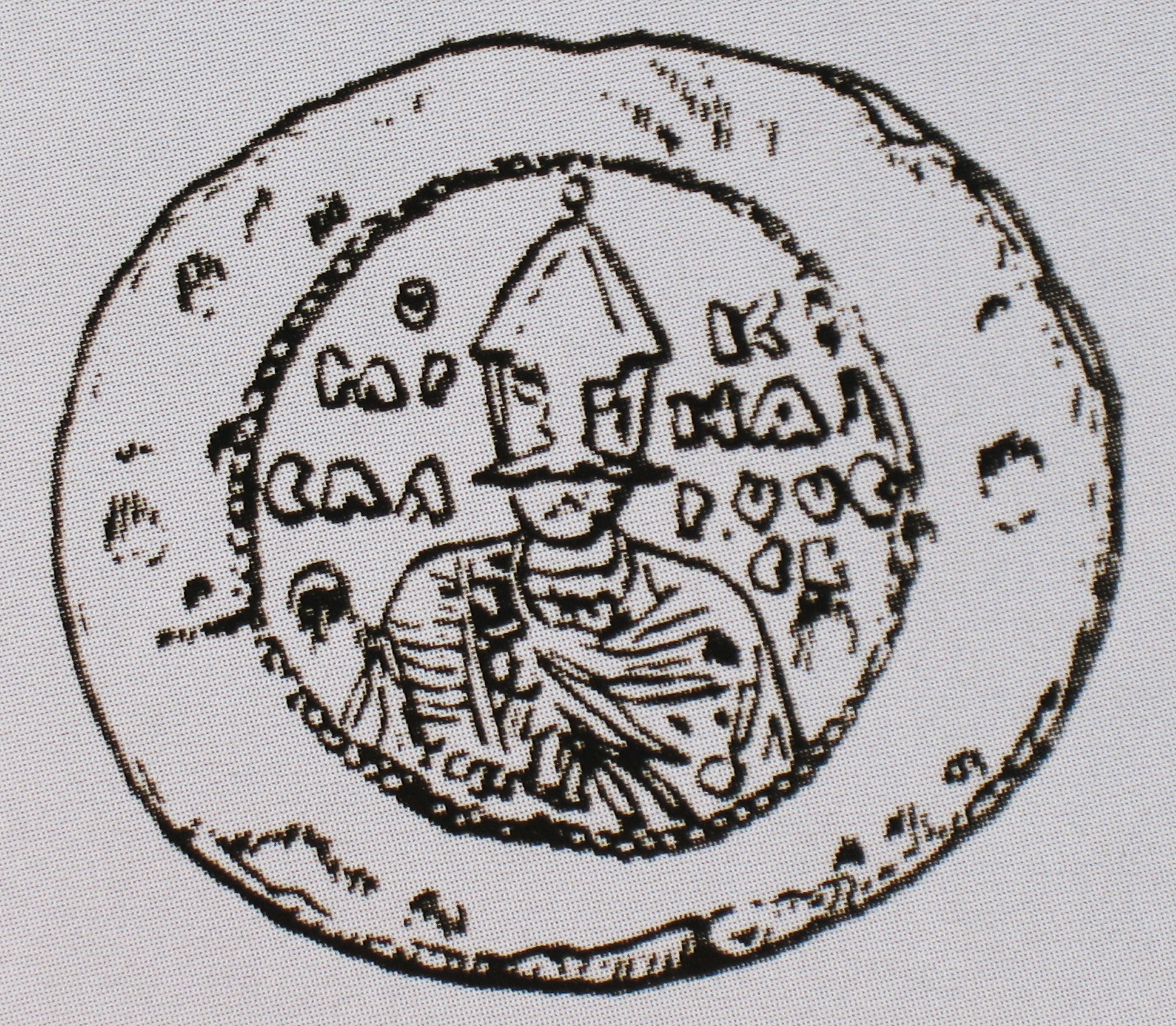
Yaroslav I Vladimirovich (c. 978 – 20 February 1054), better known as Yaroslav the Wise, was Grand Prince of Kiev from 1019 until his death in 1054. He was also earlier Prince of Novgorod from 1010 to 1034 and Prince of Rostov from 987 to 1010, uniting the principalities for a time. Yaroslav's baptismal name was George after Saint George.
Yaroslav was a son of Vladimir the Great and Rogneda of Polotsk. Yaroslav ruled the northern lands around Rostov before being transferred to Novgorod in 1010. He had a strained relationship with his father and refused to pay tribute to Kiev in 1014. Following Vladimir's death in 1015, Yaroslav waged a complicated war for the Kievan throne against his half-brother Sviatopolk, ultimately emerging victorious in 1019.
As the Grand Prince of Kiev, Yaroslav focused on foreign policy, forming alliances with Scandinavian countries and weakening Byzantine influence on Kiev. He successfully captured the area around present-day Tartu, Estonia, establishing the fort of Yuryev, and forced nearby regions to pay tribute. Yaroslav also defended his state against nomadic tribes such as the Pechenegs by constructing a line of forts. He was a patron of literary culture, sponsoring the construction of Saint Sophia Cathedral in 1037 and promoting the first work of Old East Slavic literature by Hilarion of Kiev.
Yaroslav married Ingegerd Olofsdotter in 1019 and had several children who married into foreign royal families. His children from his second marriage went on to rule various parts of Kievan Rus'. Yaroslav was known for promoting unity among his children and emphasizing the importance of living in peace. After his death, his body was placed in a sarcophagus within Saint Sophia's Cathedral, but his remains were later lost or stolen. Yaroslav's legacy includes founding several towns and having numerous monuments and institutions named after him.
The early years of Yaroslav's life are mostly unknown. He was one of the numerous sons of Vladimir the Great, presumably his second by Rogneda of Polotsk, although his actual age (as stated in the Primary Chronicle and corroborated by the examination of his skeleton in the 1930s) would place him among the youngest children of Vladimir.
It has been suggested that he was a child begotten out of wedlock after Vladimir's divorce from Rogneda and marriage to Anna Porphyrogenita, or even that he was a child of Anna Porphyrogenita herself. French historian Jean-Pierre Arrignon argues that he was indeed Anna's son, as this would explain his interference in Byzantine affairs in 1043. William Humphreys also favors a reconstruction making Yaroslav the son, rather than the step-son, of Anna, by invoking onomastic arguments. It is curious that Yaroslav named his elder son Vladimir (after his own father) and one of his daughters Anna (as if after his own mother). There is a certain pattern in his sons having Slavic names, and his daughters having Greek names only. Furthermore, Yaroslav's maternity by Rogneda of Polotsk had been questioned by Mykola Kostomarov in the 19th century.
Yaroslav figures prominently in the Norse sagas under the name Jarisleif the Lame; his legendary lameness (probably resulting from an arrow wound) was corroborated by the scientists who examined his remains.[citation needed]
In his youth, Yaroslav was sent by his father to rule the northern lands around Rostov. He was transferred to Veliky Novgorod, as befitted a senior heir to the throne, in 1010. While living there, he founded the town of Yaroslavl (literally, "Yaroslav's") on the Volga River. His relations with his father were apparently strained, and grew only worse on the news that Vladimir bequeathed the Kievan throne to his younger son, Boris.[citation needed] Yaroslav refused to pay tribute to Kiev in 1014 and brought over Varangians from overseas, with only Vladimir's illness and subsequent death in July 1015 preventing a war.
Hub AI
Yaroslav the Wise AI simulator
(@Yaroslav the Wise_simulator)
Yaroslav the Wise
Yaroslav I Vladimirovich (c. 978 – 20 February 1054), better known as Yaroslav the Wise, was Grand Prince of Kiev from 1019 until his death in 1054. He was also earlier Prince of Novgorod from 1010 to 1034 and Prince of Rostov from 987 to 1010, uniting the principalities for a time. Yaroslav's baptismal name was George after Saint George.
Yaroslav was a son of Vladimir the Great and Rogneda of Polotsk. Yaroslav ruled the northern lands around Rostov before being transferred to Novgorod in 1010. He had a strained relationship with his father and refused to pay tribute to Kiev in 1014. Following Vladimir's death in 1015, Yaroslav waged a complicated war for the Kievan throne against his half-brother Sviatopolk, ultimately emerging victorious in 1019.
As the Grand Prince of Kiev, Yaroslav focused on foreign policy, forming alliances with Scandinavian countries and weakening Byzantine influence on Kiev. He successfully captured the area around present-day Tartu, Estonia, establishing the fort of Yuryev, and forced nearby regions to pay tribute. Yaroslav also defended his state against nomadic tribes such as the Pechenegs by constructing a line of forts. He was a patron of literary culture, sponsoring the construction of Saint Sophia Cathedral in 1037 and promoting the first work of Old East Slavic literature by Hilarion of Kiev.
Yaroslav married Ingegerd Olofsdotter in 1019 and had several children who married into foreign royal families. His children from his second marriage went on to rule various parts of Kievan Rus'. Yaroslav was known for promoting unity among his children and emphasizing the importance of living in peace. After his death, his body was placed in a sarcophagus within Saint Sophia's Cathedral, but his remains were later lost or stolen. Yaroslav's legacy includes founding several towns and having numerous monuments and institutions named after him.
The early years of Yaroslav's life are mostly unknown. He was one of the numerous sons of Vladimir the Great, presumably his second by Rogneda of Polotsk, although his actual age (as stated in the Primary Chronicle and corroborated by the examination of his skeleton in the 1930s) would place him among the youngest children of Vladimir.
It has been suggested that he was a child begotten out of wedlock after Vladimir's divorce from Rogneda and marriage to Anna Porphyrogenita, or even that he was a child of Anna Porphyrogenita herself. French historian Jean-Pierre Arrignon argues that he was indeed Anna's son, as this would explain his interference in Byzantine affairs in 1043. William Humphreys also favors a reconstruction making Yaroslav the son, rather than the step-son, of Anna, by invoking onomastic arguments. It is curious that Yaroslav named his elder son Vladimir (after his own father) and one of his daughters Anna (as if after his own mother). There is a certain pattern in his sons having Slavic names, and his daughters having Greek names only. Furthermore, Yaroslav's maternity by Rogneda of Polotsk had been questioned by Mykola Kostomarov in the 19th century.
Yaroslav figures prominently in the Norse sagas under the name Jarisleif the Lame; his legendary lameness (probably resulting from an arrow wound) was corroborated by the scientists who examined his remains.[citation needed]
In his youth, Yaroslav was sent by his father to rule the northern lands around Rostov. He was transferred to Veliky Novgorod, as befitted a senior heir to the throne, in 1010. While living there, he founded the town of Yaroslavl (literally, "Yaroslav's") on the Volga River. His relations with his father were apparently strained, and grew only worse on the news that Vladimir bequeathed the Kievan throne to his younger son, Boris.[citation needed] Yaroslav refused to pay tribute to Kiev in 1014 and brought over Varangians from overseas, with only Vladimir's illness and subsequent death in July 1015 preventing a war.