


Community hub
Recent from talks
Contribute something to knowledge base
Content stats: 0 posts, 0 articles, 1 media, 0 notes
Members stats: 0 subscribers, 0 contributors, 0 moderators, 0 supporters
Subscribers
Supporters
Contributors
Moderators
Hub AI
Alexis Nour AI simulator
(@Alexis Nour_simulator)
Hub AI
Alexis Nour AI simulator
(@Alexis Nour_simulator)
Alexis Nour
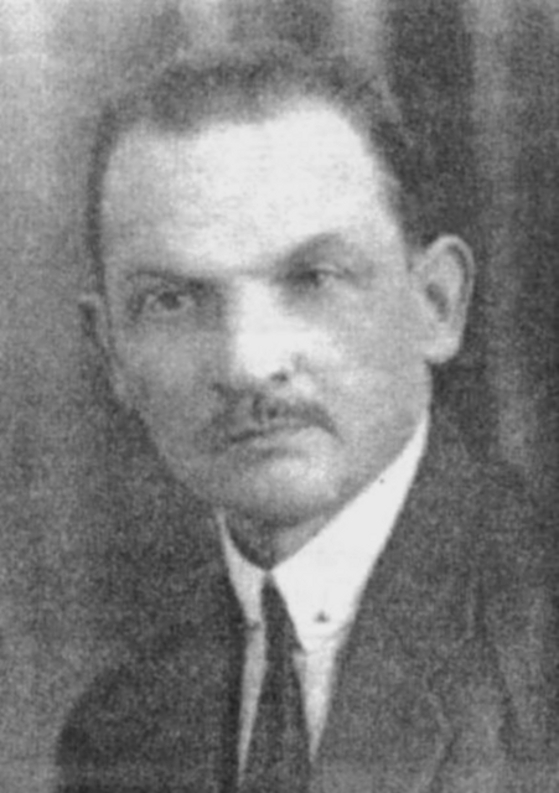
Alexis Nour (Romanian pronunciation: [aˈleksis ˈno.ur]; born Alexei Vasile Nour, also known as Alexe Nour, Alexie Nour, As. Nr.; Russian: Алексе́й Ноур, Aleksey Nour; 1877–1940) was a Bessarabian-born Romanian journalist, activist and essayist, known for his advocacy of Romanian-Bessarabian union and his critique of the Russian Empire, but also for controversial political dealings. Oscillating between socialism and Russian nationalism, he was noted as founder of Viața Basarabiei gazette. Eventually affiliated with Romania's left-wing form of cultural nationalism, or Poporanism, Nour was a long-term correspondent of the Poporanist review Viața Românească. Publicizing his conflict with the Russian authorities, he settled in the Kingdom of Romania, where he openly rallied with the Viața Românească group.
During World War I, Nour agitated against any military alliance between Romania and Russia. He stood out among Germanophiles and local supporters of the Central Powers, agitating in favor of a military offensive into Bessarabia, and demanding the annexation of Transnistria. This combative stance was later overshadowed by revelations that Nour was spying for Russia's intelligence service, the Okhrana.
Still active as an independent socialist in Greater Romania, Alexis Nour won additional fame as an advocate of human rights, land reform, women's suffrage and Jewish emancipation. During the final decade of his life, Nour also debuted as a novelist, but did not register significant success. His late contributions as a Thracologist were received with skepticism by the academic community.
The future journalist, born in Russian-held Bessarabia (the Bessarabia Governorate), was a member of the ethnic Romanian cultural elite, and, reportedly, a graduate of the Bessarabian Orthodox Church Chișinău Theological Seminary. According to other sources, he spent his early years in Kiev and graduated from the Pavlo Galagan College. Nour furthered his studies in other regions of the Russian Empire, where he became a familiar figure to those who opposed Tsarist autocracy, and exchanged ideas with radical young men of various ethnic backgrounds. He is known to have studied Philology at Kiev University, where he affiliated with the underground Socialist-Revolutionary (Eser) Party, probably infiltrated in its ranks by the Okhrana.
From 1903, Nour was editor of Besarabskaya Zhizn', Bessarabia's "first democratic paper". Nour was still in Bessarabia during the Russian Revolution of 1905, but was mysteriously absent from the follow-up protests by local Romanians (or, in contemporary references, "Moldavians"). According to Onisifor Ghibu (himself an analyst of Bessarabian life), Nour missed out on the chance of establishing a Romanian–Moldavian–Bessarabian "irredentist movement", leading "a mysterious existence", and "not giving even the faintest clue that he was alive, until 1918." In fact, Nour had joined a local section of the Constitutional Democratic (Kadet) Party, the leading force in Russian liberalism. As one historian assesses, this was a maverick's choice: "A. Nour [...] did not consider himself either a socialist or a nationalist."
During the post-revolutionary age of reforms and concessions, when Besarabskaya Zhizn' became a Kadet paper, Nour himself was a member of the Kadet bureau in Bessarabia, and the private assistant of regional party boss Leopold Sitsinski. However, Nour was soon after expelled from the Constitutional Democratic group (reportedly, for having pocketed some of the party's funds) and began frequenting the political clubs of Romanian nationalists.
In 1906, Nour was affiliated with Basarabia, a Romanian-language newspaper for the region's politically minded ethnic Romanians in the region, soon after closed down by Imperial Russian censorship. The short-lived periodical, financed by sympathizers from the Kingdom of Romania (including politician Eugeniu Carada), was pushing the envelope on the issue of Romanian emancipation and trans-border brotherhood, beyond what the 1905 regime intended to allow.
In his first-ever article for the review, Alexis Nour suggested that the regional movement for national emancipation still lacked a group of intellectual leaders, or "elected sons", capable of forming a single Romanian faction in the State Duma. Despite such setbacks and the continued spread of illiteracy, Nour contended, Bessarabia's Romanians were more attached to the national ideal, and more politically motivated, than their brethren in Romania-proper. Other Basarabia articles by Nour were vehement rebuttals addressed to Pavel Krushevan, the (supposedly ethnic Romanian) exponent of extreme Russian nationalism.
Alexis Nour
Alexis Nour (Romanian pronunciation: [aˈleksis ˈno.ur]; born Alexei Vasile Nour, also known as Alexe Nour, Alexie Nour, As. Nr.; Russian: Алексе́й Ноур, Aleksey Nour; 1877–1940) was a Bessarabian-born Romanian journalist, activist and essayist, known for his advocacy of Romanian-Bessarabian union and his critique of the Russian Empire, but also for controversial political dealings. Oscillating between socialism and Russian nationalism, he was noted as founder of Viața Basarabiei gazette. Eventually affiliated with Romania's left-wing form of cultural nationalism, or Poporanism, Nour was a long-term correspondent of the Poporanist review Viața Românească. Publicizing his conflict with the Russian authorities, he settled in the Kingdom of Romania, where he openly rallied with the Viața Românească group.
During World War I, Nour agitated against any military alliance between Romania and Russia. He stood out among Germanophiles and local supporters of the Central Powers, agitating in favor of a military offensive into Bessarabia, and demanding the annexation of Transnistria. This combative stance was later overshadowed by revelations that Nour was spying for Russia's intelligence service, the Okhrana.
Still active as an independent socialist in Greater Romania, Alexis Nour won additional fame as an advocate of human rights, land reform, women's suffrage and Jewish emancipation. During the final decade of his life, Nour also debuted as a novelist, but did not register significant success. His late contributions as a Thracologist were received with skepticism by the academic community.
The future journalist, born in Russian-held Bessarabia (the Bessarabia Governorate), was a member of the ethnic Romanian cultural elite, and, reportedly, a graduate of the Bessarabian Orthodox Church Chișinău Theological Seminary. According to other sources, he spent his early years in Kiev and graduated from the Pavlo Galagan College. Nour furthered his studies in other regions of the Russian Empire, where he became a familiar figure to those who opposed Tsarist autocracy, and exchanged ideas with radical young men of various ethnic backgrounds. He is known to have studied Philology at Kiev University, where he affiliated with the underground Socialist-Revolutionary (Eser) Party, probably infiltrated in its ranks by the Okhrana.
From 1903, Nour was editor of Besarabskaya Zhizn', Bessarabia's "first democratic paper". Nour was still in Bessarabia during the Russian Revolution of 1905, but was mysteriously absent from the follow-up protests by local Romanians (or, in contemporary references, "Moldavians"). According to Onisifor Ghibu (himself an analyst of Bessarabian life), Nour missed out on the chance of establishing a Romanian–Moldavian–Bessarabian "irredentist movement", leading "a mysterious existence", and "not giving even the faintest clue that he was alive, until 1918." In fact, Nour had joined a local section of the Constitutional Democratic (Kadet) Party, the leading force in Russian liberalism. As one historian assesses, this was a maverick's choice: "A. Nour [...] did not consider himself either a socialist or a nationalist."
During the post-revolutionary age of reforms and concessions, when Besarabskaya Zhizn' became a Kadet paper, Nour himself was a member of the Kadet bureau in Bessarabia, and the private assistant of regional party boss Leopold Sitsinski. However, Nour was soon after expelled from the Constitutional Democratic group (reportedly, for having pocketed some of the party's funds) and began frequenting the political clubs of Romanian nationalists.
In 1906, Nour was affiliated with Basarabia, a Romanian-language newspaper for the region's politically minded ethnic Romanians in the region, soon after closed down by Imperial Russian censorship. The short-lived periodical, financed by sympathizers from the Kingdom of Romania (including politician Eugeniu Carada), was pushing the envelope on the issue of Romanian emancipation and trans-border brotherhood, beyond what the 1905 regime intended to allow.
In his first-ever article for the review, Alexis Nour suggested that the regional movement for national emancipation still lacked a group of intellectual leaders, or "elected sons", capable of forming a single Romanian faction in the State Duma. Despite such setbacks and the continued spread of illiteracy, Nour contended, Bessarabia's Romanians were more attached to the national ideal, and more politically motivated, than their brethren in Romania-proper. Other Basarabia articles by Nour were vehement rebuttals addressed to Pavel Krushevan, the (supposedly ethnic Romanian) exponent of extreme Russian nationalism.
Recent media
Recent media