
Recent from talks
Alphonse de Lamartine
Knowledge base stats:
Talk channels stats:
Members stats:
Alphonse de Lamartine
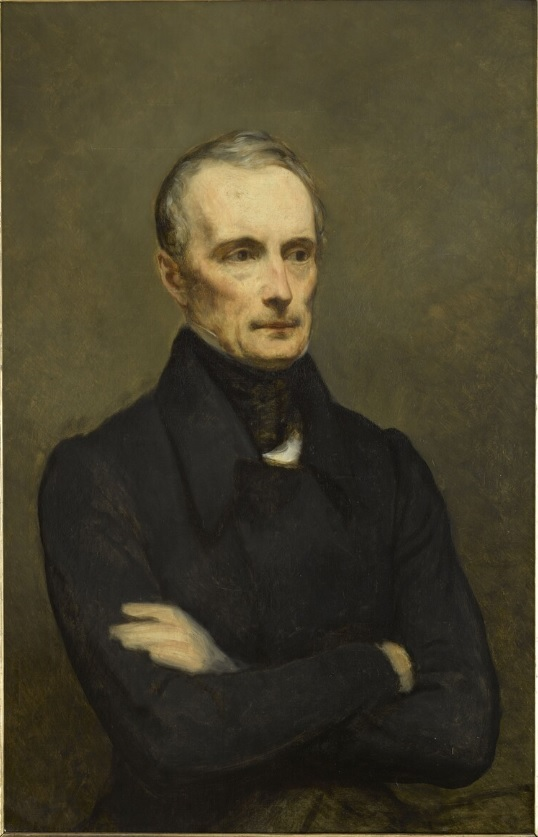
Alphonse Marie Louis de Prat de Lamartine (French: [alfɔ̃s maʁi lwi də pʁa d(ə) lamaʁtin]; 21 October 1790 – 28 February 1869) was a French author, poet, and statesman. Initially a moderate royalist, he became one of the leading critics of the July Monarchy of Louis-Philippe, aligning more with the Republican Left and Social Catholicism.
Lamartine was a leading figure in the 1848 French Revolution and was instrumental in the foundation of the Second Republic along with the preservation of the tricolor as the flag of France. During the revolutionary year of 1848 he served as Foreign Minister and frequently worked to ease tensions between the government and the working class. He was a candidate in the 1848 French presidential election but lost to Louis Napoleon Bonaparte. After the election, he retired from political life.
Born in Mâcon, Burgundy, on 21 October 1790, into a family of the French provincial nobility, Lamartine spent his youth at the family estate. In his youth he read Fénelon, Voltaire, Parny, Bernardin de Saint-Pierre, Racine, Tasso, Dante, Petrarch, Mme de Staël, Shakespeare, Chateaubriand, and Ossian.
In 1820, Lamartine published his first collection of poems, Les Méditations Poétiques, which brought him instant fame. One of the notable poems in this collection was his partly autobiographical poem Le Lac ("The Lake"), which he dedicated to Julie Charles, the wife of a celebrated physician. In it he describes in retrospect the fervent love shared by a couple from the point of view of the bereaved man.
He was made a Chevalier of the Legion of Honour in 1825. He worked for the French embassy in Italy from 1825 to 1828. In 1829, he was elected a member of the Académie française. He was elected as a member of the Chamber of Deputies in 1833. In 1835 he published the Voyage en Orient, an account of the journey he had just made, in royal luxury, to the countries of the Orient, and in the course of which he had lost his only daughter. Lamartine was masterly in his use of French poetic forms but from then on he confined himself to prose. Raised a devout Catholic, Lamartine became a pantheist, writing Jocelyn and La Chute d'un ange and in 1847, Histoire des Girondins, in praise of the Girondists. In his older years Lamartine returned to the Church.
Initially a monarchist, Lamartine came to embrace democratic ideals and opposed militaristic nationalism. Around 1830, Lamartine's opinions shifted in the direction of liberalism. His first run for Parliament was an unsuccessful attempt in 1831 as a "board and moderate royalist". When elected in 1833 to the Chamber of Deputies, he was asked what side of the chamber he was going to sit on, he responded "on the ceiling". Throughout his time in the Chamber, Lamartine always sat in the opposition. He quickly founded his own "Social Party" with some influence from Saint-Simonian ideas and established himself as a prominent critic of the July Monarchy. Initially critical of both the Bourgeois Monarchy and the Republican agitators, Lamartine becoming more and more of a republican in the monarchy's last years.
Lamartine denounced the French government's decision to back down during the Oriental Crisis of 1840, forcing France's ally Muhammad Ali to surrender Crete, Syria, and Hejaz to the Ottoman Empire, calling it "the Waterloo of French diplomacy" A follower of Lamennais, Lamartine advocated the separation of church and state believing it allowed the church to better fulfill its divine mission. By the end of the 30s the radical opposition considered Lamartine their leading spokesman against King Louis-Phillipe and François Guizot.
Lamartine's Histoire des Girondins was an instant success to the point that he styled himself the "Minister of Public Opinion" and considered one of the causes of the 1848 revolution.
Hub AI
Alphonse de Lamartine AI simulator
(@Alphonse de Lamartine_simulator)
Alphonse de Lamartine
Alphonse Marie Louis de Prat de Lamartine (French: [alfɔ̃s maʁi lwi də pʁa d(ə) lamaʁtin]; 21 October 1790 – 28 February 1869) was a French author, poet, and statesman. Initially a moderate royalist, he became one of the leading critics of the July Monarchy of Louis-Philippe, aligning more with the Republican Left and Social Catholicism.
Lamartine was a leading figure in the 1848 French Revolution and was instrumental in the foundation of the Second Republic along with the preservation of the tricolor as the flag of France. During the revolutionary year of 1848 he served as Foreign Minister and frequently worked to ease tensions between the government and the working class. He was a candidate in the 1848 French presidential election but lost to Louis Napoleon Bonaparte. After the election, he retired from political life.
Born in Mâcon, Burgundy, on 21 October 1790, into a family of the French provincial nobility, Lamartine spent his youth at the family estate. In his youth he read Fénelon, Voltaire, Parny, Bernardin de Saint-Pierre, Racine, Tasso, Dante, Petrarch, Mme de Staël, Shakespeare, Chateaubriand, and Ossian.
In 1820, Lamartine published his first collection of poems, Les Méditations Poétiques, which brought him instant fame. One of the notable poems in this collection was his partly autobiographical poem Le Lac ("The Lake"), which he dedicated to Julie Charles, the wife of a celebrated physician. In it he describes in retrospect the fervent love shared by a couple from the point of view of the bereaved man.
He was made a Chevalier of the Legion of Honour in 1825. He worked for the French embassy in Italy from 1825 to 1828. In 1829, he was elected a member of the Académie française. He was elected as a member of the Chamber of Deputies in 1833. In 1835 he published the Voyage en Orient, an account of the journey he had just made, in royal luxury, to the countries of the Orient, and in the course of which he had lost his only daughter. Lamartine was masterly in his use of French poetic forms but from then on he confined himself to prose. Raised a devout Catholic, Lamartine became a pantheist, writing Jocelyn and La Chute d'un ange and in 1847, Histoire des Girondins, in praise of the Girondists. In his older years Lamartine returned to the Church.
Initially a monarchist, Lamartine came to embrace democratic ideals and opposed militaristic nationalism. Around 1830, Lamartine's opinions shifted in the direction of liberalism. His first run for Parliament was an unsuccessful attempt in 1831 as a "board and moderate royalist". When elected in 1833 to the Chamber of Deputies, he was asked what side of the chamber he was going to sit on, he responded "on the ceiling". Throughout his time in the Chamber, Lamartine always sat in the opposition. He quickly founded his own "Social Party" with some influence from Saint-Simonian ideas and established himself as a prominent critic of the July Monarchy. Initially critical of both the Bourgeois Monarchy and the Republican agitators, Lamartine becoming more and more of a republican in the monarchy's last years.
Lamartine denounced the French government's decision to back down during the Oriental Crisis of 1840, forcing France's ally Muhammad Ali to surrender Crete, Syria, and Hejaz to the Ottoman Empire, calling it "the Waterloo of French diplomacy" A follower of Lamennais, Lamartine advocated the separation of church and state believing it allowed the church to better fulfill its divine mission. By the end of the 30s the radical opposition considered Lamartine their leading spokesman against King Louis-Phillipe and François Guizot.
Lamartine's Histoire des Girondins was an instant success to the point that he styled himself the "Minister of Public Opinion" and considered one of the causes of the 1848 revolution.
Recent media