
Recent from talks
Ancient Israelite cuisine
Knowledge base stats:
Talk channels stats:
Members stats:
Ancient Israelite cuisine
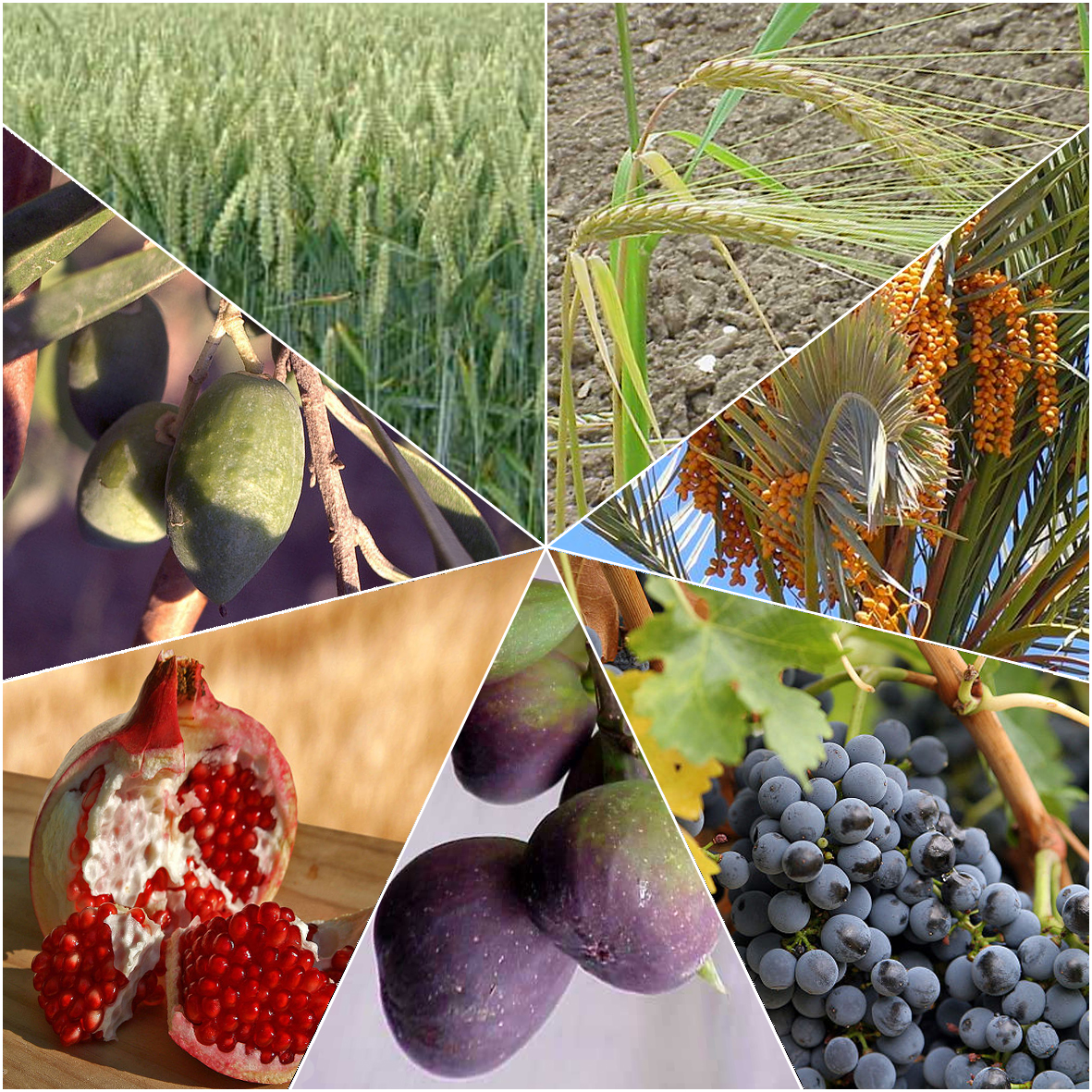
Ancient Israelite cuisine was similar to other contemporary Mediterranean cuisines. Dietary staples were bread, wine, and olive oil; also included were legumes, fruits and vegetables, dairy products, and fish and other meat. Importance was placed on the Seven Species, which are listed in the Hebrew Bible as being special agricultural products of the Land of Israel.
Like many cultures, the Israelites abided by a number of dietary regulations and restrictions that were variously unique or shared with other Near Eastern civilizations. These culinary practices were largely shaped by the Israelite religion, which later developed into Judaism and Samaritanism. People in ancient Israel generally adhered to a particular slaughter method and only consumed from certain animals, notably excluding pigs and camels and all predators and scavengers, as well as forbidding blood consumption and the mixing of milk and meat. There was a considerable continuity in the main components of the diet over time, despite the introduction of new foodstuffs at various stages.
Information about the food of the ancient Israelites is based on written sources, archaeological records and comparative evidence from the wider region of the ancient Levant. The primary written source for the period is the Hebrew Bible, the largest collection of written documents surviving from ancient Israel. Other texts, such as the Dead Sea Scrolls, apocryphal works, the New Testament, the Mishnah and the Talmud also provide information. Epigraphic sources include ostraca from Samaria and Arad.
The Bible provides names of plants and animals that were used for food, such as the lists of permitted and forbidden animals (for example, Leviticus 11 and Deuteronomy 14), and the lists of foods brought to the king’s table (for example, 1 Kings 5:2–3) or the foods that the Israelites are said to have longed for after leaving Egypt (Numbers 11:5). These lists indicate the potential foods that were available, but not necessarily how regularly the food was eaten or how significant it was in the cuisine, which needs to be derived from other sources.
Archaeological remains include the items used for the production of food, such as wine or olive presses, stone and metal implements used in the preparation of food, and amphorae, jars, storerooms and grain pits used for storage. Animal bones provide evidence of meat consumption, the types of animals eaten, and whether they were kept for milk production or other uses, while paleobotanical remains, such as seeds or other carbonized or desiccated plant remains provide information about plant foods.
Using both written and archaeological data, some comparisons can be drawn between the food of ancient Israel and its neighbors. Although there is much information about the foods of ancient Egypt and Mesopotamia, the inferences that can be made are limited due to differences in topography and climate; Israelite agriculture also depended on rainfall rather than the river-based irrigation of these two civilizations, resulting in the preference for different crops. Ugarit and Phoenicia were closer neighbors of ancient Israel, and shared a topography and climate similar to that of ancient Israel. Thus, conclusions about the food and drink in ancient Israel have been made with some confidence from this evidence.
Significant milestones in the availability and development food production characteristic of Israelite cuisine occurred well before the Israelite period. On the other hand, vestiges of the cuisine and the practices associated with it continue to resonate in later Jewish cuisine and traditions that developed in Israel and Babylonia during the Talmudic period (200 CE-500 CE), and may still be discerned in the various culinary styles that have developed among Jewish communities since then.
Wild species of barley and emmer wheat were domesticated and cultivated in the Jordan River Valley as early as the 9th millennium BCE. Archaeologists have found the carbonized seeds of two kinds of primitive wheat, einkorn and emmer, and two-row barley, in the earliest levels of digs at Jericho, one of the first cities in the world.
Hub AI
Ancient Israelite cuisine AI simulator
(@Ancient Israelite cuisine_simulator)
Ancient Israelite cuisine
Ancient Israelite cuisine was similar to other contemporary Mediterranean cuisines. Dietary staples were bread, wine, and olive oil; also included were legumes, fruits and vegetables, dairy products, and fish and other meat. Importance was placed on the Seven Species, which are listed in the Hebrew Bible as being special agricultural products of the Land of Israel.
Like many cultures, the Israelites abided by a number of dietary regulations and restrictions that were variously unique or shared with other Near Eastern civilizations. These culinary practices were largely shaped by the Israelite religion, which later developed into Judaism and Samaritanism. People in ancient Israel generally adhered to a particular slaughter method and only consumed from certain animals, notably excluding pigs and camels and all predators and scavengers, as well as forbidding blood consumption and the mixing of milk and meat. There was a considerable continuity in the main components of the diet over time, despite the introduction of new foodstuffs at various stages.
Information about the food of the ancient Israelites is based on written sources, archaeological records and comparative evidence from the wider region of the ancient Levant. The primary written source for the period is the Hebrew Bible, the largest collection of written documents surviving from ancient Israel. Other texts, such as the Dead Sea Scrolls, apocryphal works, the New Testament, the Mishnah and the Talmud also provide information. Epigraphic sources include ostraca from Samaria and Arad.
The Bible provides names of plants and animals that were used for food, such as the lists of permitted and forbidden animals (for example, Leviticus 11 and Deuteronomy 14), and the lists of foods brought to the king’s table (for example, 1 Kings 5:2–3) or the foods that the Israelites are said to have longed for after leaving Egypt (Numbers 11:5). These lists indicate the potential foods that were available, but not necessarily how regularly the food was eaten or how significant it was in the cuisine, which needs to be derived from other sources.
Archaeological remains include the items used for the production of food, such as wine or olive presses, stone and metal implements used in the preparation of food, and amphorae, jars, storerooms and grain pits used for storage. Animal bones provide evidence of meat consumption, the types of animals eaten, and whether they were kept for milk production or other uses, while paleobotanical remains, such as seeds or other carbonized or desiccated plant remains provide information about plant foods.
Using both written and archaeological data, some comparisons can be drawn between the food of ancient Israel and its neighbors. Although there is much information about the foods of ancient Egypt and Mesopotamia, the inferences that can be made are limited due to differences in topography and climate; Israelite agriculture also depended on rainfall rather than the river-based irrigation of these two civilizations, resulting in the preference for different crops. Ugarit and Phoenicia were closer neighbors of ancient Israel, and shared a topography and climate similar to that of ancient Israel. Thus, conclusions about the food and drink in ancient Israel have been made with some confidence from this evidence.
Significant milestones in the availability and development food production characteristic of Israelite cuisine occurred well before the Israelite period. On the other hand, vestiges of the cuisine and the practices associated with it continue to resonate in later Jewish cuisine and traditions that developed in Israel and Babylonia during the Talmudic period (200 CE-500 CE), and may still be discerned in the various culinary styles that have developed among Jewish communities since then.
Wild species of barley and emmer wheat were domesticated and cultivated in the Jordan River Valley as early as the 9th millennium BCE. Archaeologists have found the carbonized seeds of two kinds of primitive wheat, einkorn and emmer, and two-row barley, in the earliest levels of digs at Jericho, one of the first cities in the world.
Recent media