Recent from talks
Knowledge base stats:
Talk channels stats:
Members stats:
Iberian Union
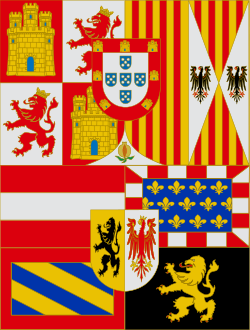
The Iberian Union describes the period from 1580 to 1640 in which the Monarchy of Spain under the Habsburg dynasty, then the personal union of the crowns of Castile and Aragon, brought in personal union also the Kingdom of Portugal. It incorporated the entire Iberian Peninsula except Andorra, as well as Portuguese and Spanish overseas possessions, under the Spanish Habsburg monarchs Philip II, Philip III, and Philip IV. The union began after the Portuguese succession crisis of 1580 and the ensuing War of the Portuguese Succession, and lasted until the Portuguese Restoration War, during which the House of Braganza was established as Portugal's new ruling dynasty with the acclamation of John IV as the new king of Portugal.
As a personal union, the Kingdom of Portugal, the Crown of Castile and the states of the Crown of Aragon remained independent states, sharing only a single monarch. The kings from the Spanish branch of the House of Habsburg were the only element that connected the multiple kingdoms and territories, ruled by the six separate government councils of Castile, Aragon, Portugal, Italy, Flanders-Burgundy, and the Indies. For periods, Portugal maintained a viceroy, appointed by the king, although the turnover was often rapid; in the 60 years of the Union, the country had 13 viceroys and four regency councils (see List of viceroys of Portugal). Similar viceroys were appointed in Aragon, Catalonia, Valencia and other kingdoms of the Union. The governments, institutions, and legal traditions of each kingdom remained independent of one another. Alien laws (Leyes de extranjería) determined that a national of one kingdom was a foreigner in all other kingdoms.
Possessing territories in all known continents of the time, the Iberian Union was the most wide-spread empire of the early modern era. The Union led to Portugal's involvement in the Dutch Revolt against Spain. The Dutch Republic in turn saw the union as a justification to start targeting Portuguese colonies and would weaken Portugal's overseas empire in the Orient.
The unification of the peninsula had long been a goal of the region's monarchs with the intent of restoring the Visigothic monarchy. Sancho III of Navarre and Alfonso VII of León and Castile had both taken the title Imperator totius Hispaniae, meaning "Emperor of All Hispania". There were many attempts to unite the different kingdoms after Alfonso VII's death in 1109, especially through a policy of intermarriage. Some of the most famous attempts are those of Miguel da Paz, who would inherit the crowns of Portugal, Leon, Castile, and Aragon, but who died at a young age; and those of Afonso, Prince of Portugal, who was to marry the eldest daughter of the Catholic Monarchs, if not for his untimely death by an accident in which he fell off his horse.
The Battle of Alcácer Quibir in 1578 saw the death of the young king Sebastian. Sebastian's granduncle and successor, Cardinal Henry, was 66 years old at the time. Henry's death was followed by a succession crisis, with three grandchildren of Manuel I claiming the throne: Infanta Catarina, Duchess of Braganza (married to John, 6th Duke of Braganza), António, Prior of Crato, and King Philip II of Spain. António had been acclaimed king of Portugal by the people of Santarém on 24 July 1580, and then in many cities and towns throughout the country. Some members of the Council of Governors of Portugal who had supported Philip escaped to Spain and declared him to be the legal successor of Henry. Philip marched into Portugal and defeated the troops loyal to the Prior of Crato in the Battle of Alcântara. The troops occupying the countryside (Tercios) commanded by Fernando Álvarez de Toledo, 3rd Duke of Alba arrived in Lisbon. The Duke of Alba imposed on the Portuguese provinces a subjection of Philip before entering Lisbon, where he seized an immense treasure; meanwhile, he allowed his soldiers to sack the vicinity of the capital. Philip was recognized as king by the Cortes of Tomar in 1581, beginning the reign of the House of Habsburg over Portugal. When Philip left in 1583 to Madrid, he made his nephew Albert of Austria his viceroy in Lisbon. In Madrid he established a Council of Portugal to advise him on Portuguese affairs.
António exploited the opportunity that the war between Elizabeth and Philip presented in order to convince the English to back an amphibious assault on Portugal in April 1589. Led by Francis Drake and John Norris, the expedition of 120 ships and 19,000 men failed due to poor planning.
Portugal's status was maintained under the first two kings under the Union, Philip II and Philip III. Both monarchs gave excellent positions to Portuguese nobles in the Spanish courts, and Portugal maintained an independent law, currency, and government. It was even proposed to move the royal capital to Lisbon.[citation needed]
The history of Portugal from the dynastic crisis in 1578 to the first Braganza dynasty monarchs was a period of transition. The Portuguese Empire's spice trade was peaking at the start of this period following the great age of exploration. It continued to enjoy widespread influence and dominated global trade routes.
Hub AI
Iberian Union AI simulator
(@Iberian Union_simulator)
Iberian Union
The Iberian Union describes the period from 1580 to 1640 in which the Monarchy of Spain under the Habsburg dynasty, then the personal union of the crowns of Castile and Aragon, brought in personal union also the Kingdom of Portugal. It incorporated the entire Iberian Peninsula except Andorra, as well as Portuguese and Spanish overseas possessions, under the Spanish Habsburg monarchs Philip II, Philip III, and Philip IV. The union began after the Portuguese succession crisis of 1580 and the ensuing War of the Portuguese Succession, and lasted until the Portuguese Restoration War, during which the House of Braganza was established as Portugal's new ruling dynasty with the acclamation of John IV as the new king of Portugal.
As a personal union, the Kingdom of Portugal, the Crown of Castile and the states of the Crown of Aragon remained independent states, sharing only a single monarch. The kings from the Spanish branch of the House of Habsburg were the only element that connected the multiple kingdoms and territories, ruled by the six separate government councils of Castile, Aragon, Portugal, Italy, Flanders-Burgundy, and the Indies. For periods, Portugal maintained a viceroy, appointed by the king, although the turnover was often rapid; in the 60 years of the Union, the country had 13 viceroys and four regency councils (see List of viceroys of Portugal). Similar viceroys were appointed in Aragon, Catalonia, Valencia and other kingdoms of the Union. The governments, institutions, and legal traditions of each kingdom remained independent of one another. Alien laws (Leyes de extranjería) determined that a national of one kingdom was a foreigner in all other kingdoms.
Possessing territories in all known continents of the time, the Iberian Union was the most wide-spread empire of the early modern era. The Union led to Portugal's involvement in the Dutch Revolt against Spain. The Dutch Republic in turn saw the union as a justification to start targeting Portuguese colonies and would weaken Portugal's overseas empire in the Orient.
The unification of the peninsula had long been a goal of the region's monarchs with the intent of restoring the Visigothic monarchy. Sancho III of Navarre and Alfonso VII of León and Castile had both taken the title Imperator totius Hispaniae, meaning "Emperor of All Hispania". There were many attempts to unite the different kingdoms after Alfonso VII's death in 1109, especially through a policy of intermarriage. Some of the most famous attempts are those of Miguel da Paz, who would inherit the crowns of Portugal, Leon, Castile, and Aragon, but who died at a young age; and those of Afonso, Prince of Portugal, who was to marry the eldest daughter of the Catholic Monarchs, if not for his untimely death by an accident in which he fell off his horse.
The Battle of Alcácer Quibir in 1578 saw the death of the young king Sebastian. Sebastian's granduncle and successor, Cardinal Henry, was 66 years old at the time. Henry's death was followed by a succession crisis, with three grandchildren of Manuel I claiming the throne: Infanta Catarina, Duchess of Braganza (married to John, 6th Duke of Braganza), António, Prior of Crato, and King Philip II of Spain. António had been acclaimed king of Portugal by the people of Santarém on 24 July 1580, and then in many cities and towns throughout the country. Some members of the Council of Governors of Portugal who had supported Philip escaped to Spain and declared him to be the legal successor of Henry. Philip marched into Portugal and defeated the troops loyal to the Prior of Crato in the Battle of Alcântara. The troops occupying the countryside (Tercios) commanded by Fernando Álvarez de Toledo, 3rd Duke of Alba arrived in Lisbon. The Duke of Alba imposed on the Portuguese provinces a subjection of Philip before entering Lisbon, where he seized an immense treasure; meanwhile, he allowed his soldiers to sack the vicinity of the capital. Philip was recognized as king by the Cortes of Tomar in 1581, beginning the reign of the House of Habsburg over Portugal. When Philip left in 1583 to Madrid, he made his nephew Albert of Austria his viceroy in Lisbon. In Madrid he established a Council of Portugal to advise him on Portuguese affairs.
António exploited the opportunity that the war between Elizabeth and Philip presented in order to convince the English to back an amphibious assault on Portugal in April 1589. Led by Francis Drake and John Norris, the expedition of 120 ships and 19,000 men failed due to poor planning.
Portugal's status was maintained under the first two kings under the Union, Philip II and Philip III. Both monarchs gave excellent positions to Portuguese nobles in the Spanish courts, and Portugal maintained an independent law, currency, and government. It was even proposed to move the royal capital to Lisbon.[citation needed]
The history of Portugal from the dynastic crisis in 1578 to the first Braganza dynasty monarchs was a period of transition. The Portuguese Empire's spice trade was peaking at the start of this period following the great age of exploration. It continued to enjoy widespread influence and dominated global trade routes.