Hubbry Logo
search
logo
767044

Bob Mizer

logo
Community Hub0 Subscribers
Read side by side
from Wikipedia

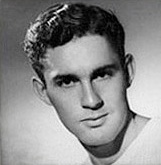
Robert Henry Mizer (March 27, 1922 – May 12, 1992)[1] was an American photographer and filmmaker, known for pushing boundaries of depicting male homoerotic content with his work in the mid 20th century.[2]

Key Information

Biography

[edit]

Bob Mizer's earliest photographs appeared in 1942, in both color and black and white. He began his photography career apprenticing with former silent film star Frederick Kovert, who operated a physique studio in Hollywood.[3]

In spite of societal expectations and pressure from law enforcement, Mizer built a veritable empire on his beefcake photographs and films. He established the influential studio, the Athletic Model Guild (AMG) in 1945, but by the time he published the first issue of Physique Pictorial he was operating the studio on his own at his home near downtown Los Angeles. He photographed thousands of men, building a collection that includes nearly two million different images and thousands of films and videotapes.[4]

In the 1950s, several photographers were doing similar work, such as Alonzo Hanagan (Lon of New York) in New York City, Douglas Juleff (Douglas of Detroit) in Michigan, Don Whitman (of Western Photography Guild) in Denver, Colorado, Russ Warner (in Oakland, California), and Bruce Bellas (Bruce of Los Angeles) in Los Angeles.[citation needed]

Mizer continued to pursue his vision, influencing artists like Robert Mapplethorpe and David Hockney.[5] Over time he captured on film the career beginnings of a number of soon-to-be Hollywood actors, including Glenn Corbett, Tab Hunter and Dennis Cole.

Examples of Mizer's work are now held by esteemed educational and cultural institutions the world over, and can be found in various books, galleries, and private art collections. New York University's 80 Washington Square East Gallery presented what it called "the first major institutional solo presentation of Bob Mizer's work to be shown anywhere in the world" in early 2014, where artists Bruce Yonemoto, Karen Finley and Vaginal Davis added to NYU's scholarship on Mizer. The New York Times reported that the exhibition "makes a good case for [Mizer] as an artist with interests and imagination considerably more expansive than what his popular reputation suggests."[5]

In 1999, Beefcake, a docudrama directed by Thom Fitzgerald, was produced, inspired by a picture book by F. Valentine Hooven III (published by Taschen).

[edit]

Mizer was repeatedly targeted by authorities in relation to his trade in photographs and film. In 1945, he was visited by US postal inspectors, who searched his room and found "dirty pictures", but he avoided prosecution. Mizer was investigated again in 1947 after a man told police that Mizer had sold him nude photographs. As a result of the investigation, Mizer was arrested for contributing to the delinquency of a minor, after it was found he had taken nude photographs of a seventeen-year-old, James Maynor. He was sentenced to six months at a prison farm in Saugus, California.[6]

Mizer used a set of codes to record information about the temperament, physical characteristics, and sexual proclivities of AMG models, and covertly shared this information with photographers and others to whom he would loan out models. This practice led to an arrest by the Los Angeles vice squad for running a prostitution ring. He was convicted, and author Jeffrey Escoffier speculates that he was imprisoned for part of 1968 as a result, explaining a lapse in the run of Physique Pictorial that year.[7]

Films

[edit]

Mizer produced over 3,000 film titles from the early 1950s to the early 1980s. In August 1980, he began using the then-new technology of VHS, and recorded over 7500 hours of his photo sessions until his death in 1992.

Partial filmography

[edit]
  • Advice Without Consent (1955)
  • Alladin (1956)
  • Andy & The Angry Mummy (1963)
  • Motorcycle Thief (1958)
  • Love 2001 (1970)
  • Joe Dallesandro Posing (1966)
  • Tijuana Bandit (1964)
  • The Marine, the cop and the youth (1966)

References

[edit]

Further reading

[edit]
[edit]
Revisions and contributorsEdit on WikipediaRead on Wikipedia
from Grokipedia
Robert Henry Mizer (March 27, 1922 – May 12, 1992) was an American photographer, filmmaker, and publisher who established the Athletic Model Guild (AMG) in Los Angeles in 1945 as a studio for producing physique photography and short films featuring muscular male models posed to highlight bodybuilding and fitness routines.[1][2][3] Through AMG, Mizer created over a million images and hundreds of films that skirted federal and state obscenity laws by framing homoerotic male nudity as educational or artistic content, thereby distributing material to subscribers nationwide via mail order despite postal inspections.[4][5] Mizer's flagship publication, Physique Pictorial, launched in the late 1950s, combined his photographs with fictional narratives and model biographies to appeal to an underground audience interested in male physicality, amassing a vast archive that documented evolving standards of male beauty amid post-World War II cultural shifts.[3][6] His work pioneered commercial homoerotic imagery in the United States before the sexual revolution, influencing later gay visual media while operating within legal constraints that prohibited overt genital exposure or suggestive genital contact.[2][4] Throughout his career, Mizer encountered significant legal opposition, including multiple obscenity charges from the 1940s onward; a notable 1947 conviction stemmed from allegations of intercourse with an underage model, leading to a year in a California work camp, though Mizer and supporters claimed the accusation was fabricated amid broader crackdowns on perceived homosexual activity.[6][7][8] These battles, often involving U.S. Postal Service seizures, underscored the tension between artistic expression and mid-century moral panics over male intimacy, yet Mizer persisted until health issues curtailed his operations in the 1980s.[9][5]

Early Life and Influences

Childhood and Family Background

Robert Henry Mizer was born on March 27, 1922, in Hailey, Idaho, to John Henry Mizer and Delia Bell Mizer.[10][5] His father, a farmer and sawmill owner born in 1881, died on February 6, 1922, at age 41, shortly before Mizer's birth, leaving the family in financial hardship.[10][5] Mizer had siblings including Maude, John, and Joseph, and the family faced poverty in the years following the father's death.[5] In the late 1920s, when Mizer was about five years old, his mother relocated the family to Los Angeles, California, likely seeking better opportunities amid limited prospects in Idaho and connections to relatives such as uncles Parley and Albert Bell who worked there.[5][11] In Los Angeles, Delia Mizer operated a boarding house at 1834 West 11th Street to support the family, an arrangement that shaped Mizer's early environment amid economic challenges.[5] This move immersed the young Mizer in the burgeoning Hollywood scene and emerging fitness culture, though his immediate circumstances emphasized self-reliance in a single-parent household.[5]

Education and Initial Artistic Pursuits

Mizer completed his secondary education at Los Angeles Polytechnic High School, where he honed early communicative skills as a columnist and editor of the school's acclaimed newspaper.[12] Lacking documented formal training in art or photography institutions, he emerged as a self-taught practitioner, initiating his visual experiments amid the economic constraints of the Great Depression era.[13] In the early 1940s, Mizer's nascent artistic endeavors focused on amateur photography of acquaintances and athletes, particularly at Santa Monica's Muscle Beach, where bodybuilding competitions drew crowds of physically honed individuals.[6] These sessions emphasized dynamic posing to accentuate muscular development, with subjects attired in minimal garments such as posing straps to comply with stringent U.S. obscenity regulations that proscribed explicit male nudity in commercial or artistic media.[1] Through trial-and-error, he refined techniques in lighting and composition, producing both black-and-white and early color prints that prioritized anatomical form over narrative context.[14] Such pursuits cultivated Mizer's technical proficiency in rendering the male body as an aesthetic subject, distinct from later commercial applications, while navigating legal boundaries that equated overt homoeroticism with moral peril under prevailing censorship frameworks.[15] This foundational phase, predating organized studio work, underscored his commitment to visual documentation of physical ideals amid a cultural landscape wary of sensual male imagery.[13]

Establishment of the Athletic Model Guild

Founding in 1945 and Business Model

Bob Mizer founded the Athletic Model Guild (AMG) in December 1945 from his residence in Los Angeles, California, establishing it as a pioneering mail-order studio specializing in male physique photography.[16] [15] Operating initially from his living room, Mizer positioned AMG as a modeling agency for bodybuilders, responding to the post-World War II cultural emphasis on male physical fitness amid strict obscenity laws that barred explicit nudity.[1] [17] The business model centered on direct-mail sales to subscribers, distributing illustrated catalogs and bulletins that showcased model portfolios while adhering to legal constraints through the use of minimal posing straps or straps to cover genitals, thereby framing images as artistic studies of athletic form rather than erotic content.[18] [19] Revenue was generated via tiered pricing for individual prints, photo sets, and custom orders, with high-volume production enabling consistent income despite low per-unit margins; Mizer's self-taught photography and efficient home-based operations minimized overhead costs.[15] Model recruitment focused on bodybuilders sourced from local gyms, Muscle Beach, and advertisements placed in fitness magazines like Strength & Health starting in 1946, with content marketed explicitly as tools for promoting health, strength training, and physique development to resonate with normative ideals of masculinity and avoid censorship challenges.[19] [16] This approach allowed AMG to build a subscriber base among enthusiasts of physical culture, sustaining growth through repeat business and word-of-mouth referrals within bodybuilding communities.[17]

Studio Operations and Model Management

Mizer operated the Athletic Model Guild (AMG) from his residence in Los Angeles' Pico-Union neighborhood, initially converting the living room into a functional studio space in 1945 before expanding operations.[1][15] The setup prioritized logistical efficiency for prolific output, incorporating simple yet versatile props such as Greek columns, Roman helmets, and wrestling mats to stage varied thematic poses without extensive reconfiguration between shoots. This streamlined approach supported the production of tens of thousands of images over decades, with Mizer photographing more than 1,000 men in total. Model management emphasized recruitment from accessible local sources like Muscle Beach, encompassing amateurs such as bodybuilders and beachgoers, alongside professionals including college athletes and military personnel.[15] Contracts stipulated ongoing physical conditioning to meet physique standards and mandated pseudonym usage to shield models' real identities from potential legal or social repercussions in the post-war era.[20] AMG records document frequent re-engagement of high-appeal models, prioritizing those whose features drove repeat sales through catalogs and publications. Compensation structures varied but centered on session-based payments or revenue shares from image distributions, incentivizing models to sustain fitness and availability for multiple engagements.[20] This model, rooted in AMG's origins as a referral service for photographers and artists, fostered a roster blending novices seeking exposure with established figures, occasionally including individuals who later pursued celebrity in entertainment.[20]

Photographic and Filmmaking Techniques

Innovations in Physique Photography

Mizer advanced physique photography through his mastery of black-and-white film techniques, employing dramatic lighting setups to accentuate muscle definition and create chiaroscuro effects that emphasized anatomical contours and three-dimensional form.[21][22][23] These methods, inspired by cinematic lighting, involved high-contrast shadows and highlights to evoke a sense of power and motion, distinguishing his work from earlier, flatter bodybuilding portraits.[24] To navigate strict obscenity regulations prohibiting full nudity, Mizer innovated posing strategies that strategically obscured genitals using minimal coverings like posing straps—small fabric pouches akin to athletic supporters—while directing models into dynamic, flexed positions that highlighted physique without explicit exposure.[6][25][15] Models were typically oiled to enhance skin texture under lights, allowing poses that suggested homoerotic tension through implied rather than overt eroticism, such as arched backs or intertwined limbs.[15][26] A key organizational innovation was Mizer's cataloging system for his vast archive exceeding one million negatives, systematically indexed by model identity, thematic category, and pose variation to facilitate rapid client orders through contact sheets and printed directories.[27][28] This structure, developed from the late 1940s onward, enabled efficient distribution of custom prints and supported the scalability of his Athletic Model Guild operations.[29] Mizer further distinguished his still photography by introducing narrative series in staged tableaux, utilizing homemade sets, projected slide backgrounds, and period costumes or props to construct thematic vignettes—such as sailor or wrestler scenarios—that integrated theatrical storytelling with physique emphasis, predating later constructed photography trends while adhering to legal constraints on explicit content.[30][31][15] These compositions blended art-historical references with subtle erotic suggestion, fostering viewer immersion through sequential posing that implied action or narrative progression.[32]

Film Production Methods and Content

Bob Mizer produced over 3,000 short films through his Athletic Model Guild (AMG), spanning formats from 8mm to 16mm and covering themes centered on male physique display and physical exertion. These films were shot using rudimentary equipment in his Los Angeles home studio, often employing handheld cameras for dynamic sequences and simple editing techniques to create the illusion of sustained action. To evade obscenity laws, Mizer structured content around ostensibly educational or athletic scenarios, such as muscle-building exercises and competitive sports, while incorporating suggestive elements like body oiling and close-contact maneuvers that implied eroticism without depicting explicit sexual acts.[15] Early films from the 1940s emphasized fitness demonstrations, featuring models performing calisthenics, weightlifting, and posing routines to highlight muscular development, framed as instructional material for bodybuilding enthusiasts. By the 1950s and into the 1960s, content evolved toward more narrative-driven shorts, including staged wrestling matches where oiled bodies grappled in choreographed holds, and oil rub sessions that simulated massage for recovery or preparation, enhancing visual sheen and tactile appeal under available lighting. These sequences relied on editing cuts and repetitive motions to extend short takes into engaging loops, maintaining a veneer of sporting legitimacy while catering to physique aficionados.[15][33] Mizer innovated with stop-motion effects in later productions, such as his Frankenstein-inspired series from the mid-1960s, where he layered collage elements and rudimentary animation to depict monstrous transformations, differentiating cinematic output from static photography. Custom costumes—ranging from sailor uniforms and cowboy attire to wrestling singlets—added thematic variety and visual intrigue, often combined with elaborate backdrops simulating outdoor or exotic settings within the constraints of his studio space. This approach not only amplified dramatic tension but also allowed subtle homoerotic undertones through implied vulnerability and power dynamics, all coded to align with prevailing censorship standards.[15][34]

Key Publications and Output

Physique Pictorial Magazine

Physique Pictorial, the flagship publication of Bob Mizer's Athletic Model Guild (AMG), was launched in 1951 as a quarterly magazine that showcased Mizer's color photography of male physique models, often posed in minimal attire such as posing straps against varied studio backdrops like prairies or nautical scenes.[35][15] The content blended black-and-white and color images of solo or paired models—including bodybuilders, athletes, and everyday men—with editorial commentary from Mizer advocating physical fitness as essential for societal resilience, alongside illustrations from contributors like Tom of Finland.[35][15] Early issues emphasized partially nude, oiled figures in fitness-oriented poses to align with health and bodybuilding themes, serving primarily as a promotional vehicle for AMG's model catalogs and photographs.[15] Over its run until 1990, the magazine evolved to include the first fully nude issue in January 1969, reflecting loosening obscenity restrictions while maintaining Mizer's editorial focus on aesthetic depictions of the male form rather than overt sexuality.[15] Issues featured model profiles, workout guidance, and narrative fiction framed as adventure or instructional tales, which subtly incorporated homoerotic elements under the guise of physique culture documentation.[35] Produced quarterly across nearly four decades, it generated over 100 issues that chronicled shifts in muscle aesthetics and provided a discreet outlet for male imagery in an era of censorship.[35] Mizer's strict editorial oversight prioritized artistic and educational framing to evade legal scrutiny, fostering subscriber networks through mail-order distribution and building AMG's reach among fitness enthusiasts and nascent gay communities before the Stonewall era.[15] This approach not only promoted individual models but also influenced broader appreciation of male physicality, with content sold at key Los Angeles locations like Hollywood and Cahuenga to connect with targeted audiences.[15]

Other Works and Distribution

In addition to Physique Pictorial, the Athletic Model Guild produced and sold compilations of photographic sets featuring individual models or themed groupings, often marketed as bound volumes or portfolios for collectors and artists. These photo sets, drawn from Mizer's extensive studio archives, emphasized posed physique imagery and were distributed as premium items through the Guild's catalog system.[36] The Guild also offered ancillary merchandise, including calendars showcasing annual selections of Mizer's color-tinted photographs and postcards reproducing popular images for personal use or display. Such items supplemented core sales, appealing to enthusiasts of physical culture and providing affordable entry points into AMG's output.[37] Distribution relied heavily on mail-order catalogs mailed to a nationwide and international clientele, enabling discreet sales amid obscenity restrictions. This approach, initiated in the late 1940s, allowed circumvention of local enforcement by routing shipments through the U.S. Postal Service, though it drew federal scrutiny for interstate commerce of suggestive materials. Operations peaked during the 1950s and 1960s, with catalogs promoting films, prints, and props like wrestling mats used in shoots, sustaining a steady revenue stream from repeat subscribers.[38][39][40] Following the 1960s liberalization of censorship laws, Mizer shifted toward film production, creating over 3,000 short 8mm loops that were sold via catalog and later adapted into video tape formats for broader accessibility. This evolution maintained emphasis on archival material, with transfers preserving early footage for ongoing sales to dedicated buyers into the 1980s.[41][42]

Major Arrests and Trials

In 1947, Mizer faced federal charges for mailing obscene materials after an investigation prompted by a complaint regarding the sale of nude photographs. He was convicted and sentenced to nine months in jail, serving time in a labor camp, where the experience influenced his later emphasis on structured posing to emphasize artistic rather than erotic intent.[43] On May 19, 1954, the Los Angeles Police Department arrested Mizer on charges of possession and sale of indecent literature, stemming from issues of Physique Pictorial that featured photographs of minimally clad male models, some highlighting exposed buttocks deemed obscene under local statutes. Following a public exposé in the Los Angeles Mirror, prosecutors presented evidence including unrelated images of nude men to argue indecency, leading to an initial conviction at trial. Mizer appealed, contending that the materials held artistic value akin to classical depictions of the male form and were protected under the First Amendment as non-prurient expressions of physique culture; the Los Angeles Superior Court overturned the conviction in 1955 on procedural grounds, with the city ultimately dropping charges related to the contested images after defense challenges to the prosecution's evidence compilation.[44] Mizer's defenses in these cases relied on expert comparisons to Greco-Roman statuary and Renaissance art to establish precedents for non-sexualized male nudity, arguing that context and lack of genital exposure differentiated his work from pornography. Subsequent U.S. Supreme Court decisions, such as Roth v. United States (1957), which required obscenity to lack "redeeming social importance," provided indirect reinforcement by narrowing prosecutorial standards and bolstering claims of cultural merit in physique media, though Mizer's earlier trials predated this ruling.[44]

Strategies and Outcomes

In response to obscenity charges, Mizer engaged attorneys experienced in First Amendment and censorship cases, such as J. B. Tietz for later proceedings, to mount defenses centered on reclassifying his materials as legitimate physique photography rather than prurient erotica.[5] These tactics emphasized the educational and artistic value of the content, positioning it as akin to classical depictions of the male form in works by Michelangelo and other Renaissance masters, thereby arguing against any intent to appeal to unhealthy sexual interests. By highlighting the context of bodybuilding, health promotion, and artistic study targeted at athletes and photographers, Mizer's counsel sought to demonstrate compliance with prevailing legal standards under cases like Roth v. United States (1957), which required proof of prurient appeal lacking serious value. Trial arguments often pivoted on evidentiary weaknesses in prosecutions, such as failure to directly link Mizer to specific offending images or to establish distribution intent beyond mail-order sales to subscribers claiming interest in fitness.[5] In appeals, defenses successfully challenged municipal convictions by invoking due process and lack of community standards violations, avoiding guilty pleas in contested cases after an early 1947 misdemeanor where Mizer accepted a lighter sentence via public defender advice. This approach refrained from outright provocation, instead leveraging editorials in Physique Pictorial to publicly denounce censorship while aligning with civil liberties efforts, such as those of the American Civil Liberties Union.[45] Outcomes generally favored continuity of operations, with most post-1947 cases resulting in acquittals or reversals, including a 1955 Superior Court appeal overturning a 1954 municipal conviction due to insufficient evidence, and a 1960 not-guilty verdict on related charges.[5] Fines, when imposed, were nominal and did not compel shutdowns of the Athletic Model Guild, enabling sustained mail-order distribution that contributed to narrower precedents affirming artistic leeway in physique media amid evolving obscenity jurisprudence. These results imposed a chilling effect but preserved the enterprise for decades, underscoring the viability of targeted legal reframing over capitulation. Post-trial adaptations prioritized risk mitigation, with Mizer curtailing more suggestive poses and themes in publications to emphasize safer motifs like wrestling instruction and bodybuilding routines, reflecting a pragmatic focus on commercial longevity amid persistent scrutiny. This shift, while diluting some expressive edges, ensured the guild's adaptation to legal realities without full retreat from the niche market.[5]

Cultural Reception and Controversies

Achievements in Depicting the Male Form

Mizer's Athletic Model Guild (AMG), founded in 1945, documented over 1,000 male models by 1957, as detailed in his catalog AMG: 1000 Model Directory, which compiled images of diverse physiques including bodybuilders, athletes, and laborers, thereby archiving mid-20th-century ideals of masculine form during a period of post-war cultural emphasis on physical fitness.[46] [47] These works preserved aesthetic standards rooted in natural muscularity and classical posing, drawn from sources like Muscle Beach competitions, influencing subsequent fitness photography by prioritizing anatomical detail and dynamic compositions over abstraction.[6] [48] The enterprise's sustained output—nearly one million photographs over decades—demonstrated commercial viability through targeted sales of prints and magazines to niche audiences, enabling AMG to operate profitably for approximately 47 years until Mizer's death in 1992, even under prevailing regulatory constraints on imagery.[49] [32] Artistic validation emerged via institutional exhibitions juxtaposing Mizer's photo-collages with works by Tom of Finland, such as the 2013 presentation at the Museum of Contemporary Art (MOCA) in Los Angeles, which highlighted his contributions to homoerotic visual culture as a foundational element of 20th-century photography, integrating sensual male depictions into broader narratives of American modernism.[50] [5] This recognition underscores how Mizer's techniques elevated physique photography from marginal erotica to a documented influence on representational standards in fitness and artistic domains.[51]

Criticisms from Moral and Artistic Perspectives

In the 1950s, conservative authorities and law enforcement officials condemned Bob Mizer's physique photography and publications, such as Physique Pictorial, for purportedly promoting moral deviance by disseminating homoerotic content under the guise of athleticism and bodybuilding, appealing to what they regarded as prurient homosexual interests in an era of heightened anti-deviancy campaigns.[5] These objections framed Mizer's work as a subversive tool that undermined traditional family values and public decency, with police suspecting the materials' distribution networks targeted deviant subcultures despite Mizer's emphasis on health and artistic merit.[52] Counterarguments from Mizer and supporters highlighted the voluntary nature of model participation, with no substantiated evidence of coercion or non-consensual acts emerging from investigations, positioning the enterprise as a legitimate outlet for male physical expression in a repressive sociocultural context.[5] Within gay literary and activist circles, figures like John Rechy leveled moral critiques against Mizer, accusing him of favoritism toward affluent clients in operations allegedly facilitating sexual procurement, thereby prioritizing elite access over equitable community benefit.[5] Similarly, author F. Valentine Hooven alleged that Mizer coerced models into sexual contact, a charge Mizer vehemently denied, underscoring tensions over exploitation in the pre-liberation gay visual economy.[5] Post-1970s gay liberation perspectives further critiqued the "coded" restraint of Mizer's imagery—relying on posing straps and indirect eroticism—as artistically compromised, masking authentic homosexual desire behind commercial euphemisms and failing to embrace the explicitness demanded by emerging radical aesthetics.[53] Economic objections focused on disparities in model compensation and contract terms, with some accounts portraying the Athletic Model Guild as underpaying participants relative to the profitability of Mizer's output, potentially exploiting vulnerable young men navigating limited opportunities in mid-century America.[54] These claims were tempered by model testimonials describing the work as empowering, fostering body positivity and financial independence amid societal repression of male physicality and same-sex attraction, though such views often emanate from retrospective oral histories rather than contemporaneous records.[32] Scholarly analyses note that while Mizer's enterprise generated substantial revenue through mail-order sales, the opaque nature of model agreements invited scrutiny over fairness, balanced against the era's scarcity of viable outlets for gay-identified labor.[55]

Later Career, Death, and Archives

Activities Post-1960s

Following the liberalization of obscenity standards in the United States during the late 1960s and 1970s, Mizer adapted his productions at the Athletic Model Guild by incorporating more revealing poses in photographs and short films, while adhering to the use of posing straps to emphasize idealized male physiques over explicit genital exposure.[13] This approach distinguished his work from the increasingly overt depictions in contemporary gay erotica, prioritizing narrative scenarios and artistic framing of muscular forms in domestic or outdoor settings.[32] Amid declining demand for 16mm film loops, Mizer shifted toward video in the late 1970s and early 1980s, producing over 3,000 short titles that captured model interactions and posing sessions.[13] In August 1980, he adopted VHS technology to document live photo shoots, generating more than 7,500 hours of raw footage by the end of his active period.[56] These videos extended his signature style, featuring sequential poses and light storytelling elements like wrestling or role-play, often without full nudity. Mizer mentored operational successors at AMG, including Wayne Stanley, who joined in the final years and handled archive logistics before inheriting the estate upon Mizer's passing.[6] He oversaw the management of an expanding collection exceeding 2 million images from over 10,000 models, ensuring continuity in cataloging and distribution.[3] Physique Pictorial magazine persisted under his direction as a quarterly publication until its final original issue in 1990, featuring new photography alongside reprints to sustain audience engagement with physique aesthetics.[35]

Death in 1992 and Immediate Aftermath

Robert Henry Mizer died on May 12, 1992, in Los Angeles, California, from cardiac arrest at the age of 70.[3][13][6] His estate, encompassing the extensive archives of the Athletic Model Guild—including over one million photographic negatives and approximately three thousand hours of film—passed directly to Wayne Stanley, Mizer's live-in assistant, lawyer, and designated second beneficiary.[13][6][57] Stanley, who had managed aspects of the operation in Mizer's final years, inherited control of the family home, studio, dormitory, costumes, and remaining business assets across four city lots.[57][58] In the immediate aftermath, Stanley endeavored to sustain the guild's activities for two years, producing limited new content before shuttering the enterprise and selling off the residual stock to collector David Martin in San Francisco.[6] Despite these efforts, substantial portions of the archives faced destruction, with much material discarded into dumpsters shortly after Mizer's passing, reflecting the precarious valuation and handling of the collection at that time.[59] Within physique photography circles, Mizer's passing prompted outreach from enthusiasts seeking access to his work, underscoring his enduring, if niche, influence amid the transition.[60]

Modern Preservation and Exhibitions

Following Mizer's death in 1992, the Bob Mizer Foundation was established to safeguard his extensive archive, encompassing over one million photographs, thousands of films, and related ephemera produced through the Athletic Model Guild.[59] In September 2025, the organization rebranded as the Bob Mizer Museum and Photographic Archives to reflect its expanded role in public education on photography-based censorship and archival access, while continuing digitization projects to mitigate degradation risks from aging materials such as acetate film stock, which is prone to vinegar syndrome and brittleness.[61] [62] Conservation efforts have included sequencing and scanning thousands of film rolls, with ongoing initiatives like a 2023-2024 campaign to digitize 1970s color films, addressing the reluctance of mainstream institutions to handle such content due to its erotic nature.[63] [64] The museum's access policies prioritize scholarly research and public programming while enforcing commercial licensing to sustain operations, granting permissions for academic use but restricting unauthorized reproductions to protect intellectual property.[30] Exhibitions in the 2020s have highlighted preservation outcomes, such as the 2024 show "Physique Pictorial: The Manufacture, Craft and Art of Mizer's Magazine," which displayed original production materials from the quarterly publication spanning 1951-1990, curated to demonstrate Mizer's technical innovations in offset printing and collage.[65] In San Francisco, 2025 programs featured debuts of related artists influenced by Mizer's aesthetic, including Stuart Sandford's "In Youth Is Pleasure" (September-November) and a March-June survey of George Dureau's human-form photography, alongside "Progeny: New Visions of The Classical Form" (November 2024-February 2025) showcasing contemporaries like Walter Jenkel.[66] [67] [68] Market recognition of preserved originals has grown, with auction sales of Mizer's gelatin silver prints and artifacts fetching prices from $2,000 to over $4,600 in recent years, signaling collector interest in verified archival pieces amid broader queer visual history revivals.[69] [70] These transactions underscore the foundation's success in authenticating and circulating works, though challenges persist in funding full-scale film restoration without compromising material integrity.[71]

Personal Life and Character

Relationships and Private Conduct

Mizer remained a lifelong bachelor throughout his life, with no records of marriage or children.[72][73] He maintained a close, devoted relationship with his mother, Delia Mizer (1882–1964), sharing a residence that doubled as his studio in Los Angeles' Pico-Union neighborhood, where she assisted in early operations following his 1947 release from a correctional facility.[74][75][1] As a teenager in the 1930s, Mizer confided his homosexuality to Delia, forgoing a traditional prom date in favor of pursuits aligned with his emerging interests in male nudity.[76] This early disclosure reflected a private acknowledgment of his sexual orientation amid broader societal stigma, though he navigated a dual public identity—presenting as heterosexual while privately identifying as homosexual, as noted in his personal diaries.[15] His interpersonal dynamics with models emphasized professional boundaries, governed by contracts that stipulated platonic interactions, despite his openness about his homosexuality, which many participants recognized and trusted due to his masculine demeanor.[3][77] Accounts from associates describe relationships with models as strictly professional, with occasional referrals to other photographers for further engagements, though speculation persists about potential deeper involvements without confirmatory evidence.[78][74] Mizer's social circle remained narrowly confined to his studio environment, family—including brother Joe—and select collaborators, indicative of an introverted disposition prioritizing solitary creative focus over participation in emerging public gay social scenes during the mid-20th century.[79] This discretion aligned with the era's legal and cultural constraints on homosexuality, channeling personal expression primarily through artistic output rather than overt personal affiliations.[60]

Health Issues and Daily Habits

In his later years, Bob Mizer suffered from renal failure, which contributed to his declining health as he persisted in his photographic work.[3] He died on May 12, 1992, at the age of 70 in Los Angeles from cardiac arrest.[3] Mizer maintained a rigorous daily routine centered on his studio operations at the Athletic Model Guild, where he photographed models, directed elaborate poses with props such as nautical themes or athletic scenarios, and cataloged an extensive archive exceeding two million images and thousands of short films.[3] Described as a workaholic, he continued this hands-on involvement in production and documentation until shortly before his death, often working from his combined residence and studio in Los Angeles' Pico-Union neighborhood.[80][1] No records indicate substance abuse or reliance on alternative remedies over conventional medical care in his personal habits.

References

User Avatar
No comments yet.