
Recent from talks
Bonnet (headgear)
Knowledge base stats:
Talk channels stats:
Members stats:
Bonnet (headgear)
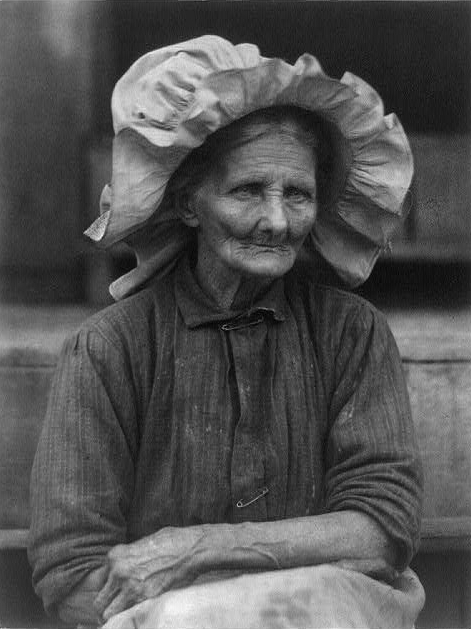
Bonnet has been used as the name for a wide variety of headgear for both sexes—more often female—from the Middle Ages to the present.[citation needed] As with "hat" and "cap", it is impossible to generalize as to the styles for which the word has been used, but there is for both sexes a tendency to use the word for styles in soft material and lacking a brim, or at least one all the way round, rather than just at the front. Yet the term has also been used, for example, for steel helmets. This was from Scotland (in 1505), where the term has long been especially popular.
Headgear tied under the chin with a string was especially likely to be called a bonnet. Other features associated with bonnets as opposed to hats was that the forehead was not covered, and the back of the head often was. The outdoor headgear of female servants and workers was more likely to be called a bonnet. It was often worn outside over a thinner everyday head covering, which was worn at all times. Hats were often stiffer, worn on the top of the head with the crown and brim roughly horizontal, while bonnets were pushed back, covering the back of the head, with any brim often approaching the vertical at the front. Other types of bonnet might otherwise be called "caps", for example the Scottish blue bonnet worn by working-class men and women, a kind of large floppy beret.
Bonnet derives from the same word in French, where it originally indicated a type of material. From the 18th century bonnet forms of headgear, previously mostly worn by elite women in informal contexts at home (as well as more generally by working women), became adopted by high fashion, and until at least the late 19th century, bonnet was the dominant term used for female hats. In the 21st century, only a few specialized kinds of headgear are still called bonnets, most commonly those worn by babies and the feather bonnets of Scottish Highland regiments, as well as perhaps the war bonnets of North American Plains Indians. In addition, types of headgear called bonnets are worn by women as an outer Christian headcovering in some denominations such as the Amish, Mennonite and Brethren churches among the Anabaptist branch of Christianity, and with Conservative Quakers, mainly in the Americas.
Until the late 19th century bonnet seems to have been the preferred term for most types of hats worn by women, while hat was more reserved for male headgear, and female styles that resembled them, typically either in much smaller versions perched on top of the head, or versions with very wide brims all the way round. In the mid-17th and 18th century house bonnets worn by women and girls were generally brimless headcoverings which were secured by tying under the chin, and which covered no part of the forehead. They were worn both indoors and outdoors, to keep the hair tidy, to keep dust or flour out of the hair while working, and in accordance with the Christian Bible passage 1 Corinthians 11. With society hairstyles becoming increasingly elaborate after 1770, the calash was worn outdoors to protect hair from wind and weather: a hood of silk stiffened with whalebone or arched cane battens, collapsible like a fan or the calash top of a carriage, they were fitted with ribbons to allow them to be held secure in a gale.
From Waterloo, increasingly structured and fashionable bonnets made by milliners grew larger and less functional among the upper classes. A plate in La Belle Assemblée 1817 showed a
Bonnet of vermillion-coloured satin, embossed with straw, ornamented slightly with straw-coloured ribbands (ribbons), and surmounted by a bouquet formed of a full blown damask rose and buds, with ears of ripe corn. This ornament is partially placed on one side: the edge of the bonnet finished by blond [lace] laid on strait.
This was specified as a carriage dress, with the understanding that when "taking the air" in an open carriage, the bonnet provided some privacy—such a bonnet was called an invisible in Paris—and prevent wind-chapping, with its connotations of countrified "rude" health. Straw was available again after 1815: the best straw bonnets came from Leghorn. As a bonnet developed a peak, it would extend from the entire front of the bonnet, from the chin over the forehead and down the other side of the face. Some styles of bonnets between ca 1817 and 1845 had a large peak which effectively prevented women from looking right or left without turning their heads: a coal-scuttle or poke bonnet. Others had a wide peak which was angled out to frame the face. In the 1840s it might be crimped at the top to frame the face in a heart shape. As the bonnet became more complicated, under it might be worn a lace cornette to hold the hair in place.[citation needed]
The lack of a clear distinction between hats and bonnets can be seen in these extracts from Harper's Bazaar in 1874: (On "Paris Fashions", by Emmeline Raymond, 11 April) "There is no change in bonnets. So long as the hair is piled on top of the head, the little device which takes the place of a dress cap must remain as it is. The brims are generally flattened at the sides, swelling above the front, and turned up behind in order to make room for the hair, which would not find room whereon to lodge if the precaution were not taken, here and there, to punch out what is called a brim of what is called a bonnet. It is said, however, that straw hats of the Pamela shape are in preparation, that is, turned up behind, but shading the forehead. It would be so very sensible to wear a bonnet that would protect the face from the sun that I give this news with due caution. For my part, I can not believe it, as little of practical, functional purpose remains in bonnet design." A week before, ("New York Fashions", 4 April): "Strings are now seldom seen, and this does away with the last distinguishing feature between bonnets and round hats; the same head-covering now serves for each, as it is a bonnet when worn far back on the head, and a hat when tilted forward."
Hub AI
Bonnet (headgear) AI simulator
(@Bonnet (headgear)_simulator)
Bonnet (headgear)
Bonnet has been used as the name for a wide variety of headgear for both sexes—more often female—from the Middle Ages to the present.[citation needed] As with "hat" and "cap", it is impossible to generalize as to the styles for which the word has been used, but there is for both sexes a tendency to use the word for styles in soft material and lacking a brim, or at least one all the way round, rather than just at the front. Yet the term has also been used, for example, for steel helmets. This was from Scotland (in 1505), where the term has long been especially popular.
Headgear tied under the chin with a string was especially likely to be called a bonnet. Other features associated with bonnets as opposed to hats was that the forehead was not covered, and the back of the head often was. The outdoor headgear of female servants and workers was more likely to be called a bonnet. It was often worn outside over a thinner everyday head covering, which was worn at all times. Hats were often stiffer, worn on the top of the head with the crown and brim roughly horizontal, while bonnets were pushed back, covering the back of the head, with any brim often approaching the vertical at the front. Other types of bonnet might otherwise be called "caps", for example the Scottish blue bonnet worn by working-class men and women, a kind of large floppy beret.
Bonnet derives from the same word in French, where it originally indicated a type of material. From the 18th century bonnet forms of headgear, previously mostly worn by elite women in informal contexts at home (as well as more generally by working women), became adopted by high fashion, and until at least the late 19th century, bonnet was the dominant term used for female hats. In the 21st century, only a few specialized kinds of headgear are still called bonnets, most commonly those worn by babies and the feather bonnets of Scottish Highland regiments, as well as perhaps the war bonnets of North American Plains Indians. In addition, types of headgear called bonnets are worn by women as an outer Christian headcovering in some denominations such as the Amish, Mennonite and Brethren churches among the Anabaptist branch of Christianity, and with Conservative Quakers, mainly in the Americas.
Until the late 19th century bonnet seems to have been the preferred term for most types of hats worn by women, while hat was more reserved for male headgear, and female styles that resembled them, typically either in much smaller versions perched on top of the head, or versions with very wide brims all the way round. In the mid-17th and 18th century house bonnets worn by women and girls were generally brimless headcoverings which were secured by tying under the chin, and which covered no part of the forehead. They were worn both indoors and outdoors, to keep the hair tidy, to keep dust or flour out of the hair while working, and in accordance with the Christian Bible passage 1 Corinthians 11. With society hairstyles becoming increasingly elaborate after 1770, the calash was worn outdoors to protect hair from wind and weather: a hood of silk stiffened with whalebone or arched cane battens, collapsible like a fan or the calash top of a carriage, they were fitted with ribbons to allow them to be held secure in a gale.
From Waterloo, increasingly structured and fashionable bonnets made by milliners grew larger and less functional among the upper classes. A plate in La Belle Assemblée 1817 showed a
Bonnet of vermillion-coloured satin, embossed with straw, ornamented slightly with straw-coloured ribbands (ribbons), and surmounted by a bouquet formed of a full blown damask rose and buds, with ears of ripe corn. This ornament is partially placed on one side: the edge of the bonnet finished by blond [lace] laid on strait.
This was specified as a carriage dress, with the understanding that when "taking the air" in an open carriage, the bonnet provided some privacy—such a bonnet was called an invisible in Paris—and prevent wind-chapping, with its connotations of countrified "rude" health. Straw was available again after 1815: the best straw bonnets came from Leghorn. As a bonnet developed a peak, it would extend from the entire front of the bonnet, from the chin over the forehead and down the other side of the face. Some styles of bonnets between ca 1817 and 1845 had a large peak which effectively prevented women from looking right or left without turning their heads: a coal-scuttle or poke bonnet. Others had a wide peak which was angled out to frame the face. In the 1840s it might be crimped at the top to frame the face in a heart shape. As the bonnet became more complicated, under it might be worn a lace cornette to hold the hair in place.[citation needed]
The lack of a clear distinction between hats and bonnets can be seen in these extracts from Harper's Bazaar in 1874: (On "Paris Fashions", by Emmeline Raymond, 11 April) "There is no change in bonnets. So long as the hair is piled on top of the head, the little device which takes the place of a dress cap must remain as it is. The brims are generally flattened at the sides, swelling above the front, and turned up behind in order to make room for the hair, which would not find room whereon to lodge if the precaution were not taken, here and there, to punch out what is called a brim of what is called a bonnet. It is said, however, that straw hats of the Pamela shape are in preparation, that is, turned up behind, but shading the forehead. It would be so very sensible to wear a bonnet that would protect the face from the sun that I give this news with due caution. For my part, I can not believe it, as little of practical, functional purpose remains in bonnet design." A week before, ("New York Fashions", 4 April): "Strings are now seldom seen, and this does away with the last distinguishing feature between bonnets and round hats; the same head-covering now serves for each, as it is a bonnet when worn far back on the head, and a hat when tilted forward."
Recent media