Hubbry Logo
360 Architecture360 ArchitectureMain
Open search
360 Architecture
Community hub
360 Architecture
logo
8 pages, 0 posts
0 subscribers
Be the first to start a discussion here.
360 Architecture
360 Architecture
from Wikipedia
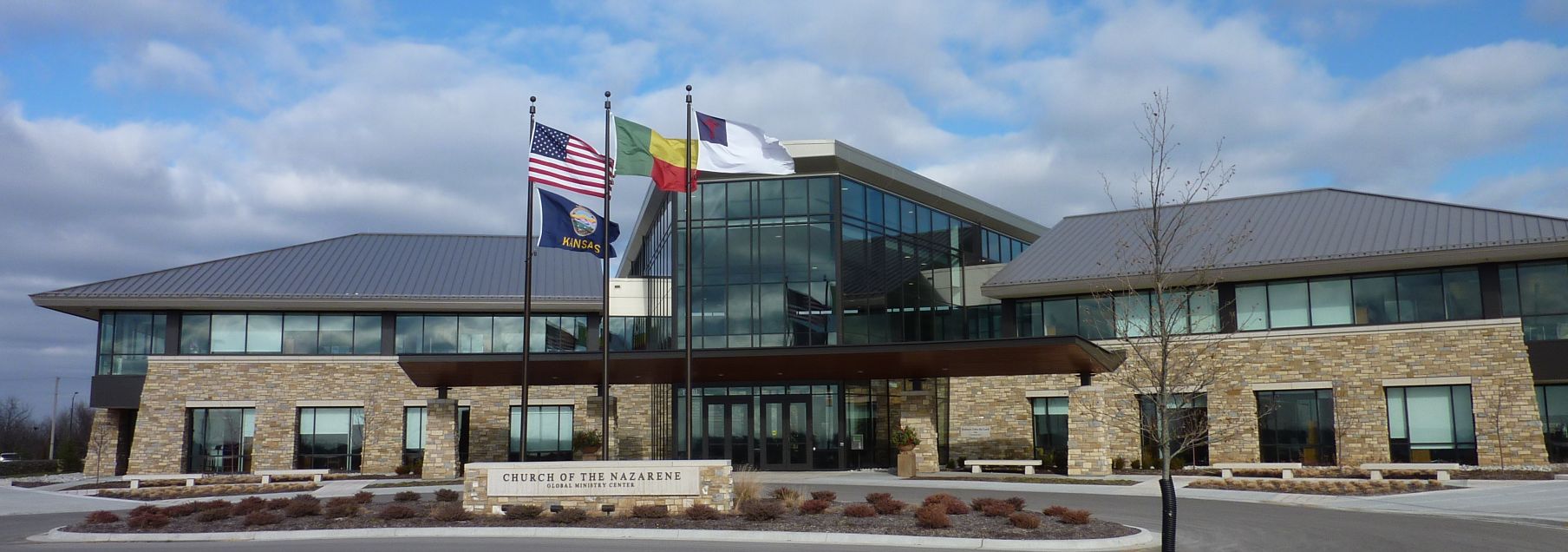
Church of the Nazarene headquarters in Lenexa

Key Information

360 Architecture was an American architectural practice acquired by HOK in 2015. The firm provided services for a range of project types including corporate headquarters and commercial office buildings, sports arenas, stadiums and ballparks, municipal facilities, single- and multi-family residential, and mixed-use entertainment districts. The firm was headquartered in Kansas City, Missouri, with offices in Columbus Ohio; and San Francisco, California.[1] As of 2014, the firm had a staff of 200 professionals.

In January 2015, HOK completed its acquisition of 360 Architecture for an undisclosed price and announced the launch of a new global Sports + Recreation + Entertainment practice. Brad Schrock, a 360 Architecture co-founder and a director of this new HOK practice, said the acquisition would help the firms compete at the highest level.[2]

History

[edit]

CDFM2 Architecture Inc. and Heinlein Schrock Stearns merged in 2004 to form 360 Architecture. At the time, CDFM2 was a firm of sixty architects, interior architects, interior designers, 3D illustrators and graphic designers working in the corporate, developer service, government, and higher education markets. Heinlein Schrock Stearns was a firm of thirty-six architects and designers focused on collegiate, minor- and major-league sports and commercial, residential and retail/entertainment projects. The merger combined thirty-four years of firm experience into 360 Architecture (CDFM2 founded in 1980 and Heinlein Schrock Stearns founded in 1995).

Recent activities

[edit]

The firm worked on some of the largest sporting venues in the U.S., such as Avaya Stadium, home of the San Jose Earthquakes professional soccer team in San Jose, California,[3] Husky Stadium in Seattle, Washington, home of the Washington Huskies football team, and MetLife Stadium in East Rutherford, New Jersey, home of the New York Giants and the New York Jets professional football teams.[4] 360 Architecture was also a member of the Kansas City Downtown Arena Design Team (DADT). The DADT is the architect of record for the Sprint Center in downtown Kansas City.[5]

360 Architecture is the designer for the thirteen-block revitalization project of downtown Kansas City.[6] Other 360 Architecture projects in the downtown Kansas City area include the J.E. Dunn Construction Company corporate headquarters,[7] the U.S. Internal Revenue Service Center and post office renovation,[8] H&R Block world headquarters,[9] and the Boulevard Brewing Company expansion.[10]

Selected projects

[edit]

Markets served

[edit]
  • mixed use
  • corporate
  • civic
  • sports (collegiate & professional)
  • recreation
  • residential
  • hospitality
  • higher education

Services

[edit]

References

[edit]
[edit]
Revisions and contributorsEdit on WikipediaRead on Wikipedia
from Grokipedia
360 Architecture was an American architecture firm headquartered in , renowned for its innovative designs in sports facilities, entertainment venues, and mixed-use urban developments. Founded in 2004 through the merger of local firms CDFM2 Architecture Inc. and Heinlein Schrock Stearns, it specialized in creating functional, fan-focused stadiums and arenas that integrated advanced technology and sustainable features. By the time of its acquisition by the global design firm HOK in 2015, 360 Architecture employed approximately 200 professionals across offices in Kansas City, Columbus, , and San Francisco, California, establishing HOK's 24th studio and bolstering its sports and recreation practice. The firm's portfolio highlighted its expertise in high-profile sports projects, including the in Atlanta, Georgia, which features an innovative aperture-style retractable roof composed of eight ETFE-clad triangular "petals" that allow natural light penetration while protecting against weather. Other notable works encompassed , the arena for the NHL's in , ; in , , serving as home to the NHL's Red Wings and NBA's Pistons; and the New Meadowlands Stadium (now ) in , a dual-use venue for the NFL's and Jets. Following the acquisition, 360's design team initially led key initiatives within HOK under principals including Brad Schrock and Tom Waggoner, contributing to the firm's expanded global presence in sports architecture amid Kansas City's reputation as a hub for such expertise (as of 2019).

Company Overview

Founding and Early Operations

360 Architecture was established in 2004 through the merger of two Kansas City-based firms: CDFM2 Architecture Inc., founded in 1980 and focused on corporate, civic, and commercial projects, and Heinlein Schrock Stearns, founded in 1995 and specializing in sports and recreation facilities. The merger combined CDFM2's approximately 60 architects, interior designers, and planners with Heinlein Schrock Stearns' team of 36 professionals, creating a new entity with around 100 staff members dedicated to leveraging the complementary expertise of its predecessors. The firm established its headquarters in , and maintained additional offices in , and San Francisco, California, to support its operational needs across diverse project locations. This structure facilitated a centralized in Kansas City while enabling regional presence for client engagement and project execution. From its inception, 360 Architecture emphasized a collaborative studio environment, with its initial staff growing to approximately 200 professionals by 2014 as the firm integrated the design strengths of its founding entities to develop a robust portfolio in sports and mixed-use developments. This early operational setup positioned the firm for national expansion in architectural services.

Merger with HOK and Current Status

In August 2014, HOK announced its intent to acquire 360 Architecture, a Kansas City-based firm specializing in and design, with the transaction completed in January 2015 for an undisclosed amount. This move marked HOK's strategic return to sports facility design after spinning off its dedicated sports practice in 2008, which had left the sector dormant for several years. Following the acquisition, 360 Architecture's staff of approximately 200 professionals were integrated into HOK's operations, establishing a new global + + practice. This practice was initially led by Brad Schrock, a co-founder and former principal at 360 Architecture, who assumed the role of director to oversee the combined expertise in venue design. The 360 Architecture brand was subsequently phased out, with its team members contributing to HOK's broader portfolio across multiple offices. The primary motivations for the merger centered on leveraging 360 Architecture's deep specialization in venues alongside HOK's extensive international network and strengths in mixed-use developments and facilities. This synergy aimed to position HOK as a more competitive force in transforming sports architecture, enabling innovative projects that integrate athletic, recreational, and elements on a global scale. As of 2025, 360 Architecture operates fully as an integrated component of HOK, with no independent operations or distinct branding remaining. Its foundational expertise endures through HOK's ongoing Sports + Recreation + practice, which continues to influence high-profile initiatives such as the $1.4 billion of into a multifunctional hub for the , targeted for completion in 2028.

Historical Development

Formation and Pre-Merger Growth

Following its formation in through the merger of CDFM2 Architecture Inc. and Heinlein Schrock Stearns & Associates, 360 Architecture experienced rapid consolidation and expansion in the subsequent decade. The firm grew its workforce to approximately 200 employees by 2014, enabling it to handle a broader portfolio of complex projects across the . To extend its reach into key markets, 360 Architecture established satellite offices beyond its Kansas City headquarters. The , office had been operational since 1999, supporting local sports and urban developments in the Arena District, while the office opened in late 2005 to pursue West Coast opportunities in diverse project types. These expansions facilitated geographic diversification and strengthened the firm's capacity to serve national clients in sports and mixed-use sectors. Building on the sports design legacy of Heinlein Schrock Stearns, 360 Architecture strategically emphasized sports and facilities while branching into urban revitalization. Early successes included contributions to the Power & Light District, a major that transformed a barren area into a vibrant hub starting in the mid-2000s. This pivot aligned with the firm's expertise, positioning it for growth in integrated urban projects. By 2010, 360 Architecture had earned recognition as a leading sports architecture firm, evidenced by its selection for high-profile commissions such as the ' stadium design through competitive processes. The firm's involvement in national design efforts, including international stadium projects won via reputation and competitions, underscored its rising reputational and financial stature in the industry.

Key Milestones and Achievements

In 2007, 360 Architecture contributed to the completion of the Sprint Center in , as part of a collaborative team that included HOK Sport Venue Event and , marking the firm's entry into the of major multi-purpose arenas. This project, which opened in October 2007, represented a significant step in the firm's portfolio of sports and entertainment facilities. By 2010, 360 Architecture had established growing expertise in soccer-specific venues through its selection to design Avaya Stadium (now ) for the in . The announcement on September 7, 2010, highlighted the firm's innovative approach to creating intimate, fan-focused environments for professional sports. 360 Architecture contributed to the design of the project in , a shared home for the NFL's and that opened in 2010 and emphasized and spectator experience.

Notable Projects

Sports and Entertainment Facilities

360 Architecture played a key role in the design of the Sprint Center in , completed in 2007 as part of a collaborative team that included HOK Sport and . This 18,500-seat multi-purpose arena serves as a venue for NBA games, concerts, and other events, anchoring urban revitalization in the downtown area through its transparent 360-degree glass façade that fosters connectivity between the interior and the surrounding Power & Light District. The design emphasized fan accessibility and visual openness, with features like a grand northwest lobby and a 16-screen center-court incorporating a 360-degree ribbon board to enhance spectator engagement. In 2015, 360 Architecture delivered the design for Avaya Stadium (now ) in , a soccer-specific venue for the with a capacity of 18,000 seats. The stadium's European-style roof canopy covers all permanent seating to amplify crowd energy while providing shade and weather protection, contributing to its reputation as one of the most affordable modern soccer stadiums in the United States at a cost under $100 million. Integrated into a former brownfield site just two miles from downtown, the project prioritized community ties through an entry plaza with pavers and evergreen landscaping along street edges, promoting pedestrian access and local economic activation. The design's simplicity ensured optimal sightlines and intimacy, allowing fans close proximity to the field without compromising functionality. The firm's 2013 renovation of at the in transformed the aging football venue into a modern facility with enhanced safety and luxury amenities, completed at a cost of $280 million. Key innovations included the complete reconstruction of the lower bowl and south grandstand, introducing premium seating options such as six field-level suites, 60 club seats at field level, 2,500 upper club seats, 30 suites, and 30 loge boxes to elevate the fan experience and generate revenue. Seismic reinforcements were integral to the upper south stands and overall structure, addressing the region's risks while preserving the stadium's historic architectural feel through understated materials and a connected football operations building. These upgrades increased capacity to around 70,000 and modernized concessions, technology infrastructure, and press facilities, ensuring the venue's longevity for collegiate athletics. 360 Architecture contributed to the design of in , opened in 2010 as an 82,500-seat venue shared by the and Jets, in collaboration with EwingCole and others. The firm's input focused on premium hospitality elements, including over 200 suites across four levels—ranging from 12 to 30 seats each—and more than 10,000 club seats, with particular emphasis on field-level options that brought patrons closer to the action for an immersive experience. Advanced broadcast facilities were incorporated, featuring operable glass walls in booths for unobstructed views and high-quality audio-visual integration, supporting the stadium's role in major events like . The neutral, adaptable design allowed seamless use by both teams while incorporating sustainable features and expansive LED displays to meet broadcast and fan demands. In 2013, 360 Architecture developed early conceptual designs for the Atlanta Falcons' new stadium, proposing an innovative eight-petaled retractable roof that opens and closes like a camera aperture to provide flexible weather protection and natural light through a central oculus. These concepts included a 58-foot-tall, 360-degree HD video halo board suspended under the roof opening, ensuring visibility from all seats and setting a precedent for immersive digital integration in sports venues. Although the final Mercedes-Benz Stadium was executed post-merger by HOK, 360's proposals significantly influenced the realized structure's kinetic roof mechanism and halo board, emphasizing transparency to connect the stadium with downtown Atlanta and enhance community visibility. The designs prioritized end-zone minimization and sideline maximization for optimal football viewing, blending architectural innovation with practical fan-focused outcomes. 360 Architecture also designed Rogers Place, the arena for the NHL's Edmonton Oilers in Alberta, Canada, which opened in 2016 with a capacity of 18,347 seats. The venue was designed for optimal sightlines, acoustics, and integration with the surrounding Ice District entertainment and residential development, enhancing community connectivity and economic revitalization. Additionally, the firm contributed to Little Caesars Arena in Detroit, Michigan, opened in 2017 as home to the NHL's Red Wings and NBA's Pistons, featuring a 20,332-seat capacity and a multifunctional entertainment district that includes public plazas, residential, and retail spaces to foster urban renewal.

Corporate and Civic Developments

360 Architecture's corporate and civic portfolio prior to its 2015 merger with HOK emphasized functional, sustainable designs tailored to client needs in office environments, government facilities, and community-oriented structures, often integrating urban contexts with innovative spatial solutions. The firm's work on the World Headquarters in Kansas City exemplifies its approach to corporate campuses, where an 18-story office tower spanning 530,000 square feet was developed to accommodate 2,000 employees alongside specialized amenities. Completed in 2007 through a design-build collaboration with JE Dunn Construction as , the project featured a 10,000-square-foot , a 319-seat theater shared with the Kansas City Repertory Theatre, and a multi-story and training facility in an adjacent low-rise structure, fostering collaborative workspaces within a high-rise format. Similarly, the J.E. Dunn Construction Company headquarters in Kansas City, a six-story office tower completed in 2009, integrated industry-specific requirements with modern open-plan aesthetics. Designed in partnership with BNIM Architects, the 250,000-square-foot facility housed 550 employees in flexible, open workspaces, a full-service cafeteria, and a fitness center, while achieving Gold certification for its energy-efficient features and exposed structure that maximized natural light and views of downtown. In the civic realm, 360 Architecture contributed to the U.S. (IRS) Kansas City Campus, known as the Pennway Complex, through an project that renovated a historic 1933 and added a 669,000-square-foot processing center. Collaborating with BNIM Architects and completed in 2011, the 1.1-million-square-foot campus consolidated IRS operations from multiple sites, enhancing security protocols, operational efficiency, and employee well-being via elements like integrated urban landscaping and energy-efficient systems targeting Silver certification. The Global Ministry Center in , represented 360 Architecture's expertise in faith-based civic architecture, blending administrative functions with communal spaces in a 109,000-square-foot two-story facility on a 38-acre site. Opened in 2008 with Walton Construction as , the design optimized throughout offices and gathering areas to support the denomination's international operations. Additionally, 360 Architecture supported industrial expansions in the corporate sector, such as the project in Kansas City, where design elements enhanced production and visitor experiences in a historic setting. Recognized in for its architectural contributions, the work incorporated experiential features like viewing areas to integrate processes with public . These projects highlighted 360 Architecture's ability to apply principles from its and expertise—such as dynamic spatial flow—to create efficient, community-focused corporate and civic environments.

Services and Expertise

Core Architectural Services

360 Architecture offered comprehensive architectural design services spanning the full project lifecycle, from conceptual masterplanning and schematic design through to construction documentation and administration. The firm utilized advanced digital tools, including and (BIM) integration, to facilitate collaborative design processes, visualization, and coordination among multidisciplinary teams. This approach enabled efficient geometry definition, design rationalization, and safety planning integration in complex structures. In the realm of sports facilities, 360 Architecture provided specialized consulting on acoustics, lighting, and fan circulation to optimize user experience in arenas and stadiums. Their expertise encompassed acoustic performance for auditoriums and venues, often in collaboration with dedicated consultants to address challenges like noise control in large-scale interiors. Lighting design focused on both functional illumination for events and aesthetic enhancements, including exterior building systems and stadium layouts that supported broadcast quality and safety. Fan circulation strategies emphasized efficient pedestrian flow, entry sequencing, and zoning to accommodate high volumes while enhancing accessibility and comfort. Sustainable design was a core component of 360 Architecture's methodology across all project types, incorporating certification guidance, energy modeling, and elements such as bioswales and rainwater management. The firm pursued high-performance outcomes, achieving certifications like Silver and Gold through integrated strategies that minimized environmental impact while meeting client goals for operational efficiency. The firm also delivered urban planning services, including feasibility studies, compliance analysis, and masterplanning for mixed-use developments and revitalization initiatives. These efforts supported the creation of entertainment districts and large-scale civic projects, blending architectural design with community-oriented land-use strategies. Interior architecture services rounded out their offerings, with custom fit-outs for , commercial offices, and venues that prioritized branding integration, spatial functionality, and user-centric details. These designs often complemented broader building envelopes, ensuring cohesive and performance.

Primary Markets Served

360 Architecture primarily targeted the sports and recreation sector, designing professional and collegiate venues for organizations such as the , MLS, and NCAA, including stadiums like for the and Jets, Avaya Stadium for the , and various campus recreation facilities. This market formed a core focus of the firm's expertise, with projects emphasizing innovative fan experiences and multi-purpose functionality in athletic environments. In the corporate and commercial domain, the firm served clients by developing headquarters and office buildings, exemplified by the World Headquarters in Kansas City, a Gold-certified structure integrating with collaborative workspaces. These projects highlighted 360 Architecture's approach to creating efficient, brand-aligned environments that supported business operations and employee well-being. The firm also engaged civic and municipal markets, collaborating with entities and civic organizations on public revitalizations and urban , such as the eight-block revitalization project that enhanced community connectivity and economic vitality. This work involved designing public spaces and facilities that promoted and in city cores. Mixed-use and developments represented another key area, where 360 Architecture integrated entertainment districts, residential elements, and visitor-oriented experiences, including the expansion featuring production facilities alongside public tasting rooms and event spaces. These projects blended commercial, leisure, and functions to foster vibrant, multi-functional districts. Higher education formed a targeted market, with designs for centers and campus expansions, such as the Auburn University , which provided state-of-the-art fitness and aquatic facilities to support student life. The firm's contributions emphasized scalable, community-oriented spaces that aligned with institutional growth objectives. Residential work was limited, primarily involving high-end developments integrated into larger mixed-use plans, where housing complemented broader urban or entertainment frameworks rather than standalone projects.

References

Add your contribution
Related Hubs
User Avatar
No comments yet.