Hubbry Logo
ChanequeChanequeMain
Open search
Chaneque
Community hub
Chaneque
logo
8 pages, 0 posts
0 subscribers
Be the first to start a discussion here.
Chaneque
Chaneque
from Wikipedia
Chaneque

Chaneque, Chanekeh, or Ohuican Chaneque, as they were called by the Aztecs,[1] are legendary creatures in Mexican folklore, meaning "those who inhabit dangerous places" or "owners of the house" in Náhuatl. These small, sprite-like beings hold a connection to elemental forces and are regarded as guardians of nature. Comparable mythical beings are found across Mesoamerican and Latin American folklore, often referred to as "duende" in Spanish. Within Yucatec Mayan folklore, the Yucatán Peninsula's tradition identifies similar elemental entities as "aluxob".

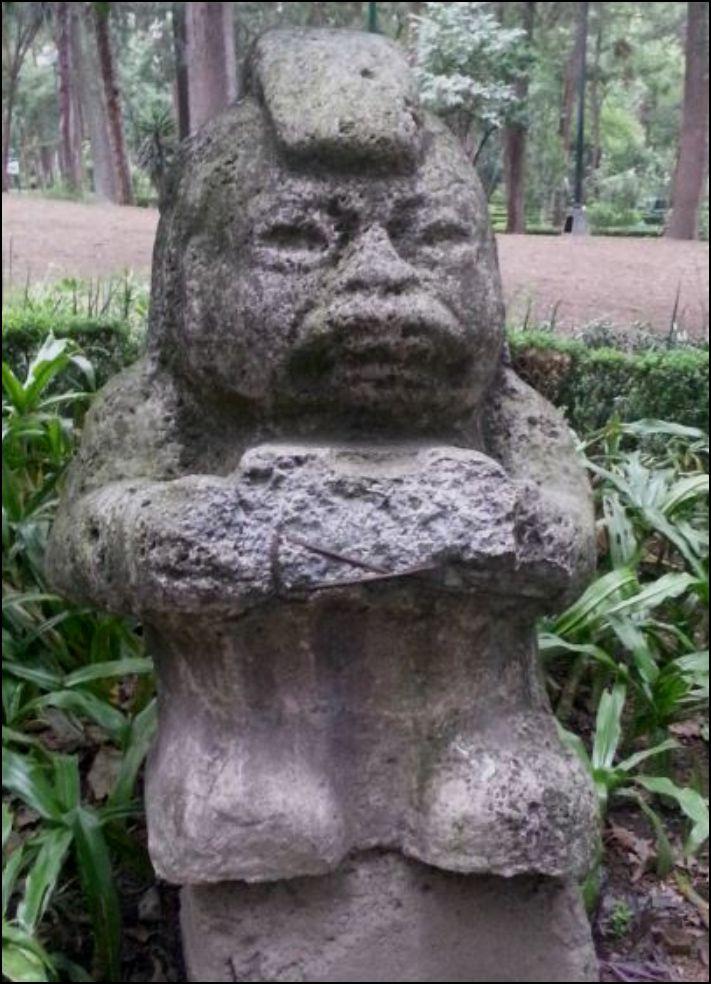
In some contemporary legends, chaneques are portrayed as children with the faces of elderly men or women, capable of leading people astray for several days. During this period, victims experience memory lapses, attributed to their alleged transport to the Underworld, specifically Mictlán or Chiconauhmictlán. The entrance to this realm is believed to be located within a dried kapok tree. In other instances, chaneques are said to intimidate intruders to the point where their souls leave their bodies. A specific ritual is required to reunite the soul with the body; otherwise, illness and subsequent death result.

Chaneques have been portrayed both positively and negatively in Mexican media across centuries. Mexican writer Artemio de Valle-Arizpe, after delving into Mexican colonial history during his time as a diplomat in Spain and at the General Archive of the Indies, penned a number of books on colonial legends, often depicting chaneques with negative undertones as entities associated with the Christian devil. In Valle-Arizpe's tale "Un duende y un perro" which is set in the late 16th century, the chaneque pestering Dona Luisa is described as a "demon", inflicting bruises and inducing fear.

This complex narrative has evolved over time, blending elements of protection, mischief, and supernatural forces into the fabric of Mexican cultural heritage.

Background

[edit]

Chaneques have a long history in Mexico, although they are represented differently based on the state. They have been found in Mesoamerican legends, as well as in documents written by the Spanish Inquisition.[2] Scholars debate the idea that chaneques and duendes are the same mythological beings. These creatures have different names throughout the world, but they share many characteristics. The name "duende" comes from the Indo-European word dema, which means connected to the home. The root word dem- means house or household.[3] This name stems from the fact that they tend to bother individuals in their homes.

Villagers used to give the chaneques offerings in exchange for protection. They hoped that the chaneques would protect their harvest and prevent intruders, or other evil beings, from entering their homes. Another form of protection is wearing clothing inside out if traveling in the forest.

Chaneques also had a reputation for kidnapping young men and women to have sexual relations. Historian Javier Ayala Calderon discovered an archive from 1676 in which a young man narrated his sexual experiences with a female duende.[2]

Both stories found in written text from the Spanish inquisition and oral history from Mesoamerica describe beings that tended to be naughty. Some were protective while others were hostile.

Characteristics

[edit]

La chaneques, or duendes, can be described in different ways. Chaneques have short stature and are usually described as naked. They live in forests, rivers, or caves, and are connected to the earth and water.[2] Mexican folklore has represented them both as evil creatures who want to cause harm or good creatures who want to help. They can communicate with animals in the jungle since they provide protection.[4] They may not always be visible to adults but children can generally see them. They like to sing, scream, and cry.[5]

Pedro Cholotio Temo described them as "a boy doll or a little man who hops and jumps" and is seen wearing a "wide-brimmed sombrero as the Mexicans do; his color is black."[6] Temo believes that duendes are real and connected to the devil, similar to centuries old Spanish beliefs, and that people who practice Satanic rituals are more likely to see duendes.

When angered, Chaneques can be disruptive and physically hurt humans. In one example, the Chaneque threw a fistful of hay into the mouth of a prisoner.[7] The prisoner scares the Chaneque by saying he will create a fire.

[edit]

Chaneques have been represented positively and negatively in Mexican media for centuries. Mexican writer Artemio de Valle Arizpe worked as a diplomat in Spain and spent time in the General Archive of the Indies where he discovered an interest in Mexican colonial history. He wrote many books about legends that existed during the Spanish colonial period. Stories during that time period tended to portray the legend of the chaneques with negative connotations. They were seen as creatures that worked with the devil. In Valle-Arizpe's story, Un duende y un perro (An Elf and a Dog), which takes place in the late 1500s, the creature that pesters Dona Luisa is described as a "demon". The duende would beat her leaving her with bruises and would torment her so much that Dona Luisa lived in fear.[8]

References

[edit]
Revisions and contributorsEdit on WikipediaRead on Wikipedia
from Grokipedia
The chaneque (Nahuatl: ohuican chaneque), meaning "those who inhabit dangerous places," are legendary sprite-like creatures central to pre-Hispanic Mesoamerican , particularly among the Nahua peoples of central and southern . These small, childlike or dwarfish beings are envisioned as mischievous guardians of , residing in perilous environments such as dense forests, riverbanks, caves, and jungles, where they protect animals, plants, sacred springs, and natural resources from human encroachment. Often depicted with wrinkled, aged faces on youthful bodies, they embody elemental forces and are known to hide treasures, hoard the finest , or even wield in serpentine forms, reflecting their ties to shamanic and cosmological beliefs in regions like , , and the Gulf Coast. In cultural narratives, chaneques serve as cautionary figures, luring the unwary—especially children—with or to cause disorientation and lead them astray, or employing tricks and spells to disrupt harmony with the natural world. A key aspect of their lore involves the theft of an individual's (vital spirit or soul essence), which can result in (soul loss syndrome), emotional distress, physical illness, or death if not retrieved through rituals performed by curanderos (traditional healers). Protective measures in include wearing inside-out to ward them off or offering tributes to appease their guardianship, underscoring their role in enforcing respect for the environment and the balance in indigenous worldviews. Scholars note that chaneque beliefs persist in contemporary Mexican communities, blending with Catholic influences and regional variations like the , while highlighting themes of , fertility, and the perils of the "Other" realm in Mesoamerican cosmology.

Etymology and Origins

Name and Meaning

The term chaneque derives from the language, appearing in the compound form ohuican chaneque, which translates to "dwellers of dangerous places." The root ohuican specifically denotes a difficult or hazardous terrain, such as rugged landscapes or liminal zones, while chaneque implies inhabitants or possessors of such areas. This highlights the chaneque's association with perilous natural realms in Nahua worldview, where forests, caves, and precipices served as gateways to the and sources of peril. Alternative renderings include "those who live in dangerous places" or "owners of the house," emphasizing the beings' proprietary role over hidden or risky domains that demanded respect to avoid misfortune. The term's historical linguistic context emerges from Aztec and Nahua traditions preserved in early colonial records, including 17th-century manuscripts documenting indigenous cosmology. A key source is Hernando Ruiz de Alarcón's Treatise on the Heathen Superstitions (1629), compiled by the priest and inquisitor to record Nahua rituals and beliefs for review, where ohuican chaneque are linked to ailments like inflicted on intruders into sacred wilds. Such accounts, drawn from interrogations and observations in central , reflect colonial efforts to catalog and suppress pre-Hispanic spiritual concepts.

Historical and Cultural Roots

The beliefs surrounding chaneques trace their origins to the pre-Columbian mythologies of the Nahua peoples, including the (), where they functioned as supernatural guardians of natural landscapes during the postclassic period (circa 900–1519 CE). In Nahua cosmology, chaneques—often termed ohuican chaneque, or "dwellers of dangerous places"—embodied the animate forces of peripheral environments such as forests, caves, and streams, serving as intermediaries between the human world and the underworld (Mictlan). These entities were integral to a that perceived as alive and perilous, capable of inflicting ailments like or spiritual disorientation on intruders, thereby enforcing for ecological boundaries. Evidence for chaneque beliefs appears in both pictorial codices and oral traditions preserved through colonial-era transcriptions, linking them to broader Mesoamerican concepts of elemental forces and cosmic balance. The , compiled in the mid-16th century under the direction of , references chaneques as "householders" who punish thieves in sacred or wild spaces, illustrating their role in maintaining order amid chaos in pre-Hispanic narratives. Oral accounts, echoed in Nahua rituals, positioned chaneques as manifestations of (divine energy), tying them to the cyclical forces of creation and destruction in the and landscape myths. Similar guardian spirits appear in traditions from the Gulf Coast region, where they protected water sources and forests, suggesting shared Mesoamerican motifs predating widespread influence. Spanish colonization from the early onward profoundly shaped chaneque lore through with , particularly the —a mischievous household spirit—resulting in hybridized depictions in indigenous and colonial records. Early ethnographers documented these entities in texts like Sahagún's (1577), which blended Nahua testimonies with Christian interpretations to portray chaneques as demonic temptations. By the 17th century, Hernando Ruiz de Alarcón's Tratado de las supersticiones y costumbres de los indios (1629) detailed indigenous healers invoking protections against chaneques, highlighting their persistence as symbols of pre-Christian resistance amid forced evangelization. This fusion amplified chaneque narratives in rural communities, merging indigenous elemental guardians with Iberian tales of otherworldly tricksters.

Description and Habitat

Physical Appearance

In Nahua folklore, chaneque are commonly portrayed as diminutive, sprite-like humanoids of , often described as child-sized, with an eerie, otherworldly quality. They are often depicted as naked or scantily clad, their youthful bodies contrasting sharply with aged, wrinkled faces that evoke the appearance of elderly individuals, underscoring their essence. Variations in descriptions highlight their connection to the natural world, including skin tones ranging from earthy browns, along with distinctive features such as backward-facing feet or slightly deformed limbs to signify their non-human origins; appearances can differ by region, with some accounts noting additional traits like sombrero-wearing in . These traits draw from oral traditions preserved in indigenous Mesoamerican communities, distinguishing chaneque from similar diminutive beings in like elves or dwarves, while remaining firmly rooted in Nahua cosmological views of nature's guardians.

Natural Environments

In Nahua and related indigenous traditions of central and southern , chaneque are intrinsically linked to untamed areas, serving as supernatural dwellers in ecosystems that blur the boundaries between the natural and spiritual realms. These beings are most commonly associated with dense forests, jungles, rivers, springs, caves, and mountains, where they embody the inherent perils of such environments. Known as ohuican chaneque or "dwellers of dangerous places," they inhabit peripheral zones like thick undergrowth and rocky terrains that pose risks to human intruders, such as or suffering sudden illnesses. Their presence underscores the chaotic and unpredictable nature of these habitats, often depicted in as gateways to the or domains of water deities like the Tlaloque. Particularly prominent in the mountain range, chaneque are tied to the lush, forested landscapes of regions such as , where the humid lowlands feature tangled jungles and winding rivers believed to be their primary abodes. In , local legends place them in the rugged forests and cave systems surrounding indigenous communities, guarding sacred sites amid volcanic terrains. Similarly, in , among Mixe and other Nahua-influenced groups, chaneque frequent the misty cloud forests, river valleys, and cavernous highlands, reinforcing their role as stewards of perilous natural features. These locales, characterized by and isolation, highlight chaneque as symbolic enforcers of nature's boundaries, with recounting their invisible watch over hidden springs and dense foliage in the Sierra Madre to deter disrespectful encroachment. Through these associations, chaneque represent the ecological perils of Mexico's , where human ventures into jungles or along riverbanks invite repercussions, as seen in tales from Veracruz's tropical lowlands emphasizing the dangers of unexplored caves and waterways.

Mythological Role and Behaviors

Guardianship of Nature

In Nahua , Chaneques function as elemental spirits deeply intertwined with the natural world, serving as custodians of , , and water sources to maintain ecological balance. Rooted in animistic beliefs where natural elements possess spiritual agency, these beings enforce respect for the environment by intervening against human actions that threaten it, such as or . Their guardianship reflects a broader Nahua worldview that animates landscapes, viewing forests, rivers, and caves as sacred domains inhabited by spiritual entities. Chaneques possess abilities to protect ecosystems, including shape-shifting into animals to blend with and defend wildlife, as well as controlling weather patterns to disrupt harmful activities. These powers enable them to deter encroachment on their territories, often manifesting as sudden storms or altered animal behaviors that signal warnings to intruders. In one documented aspect of , Chaneques are depicted as mischievous child-like figures who care for springs, trees, and animals, using their connections to safeguard these resources from exploitation. Folklore examples illustrate their punitive role, such as inducing crop failures or causing animals to migrate away from disturbed areas to punish environmental disrespect and prevent further human advance. In myths from Nahua-influenced regions, neglecting offerings or rituals leads to supernatural repercussions like illness or barren fields, reinforcing the need for . These narratives underscore Chaneques' motivation to preserve , drawing directly from animistic principles that equate harm to the land with spiritual imbalance.

Interactions with Humans

In Nahua folklore, chaneques are often depicted as engaging in mischievous pranks with humans who enter their domains, such as hiding personal belongings, throwing stones, or causing temporary disorientation to deter intruders from sacred natural sites. These playful yet warning behaviors serve to remind travelers of the chaneques' guardianship over forests, springs, and wildlife, with accounts describing individuals wandering aimlessly for days after encountering one, only regaining their bearings through luck or ritual intervention. More severe interactions occur when humans disrespect nature, such as by damaging trees or polluting sources, leading chaneques to inflict punishments like frightening victims so intensely that their —the vital life force or —flees the body, resulting in , a condition manifesting as profound illness, lethargy, or madness. Colonial-era texts document such soul loss as a common affliction from encounters with ohuican chaneque (dwellers of dangerous places), where the spirit's departure causes physical ailments like , , or convulsions, interpreted as the chaneque's retribution for moral or environmental transgressions. To resolve these encounters and restore the tonalli, indigenous healers perform shamanic ceremonies involving offerings of food, copal incense, or temazcal sweat baths to appease the chaneque and coax the soul back, as detailed in 16th- and 17th-century reports from central . These rituals, often conducted at the site of the interaction, emphasize communal confession and balance with nature, preventing permanent harm and underscoring the chaneques' role in enforcing ecological harmony.

Cultural Significance

In Indigenous Traditions

In Nahua cosmology, chaneque are integrated as earth-bound minor deities or spirits associated with the and liminal natural spaces, functioning as guardians that enforce balance in the natural order by punishing human disrespect toward the environment, thereby preserving ecological harmony and indirectly supporting fertility through protection of , , and water sources. These entities are sometimes linked to nahuales, the animal-spirit doubles inherent to every person in Nahua thought, as chaneque possess the ability to displace or steal an individual's tonal (life-force) when equilibrium is disrupted, reflecting the broader cosmological interplay between human actions and cosmic forces. Alfredo López Austin describes them within the ancient Nahua worldview as "dwellers of dangerous places" (ohuican chaneque), embodying the chaotic peripheries of the ordered world and serving as animistic forces that animate and regulate nature's vitality. Within indigenous communities, chaneque feature prominently in traditions, where narratives passed down through generations educate listeners on the importance of living in with the environment, often portraying the spirits as mischievous yet instructive figures who enforce and ecological lessons. Among the and neighboring groups in , such tales emphasize communal values, using chaneque encounters to warn against of resources and to promote reciprocity with the land, as documented in regional ethnographic accounts of pre-Columbian and postcolonial . Variations in chaneque depictions occur across indigenous groups, with coastal Nahua communities in areas like Pajapan associating them more strongly with water elements such as streams and rivers, where they act as lords of enchantment capable of ensnaring souls near aquatic boundaries. In contrast, inland Nahua and related groups focus on habitats, depicting chaneque as dwellers who patrol trees and undergrowth to maintain terrestrial balance, highlighting regional adaptations to local ecosystems within the shared Mesoamerican spiritual framework.

Modern Interpretations and Preservation

In contemporary society, beliefs in chaneque have evolved into symbols of ecological conservation, particularly amid ongoing pressures on indigenous territories. Indigenous activists and communities draw on these figures to promote , framing chaneque as protectors against in campaigns and local initiatives. These traditional guardians of now blend into urban , with anecdotal sightings reported in national parks and ties to in biodiversity-rich areas like . In regions such as Hidalgotitlán, chaneque are described as forest-dwelling entities that can afflict those who harm the environment. accommodations and guided tours in often reference chaneque lore to enhance cultural immersion, supporting economic incentives for conservation while perpetuating oral traditions among urban and rural populations alike. Cultural preservation efforts for chaneque narratives occur through educational programs in indigenous schools and displays in museums, which integrate into curricula to foster intergenerational knowledge transmission. Post-2005 initiatives aligned with Mexico's ratification of the Convention for the Safeguarding of the have bolstered these activities, emphasizing the documentation and revitalization of indigenous oral traditions as vital components of . museums, such as those established by the National Institute of Anthropology and History (INAH), feature exhibits on regional mythologies to educate and visitors, ensuring chaneque stories remain embedded in efforts to combat cultural erosion.

Literature and Folklore Adaptations

Early mentions of the chaneque appear in 16th-century Spanish colonial texts, where they are often depicted as mischievous or demonic imps associated with the natural world and capable of harming humans. In Bernardino de Sahagún's Florentine Codex, a comprehensive ethnographic work compiled between 1540 and 1585 with contributions from Nahua informants, chaneque are referenced as supernatural "householders" or owners of the land who punish intruders, such as thieves, by stoning them or causing misfortune. These portrayals reflect the friar's attempt to document and interpret indigenous beliefs through a European lens, framing chaneque as malevolent spirits akin to demons. In the 20th and 21st centuries, chaneque have been preserved and adapted in collections, particularly in that retells traditional tales to educate young readers about Mexican mythology. For instance, the 2022 book Mythological Creatures in Mexico: Chaneque Tales for Kids by TOT compiles five stories drawn from oral traditions, presenting chaneque as nature guardians who protect forests and rivers while punishing environmental harm, emphasizing themes of respect for the land. Such collections blend indigenous narratives with accessible to maintain cultural continuity amid modernization. Mexican authors have incorporated chaneque into literary works to symbolize , drawing on pre-Hispanic roots to explore themes of and the in postcolonial contexts. In Artemio de Valle-Arizpe's "Un duende y un perro," published in the early as part of his folklore-inspired anthologies, a chaneque is portrayed as a demonic entity tormenting a colonial-era , highlighting the tension between indigenous spirits and Spanish influences in Mexico's historical narrative. Similarly, contemporary children's novels like Karla Arenas Valenti's Lola (2024) feature chaneque as magical allies in a setting, using them to represent familial bonds and as facets of modern Mexican identity. These adaptations in anthologies of Nahua-derived stories underscore chaneque's role in reinforcing a sense of rootedness in indigenous traditions.

Film, Media, and Other Depictions

In animated films, Chaneques have been prominently featured as mischievous yet protective forest spirits in family-oriented adventure-horror narratives. The 2023 Mexican animated film La Leyenda de los Chaneques, directed by Marvick Núñez and produced by Ánima Studios, portrays them as corrupted guardians of nature in Veracruz, where protagonist Leo San Juan must confront an ancient curse involving these creatures to rescue villagers. This installment in the Las Leyendas franchise emphasizes their dual nature—playful tricksters who become antagonistic when nature is threatened—blending folklore with themes of environmental stewardship for a young audience. Chaneques appear in such as video games, often as formidable enemies drawing from their guardian mythology. In the MMORPG (2002), developed by , Chaneque is depicted as a notorious mandragora-type monster in the Yuhtunga Jungle, capable of rapid physical attacks and draining abilities that challenge players exploring tropical biomes. Post-2010 fantasy titles inspired by lore, including mobile and indie games, occasionally include minor Chaneque roles as environmental hazards or allies in horror-adventure scenarios, reinforcing their role as nature's enigmatic enforcers. Artistic representations of Chaneques in murals and digital media have evolved from traditional depictions of frightening sprites to more sympathetic eco-heroes, reflecting contemporary cultural narratives. Street artists in , such as HOOS, have created outdoor sculptures and murals portraying Chaneques as eerie, otherworldly figures guarding urban green spaces, blending with modern environmental activism. In , platforms feature illustrations like the surreal The Tree of the Chaneques print by Mexican artist Madero, which shows them as ethereal beings amid lush foliage, symbolizing harmony with nature rather than mere mischief. This shift highlights their transformation into icons of ecological awareness in .

References

Add your contribution
Related Hubs
User Avatar
No comments yet.