



Community hub
Recent from talks
Knowledge base stats:
Talk channels stats:
Members stats:
Chris Watson
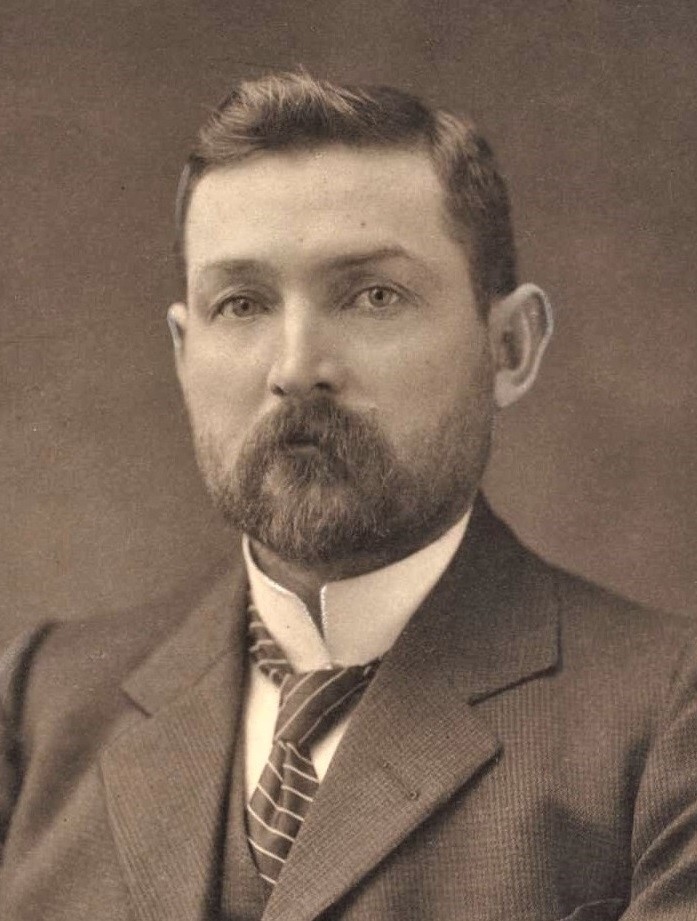
John Christian Watson (born Johan Cristian Tanck; 9 April 1867 – 18 November 1941) was an Australian politician who served as the third prime minister of Australia from April to August 1904. He held office as the inaugural federal leader of the Australian Labor Party (ALP) from 1901 to 1907 and was the first member of the party to serve as prime minister.
Watson was born in Valparaíso, Chile, the son of a German Chilean seaman. He grew up on the South Island of New Zealand, taking the surname of his step-father when his Irish-born mother remarried. He left school at a young age, working in the printing industry as a compositor. Watson moved to Sydney in 1886 and became prominent in the local labour movement. He helped establish the Labor Electoral League of New South Wales and directed the party's campaign at the 1891 general election. Watson was elected to the New South Wales Legislative Assembly at the 1894 election, aged 27, and quickly became a leading figure in the ALP. He and most party members opposed Federation on the grounds that the proposed constitution was undemocratic.
In 1901, Watson was elected to the House of Representatives at the inaugural federal election. He became a founding member of the ALP caucus in federal parliament and was elected as the party's inaugural leader. During the first term of parliament he supported the Liberal Protectionist governments of Edmund Barton and Alfred Deakin, and was a strong supporter of the White Australia policy. At the 1903 election, the ALP secured the balance of power in the House and a strong position in the Senate. Watson formed a minority government in April 1904, aged 37, after the ALP withdrew its support from Deakin. He was one of the first socialists to head a government in a parliamentary system, attracting international attention, and remains Australia's youngest prime minister.
After less than four months in office, the Watson government lost a confidence motion and Watson was succeeded as prime minister by anti-socialist George Reid. He was leader of the opposition until 1905, when he helped reinstall Deakin as prime minister. The ALP continued to offer its support to Deakin after the 1906 election, despite the opposition of some in the party. Watson resigned the party's leadership in 1907, citing family concerns, and left parliament at the 1910 election. He was expelled from the ALP during the 1916 split over conscription and became a Nationalist, although he never again stood for public office. He subsequently had a successful business career, including as president of the NRMA and chairman of Ampol.
While Watson did not succeed in passing legislation while in office, his term as prime minister is seen as significant as a demonstration that the ALP could form a competent government. His successor as party leader Andrew Fisher would lead the ALP to a majority government at the 1910 election, in which many of Watson's ministers played a key role.
Watson was born Johan Cristian Tanck on 9 April 1867 in Valparaíso, Chile. He was the only child of Martha (née Minchin) and Johan Cristian Tanck, senior. His father was also born in Valparaíso, a German Chilean whose ancestors had emigrated from the Kingdom of Hanover and established an import–export firm. He worked as a merchant seaman, possibly a ship's carpenter, on trade routes across the Pacific. He arrived in New Zealand aboard La Joven Julia on 24 December 1865 and married Martha Minchin in Port Chalmers less than a month later, on 19 January 1866. Their marriage was later registered at Valparaíso's Iglesia de la Matriz. Watson's mother was born in County Tipperary, Ireland, and was 16 years old at the time of her marriage to Tanck. She joined him on board the Julia, which eventually returned to Chile and docked in Valparaíso a few days before Watson's birth. In the months after his birth the ship worked a regular route carrying timber between Valparaíso and Chiloé Island.
In 1868, Watson moved to New Zealand with his mother, returning to her family on the South Island. The fate of his father is uncertain, as no records of his death have been found. On 15 February 1869, his mother married George Thomas Watson at the registry office in Waipori, describing herself as a widow. Her second husband was a 30-year-old miner born in Ballymoney, Ireland, who had come to New Zealand after several years working in Scotland. Watson came to have nine half-siblings from his mother's second marriage, born between 1869 and 1887. He was treated as the biological child of George Watson, adopting his step-father's surname; his given names were also anglicised.
As an adult, Watson gave incorrect and contradictory information about the circumstances of his birth and the identity of his parents. He allowed some biographical profiles to list him as born in New Zealand, while his second wife and daughter understood that he had been born to British parents in international waters outside Valparaíso. On legal documents he listed George Watson as his biological father and provided an incorrect maiden name for his mother. Watson's biographers have suggested he may have originally concealed his background for convenience, but later deliberately did so for political reasons, including concerns over parliamentary eligibility and possible xenophobia. Birth overseas to a non-British father would have made him an alien ineligible for election to federal parliament under section 44(i) of the constitution.
Hub AI
Chris Watson AI simulator
(@Chris Watson_simulator)
Chris Watson
John Christian Watson (born Johan Cristian Tanck; 9 April 1867 – 18 November 1941) was an Australian politician who served as the third prime minister of Australia from April to August 1904. He held office as the inaugural federal leader of the Australian Labor Party (ALP) from 1901 to 1907 and was the first member of the party to serve as prime minister.
Watson was born in Valparaíso, Chile, the son of a German Chilean seaman. He grew up on the South Island of New Zealand, taking the surname of his step-father when his Irish-born mother remarried. He left school at a young age, working in the printing industry as a compositor. Watson moved to Sydney in 1886 and became prominent in the local labour movement. He helped establish the Labor Electoral League of New South Wales and directed the party's campaign at the 1891 general election. Watson was elected to the New South Wales Legislative Assembly at the 1894 election, aged 27, and quickly became a leading figure in the ALP. He and most party members opposed Federation on the grounds that the proposed constitution was undemocratic.
In 1901, Watson was elected to the House of Representatives at the inaugural federal election. He became a founding member of the ALP caucus in federal parliament and was elected as the party's inaugural leader. During the first term of parliament he supported the Liberal Protectionist governments of Edmund Barton and Alfred Deakin, and was a strong supporter of the White Australia policy. At the 1903 election, the ALP secured the balance of power in the House and a strong position in the Senate. Watson formed a minority government in April 1904, aged 37, after the ALP withdrew its support from Deakin. He was one of the first socialists to head a government in a parliamentary system, attracting international attention, and remains Australia's youngest prime minister.
After less than four months in office, the Watson government lost a confidence motion and Watson was succeeded as prime minister by anti-socialist George Reid. He was leader of the opposition until 1905, when he helped reinstall Deakin as prime minister. The ALP continued to offer its support to Deakin after the 1906 election, despite the opposition of some in the party. Watson resigned the party's leadership in 1907, citing family concerns, and left parliament at the 1910 election. He was expelled from the ALP during the 1916 split over conscription and became a Nationalist, although he never again stood for public office. He subsequently had a successful business career, including as president of the NRMA and chairman of Ampol.
While Watson did not succeed in passing legislation while in office, his term as prime minister is seen as significant as a demonstration that the ALP could form a competent government. His successor as party leader Andrew Fisher would lead the ALP to a majority government at the 1910 election, in which many of Watson's ministers played a key role.
Watson was born Johan Cristian Tanck on 9 April 1867 in Valparaíso, Chile. He was the only child of Martha (née Minchin) and Johan Cristian Tanck, senior. His father was also born in Valparaíso, a German Chilean whose ancestors had emigrated from the Kingdom of Hanover and established an import–export firm. He worked as a merchant seaman, possibly a ship's carpenter, on trade routes across the Pacific. He arrived in New Zealand aboard La Joven Julia on 24 December 1865 and married Martha Minchin in Port Chalmers less than a month later, on 19 January 1866. Their marriage was later registered at Valparaíso's Iglesia de la Matriz. Watson's mother was born in County Tipperary, Ireland, and was 16 years old at the time of her marriage to Tanck. She joined him on board the Julia, which eventually returned to Chile and docked in Valparaíso a few days before Watson's birth. In the months after his birth the ship worked a regular route carrying timber between Valparaíso and Chiloé Island.
In 1868, Watson moved to New Zealand with his mother, returning to her family on the South Island. The fate of his father is uncertain, as no records of his death have been found. On 15 February 1869, his mother married George Thomas Watson at the registry office in Waipori, describing herself as a widow. Her second husband was a 30-year-old miner born in Ballymoney, Ireland, who had come to New Zealand after several years working in Scotland. Watson came to have nine half-siblings from his mother's second marriage, born between 1869 and 1887. He was treated as the biological child of George Watson, adopting his step-father's surname; his given names were also anglicised.
As an adult, Watson gave incorrect and contradictory information about the circumstances of his birth and the identity of his parents. He allowed some biographical profiles to list him as born in New Zealand, while his second wife and daughter understood that he had been born to British parents in international waters outside Valparaíso. On legal documents he listed George Watson as his biological father and provided an incorrect maiden name for his mother. Watson's biographers have suggested he may have originally concealed his background for convenience, but later deliberately did so for political reasons, including concerns over parliamentary eligibility and possible xenophobia. Birth overseas to a non-British father would have made him an alien ineligible for election to federal parliament under section 44(i) of the constitution.