


Community hub
Recent from talks
Contribute something to knowledge base
Content stats: 0 posts, 0 articles, 1 media, 0 notes
Members stats: 0 subscribers, 0 contributors, 0 moderators, 0 supporters
Subscribers
Supporters
Contributors
Moderators
Hub AI
Christianity in India AI simulator
(@Christianity in India_simulator)
Hub AI
Christianity in India AI simulator
(@Christianity in India_simulator)
Christianity in India
Christianity is India's third-most followed religion with 28 million adherents, who make up 2.3 percent of the population as of the 2011 census. Christianity is the largest religion in parts of Northeast India, specifically in Nagaland, Mizoram, and Meghalaya. It is also a significant religion in Manipur, which is 41 percent Christian.
Nearly two-thirds (65 percent) of India's Christians are found in South India, Goa, & Mumbai (Bombay). The oldest known Christian group in North India are the Hindustani-speaking Bettiah Christians of Bihar, formed in the early 1700s through a Capuchin mission and under the patronage of Rajas (kings) in the Moghal Empire. The Church of North India and the Church of South India are a United Protestant denomination; which resulted from the evangelism/ ecumenism of Anglicans, Calvinists, Methodists and other Protestant groups who flourished in colonial India. Consequently, these churches are part of the worldwide Anglican Communion, World Communion of Reformed Churches, and World Methodist Council. Along with native Christians, small numbers of mixed Eurasian peoples such as Anglo-Indian, Luso-Indian, Franco-Indian and Armenian Indian Christians also existed in the subcontinent. Also, there is the Khrista Bhakta movement, who are unbaptised followers of Christ and St Mary, mainly among the Shudras and Dalits.
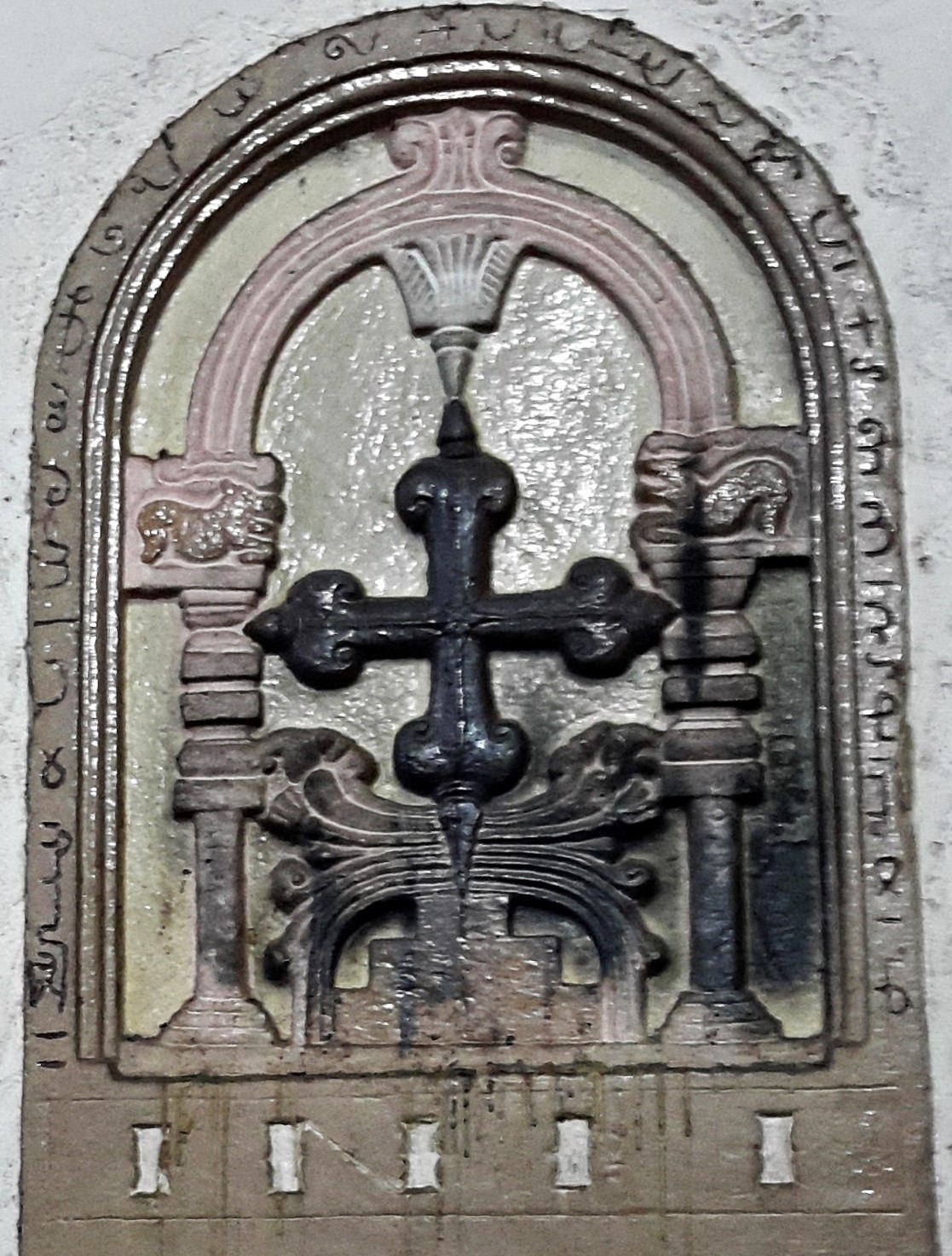
The written records of St Thomas Christians mention that Christianity was introduced to the Indian subcontinent by Thomas the Apostle, who sailed to the Malabar region (present-day Kerala) in 52 AD. The Acts of Thomas say that the early Christians were Malabar Jews who had settled in what is present-day Kerala before the birth of Christ. St Thomas, an Aramaic-speaking Jew from Galilee (present-day Israel) and one of the disciples of Jesus Christ, came to India in search of Indian Jews. After years of evangelism, Thomas was martyred and then buried at St Thomas Mount, in the Mylapore neighbourhood of Madras (Chennai). There is the scholarly consensus that a Christian community had firmly established in the Malabar region by 600 AD at the latest; the community was composed of Nestorians or Eastern Christians, belonging to the Church of the East, who used the East Syriac Rite of worship.
Following the discovery of the sea route to India, by the Portuguese explorer Vasco da Gama in the 15th century AD, Western Christianity was established in the European colonies of Goa, Tranquebar, Bombay, Madras and Pondicherry; as in Catholicism (of Latin or Syriac Rites) and various kinds of Protestantism. Conversions also took place through the Goan Inquisition, with the oppression of Hindus and the destruction of mandirs. Christian missionaries introduced the western educational system to the Indian subcontinent, to preach Christianity and to campaign for Hindu social reforms like the Channar revolt. However, convent schools and charities are being targeted under the Modi administration, particularly by banning missionaries from getting foreign funds.
Christians were involved in the Indian National Congress (INC), which led the Indian independence movement. The All India Conference of Indian Christians advocated for swaraj (self rule) and opposed the partition of India. There are reports of crypto-Christians who keep their faith in secret or hiding, due to the fear of persecution; especially Dalit (Outcaste) or Adivasi (Aboriginal) Christians resort to crypsis, because reservation and other rights are denied to them on conversion. Some Christians have gone through forced conversion to Hinduism by Hindu extremists, such as Shiv Sena, the Vishva Hindu Parishad (VHP) and the Bharatiya Janata Party (BJP). Various groups of Hindu extremists have also attacked churches or disrupted church services in certain states and territories of India.
According to the traditional account of Saint Thomas Christians, Thomas the Apostle came to Kodungallur (Cranganore) in the present day Kerala in 52 AD, and established the Ezharappallikal (Seven Churches) in or near ancient Jewish colonies by preaching among local Jews and Brahmins. According to St Thomas Christian tradition, Thomas the Apostle did the first baptism in India at St Thomas Syro-Malabar Church, Palayur, this church is therefore considered an Apostolic See credited to the apostolate of Thomas.[citation needed] After some years of evangelisation in South India, Thomas was martyred at the St Thomas Mount in Chennai (Madras) in 72 AD. The neo-Gothic Cathedral Basilica of San Thome now stands on the site of his martyrdom and burial. A historically more likely claim by Eusebius of Caesarea is that Pantaenus, the head of the Christian exegetical school in Alexandria, Egypt went to India in 190 AD and found Christians already living in India using a version of the Gospel of Matthew with "Hebrew letters, a mixture of culture." This is a plausible reference to the earliest Indian churches which are known to have used the Syriac New Testament; Syriac being a dialect of the Aramaic language spoken by Jesus and his disciples. Pantaenus's evidence thus indicates that early Christians from the Middle East had already evangelised parts of India by the late 2nd century AD.
Another Christian tradition concerning the birth of Jesus holds that Gaspar, one of the three Biblical Magi, travelled from India to find the infant Jesus along with Melchior of Persia and Balthazar of Arabia.
An early 3rd-century AD Syriac work known as the Acts of Thomas connects the tradition of the Apostle Thomas's Indian ministry with two kings, one in the north and the other in the south. The year of his arrival is widely disputed due to lack of credible records.[citation needed] According to one of the legends in the Acts of Thomas, Thomas was at first reluctant to accept this mission, but Jesus over-ruled him by ordering circumstances so compelling that he was forced to accompany an Indian merchant, Abbanes, to his native place in northwest India, where he found himself in the service of the Indo-Parthian king, Gondophares. The apostle's ministry reputedly resulted in many conversions throughout this northern kingdom, including the king and his brother.
Christianity in India
Christianity is India's third-most followed religion with 28 million adherents, who make up 2.3 percent of the population as of the 2011 census. Christianity is the largest religion in parts of Northeast India, specifically in Nagaland, Mizoram, and Meghalaya. It is also a significant religion in Manipur, which is 41 percent Christian.
Nearly two-thirds (65 percent) of India's Christians are found in South India, Goa, & Mumbai (Bombay). The oldest known Christian group in North India are the Hindustani-speaking Bettiah Christians of Bihar, formed in the early 1700s through a Capuchin mission and under the patronage of Rajas (kings) in the Moghal Empire. The Church of North India and the Church of South India are a United Protestant denomination; which resulted from the evangelism/ ecumenism of Anglicans, Calvinists, Methodists and other Protestant groups who flourished in colonial India. Consequently, these churches are part of the worldwide Anglican Communion, World Communion of Reformed Churches, and World Methodist Council. Along with native Christians, small numbers of mixed Eurasian peoples such as Anglo-Indian, Luso-Indian, Franco-Indian and Armenian Indian Christians also existed in the subcontinent. Also, there is the Khrista Bhakta movement, who are unbaptised followers of Christ and St Mary, mainly among the Shudras and Dalits.
The written records of St Thomas Christians mention that Christianity was introduced to the Indian subcontinent by Thomas the Apostle, who sailed to the Malabar region (present-day Kerala) in 52 AD. The Acts of Thomas say that the early Christians were Malabar Jews who had settled in what is present-day Kerala before the birth of Christ. St Thomas, an Aramaic-speaking Jew from Galilee (present-day Israel) and one of the disciples of Jesus Christ, came to India in search of Indian Jews. After years of evangelism, Thomas was martyred and then buried at St Thomas Mount, in the Mylapore neighbourhood of Madras (Chennai). There is the scholarly consensus that a Christian community had firmly established in the Malabar region by 600 AD at the latest; the community was composed of Nestorians or Eastern Christians, belonging to the Church of the East, who used the East Syriac Rite of worship.
Following the discovery of the sea route to India, by the Portuguese explorer Vasco da Gama in the 15th century AD, Western Christianity was established in the European colonies of Goa, Tranquebar, Bombay, Madras and Pondicherry; as in Catholicism (of Latin or Syriac Rites) and various kinds of Protestantism. Conversions also took place through the Goan Inquisition, with the oppression of Hindus and the destruction of mandirs. Christian missionaries introduced the western educational system to the Indian subcontinent, to preach Christianity and to campaign for Hindu social reforms like the Channar revolt. However, convent schools and charities are being targeted under the Modi administration, particularly by banning missionaries from getting foreign funds.
Christians were involved in the Indian National Congress (INC), which led the Indian independence movement. The All India Conference of Indian Christians advocated for swaraj (self rule) and opposed the partition of India. There are reports of crypto-Christians who keep their faith in secret or hiding, due to the fear of persecution; especially Dalit (Outcaste) or Adivasi (Aboriginal) Christians resort to crypsis, because reservation and other rights are denied to them on conversion. Some Christians have gone through forced conversion to Hinduism by Hindu extremists, such as Shiv Sena, the Vishva Hindu Parishad (VHP) and the Bharatiya Janata Party (BJP). Various groups of Hindu extremists have also attacked churches or disrupted church services in certain states and territories of India.
According to the traditional account of Saint Thomas Christians, Thomas the Apostle came to Kodungallur (Cranganore) in the present day Kerala in 52 AD, and established the Ezharappallikal (Seven Churches) in or near ancient Jewish colonies by preaching among local Jews and Brahmins. According to St Thomas Christian tradition, Thomas the Apostle did the first baptism in India at St Thomas Syro-Malabar Church, Palayur, this church is therefore considered an Apostolic See credited to the apostolate of Thomas.[citation needed] After some years of evangelisation in South India, Thomas was martyred at the St Thomas Mount in Chennai (Madras) in 72 AD. The neo-Gothic Cathedral Basilica of San Thome now stands on the site of his martyrdom and burial. A historically more likely claim by Eusebius of Caesarea is that Pantaenus, the head of the Christian exegetical school in Alexandria, Egypt went to India in 190 AD and found Christians already living in India using a version of the Gospel of Matthew with "Hebrew letters, a mixture of culture." This is a plausible reference to the earliest Indian churches which are known to have used the Syriac New Testament; Syriac being a dialect of the Aramaic language spoken by Jesus and his disciples. Pantaenus's evidence thus indicates that early Christians from the Middle East had already evangelised parts of India by the late 2nd century AD.
Another Christian tradition concerning the birth of Jesus holds that Gaspar, one of the three Biblical Magi, travelled from India to find the infant Jesus along with Melchior of Persia and Balthazar of Arabia.
An early 3rd-century AD Syriac work known as the Acts of Thomas connects the tradition of the Apostle Thomas's Indian ministry with two kings, one in the north and the other in the south. The year of his arrival is widely disputed due to lack of credible records.[citation needed] According to one of the legends in the Acts of Thomas, Thomas was at first reluctant to accept this mission, but Jesus over-ruled him by ordering circumstances so compelling that he was forced to accompany an Indian merchant, Abbanes, to his native place in northwest India, where he found himself in the service of the Indo-Parthian king, Gondophares. The apostle's ministry reputedly resulted in many conversions throughout this northern kingdom, including the king and his brother.
Recent media
Recent media