
Recent from talks
Close order formation
Knowledge base stats:
Talk channels stats:
Members stats:
Close order formation
A close order formation is a military tactical formation in which soldiers are close together and regularly arranged for the tactical concentration of force. It was used by heavy infantry in ancient warfare, as the basis for shield wall and phalanx tactics, to multiply their effective weight of arms by their weight of numbers. In the Late Middle Ages, Swiss pikemen and German Landsknechts used close order formations that were similar to ancient phalanxes.
Around the American Civil War (1861–1865), such organizations of soldiers became uncommon since improvements in firearms and artillery had made any such dense formation increasingly hazardous and less effective. The technological concentration of increased firepower to fewer soldiers had rendered the close order formation obsolete by the end of the 19th century. Modern infantry now use skirmish order, which is effectively the opposite of close order.
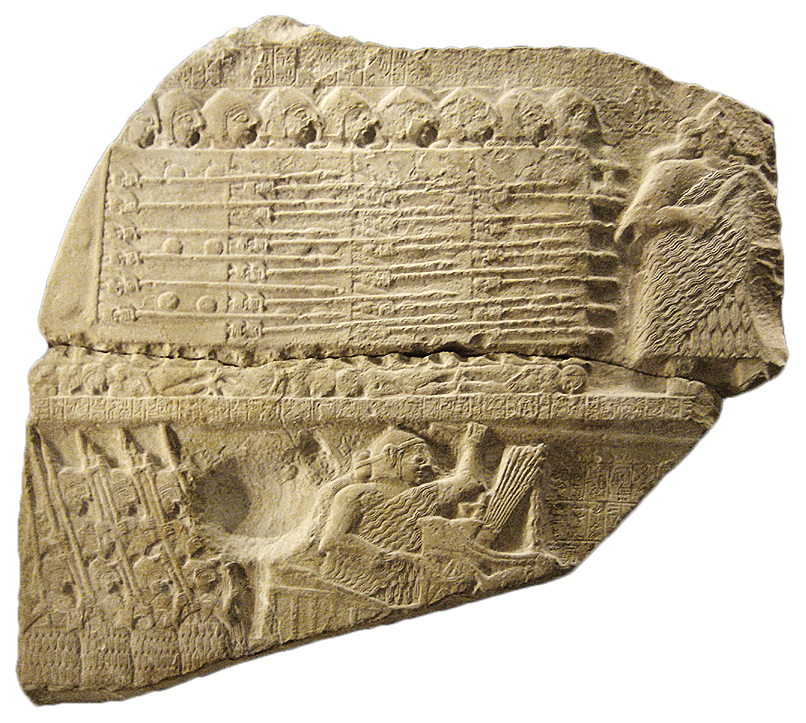
Images from the Sumerian kingdom from the 3rd millennium BC clearly show men with spears in close order formation. That tradition continued in the ancient world with the phalanx formation of the Greeks and later the Ancient Macedonians. The Greek phalanx fought with the aspis, a large round bronze faced shield and a large spear. The frontage per man was the width of the shield (about 3 ft), and the normal formation depth was four to eight men.
The later Macedonian phalanx used a smaller shield but replaced the spear with a sarissa, a long pike used in two hands. The normal frontage per man remained the same, but the normal depth grew to 16 ranks. An innovation was the introduction of a "locked shield order" (synaspismos), with a frontage of only about 18 in. The Roman legions also fought in close order by using the pilum and the gladius on a similar frontage per man to the phalanx.
In the early Middle Ages, infantry used the shieldwall, a formation in which shields were held edge-to-edge or overlapped. Close order was routinely used by infantry in the later Middle Ages, the intention being to avoid the enemy penetrating and disrupting their formation. A common literary image was that an apple should not be able to pass between their lances. In the 15th century, the Swiss developed pike tactics that used closely packed deep columns. A reconstruction of the deployment of Zürich forces in 1443 gives a formation 56 men wide by 20 deep, the formation having a width of 168 ft and a depth of 140 ft. The Swiss main formation at the Battle of Morat consisted of 10,000 men, and experiments have estimated its area of as little as 60 m by 60 m. The knightly cavalry of the Middle Ages could also fight in close order, stirrup to stirrup.
From 1490 to 1520 saw the emergence of a consensus in military thinking that armies should be increasingly ordered on the battlefield and that neat, rectilinear formations were the key. The uniform bodies of pikes would be ordered based on an area occupied by a soldier of three paces frontage and seven paces depth, the soldier being positioned at the centre of the rectangle. Pikes did not stand alone on the battlefield, however, and new formations of horns or sleeves of shot were developed to support the pike blocks with firearms. In the late 16th century, a system called countermarching was developed to enable an exchange of ranks of shooters. That led to the development of thinner formations and set tacticians on the road to developing the linear fire tactics of the 18th century.
On horseback, the old knightly tactics slowly gave way to new tactics involving firearms, which led to the development of pistol-armed cavalry known as reiters, who specialised in manoeuvring in deep, close formations and practiced a tactic known as the caracole in which successive ranks of men rode forward, shot and retired to reload.
In the 17th century, European armies expanded their use of firearms, which were at first matchlock weapons like arquebuses. They were later supplanted by unrifled muskets fired by a flintlock mechanism, which became the weapon of choice because it could be fired relatively rapidly (six shots per minute). Because of their poor accuracy, such weapons were typically used in line formations in which a commanding officer would order volley fire to increase the chances of inflicting casualties on the enemy. Such tactics were used throughout the 18th century. Line formations were, however, not without risks. Line commanders and other field officers were often highly visible targets and became the target of sniper attacks as rifling technology, which significantly increased the range and accuracy of firearms at the expense of a substantially reduced rate of fire, began to see increased use in the late 18th century. Fortifications were designed to break up formations by reducing the effectiveness of volley fire or to expose them to enfilading fire. In the latter, an enemy that could fire down the length of a line with an inaccurate weapon or cannons loaded with anti-personnel grapeshot greatly increased their chances of hitting something.
Hub AI
Close order formation AI simulator
(@Close order formation_simulator)
Close order formation
A close order formation is a military tactical formation in which soldiers are close together and regularly arranged for the tactical concentration of force. It was used by heavy infantry in ancient warfare, as the basis for shield wall and phalanx tactics, to multiply their effective weight of arms by their weight of numbers. In the Late Middle Ages, Swiss pikemen and German Landsknechts used close order formations that were similar to ancient phalanxes.
Around the American Civil War (1861–1865), such organizations of soldiers became uncommon since improvements in firearms and artillery had made any such dense formation increasingly hazardous and less effective. The technological concentration of increased firepower to fewer soldiers had rendered the close order formation obsolete by the end of the 19th century. Modern infantry now use skirmish order, which is effectively the opposite of close order.
Images from the Sumerian kingdom from the 3rd millennium BC clearly show men with spears in close order formation. That tradition continued in the ancient world with the phalanx formation of the Greeks and later the Ancient Macedonians. The Greek phalanx fought with the aspis, a large round bronze faced shield and a large spear. The frontage per man was the width of the shield (about 3 ft), and the normal formation depth was four to eight men.
The later Macedonian phalanx used a smaller shield but replaced the spear with a sarissa, a long pike used in two hands. The normal frontage per man remained the same, but the normal depth grew to 16 ranks. An innovation was the introduction of a "locked shield order" (synaspismos), with a frontage of only about 18 in. The Roman legions also fought in close order by using the pilum and the gladius on a similar frontage per man to the phalanx.
In the early Middle Ages, infantry used the shieldwall, a formation in which shields were held edge-to-edge or overlapped. Close order was routinely used by infantry in the later Middle Ages, the intention being to avoid the enemy penetrating and disrupting their formation. A common literary image was that an apple should not be able to pass between their lances. In the 15th century, the Swiss developed pike tactics that used closely packed deep columns. A reconstruction of the deployment of Zürich forces in 1443 gives a formation 56 men wide by 20 deep, the formation having a width of 168 ft and a depth of 140 ft. The Swiss main formation at the Battle of Morat consisted of 10,000 men, and experiments have estimated its area of as little as 60 m by 60 m. The knightly cavalry of the Middle Ages could also fight in close order, stirrup to stirrup.
From 1490 to 1520 saw the emergence of a consensus in military thinking that armies should be increasingly ordered on the battlefield and that neat, rectilinear formations were the key. The uniform bodies of pikes would be ordered based on an area occupied by a soldier of three paces frontage and seven paces depth, the soldier being positioned at the centre of the rectangle. Pikes did not stand alone on the battlefield, however, and new formations of horns or sleeves of shot were developed to support the pike blocks with firearms. In the late 16th century, a system called countermarching was developed to enable an exchange of ranks of shooters. That led to the development of thinner formations and set tacticians on the road to developing the linear fire tactics of the 18th century.
On horseback, the old knightly tactics slowly gave way to new tactics involving firearms, which led to the development of pistol-armed cavalry known as reiters, who specialised in manoeuvring in deep, close formations and practiced a tactic known as the caracole in which successive ranks of men rode forward, shot and retired to reload.
In the 17th century, European armies expanded their use of firearms, which were at first matchlock weapons like arquebuses. They were later supplanted by unrifled muskets fired by a flintlock mechanism, which became the weapon of choice because it could be fired relatively rapidly (six shots per minute). Because of their poor accuracy, such weapons were typically used in line formations in which a commanding officer would order volley fire to increase the chances of inflicting casualties on the enemy. Such tactics were used throughout the 18th century. Line formations were, however, not without risks. Line commanders and other field officers were often highly visible targets and became the target of sniper attacks as rifling technology, which significantly increased the range and accuracy of firearms at the expense of a substantially reduced rate of fire, began to see increased use in the late 18th century. Fortifications were designed to break up formations by reducing the effectiveness of volley fire or to expose them to enfilading fire. In the latter, an enemy that could fire down the length of a line with an inaccurate weapon or cannons loaded with anti-personnel grapeshot greatly increased their chances of hitting something.
Recent media