
Recent from talks
Flora and fauna of Odisha
Knowledge base stats:
Talk channels stats:
Members stats:
Flora and fauna of Odisha
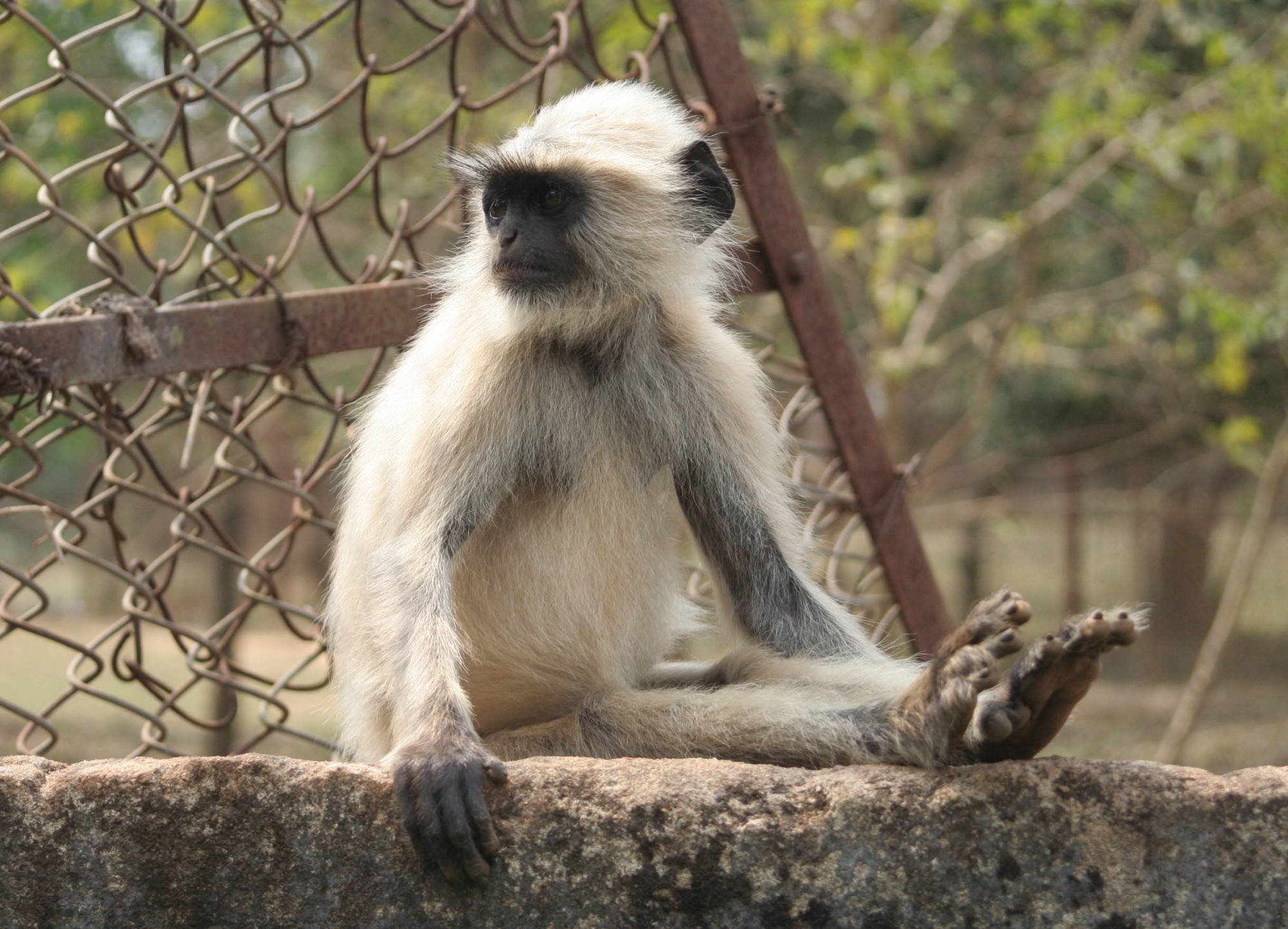
Odisha, a state in eastern India, is extremely diverse and gives the state abundance of natural beauty and wildlife. The districts in the interior are thickly covered by tropical moist deciduous and tropical dry deciduous forests. The hills, plateaus and isolated areas of the northeastern part of the state are covered by the tropical moist deciduous forests whereas the dry deciduous forests are located in the southwest region of the state. Some of the trees which grow in abundance in Odisha are bamboo, teak, rosewood, sal, piasal, sanghvan and haldi. There are 479 species of birds, 86 species of mammals, 19 species of amphibians and 110 species of reptiles present in Odisha. The state is also an important habitat for the endangered olive ridley turtles and Irrawaddy dolphins. Koraput district of southern Odisha has been identified by Food and Agriculture Organisation (FAO) of UN as Global Agricultural Heritage site which is among only other three sites in the world. Other sites are in Peru, China and Philippines.
Almost one-third of Odisha is covered by forests which make up about 37.34% of the total land area of the state. These forests cover most of southern and western Odisha. The eastern plains adjacent to the coast are covered by farmlands.
The forest cover of Odisha extends over an area of 58,136.869 square kilometres out of which reserve forests make up an area of 26,329.12 square kilometres (10,165.73 mi2), demarcated protected forests make up 11,687.079 square kilometres (4,512.406 mi2) and undemarcated protected forests make up 3,638.78 square kilometres (1,404.94 mi2). Other types of forests make up 16,261.34 square kilometres (6,278.54 mi2) while unclassed forests make up 20.55 square kilometres (7.93 mi2) of the total forest cover. Bon Jour The State Government of Odisha also classifies forests based on their density. About 538 square kilometres (208 mi2) of land are classified as very dense forests with a canopy density of over 86 percent, 27,656 square kilometres (10,678 mi2) of forests are classified as moderately dense cover with a canopy density of 50 to 70 percent and 20,180 square kilometres (7,790 mi2) of land are classified as an open forest with a canopy density of 10 to 40 percent.
Odisha is the vast state of plants and animals. Odisha's forests yield large quantities of teak and bamboo. Teak, apart from medicinal plants and Kendu leaves contribute substantially towards Odisha's economy. Odisha's forest ecosystem has been greatly affected by deforestation and illegal smuggling and poaching. The state government has established the Odisha Forest Development Corporation to combat the means of smuggling. The State Pollution Control Board has brought a set of rules to force in order to combat environmental pollution.
In 1981, Chilika Lake was designated the first Indian wetland of international importance under the Ramsar Convention due to its rich biodiversity. Over a million migratory waterfowl and shorebirds winter here including many rare and endangered species. The lake is of great value in preserving genetic diversity and over 400 vertebrate species have been recorded. However conflicts have arisen over the ecosystem of the lake such as Siltation, and disagreements between fisherman, resulting in an overall loss of biodiversity. As a result, the Odisha State Government with support from the Government of India adopt adaptive conservation and management actions. In 1992, the Government of Odisha, concerned by the degradation of the lake's ecosystem, established the Chilika Development Authority (CDA) for the restoration and overall development of the lake under the Indian Societies Registration Act. An Integrated Management Plan was later implemented with financial support of ₹570 million (US$12.7 million) and Hydrobiological monitoring was supported under the Odisha Water Resources Consolidation Project of the World Bank, to the extent of Rs 10 million (US$220,000). A strong support network was created with 7 state government organisations, 33 NGOs, 3 National Government Ministries, 6 other organisations, 11 International organisations, 13 research institutions and 55 different categories of community groups established good international contacts for protection in the area.
In November 2002, the Ramsar Wetland Conservation Award was presented to the Chilika Development Authority for "outstanding achievements in the field of restoration and wise use of wetlands and effective participation of local communities in these activities".
The ecological richness of the lake is of great value in preserving the genetic diversity because of the multiplicity of its habitat, flora and fauna. (Some are pictured in the photo gallery). The Zoological Survey of India (ZSI) surveyed the lake between 1985 and 1988 and identified 800 species of fauna, including many rare, endangered, threatened and vulnerable species, but excluding terrestrial insects.
The rare and threatened animal species identified are green sea turtle (EN), dugong (VU), Irrawaddy dolphin (VU), blackbuck (NT), spoon billed sandpiper (CR), limbless skink and fishing cat (EN). 24 mammalian species were reported. 37 species of reptiles and amphibians are also reported.
Hub AI
Flora and fauna of Odisha AI simulator
(@Flora and fauna of Odisha_simulator)
Flora and fauna of Odisha
Odisha, a state in eastern India, is extremely diverse and gives the state abundance of natural beauty and wildlife. The districts in the interior are thickly covered by tropical moist deciduous and tropical dry deciduous forests. The hills, plateaus and isolated areas of the northeastern part of the state are covered by the tropical moist deciduous forests whereas the dry deciduous forests are located in the southwest region of the state. Some of the trees which grow in abundance in Odisha are bamboo, teak, rosewood, sal, piasal, sanghvan and haldi. There are 479 species of birds, 86 species of mammals, 19 species of amphibians and 110 species of reptiles present in Odisha. The state is also an important habitat for the endangered olive ridley turtles and Irrawaddy dolphins. Koraput district of southern Odisha has been identified by Food and Agriculture Organisation (FAO) of UN as Global Agricultural Heritage site which is among only other three sites in the world. Other sites are in Peru, China and Philippines.
Almost one-third of Odisha is covered by forests which make up about 37.34% of the total land area of the state. These forests cover most of southern and western Odisha. The eastern plains adjacent to the coast are covered by farmlands.
The forest cover of Odisha extends over an area of 58,136.869 square kilometres out of which reserve forests make up an area of 26,329.12 square kilometres (10,165.73 mi2), demarcated protected forests make up 11,687.079 square kilometres (4,512.406 mi2) and undemarcated protected forests make up 3,638.78 square kilometres (1,404.94 mi2). Other types of forests make up 16,261.34 square kilometres (6,278.54 mi2) while unclassed forests make up 20.55 square kilometres (7.93 mi2) of the total forest cover. Bon Jour The State Government of Odisha also classifies forests based on their density. About 538 square kilometres (208 mi2) of land are classified as very dense forests with a canopy density of over 86 percent, 27,656 square kilometres (10,678 mi2) of forests are classified as moderately dense cover with a canopy density of 50 to 70 percent and 20,180 square kilometres (7,790 mi2) of land are classified as an open forest with a canopy density of 10 to 40 percent.
Odisha is the vast state of plants and animals. Odisha's forests yield large quantities of teak and bamboo. Teak, apart from medicinal plants and Kendu leaves contribute substantially towards Odisha's economy. Odisha's forest ecosystem has been greatly affected by deforestation and illegal smuggling and poaching. The state government has established the Odisha Forest Development Corporation to combat the means of smuggling. The State Pollution Control Board has brought a set of rules to force in order to combat environmental pollution.
In 1981, Chilika Lake was designated the first Indian wetland of international importance under the Ramsar Convention due to its rich biodiversity. Over a million migratory waterfowl and shorebirds winter here including many rare and endangered species. The lake is of great value in preserving genetic diversity and over 400 vertebrate species have been recorded. However conflicts have arisen over the ecosystem of the lake such as Siltation, and disagreements between fisherman, resulting in an overall loss of biodiversity. As a result, the Odisha State Government with support from the Government of India adopt adaptive conservation and management actions. In 1992, the Government of Odisha, concerned by the degradation of the lake's ecosystem, established the Chilika Development Authority (CDA) for the restoration and overall development of the lake under the Indian Societies Registration Act. An Integrated Management Plan was later implemented with financial support of ₹570 million (US$12.7 million) and Hydrobiological monitoring was supported under the Odisha Water Resources Consolidation Project of the World Bank, to the extent of Rs 10 million (US$220,000). A strong support network was created with 7 state government organisations, 33 NGOs, 3 National Government Ministries, 6 other organisations, 11 International organisations, 13 research institutions and 55 different categories of community groups established good international contacts for protection in the area.
In November 2002, the Ramsar Wetland Conservation Award was presented to the Chilika Development Authority for "outstanding achievements in the field of restoration and wise use of wetlands and effective participation of local communities in these activities".
The ecological richness of the lake is of great value in preserving the genetic diversity because of the multiplicity of its habitat, flora and fauna. (Some are pictured in the photo gallery). The Zoological Survey of India (ZSI) surveyed the lake between 1985 and 1988 and identified 800 species of fauna, including many rare, endangered, threatened and vulnerable species, but excluding terrestrial insects.
The rare and threatened animal species identified are green sea turtle (EN), dugong (VU), Irrawaddy dolphin (VU), blackbuck (NT), spoon billed sandpiper (CR), limbless skink and fishing cat (EN). 24 mammalian species were reported. 37 species of reptiles and amphibians are also reported.
Recent media