
Recent from talks
Foot drop
Knowledge base stats:
Talk channels stats:
Members stats:
Foot drop
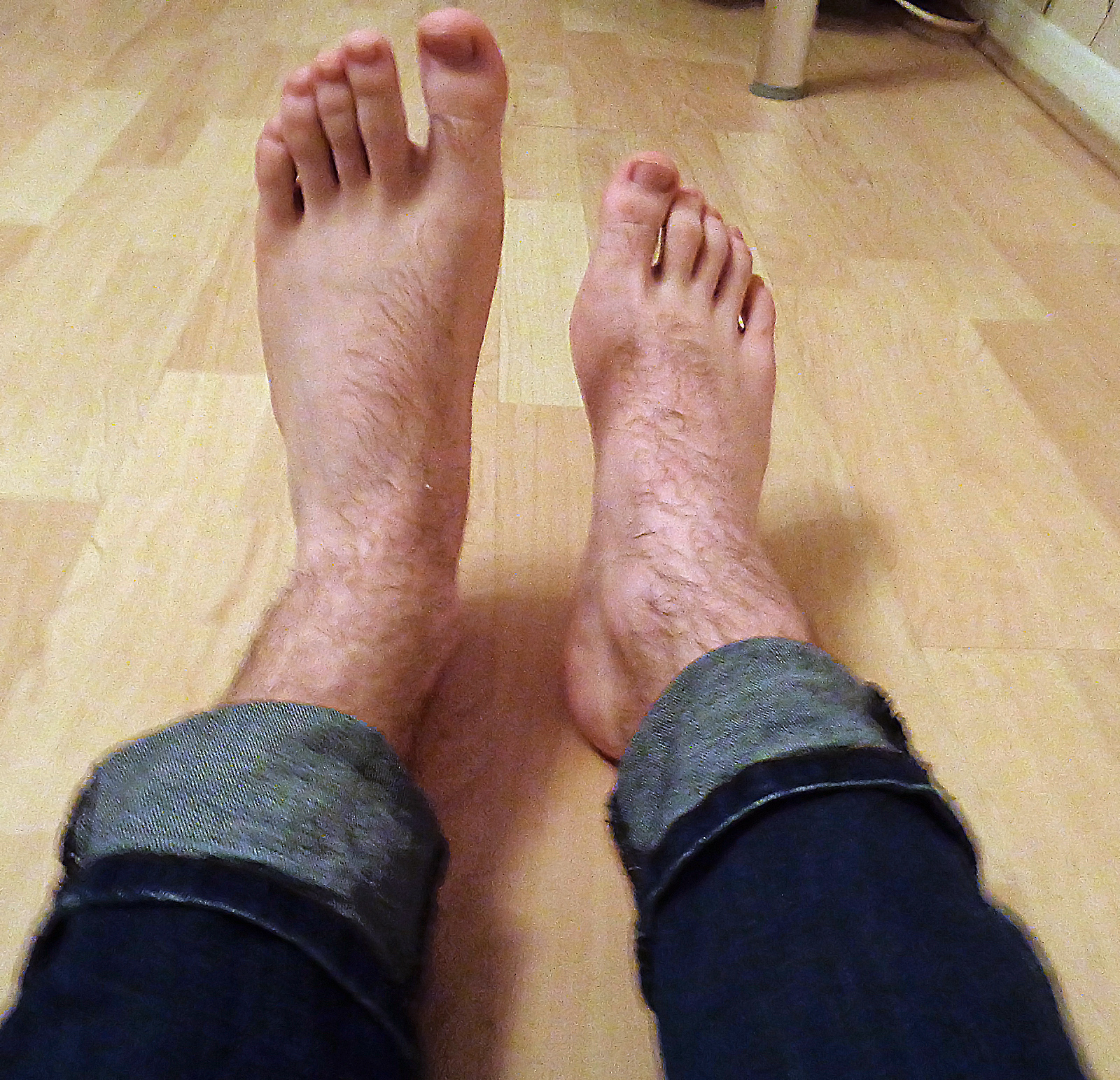
Foot drop is a gait abnormality in which the dropping of the forefoot happens out of weakness, irritation or damage to the deep fibular nerve (deep peroneal), including the sciatic nerve, or paralysis of the muscles in the anterior portion of the lower leg. It is usually a symptom of a greater problem, not a disease in itself. Foot drop is characterized by inability or impaired ability to raise the toes or raise the foot from the ankle (dorsiflexion). Foot drop may be temporary or permanent, depending on the extent of muscle weakness or paralysis, and it can occur in one or both feet. In walking, the raised leg is slightly bent at the knee to prevent the foot from dragging along the ground.
Foot drop can be caused by nerve damage alone or by muscle or spinal cord trauma, abnormal anatomy, toxins, or disease. Toxins include organophosphate compounds which have been used as pesticides and as chemical agents in warfare. The poison can lead to further damage to the body such as a neurodegenerative disorder called organophosphorus induced delayed polyneuropathy. This disorder causes loss of function of the motor and sensory neural pathways. In this case, foot drop could be the result of paralysis due to neurological dysfunction. Diseases that can cause foot drop include trauma to the posterolateral neck of fibula, stroke, amyotrophic lateral sclerosis, muscular dystrophy, poliomyelitis, Charcot–Marie–Tooth disease, multiple sclerosis, cerebral palsy, hereditary spastic paraplegia, Guillain–Barré syndrome, Welander distal myopathy, Friedreich's ataxia, chronic compartment syndrome, and severe nerve entrapment. It may also occur as a result of hip replacement surgery or knee ligament reconstruction surgery.
Foot drop is characterized by steppage gait. While walking, people suffering the condition drag their toes along the ground or bend their knees to lift their foot higher than usual to avoid the dragging. This serves to raise the foot high enough to prevent the toe from dragging and prevents the slapping. To accommodate the toe drop, the patient may use a characteristic tiptoe walk on the opposite leg, raising the thigh excessively, as if walking upstairs, while letting the toe drop. Other gaits such as a wide outward leg swing (to avoid lifting the thigh excessively or to turn corners in the opposite direction of the affected limb) may also indicate foot drop.
Patients with painful disorders of sensation (dysesthesia) of the soles of the feet may have a similar gait but do not have foot drop. Because of the extreme pain evoked by even the slightest pressure on the feet, the patient walks as if walking barefoot on hot sand.[citation needed]
The causes of foot drop, as for all causes of neurological lesions, should be approached using a localization-focused approach before etiologies are considered. Most of the time, foot drop is the result of neurological disorder; only rarely is the muscle diseased or nonfunctional. The source for the neurological impairment can be central (spinal cord or brain) or peripheral (nerves located connecting from the spinal cord to an end-site muscle or sensory receptor).[citation needed]
Foot drop is rarely the result of a pathology involving the muscles or bones that make up the lower leg. The anterior tibialis is the muscle that picks up the foot. Although the anterior tibialis plays a major role in dorsiflexion, it is assisted by the fibularis tertius, extensor digitorum longus and the extensor hallucis longus. If the drop foot is caused by neurological disorder all of these muscles could be affected because they are all innervated by the deep fibular (peroneal) nerve, which branches from the sciatic nerve. The sciatic nerve exits the lumbar plexus with its root arising from the fifth lumbar nerve space.[citation needed]
Occasionally, spasticity in the muscles opposite the anterior tibialis, the gastrocnemius and soleus, exists in the presence of foot drop, making the pathology much more complex than foot drop. Isolated foot drop is usually a flaccid condition. There are gradations of weakness that can be seen with foot drop, as follows according to MRC:[citation needed]
foot slap is a heel strike abnormality, which is the audible slapping of the foot to the floor with each step that occurs when the foot first hits the floor on each step. Sometimes it is not visible and the diagnosis is done by actually hearing the slap.
Hub AI
Foot drop AI simulator
(@Foot drop_simulator)
Foot drop
Foot drop is a gait abnormality in which the dropping of the forefoot happens out of weakness, irritation or damage to the deep fibular nerve (deep peroneal), including the sciatic nerve, or paralysis of the muscles in the anterior portion of the lower leg. It is usually a symptom of a greater problem, not a disease in itself. Foot drop is characterized by inability or impaired ability to raise the toes or raise the foot from the ankle (dorsiflexion). Foot drop may be temporary or permanent, depending on the extent of muscle weakness or paralysis, and it can occur in one or both feet. In walking, the raised leg is slightly bent at the knee to prevent the foot from dragging along the ground.
Foot drop can be caused by nerve damage alone or by muscle or spinal cord trauma, abnormal anatomy, toxins, or disease. Toxins include organophosphate compounds which have been used as pesticides and as chemical agents in warfare. The poison can lead to further damage to the body such as a neurodegenerative disorder called organophosphorus induced delayed polyneuropathy. This disorder causes loss of function of the motor and sensory neural pathways. In this case, foot drop could be the result of paralysis due to neurological dysfunction. Diseases that can cause foot drop include trauma to the posterolateral neck of fibula, stroke, amyotrophic lateral sclerosis, muscular dystrophy, poliomyelitis, Charcot–Marie–Tooth disease, multiple sclerosis, cerebral palsy, hereditary spastic paraplegia, Guillain–Barré syndrome, Welander distal myopathy, Friedreich's ataxia, chronic compartment syndrome, and severe nerve entrapment. It may also occur as a result of hip replacement surgery or knee ligament reconstruction surgery.
Foot drop is characterized by steppage gait. While walking, people suffering the condition drag their toes along the ground or bend their knees to lift their foot higher than usual to avoid the dragging. This serves to raise the foot high enough to prevent the toe from dragging and prevents the slapping. To accommodate the toe drop, the patient may use a characteristic tiptoe walk on the opposite leg, raising the thigh excessively, as if walking upstairs, while letting the toe drop. Other gaits such as a wide outward leg swing (to avoid lifting the thigh excessively or to turn corners in the opposite direction of the affected limb) may also indicate foot drop.
Patients with painful disorders of sensation (dysesthesia) of the soles of the feet may have a similar gait but do not have foot drop. Because of the extreme pain evoked by even the slightest pressure on the feet, the patient walks as if walking barefoot on hot sand.[citation needed]
The causes of foot drop, as for all causes of neurological lesions, should be approached using a localization-focused approach before etiologies are considered. Most of the time, foot drop is the result of neurological disorder; only rarely is the muscle diseased or nonfunctional. The source for the neurological impairment can be central (spinal cord or brain) or peripheral (nerves located connecting from the spinal cord to an end-site muscle or sensory receptor).[citation needed]
Foot drop is rarely the result of a pathology involving the muscles or bones that make up the lower leg. The anterior tibialis is the muscle that picks up the foot. Although the anterior tibialis plays a major role in dorsiflexion, it is assisted by the fibularis tertius, extensor digitorum longus and the extensor hallucis longus. If the drop foot is caused by neurological disorder all of these muscles could be affected because they are all innervated by the deep fibular (peroneal) nerve, which branches from the sciatic nerve. The sciatic nerve exits the lumbar plexus with its root arising from the fifth lumbar nerve space.[citation needed]
Occasionally, spasticity in the muscles opposite the anterior tibialis, the gastrocnemius and soleus, exists in the presence of foot drop, making the pathology much more complex than foot drop. Isolated foot drop is usually a flaccid condition. There are gradations of weakness that can be seen with foot drop, as follows according to MRC:[citation needed]
foot slap is a heel strike abnormality, which is the audible slapping of the foot to the floor with each step that occurs when the foot first hits the floor on each step. Sometimes it is not visible and the diagnosis is done by actually hearing the slap.
Recent media